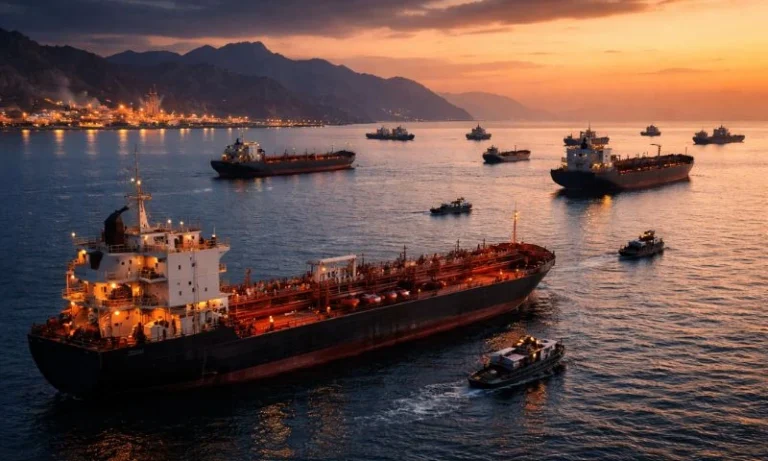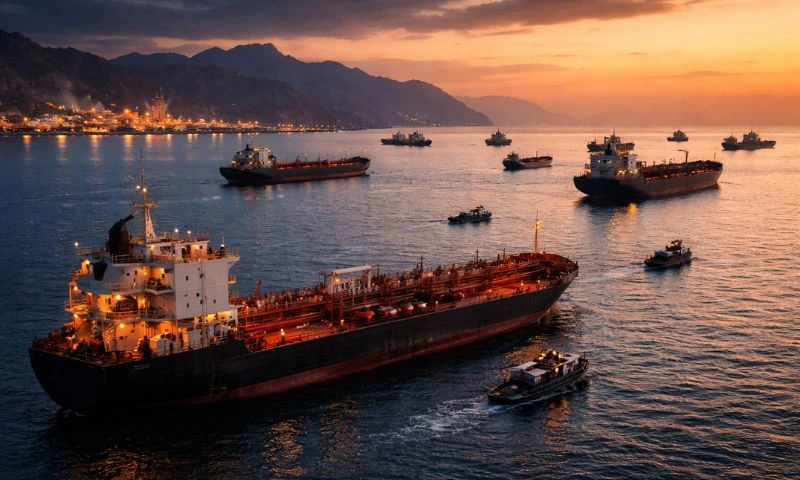
A growing humanitarian crisis is unfolding in the Gulf as around 20,000 seafarers remain stranded amid escalating regional tensions. In response, several countries have proposed the creation of a safe maritime corridor to enable the evacuation of ships and protect crew members trapped in high-risk waters.
Safe Corridor Proposal Gains Momentum
The proposal was presented at a meeting of the United Nations’ International Maritime Organization in London. Countries including Bahrain, Japan, Panama, Singapore, and the United Arab Emirates have backed the initiative, with support from the United States.
The plan calls for “a framework such as a safe maritime corridor” to allow vessels to exit the Gulf safely. Officials stressed that the main objective is to “facilitate the safe evacuation of merchant ships” and protect the lives of thousands of seafarers caught in the conflict zone.
Conflict Disrupts Global Shipping Routes
The crisis stems from escalating tensions involving Iran, which has led to serious threats against ships attempting to pass through the Strait of Hormuz. Hundreds of vessels have halted operations or dropped anchor, leaving crews stranded at sea.
The Strait of Hormuz is one of the world’s most critical energy corridors, handling nearly one-fifth of global oil and gas supplies. Any disruption in this route has immediate implications for global energy markets and maritime trade.
Shipping activity has already declined sharply, with tanker movements dropping significantly as companies suspend operations due to safety risks and rising insurance costs.
Rising Humanitarian Concerns
Beyond economic disruption, the situation has raised serious humanitarian concerns. According to the International Maritime Organization, multiple incidents have occurred since the conflict escalated, resulting in fatalities and injuries among crew members.
IMO Secretary-General Arsenio Dominguez warned that seafarers “must not become victims of broader geopolitical tensions,” emphasizing the urgent need for de-escalation and protective measures.
Reports also indicate that thousands of additional passengers and crew members are stranded across hundreds of vessels, facing uncertainty, limited mobility, and mounting psychological stress.
Global Powers Weigh Security Measures
The crisis has prompted discussions among global powers about securing maritime routes. NATO officials have indicated that member states are exploring options to ensure safe passage, while the United States has urged nations to help maintain security in the Strait of Hormuz.
At the same time, Iran has stated that it continues to provide humanitarian assistance to vessels and crews in the region, even as tensions remain high.
Broader Implications for Trade and Energy
The ongoing disruption highlights the vulnerability of global supply chains to geopolitical shocks. A prolonged crisis could lead to sustained increases in shipping costs, energy prices, and delivery delays across international markets.
For countries dependent on imported energy, including Pakistan, any instability in the Gulf directly impacts fuel prices, inflation, and economic stability.
A Crisis Demanding Urgent Action
The proposal for a safe corridor reflects a growing consensus that immediate action is needed to prevent further loss of life and restore confidence in global shipping routes.
As diplomatic efforts continue, the fate of thousands of seafarers remains uncertain, underscoring the human cost of geopolitical conflict in one of the world’s most strategic regions.