Tourism in Gilgit-Baltistan has shown a strong rebound this year, defying fears of a slowdown caused by the ongoing Middle East conflict that has disrupted global travel patterns and raised security concerns.
According to officials, applications from foreign climbers and trekkers seeking permits to explore the region have already surpassed last year’s figures, signaling renewed confidence among international adventure tourists.
Surge in Adventure Tourism
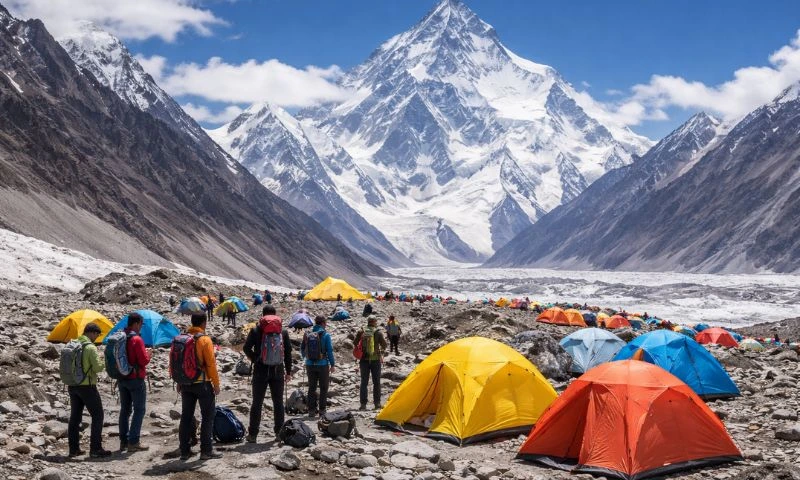
Authorities confirmed that interest in mountaineering and trekking has increased significantly, with expeditions planned for some of the world’s highest peaks located in Gilgit-Baltistan. The region is home to iconic destinations such as K2, Nanga Parbat, and the Karakoram range, which attract climbers from across the globe.
Officials noted that despite geopolitical tensions, foreign tourists continue to view the region as a safe and attractive destination for adventure travel.
The increase in permit applications indicates that the summer tourism season is likely to perform better than expected, offering relief to local businesses that rely heavily on tourism.
War Impact Still a Concern
The rebound comes despite significant disruptions caused by the Middle East war, which has affected international flight routes and tourism flows worldwide. Travel advisories issued by several countries and concerns over regional instability had initially raised fears of a decline in visitor numbers.
Earlier reports suggested that tourism operators in the region were bracing for a potential crisis, with many fearing that Western tourists might cancel their trips due to the conflict.
Globally, the conflict has led to cancellations and delays, with experts warning that tourist arrivals in affected regions could drop sharply due to uncertainty and safety concerns.
Economic Lifeline for the Region
Tourism is a critical pillar of Gilgit-Baltistan’s economy, supporting thousands of livelihoods across hospitality, transport, and guiding services. The region has long depended on seasonal tourism, particularly during the summer months when climbers and trekkers arrive in large numbers.
In previous years, external shocks such as climate disasters and global conflicts caused steep declines in visitor numbers, severely impacting local communities.
The current recovery is therefore being seen as a positive sign for economic stability, especially as local businesses prepare for the peak tourist season.
Infrastructure and Accessibility Improvements
Officials have also credited improvements in infrastructure and connectivity for the renewed interest in the region. Enhanced road networks, better flight connectivity to Skardu, and increased promotional efforts have made Gilgit-Baltistan more accessible to both domestic and international tourists.
The government has been actively working to position the region as a premier adventure tourism destination, highlighting its unique landscapes, glaciers, lakes, and mountain ranges.
Outlook for the Season
While challenges remain due to ongoing geopolitical tensions, the strong start to the tourism season has raised optimism among stakeholders.
Experts believe that if the security situation does not worsen, Gilgit-Baltistan could witness one of its most successful tourism seasons in recent years.
The resilience shown by the sector underscores the enduring appeal of the region’s natural beauty and its importance to Pakistan’s tourism economy.