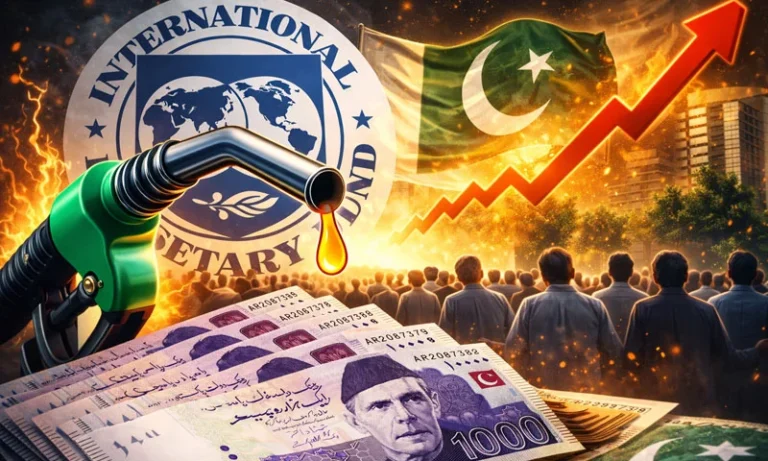
Pakistan’s government has sharply increased the price of kerosene oil by Rs130.08 per litre, pushing the new rate to Rs318.81 per litre, in one of the largest single increases in the country’s energy market in recent years. The new price came into effect on March 7, following a notification issued by the Oil and Gas Regulatory Authority (OGRA).
The move comes just days after the government raised the prices of petrol and high speed diesel by Rs55 per litre, citing soaring global oil prices and disruptions in the international energy market.
Officials say the surge in petroleum prices has been driven largely by tensions in the Middle East that have disrupted oil supply routes and pushed global crude prices sharply higher.
New Kerosene Price and Previous Rate
According to the OGRA notification, the price of kerosene was raised by Rs130.08 per litre, bringing it to Rs318.81 per litre from the previous price of Rs188.73 per litre, which had been set on March 1.
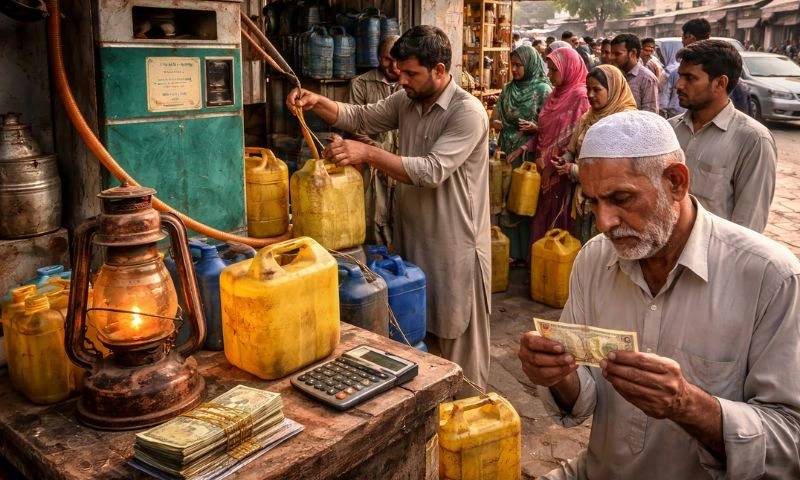
The steep increase has drawn concern because kerosene is widely used by lower income households, particularly in rural and mountainous areas where it is commonly used for cooking and heating.
At the same time, the government also increased the price of light diesel oil, another fuel commonly used in agriculture and transport. Light diesel now costs around Rs235.1 per litre, after a significant increase.
Energy analysts say such increases can directly impact living costs for millions of Pakistanis who rely on these fuels for daily use.
Global Oil Prices Driving Local Increases
Officials have linked the fuel price surge to geopolitical tensions in the Middle East that have caused global energy markets to spike. Pakistan imports most of its petroleum products, making domestic prices highly sensitive to international market movements.
The government previously announced that petrol prices had been increased to Rs321.17 per litre and high speed diesel to Rs335.86 per litre in response to rising global prices.
According to the petroleum ministry, global petroleum product prices have risen by 50 to 70 percent in recent weeks due to regional instability affecting oil supply chains.
Officials said the government took what they described as a difficult decision to pass part of the international price increase to domestic consumers to avoid shortages and maintain supply.
Impact on Consumers and Economy
Economists warn that the increase in kerosene prices could significantly affect low income households. Kerosene is often used in areas without access to natural gas, meaning families rely on it for cooking, heating, and lighting.
Higher fuel costs also have a ripple effect across the economy, increasing transport costs and pushing up the prices of goods and services.
Pakistan’s fuel price adjustments are typically made based on recommendations from OGRA and international oil price movements. In the current situation, the government has also indicated that petroleum prices may now be reviewed on a weekly basis due to the volatile global market.
Rising Energy Costs Add Pressure on Inflation
The latest fuel price increases come at a time when Pakistan is already struggling with inflation and economic pressure on households.
With kerosene now crossing Rs300 per litre, analysts say the government may face growing pressure to find ways to cushion the impact on vulnerable populations while ensuring a stable fuel supply.
As global oil markets remain volatile, further changes in petroleum prices cannot be ruled out in the coming weeks.