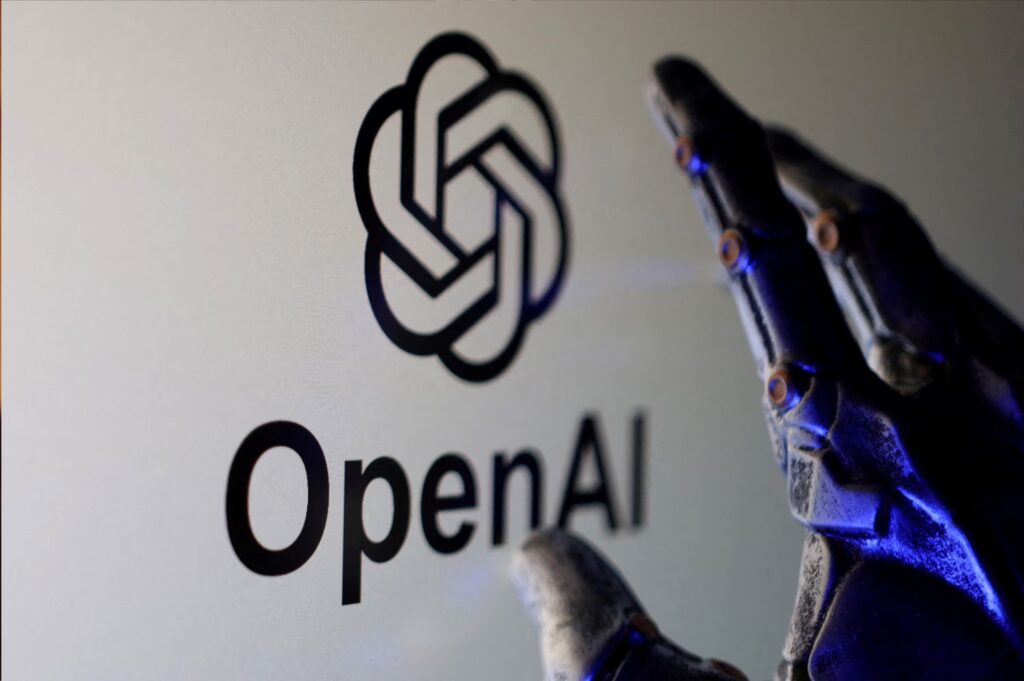
OpenAI is turning heads once again and not just for its advances in artificial intelligence, but for one of the most eye-catching job postings in recent tech history. The AI leader is advertising a new senior role with a salary of up to $555,000 (about AED 2 million) per year, drawing attention not only for the hefty compensation but also for the intense responsibilities that come with it. According to OpenAI’s leadership, the role will be critical in preparing the company for worst-case scenarios in a rapidly evolving digital world.
The job in question isn’t your typical executive position. OpenAI is hiring a Head of Preparedness and Partnerships, a specialist tasked with leading efforts to plan for and respond to large-scale AI cyberattacks, unexpected adversarial use of AI, and other digital catastrophes. The role blends high-level strategy with real-world crisis readiness, and requires someone who can think both creatively and practically about catastrophic risk. It sits at the intersection of AI safety, cybersecurity, and global partnerships, making it one of the most nuanced leadership roles in tech today.
CEO Sam Altman himself has commented on the challenge, noting that the job will be “stressful” and demanding, even for seasoned professionals. He emphasised that the position is about preparing for hard things before they happen, and that spotting and mitigating emerging threats is now central to OpenAI’s mission alongside inventing groundbreaking technologies. The company has explicitly said that it wants someone who can build bridges with governments, NGOs, and industry peers to coordinate responses to scenarios that could range from targeted attacks on AI infrastructure to broader threats to data integrity and public safety.
Industry watchers see this hiring move as part of a broader trend in tech where companies are investing early in crisis readiness and resilience planning. With AI adoption accelerating across sectors, the potential risks—whether from hackers weaponising models or unforeseen system failures—have become front-page concerns. Google, Meta, and Microsoft have all established AI safety boards and protocols in the past few years, but few have had a role quite as focused and well-paid as OpenAI’s new preparedness chief.
The hefty salary reflects not just the qualifications needed but also the urgency the company places on preparedness. Recruiting someone who can operate under high pressure, manage complex stakeholder relationships, and foresee threats that don’t yet exist will be no easy feat. The position is expected to attract candidates with deep experience in national security, cybersecurity, and risk management, with some speculation that leaders from government and defence sectors could make strong contenders.
While the compensation may grab headlines, the broader implication is that AI organisations are beginning to treat risk management and preparedness as core pillars of their operations—not just technical novices, but board-level priorities. As AI systems become more woven into daily life, the people preparing for what could go wrong will be just as important as those building what goes right.