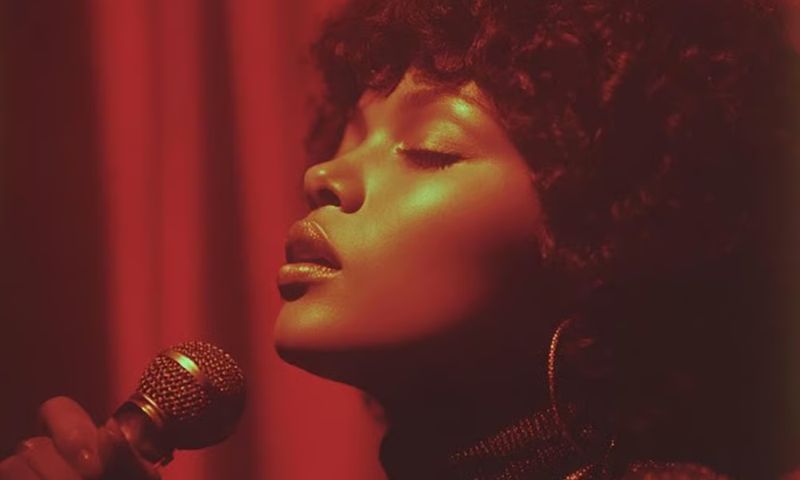
A new name has surged across music streaming platforms, but almost nothing is known about her. Sienna Rose, a neo-soul and R&B singer, has racked up millions of streams in a matter of months, placing multiple tracks on viral charts. Yet there are no interviews, no live performances, and no verified public identity raising a pressing question: is Sienna Rose even real?
Her rapid rise has puzzled listeners and music industry professionals alike. Several of her songs have crossed five million streams, and her monthly listener count continues to grow. Despite this success, there is no trace of a management team, record label promotion, or social media presence typically associated with a breakout artist.
The mystery deepens with the sheer volume of music released under her name. Between late 2025 and early 2026, Sienna Rose uploaded dozens of tracks, including EPs and a full-length album. For many artists, producing that amount of polished music in such a short time would be nearly impossible.
Streaming analysts and audio researchers have flagged technical patterns within the tracks that suggest artificial generation. Some platforms have internally labelled the music as likely AI-created based on detection tools that analyze rhythm, frequency consistency, and production markers. These tools identify subtle irregularities that differ from human-made recordings.
Listeners have also picked up on something unusual. While many praise the songs for being emotionally engaging, others describe the vocals as “almost human” but slightly off. On social platforms, fans debate whether the artist is a real person choosing anonymity or a sophisticated AI project designed to blend seamlessly into recommendation algorithms.
The case has reignited concerns across the music industry. AI-generated music can be produced at scale, uploaded cheaply, and optimized for streaming discovery. Critics warn that this could flood platforms with synthetic content, pushing independent human artists out of playlists and reducing their earnings.
Streaming services currently do not require creators to disclose whether music is AI-generated. Companies argue that the line between human-assisted and fully artificial music remains difficult to define. Artists and rights groups, however, are calling for greater transparency, fearing long-term damage to creativity and trust.
For now, Sienna Rose remains an enigma. Whether she is an anonymous musician, a marketing experiment, or a fully AI-driven project, her sudden success marks a turning point. As technology reshapes how music is made and consumed, listeners may soon have to ask a new question not just whether they like a song, but who, or what, created it.