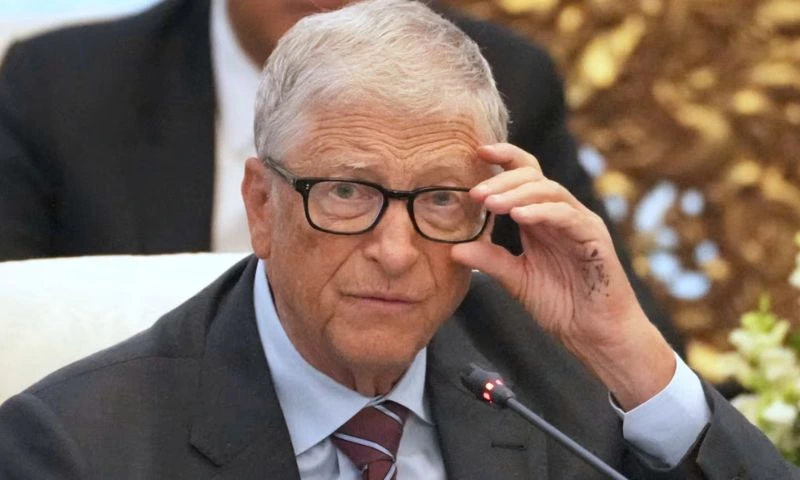
Indian tech diplomacy took an unexpected turn on Thursday, February 19, 2026, when Bill Gates abruptly cancelled his keynote address at the India AI Impact Summit in New Delhi. The Microsoft co-founder’s withdrawal came just hours before his scheduled speech, amid heightened scrutiny over his past associations with the late Jeffrey Epstein, the convicted sex offender whose recently released files have triggered global controversy.
Summit Aims and High-Profile Attendance
The India AI Impact Summit 2026 is one of the most ambitious global technology events held in the Global South, designed to position India at the forefront of artificial intelligence governance, research and investment. The summit brought together world leaders, CEOs and innovators under one roof, with Prime Minister Narendra Modi, French President Emmanuel Macron, Google CEO Sundar Pichai, and OpenAI CEO Sam Altman all addressing delegates.
India’s government and summit organisers had counted on Gates’s participation to reinforce the event’s global appeal and underscore technological cooperation between nations. However, his last-minute withdrawal shifted attention away from the core discussions on AI investment and development.
Read More: Pakistan Bets Big on AI: $1 Billion Plan That Could Change the Economy
Reason for Cancellation
The Gates Foundation released a statement saying the decision was made “to ensure the focus remains on the AI Summit’s key priorities.” It confirmed that Gates would not deliver his keynote address and that Ankur Vora, the foundation’s President for Africa and India, would speak in his place. The statement also reiterated the organisation’s ongoing commitments to public health and development projects in India.
Gates has previously commented on the controversy tied to Epstein. He said he regretted “every minute I spent with him” and acknowledged that meeting Epstein was a mistake. The reopened scrutiny stems from recently released documents from the U.S. Department of Justice, which included references to communications involving Gates and Epstein’s network.
Read More: What Are the Epstein Files, Why They Matter, and Why They Are Deepening Trouble for Powerful Figures
Summit and Event Chaos
Gates’s absence was not the only issue at the summit. Reuters reporting indicates that the event has been plagued by organisational challenges, including traffic disruptions, closed exhibition halls, and confusion over logistics in Delhi. Indian university exhibits sparked controversy when one institution was asked to vacate its stall for misrepresenting a Chinese-made robot as its own innovation.
Adding to the challenges, another major keynote speaker, Nvidia CEO Jensen Huang, also cancelled his appearance, leaving gaps in the high-profile agenda and fuelling frustration among attendees.
Reactions and Broader Impact
Media and opposition voices in India weighed in as the summit unfolded. Some critics said the state’s handling of the summit raised questions about logistical planning and management. Despite these issues, the summit hosts reported that India secured over $200 billion in AI investment pledges, including from major Indian tech firms and international partners.
Analysts say Gates’s withdrawal highlights the sensitivity around public figures and reputational risks, especially in high-visibility forums. Even though he remains involved through the Gates Foundation’s representation, the controversy shows how peripheral matters can overshadow key global discussions on technology policy and innovation.
Read More: Inside the Epstein Files: Key Disclosures, Unanswered Questions, and Global Impact
What’s Next for India AI Summit
The summit continues through February 20, 2026, with discussions on AI governance, ethics and investment. Indian leaders are using the event to position the country as a technology hub while navigating diplomatic and organisational hurdles. The India AI Impact Summit remains a landmark event for global AI cooperation despite the turbulence.