

Metro electric vehicles have become more expensive in Pakistan after Pak Star Automobile (Pvt.) Ltd announced a price increase across its entire lineup. According to the company’s official notification issued on April 3, prices of all Metro e-vehicle models have been increased by Rs5,000, with the revised rates effective immediately for all new orders. Dealers across the country have been instructed to charge customers based on the updated prices, reflecting the latest increase without any transition period. Why Prices Are Rising The company has attributed the increase to a surge in operational costs driven by recent economic pressures. Officials highlighted that rising sea freight charges and higher logistics expenses have significantly impacted overall production and distribution costs. Transportation costs from Karachi port to assembly plants, as well as delivery to dealerships, have increased sharply in recent weeks. In addition, the recent spike in petrol prices has indirectly affected the cost structure, making it difficult for the company to absorb expenses without passing them on to consumers. Electric Bikes No Longer Cheap Alternative Electric bikes were previously seen as a cost-effective alternative to petrol-powered motorcycles, especially amid rising fuel prices. However, the latest increase suggests that even the electric vehicle segment is not immune to inflationary pressures. Metro offers a wide range of electric bikes and scooters in Pakistan, with prices already ranging from around Rs179,000 for entry-level models to over Rs500,000 for premium options like the Metro Miku Super. Popular models such as the Metro T9, Metro Thrill and Metro M6 Empower are widely used for urban commuting due to their lower running costs and fuel-free operation. Impact on Consumers The price hike is expected to affect urban commuters who were increasingly shifting toward electric bikes to reduce fuel expenses. While electric vehicles still offer lower running costs compared to petrol bikes, the higher upfront cost may discourage new buyers. For middle and lower-income groups, the increase adds another financial burden at a time when both fuel prices and conventional motorcycle prices are already rising. Wider Market Trend The increase in Metro e-vehicle prices reflects a broader trend in Pakistan’s auto industry, where manufacturers are raising prices due to inflation, currency depreciation and higher import costs. From petrol motorcycles to electric bikes, nearly every segment of the two-wheeler market is witnessing upward price revisions, signaling sustained pressure on affordability. Outlook for Electric Mobility in Pakistan Despite the price increase, experts believe demand for electric bikes will continue to grow in the long term due to rising fuel costs and increasing awareness about environmentally friendly transport options. However, affordability will remain a key challenge, especially if economic pressures continue and further price hikes follow in the coming months.
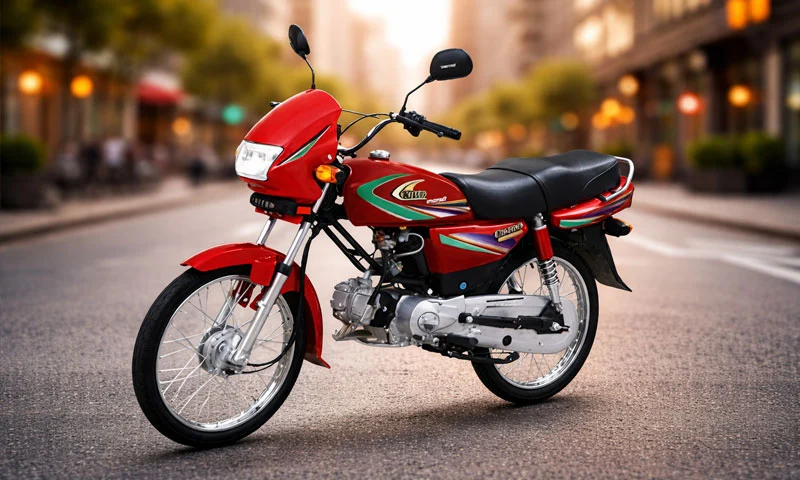
United Motorcycles Prices Increased in Pakistan Amid Rising Costs
United Auto Industries has increased the prices of its motorcycles in Pakistan, adding further pressure on consumers already dealing with rising fuel and transportation costs. The new prices have been implemented across several models, including the popular 70cc, 100cc and 125cc bikes that are widely used for daily commuting. The latest revision reflects a broader trend in the local motorcycle market, where manufacturers are adjusting prices in response to increasing production costs and economic challenges. Key Models See Noticeable Increase The price hike has affected entry level bikes the most, particularly those in the 70cc category, which are commonly used by students and low income riders. The United US 70, one of the most popular budget motorcycles, has seen a noticeable increase, making it less affordable for many buyers. Similarly, the United US 100 and 125cc variants have also witnessed price revisions, pushing overall costs higher for consumers across different segments. Market data shows that United motorcycles remain among the more affordable options in Pakistan, with prices typically ranging from around Rs108,500 for basic models to over Rs300,000 for higher-end variants, depending on features and specifications. Reasons Behind the Price Increase The increase in prices has been attributed to multiple factors, including rising raw material costs, currency depreciation and higher operational expenses. Manufacturers are facing mounting pressure due to the weakening rupee against the US dollar, which directly impacts the cost of imported components used in local assembly. Industry experts also point to inflation and increased transportation costs as key drivers behind the upward revision in motorcycle prices. Impact on Consumers The latest price hike is expected to hit middle and lower income groups the hardest, as motorcycles remain the primary mode of transportation for millions of Pakistanis. With fuel prices already at record levels, the additional cost of purchasing a bike is likely to reduce affordability and delay buying decisions for many households. United motorcycles have long been considered a budget friendly option due to their relatively lower prices and fuel efficiency, especially for city commuters. However, the recent increase may narrow the affordability gap between different brands in the market. Broader Market Trend The price revision by United Auto Industries is part of a wider pattern seen across Pakistan’s auto sector, where multiple manufacturers have raised prices in recent months. Economic uncertainty, high inflation and import restrictions have collectively contributed to higher vehicle costs across the board. As a result, consumers are facing a double burden of rising purchase prices and increasing fuel expenses, making everyday transportation more expensive. Outlook for the Market Experts believe that unless economic conditions stabilize, further price adjustments may remain likely in the coming months. Manufacturers are expected to continue passing on cost increases to consumers as they struggle to maintain margins. For buyers, this means that motorcycles, once considered the most economical mode of transport, are gradually becoming more expensive, reflecting the broader financial pressures facing Pakistan’s economy.
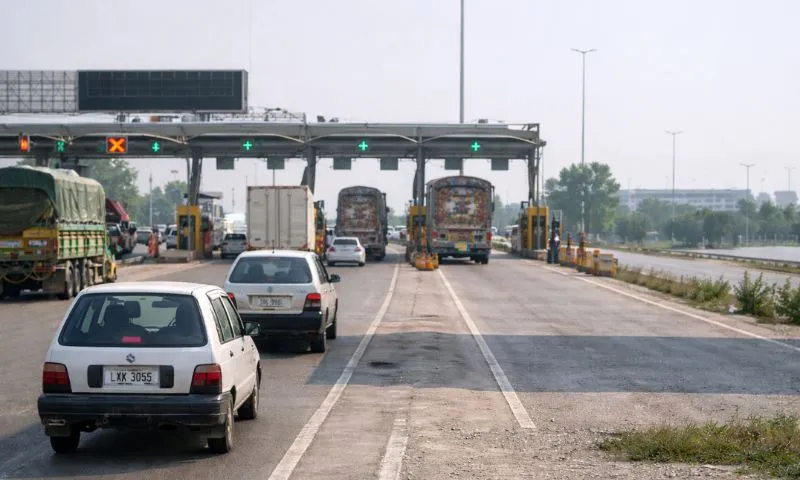
NHA Raises Motorway Tolls Again, Travel Costs Surge
The National Highway Authority has announced a fresh increase in toll tax on highways and major motorways across Pakistan, with revised rates coming into effect from April 5. The move marks the second hike this year and is expected to significantly increase travel costs for both private motorists and commercial transporters. New Toll Rates Announced Under the revised notification, toll charges for cars on national highways have been set at Rs100, while the toll at the Kohat Tunnel has increased to Rs250. Major increases have also been implemented on key motorways: Islamabad to Peshawar M-1 motorway toll for cars raised to Rs700 Lahore to Abdul Hakeem M-3 motorway increased from Rs800 to Rs1,000 Pindi Bhattian to Faisalabad to Multan M-4 motorway increased from Rs1,050 to Rs1,300 Multan to Sukkur M-5 motorway raised from Rs1,200 to Rs1,500 Dera Ismail Khan to Hakla M-14 motorway increased from Rs650 to Rs800 Hassan Abdal to Havelian to Mansehra E-35 motorway increased from Rs300 to Rs350 For heavy vehicles, toll charges have also surged significantly, with some routes exceeding Rs7,000 for large trucks. Second Hike This Year This increase marks the second revision in toll taxes in 2026, reflecting a continuing trend of rising road usage charges. Officials have linked these periodic increases to the cost of maintaining and expanding Pakistan’s highway and motorway network, which requires substantial funding due to rising construction and operational expenses. Read More: Fuel Crisis Deepens in Pakistan: Petrol, Diesel Hike Expected as LPG Prices Jump 34% Immediate Impact on Commuters The toll hike will directly affect daily commuters and long-distance travelers. For a car traveling between Lahore and Multan on the M-4 motorway, the toll has increased by Rs250 per trip. Frequent travelers could see monthly travel costs rise by thousands of rupees. Intercity commuters, particularly those who travel for work or business, will feel the impact immediately as travel becomes more expensive. Transport Costs Likely to Rise The biggest impact is expected in the transport sector. Bus operators, goods transporters and logistics companies are likely to pass on the increased toll costs to passengers and customers. This could lead to: Higher bus fares on intercity routes Increased freight charges Higher delivery costs for businesses Transporters have historically adjusted fares quickly after such increases, meaning passengers could see higher ticket prices within days. Read More: Fuel Prices Surge, Expenses Rise: How to Save Money in Tough Times Ripple Effect on Prices of Goods The toll hike, combined with already rising fuel prices, could further push inflation upward. Goods transported via highways, including food, construction materials and industrial supplies, will become more expensive to move. As a result: Prices of vegetables and fruits transported from rural areas may rise Essential goods could see incremental price increases Supply chains may become more costly and less efficient This creates a compounded effect where both fuel and toll increases contribute to higher living costs. Pressure on Businesses and Economy Businesses that rely heavily on road transport, including logistics firms, retailers and manufacturers, will face increased operational costs. Small and medium enterprises may struggle to absorb these costs, forcing them to either increase prices or reduce margins. Economists warn that repeated increases in transport-related costs can slow economic activity and reduce competitiveness. Infrastructure Funding vs Public Burden While the NHA maintains that toll increases are necessary to sustain infrastructure development and maintenance, critics argue that the growing financial burden on the public is becoming unsustainable. The authority has emphasised that improved road quality and expansion projects require consistent funding, but commuters are increasingly questioning the frequency of price hikes. A Growing Cost of Mobility With fuel prices already at record highs and now toll taxes increasing again, the overall cost of mobility in Pakistan is rising sharply. For ordinary citizens, this means more expensive travel, higher cost of goods and reduced affordability. The combined effect of fuel and toll increases is expected to remain a key economic concern in the coming months.
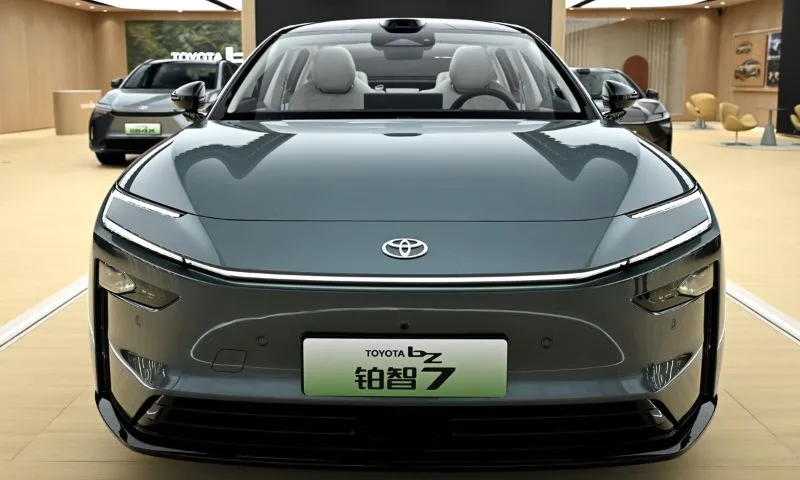
Toyota’s New Luxury EV Sells 3,000 Units in Just One Hour
Japanese automaker Toyota has officially launched its new luxury electric sedan, the Toyota bZ7, in China, marking a significant step in its expanding electric vehicle strategy. The vehicle has already made a powerful market entry, securing more than 3,000 bookings within just one hour of launch, reflecting strong consumer demand in the world’s largest EV market. Affordable luxury positioning shakes up EV segment The Toyota bZ7 has been introduced as an “affordable luxury” electric sedan, with a starting price of 147,800 yuan, approximately 21,500 dollars. The model is available in five variants, with the top-end version priced at 199,800 yuan, or roughly 29,000 dollars. This pricing places it in direct competition with electric vehicles from brands such as BYD and Tesla, both of which dominate China’s EV landscape. Industry analysts note that Toyota’s competitive pricing strategy is aimed at regaining market share in China, where local manufacturers have taken a strong lead in electric mobility. Advanced technology and smart ecosystem integration The bZ7 comes equipped with cutting-edge technology designed to enhance user experience and connectivity. It features Huawei HarmonyOS 5.0, making it one of Toyota’s most technologically advanced vehicles to date. The system allows seamless integration with Xiaomi’s smart ecosystem, enabling users to control home devices directly from the car. In addition, the car includes Momenta’s R6 advanced driver assistance system, supported by a roof-mounted LiDAR, allowing autonomous driving capabilities in both urban and highway environments. Performance and battery efficiency The Toyota bZ7 is powered by a front-wheel-drive electric motor producing 118 kW of power and 250 Nm of torque. The sedan accelerates from 0 to 100 kilometers per hour in 8.7 seconds, offering a balance between performance and efficiency. Two battery configurations are available: 71 kWh battery offering up to 600 km range 88 kWh battery offering up to 700 km range The vehicle also supports fast charging, allowing it to charge from 10 percent to 80 percent in approximately 28 to 30 minutes, depending on the variant. Premium interior and comfort features Toyota has focused heavily on comfort and luxury in the bZ7’s interior design. The vehicle features zero-gravity front seats with heating, ventilation, and massage functions. It also includes a 15.6-inch infotainment display and a 27-inch head-up display, offering a high-tech driving experience. These features position the bZ7 as a strong competitor in the premium EV segment while maintaining affordability. Part of Toyota’s China-focused EV strategy The launch of the bZ7 reflects Toyota’s broader strategy to develop China-specific electric vehicles to compete with local manufacturers. The company has been working closely with Chinese partners such as GAC to introduce technologically advanced and cost-effective EVs tailored for the domestic market. China remains the largest and most competitive EV market globally, with intense price competition and rapid technological innovation. Potential impact on Pakistan market While the Toyota bZ7 is currently limited to China, its launch raises questions about its potential arrival in Pakistan. Experts suggest that if introduced locally, the bZ7 could attract buyers looking for a luxury yet relatively affordable electric vehicle. However, challenges such as limited charging infrastructure, high import duties, and evolving EV policies may affect its adoption. Pakistan’s EV market is gradually growing, with increasing interest in hybrid and electric vehicles, but infrastructure development remains a key hurdle. Global EV race intensifies Toyota’s move comes amid increasing competition in the global EV market, particularly in China, where companies like BYD and Tesla continue to dominate. The bZ7 represents Toyota’s effort to close the technology gap and offer competitive alternatives with advanced software integration and longer driving ranges.
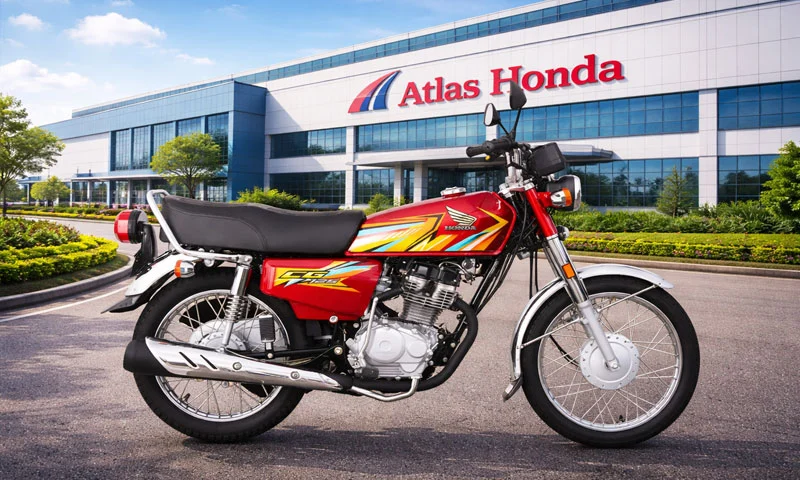
Honda Announces Bold $20M Investment in Pakistan’s Bike Market
Atlas Honda Limited has announced a major expansion plan, approving a capital investment of approximately $20 million to increase its motorcycle production capacity and improve operational efficiency in Pakistan. The decision was disclosed in a notice submitted to the Pakistan Stock Exchange, where the company confirmed that its board had approved a capital expenditure of Rs5.3 billion for the upcoming financial year. Expansion to Boost Production Capacity According to the company, the investment will focus on enhancing manufacturing capacity, automation, and overall productivity. The expansion is expected to significantly increase Atlas Honda’s annual production capacity to two million units. “This investment will be made to enhance capacity, automation and productivity,” the company stated in its official communication. Industry analysts say this marks a major expansion of roughly 39 percent, which is likely to support future earnings growth and strengthen the company’s market position. Strengthening Market Leadership Atlas Honda is one of Pakistan’s leading motorcycle manufacturers and a joint venture between the Atlas Group and Honda Motor Company of Japan. Established in 1962, the company has maintained a dominant share in the local two-wheeler market for decades. The company primarily manufactures and markets motorcycles and spare parts, catering to a wide customer base across Pakistan. Its strong distribution network and brand reputation have helped it remain resilient even during periods of economic slowdown. Experts believe the expansion comes at a time when demand for motorcycles is gradually recovering after a slowdown caused by inflation, rising interest rates, and declining consumer purchasing power. Responding to Growing Demand Pakistan’s motorcycle market remains one of the largest in the region, driven by the need for affordable transportation solutions. With rising fuel prices and increasing urban congestion, two-wheelers are becoming an increasingly popular option for daily commuters. The expansion is expected to help Atlas Honda meet growing demand while improving production efficiency and reducing operational costs. Industry observers note that automation upgrades could also improve product quality and reduce dependency on manual processes, aligning the company with global manufacturing standards. Industry Outlook and Challenges Despite the positive outlook, the motorcycle industry in Pakistan continues to face several challenges, including high production costs, currency fluctuations, and import restrictions on raw materials. At the same time, the sector is undergoing gradual transformation, with discussions around electric bikes and fuel-efficient alternatives gaining momentum. While Atlas Honda has yet to make a major move into electric mobility, analysts believe such investments could position the company to adapt to future market shifts. Economic Impact The investment is expected to have a broader economic impact by supporting industrial growth, creating employment opportunities, and strengthening the local manufacturing sector. It also reflects renewed business confidence in Pakistan’s industrial landscape, even as the economy navigates external pressures and global uncertainties. As Atlas Honda moves forward with its expansion plans, the company aims to consolidate its leadership in the motorcycle market while preparing for evolving consumer demands and technological advancements.
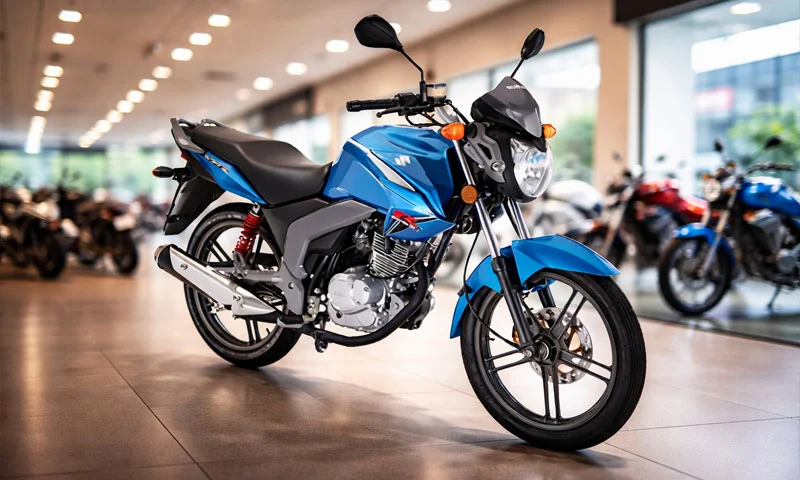
GSX 125 Now Easier to Buy with Suzuki’s 0% Markup Deal
Suzuki has introduced a 0% markup financing plan for its GSX 125 motorcycle in Pakistan, aiming to make bike ownership easier amid rising costs. The move comes at a time when high interest rates and increasing upfront prices have made it difficult for many buyers to purchase new motorcycles. Under this plan, customers can buy the GSX 125 without paying any additional interest, making it one of the few interest-free bike financing offers currently available in the market. Key Details of the 0% Markup Plan The financing package includes several attractive features for buyers looking for affordable installments. According to details, the bike is priced at around Rs504,900, with a 25 percent down payment required. Customers can then pay the remaining amount over a 24-month period, with monthly installments starting from approximately Rs14,100. Importantly, the total payable amount remains close to the original price of the motorcycle, as no markup is applied under this plan. Additional Costs Buyers Should Consider While the offer removes interest charges, buyers should still account for additional expenses. These may include processing fees, insurance charges and registration costs, which are not part of the base installment plan. Late payment penalties may also apply if installments are not paid on time. Why This Offer Matters The introduction of a 0% markup plan is significant in Pakistan’s current economic environment. Motorcycles remain the most common mode of transport for millions of people, especially for daily commuting. Rising inflation and fuel costs have made affordability a key concern. Experts say such financing options can help boost sales while making it easier for middle-income buyers to own reliable transport. Growing Trend of Interest-Free Financing Suzuki’s move reflects a broader trend in Pakistan’s auto sector, where companies are offering flexible financing to attract customers. Other manufacturers and banks have also introduced similar installment plans to support buyers struggling with high upfront costs. These initiatives aim to keep demand stable in a challenging economic climate. GSX 125 Remains a Popular Choice The GSX 125 is known for its reliable 125cc engine, fuel efficiency and suitability for daily use in Pakistan. It remains one of the premium options in the 125cc category, offering better features compared to traditional commuter bikes. A Timely Opportunity for Buyers For potential buyers who were delaying their purchase due to high interest rates, this offer presents a timely opportunity. However, experts advise consumers to carefully calculate total costs, including additional fees, before committing to the plan.
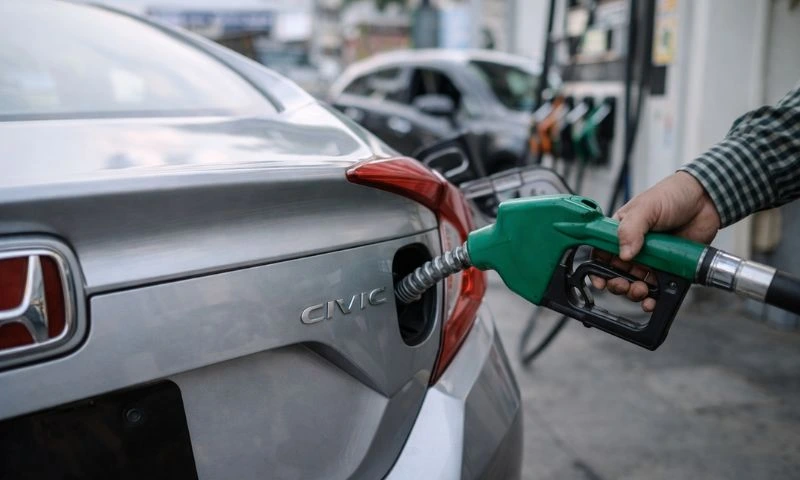
No Need for Hi-Octane? Honda Pakistan Clears the Air
Honda Atlas Pakistan has clarified that its locally assembled vehicles are fully compatible with 91 RON regular petrol, addressing long-standing confusion among car owners over whether expensive high-octane fuel is necessary. The clarification comes at a time when petrol prices, especially high-octane variants, have surged in Pakistan amid global oil market uncertainty. This has led many motorists to question whether premium fuel is essential for their vehicles or simply an added expense. Honda’s Official Position According to company representatives, Honda vehicles are designed to run on 91 RON petrol, a fact already mentioned in official product brochures. “Customers can rely on these brochures as the authoritative source,” officials stated, adding that the fuel recommendation is clearly documented for various models. This aligns with international standards where 91 RON is widely accepted as regular fuel for modern vehicles in several countries. The clarification aims to settle ongoing debates among car owners who have been switching to costly high-octane fuel due to misconceptions about engine performance and safety. What It Means for Honda Owners The announcement brings relief to thousands of Honda users in Pakistan, as it confirms that using standard petrol is both safe and recommended for most models. This includes popular vehicles such as the Honda City, BR-V, and older naturally aspirated Civic variants, which do not require high-octane fuel for normal operation. However, Honda noted that turbocharged engines, such as the Civic RS 1.5L Turbo, may perform better with high-octane fuel, particularly under heavy acceleration or high load conditions. Even in such cases, high-octane is not mandatory but can help reduce engine knocking and improve performance. Experts explain that octane ratings measure a fuel’s ability to resist knocking during combustion, and higher-octane fuels are typically required only for high-compression or performance engines. Rising Fuel Prices Fuel the Debate The timing of Honda’s clarification is significant. With high-octane petrol prices climbing sharply in Pakistan, drivers have been looking for ways to cut fuel costs without compromising engine health. Many consumers had been under the impression that premium fuel was necessary for modern vehicles, often leading to higher monthly fuel expenses. Honda’s stance now reassures users that regular petrol is sufficient for most daily driving needs. Final Takeaway Honda Pakistan’s statement provides much-needed clarity in a market where misinformation about fuel types is widespread. By confirming compatibility with 91 RON petrol, the company has effectively reduced uncertainty for consumers navigating rising fuel costs. While high-octane fuel may still benefit certain engine types under specific conditions, the majority of Honda vehicles in Pakistan can operate efficiently on regular petrol, offering both cost savings and convenience to drivers.
Kia Pakistan Ends Fuel Confusion, Says Skip High-Octane and Save Money
Lucky Motor Corporation, the official assembler and distributor of Kia vehicles in Pakistan, has issued a clarification regarding fuel requirements for its vehicles following the recent surge in high-octane fuel prices. In its statement, the company reassured customers that Kia vehicles are designed to operate efficiently without relying on expensive high-octane fuel. The company stated that it “deeply value[s] the trust our customers place in us and understand[s] the concerns arising from the recent increase of Hi-Octane fuel price.” Kia Vehicles Compatible with RON 92 Fuel According to the official announcement, Kia vehicles are engineered to run on unleaded fuel with a minimum octane rating of RON 91 or higher. The company confirmed that customers can continue using RON 92 fuel, commonly known as Super or Premier, without any concerns about performance or reliability. This clarification directly addresses widespread confusion among consumers after the government increased levies on high-octane fuel, making it significantly more expensive. High-Octane Not Mandatory for Kia Cars Kia Pakistan clearly stated that the use or mixing of high-octane fuel is not mandatory for its vehicles. This is a key point for car owners, as many had believed that modern vehicles require premium fuel to function properly. The company emphasized that its vehicles are designed keeping local driving conditions in mind, ensuring practicality and affordability for Pakistani consumers. Advice for Safe Refueling While addressing fuel concerns, Lucky Motor Corporation also advised customers to refuel only at reputable and trusted fuel stations. The company warned that using contaminated or adulterated fuel could impact vehicle performance and reliability. It added that its authorized dealer network is available to assist customers with any further queries or guidance. Background: Fuel Policy Changes in Pakistan The clarification comes at a time when the government has significantly increased the levy on high-octane fuel, raising its cost sharply. The move is part of broader economic measures aimed at reducing fuel consumption and shifting the financial burden toward luxury vehicle users. This has led to confusion among car owners about fuel compatibility, prompting automakers like Kia to issue clear guidance. Industry Context Lucky Motor Corporation, established in 2017, assembles and markets Kia vehicles in Pakistan and has become a major player in the country’s automotive sector. The company’s latest statement is being seen as a consumer-friendly move aimed at easing concerns and preventing unnecessary fuel expenses. What This Means for Car Owners The announcement offers relief to Kia owners across Pakistan, confirming that they do not need to switch to costly high-octane fuel. It also highlights the importance of understanding manufacturer guidelines rather than relying on common misconceptions. As fuel prices remain volatile, such clarifications are expected to play a key role in helping consumers make informed decisions.
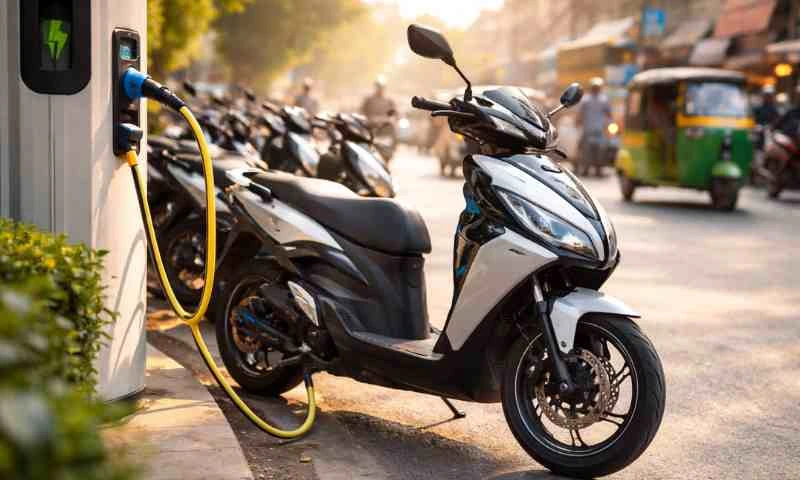
Rising Petrol Prices Drive Surge in Demand for Electric Bikes in Pakistan
As petrol prices continue to climb across Pakistan, consumers are increasingly turning toward electric bikes as a cost-effective alternative for daily commuting. The shift reflects changing mobility trends, especially in urban areas where fuel expenses have become a major burden. Petrol Prices Push Commuters Toward Alternatives Pakistan has witnessed a steady rise in petrol prices in recent months, significantly increasing transportation costs for millions of citizens. This has directly impacted motorcycle users, who rely on fuel for everyday travel. According to reports, this surge has triggered a noticeable rise in interest in electric bikes, with more people exploring options that can reduce their daily expenses. The growing demand is particularly visible among delivery riders, students, and office workers who are most affected by fuel price hikes. Industry observers note that even a small increase in petrol prices can have a large impact on monthly budgets, making electric alternatives more appealing. Electric Bikes Gain Momentum Electric bikes are emerging as a practical solution due to their lower running costs and minimal maintenance requirements. Unlike petrol bikes, they do not require frequent refuelling and can be charged at home, significantly cutting expenses. Manufacturers and dealers have also reported increased inquiries and sales as consumers look for long-term savings. Some companies have even introduced new models and promotional offers to capitalize on the growing demand. Experts say that while the initial cost of electric bikes may be higher, the savings on fuel and maintenance make them more economical over time. Challenges Slowing Adoption Despite the rising interest, several challenges continue to slow the widespread adoption of electric bikes in Pakistan. One major issue is the lack of charging infrastructure, especially outside major cities. Additionally, concerns about battery life, performance, and resale value remain key factors for buyers. Many consumers are still hesitant to switch fully due to limited awareness and uncertainty about long-term reliability. Experts also highlight that electricity supply issues in some areas could pose further challenges for electric vehicle adoption. Government Policy and Future Outlook Pakistan’s National Electric Vehicle Policy aims to increase the share of electric vehicles in the country, targeting 50 percent of two and three-wheelers to be electrified in the coming years. With incentives, subsidies, and local manufacturing initiatives in place, the government is trying to accelerate the transition toward cleaner and more sustainable transport solutions. Industry analysts believe that rising petrol prices will continue to act as a key driver for this shift. As awareness grows and technology improves, electric bikes are expected to become more accessible and widely adopted. A Shift in Urban Mobility The growing demand for electric bikes signals a broader transformation in Pakistan’s transportation landscape. As fuel costs rise and environmental concerns increase, more consumers are rethinking their mobility choices. While challenges remain, the current trend suggests that electric bikes could play a crucial role in shaping the future of urban transport in Pakistan.
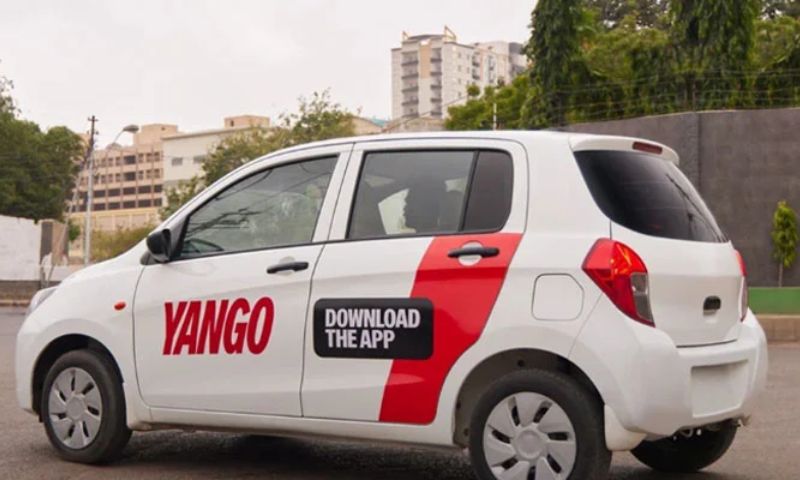
Yango Makes History With First Ride-Hailing License in Punjab
In a significant development for Pakistan’s digital mobility sector, Yango Ride has become the first ride-hailing platform in the country to receive a Transport Network Company operating license from the Punjab Provincial Transport Authority. The approval marks a turning point for the regulation and future growth of ride-hailing services in Pakistan. First to Operate Under New Legal Framework The newly granted license allows Yango Ride to operate under the Provincial Motor Vehicle Amendment Act 2025, which formally regulates ride-hailing services in Punjab. The approval follows months of coordination between Yango and the Punjab Transport Ministry, along with other stakeholders, as authorities worked to establish a structured licensing framework for digital mobility platforms. This move is widely seen as a step toward formalizing a sector that has long operated with limited regulatory clarity. Stronger Oversight and Passenger Safety The new framework is designed to improve transparency and introduce stricter safety and compliance standards. Authorities aim to ensure better verification systems for drivers and stronger protections for passengers. Industry experts believe this could address long-standing concerns about safety, service quality, and accountability in Pakistan’s ride-hailing ecosystem. Yango has also confirmed collaboration with the Punjab Safe City Authority to integrate emergency 15 services into its app, further enhancing rider safety and response mechanisms. Yango Signals Long-Term Commitment Miral Sharif, Country Manager for Yango Pakistan, welcomed the development and emphasized the company’s long-term vision. He said, “We are grateful to the Punjab Transport Authority for granting us the license and appreciate the professionalism demonstrated throughout the process.” He added, “This milestone reflects our commitment to working closely with regulators to support the development of a safer, affordable, and reliable ride-hailing ecosystem in Pakistan.” The company believes the license reinforces its long-term presence in Pakistan and its focus on meeting high regulatory and safety standards. Impact on Pakistan’s Ride-Hailing Industry The approval sets a precedent for other ride-hailing platforms operating in Pakistan, including global and local players. With clearer regulations now in place, companies may be required to align their operations with new compliance standards. This could lead to a more structured and competitive market, benefiting both drivers and passengers. Greater regulatory certainty also reduces the risk of sudden policy disruptions that have historically affected digital platforms. A Boost for Digital Economy and Urban Mobility As urban populations grow and demand for flexible transport increases, regulated ride-hailing services are becoming essential. The licensing framework is expected to support innovation while safeguarding public interests. Yango’s approval sends a positive signal for Pakistan’s broader technology ecosystem, highlighting the government’s willingness to embrace digital platforms under formal regulatory structures. Yango’s license is more than a regulatory milestone. It represents a shift toward a mature, transparent, and safer ride-hailing industry in Pakistan. If implemented effectively, this framework could reshape urban mobility, improve trust in digital platforms, and pave the way for sustainable growth in the country’s gig economy.
