
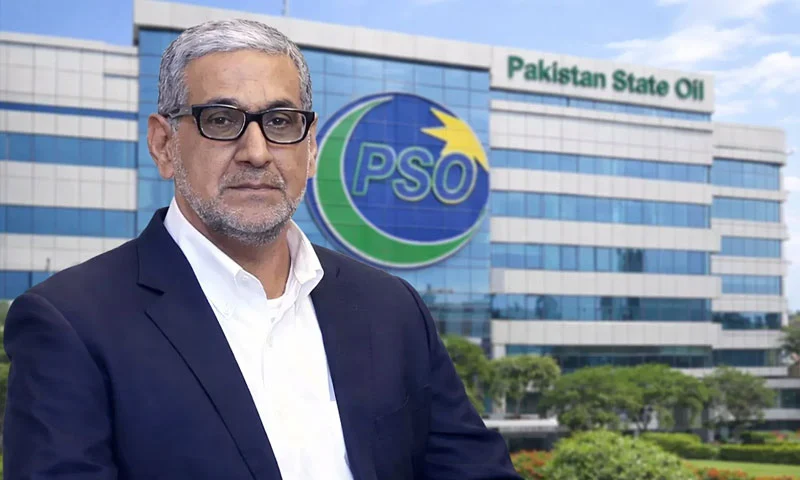
Pakistan State Oil, the country’s largest oil marketing company, has appointed Abdus Sami as its interim chief executive officer following a key leadership change within the energy sector. The development was officially disclosed through a notice submitted to the Pakistan Stock Exchange, confirming the transition at the top level of the organization. According to the company, Abdus Sami will continue to serve in his existing role as Chief Supply Chain Officer while taking on additional responsibilities as interim CEO. His appointment took effect from March 31, 2026, and will remain in place until a permanent chief executive is appointed or further instructions are issued. Leadership Change Linked to K-Electric The appointment comes after Syed Taha, who previously served as Managing Director and CEO of Pakistan State Oil, moved on to take charge as the chief executive of K-Electric. His transition is part of a broader reshuffle within Pakistan’s energy sector. Earlier, Moonis Alvi stepped down from his role as CEO of K-Electric, after which Adeeb Ahmad was appointed as the interim head of the utility. These changes highlight an ongoing phase of restructuring and leadership adjustments across key energy institutions in the country. Experience and Background of Abdus Sami Abdus Sami brings more than two decades of experience in the energy sector, with a strong background in operations, supply chain management, and executive leadership. Over the course of his career, he has worked in both domestic and international markets, gaining expertise in managing complex projects and large-scale operations. He has previously served as Director of Commercial Distribution Operations at Tetra Tech Oil and Gas and has also worked with government and public sector utilities in Pakistan and Nigeria. He holds a Master of Business Administration degree from the Lahore University of Management Sciences, which is regarded as one of Pakistan’s leading business institutions. Importance of Leadership Stability at PSO Pakistan State Oil plays a critical role in the country’s energy ecosystem, handling a major share of fuel imports, storage, and distribution. Any leadership transition at such an institution carries significant importance, especially at a time when Pakistan is dealing with rising global oil prices, supply challenges, and growing domestic demand. The appointment of an experienced internal executive is being seen as a move to ensure continuity in operations while maintaining stability during the transition period. Broader Energy Sector Challenges The leadership changes at Pakistan State Oil and K-Electric come at a time when Pakistan’s energy sector is under pressure from multiple fronts, including circular debt, fluctuating international oil prices, and the need for structural reforms. Experts believe that effective leadership will be crucial in addressing these challenges and improving efficiency across state-owned enterprises. The interim appointment of Abdus Sami is expected to help maintain operational momentum while the company works toward appointing a permanent chief executive.

Bank Alfalah Moves to Sell Bangladesh Business for $47.5 Million
Bank Alfalah Limited has decided to sell its Bangladesh operations for $47.5 million as part of a strategic move to streamline its international presence. The bank’s shareholders approved the transaction, which involves selling its operations to Bank Asia Limited, a Dhaka-based private sector bank. Regulatory Approvals Still Required The deal remains subject to approvals from key regulators, including the State Bank of Pakistan and the central bank of Bangladesh. Officials said the transaction will only be completed after fulfilling all legal and procedural requirements and signing final agreements. A Memorandum of Understanding and term sheet had already been signed earlier as part of the process. Part of a Broader Strategy The sale reflects a broader effort by Bank Alfalah to focus on core markets and improve operational efficiency. The bank has maintained an international footprint across regions such as the UAE, Bahrain and Afghanistan, but has been reviewing its overseas operations in recent years. Analysts say the move could help the bank reallocate capital toward domestic growth and digital banking initiatives. Previous Attempts to Sell Operations Bank Alfalah had been trying to exit the Bangladesh market for some time. Earlier, Sri Lanka’s Hatton National Bank had shown interest in acquiring the unit but later decided not to proceed with the deal. The latest agreement with Bank Asia now appears to have moved the process forward. Banking Sector Context The deal comes at a time when Pakistani banks are reassessing their global operations due to economic pressures and changing regulatory environments. Rising costs, currency challenges and regional market dynamics have pushed banks to prioritise profitability and efficiency. Experts believe that such divestments are becoming more common as financial institutions focus on strengthening their balance sheets. What This Means for Customers For customers in Bangladesh, the transition is expected to be smooth, subject to regulatory approvals. Operations will likely continue under the new ownership, ensuring minimal disruption to banking services. A Shift Toward Focused Growth The sale highlights a shift in strategy for Bank Alfalah as it moves toward a more focused and efficient business model. By exiting smaller international markets, the bank aims to strengthen its position in key regions and adapt to evolving financial conditions.

Netflix Partners With Warner Music for Major Documentary Deal
Netflix and Warner Music Group have announced a multi-year partnership to produce a slate of documentary films and series centered on some of the world’s most iconic and contemporary music artists. The deal reflects a growing push by streaming platforms to tap into music-driven storytelling as a major source of audience engagement. Under the agreement, Netflix will develop “documentary series and films exploring the lives, music and legacies” of Warner Music’s artists, drawing from one of the most extensive music catalogs in the industry. Access to a Legendary Music Catalog The partnership gives Netflix access to Warner Music Group’s vast portfolio, which includes legendary names such as David Bowie, Aretha Franklin, and Fleetwood Mac, alongside global stars like Bruno Mars, Coldplay, and Charli XCX. This broad mix of legacy and modern artists positions the collaboration to appeal to multiple generations of viewers, from longtime fans to younger streaming audiences. Each documentary project will be developed in collaboration with the artists themselves or their estates, ensuring authenticity and deeper storytelling. Read More: Streaming Giant Netflix Crosses 325 Million Subscribers Production Backed by Unigram The deal will be executed through Unigram, a production company aligned with Warner Music, which will serve as the primary studio for long-form content. This structure allows both companies to combine creative control with large-scale production capabilities, ensuring high-quality storytelling across multiple formats. Warner Music Group CEO Robert Kyncl highlighted the potential of the collaboration, stating, “The combination of Warner Music Group’s IP with Netflix’s global reach is an incredible opportunity to introduce new fans to our artists and songwriters all around the world.” Netflix also expressed strong confidence in the partnership. Adam Del Deo, Vice President of Documentary Films and Series, said, “We’ve seen how music inspires incredible fandom on Netflix.” Streaming Platforms Compete for Music Content The deal comes at a time when streaming platforms are increasingly investing in music-based content to drive subscriptions and engagement. Music documentaries have proven highly successful in recent years, with projects such as Beyoncé’s Homecoming and Taylor Swift’s Eras Tour film attracting massive global audiences. Rival platforms including Disney+, Apple Music, and Max have also expanded their music programming, signaling a competitive race to secure exclusive content tied to major artists. Read More: Alex Honnold Free Solos Taipei 101 Live on Netflix in Historic Climb Strategic Move for Growth For Netflix, the partnership strengthens its position as a leading destination for music documentaries, a genre that continues to grow in popularity. For Warner Music, the deal unlocks new ways to monetize its extensive catalog by transforming music history into visual storytelling. The collaboration also reflects a broader shift in the entertainment industry, where intellectual property is increasingly repurposed across multiple formats to maximize reach and revenue.

Iran-US Conflict Could Trigger Major Insurance Claims
Insurance companies that provide coverage for ships, aircraft and political violence risks are preparing for potential losses as the conflict between Iran and the United States escalates across the Middle East. A recent analysis by Moody’s Ratings indicates that while risks are increasing, the global insurance industry is likely to absorb the financial impact unless the conflict becomes prolonged. According to the report, insurers that specialize in marine, aviation and political violence coverage face a greater chance of large claims because military activity has disrupted transportation routes and raised security concerns across the region. “Specialty insurers and reinsurers… face increased likelihood of severe events leading to outsized claims as a result of the Iran conflict,” Moody’s said. The agency also noted that insurers are benefiting from higher prices for certain types of coverage as companies rush to protect assets in the region. Shipping routes face the greatest risk Marine insurers are expected to face the largest exposure because the conflict has severely disrupted shipping through the Strait of Hormuz, one of the most important maritime routes for global energy trade. The waterway normally handles a large share of the world’s oil shipments. However, the conflict has sharply reduced traffic in the region. Moody’s cited data showing that only about five vessels per day passed through the strait during the first eight days of March, compared with a pre-conflict average of roughly 100 daily transits. Insurers have responded quickly to the increased risk. On March 5, several marine insurance providers issued notices canceling or repricing hull and cargo war-risk policies that protect vessels against damage caused by acts of war. One of the biggest concerns for insurers is the possibility that ships could become trapped if the conflict blocks shipping lanes for an extended period. “War risk policies generally include ‘blocking and trapping’ provisions that allow a total loss claim after a prolonged period of detention,” Moody’s explained. Historical examples such as the Iran-Iraq war and the Russia-Ukraine conflict show that such situations can trigger complex claims and legal disputes. Aviation insurers also on alert The aviation insurance sector faces a different but equally serious risk profile. Airspace closures and missile activity across the region have increased the possibility of aircraft being damaged while parked at airports. Insurers are closely monitoring developments as tensions continue. “Airspace closures and missile activity have increased the risk of damage to aircraft on the ground,” Moody’s said. However, analysts say the current situation differs from the insurance crisis that followed the Russia-Ukraine conflict. In that case, nearly 400 aircraft worth more than $10 billion were stranded in Russia, leading to one of the largest aviation insurance disputes in history. Demand surges for political violence insurance Businesses operating in the Gulf region are increasingly purchasing political violence and terrorism insurance, often referred to as PVT cover. These policies protect companies against damage caused by missile strikes, sabotage, terrorism and attacks on infrastructure. Demand has risen sharply as geopolitical tensions increase. “Demand for this cover has been rising in response to the conflict, at significantly increased prices,” Moody’s said. However, claims disputes may arise because many policies exclude acts of war while covering terrorism or civil unrest. Moody’s warned that the distinction between these categories is often contested. “The distinction between war, terrorism and civil commotion is frequently contested,” the report noted. Global insurers expected to withstand the shock Despite the heightened risks, Moody’s believes that large global insurers and reinsurers are likely to manage the financial impact. Their ability to absorb potential losses comes from diversified global portfolios, strict limits on exposure and extensive reinsurance protection that spreads risk across the industry. Analysts say the insurance sector will continue to monitor developments closely as the geopolitical situation evolves. If the conflict escalates further or continues for an extended period, losses could rise significantly across several segments of the global insurance market.
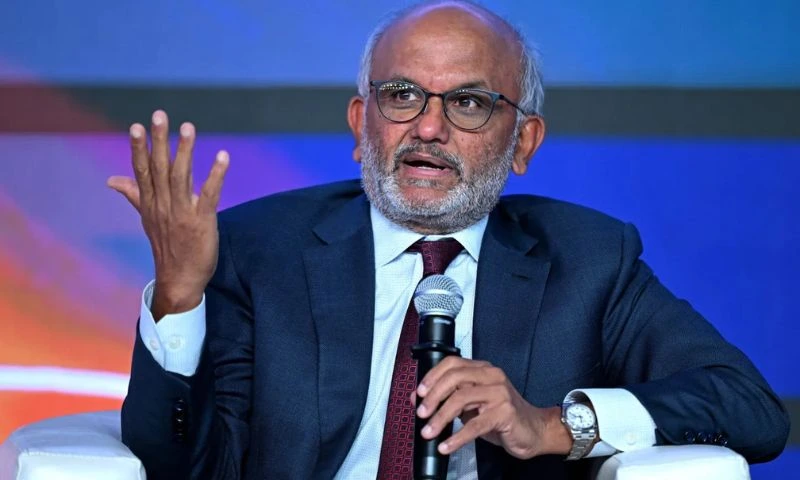
Who Will Replace Adobe CEO Shantanu Narayen After 18 Years?
Adobe has announced a major leadership transition as its long-time chief executive officer Shantanu Narayen prepares to step down after leading the company for 18 years. The San Jose-based technology company confirmed that Narayen will remain in the role until a successor is chosen and will then continue as Chair of the Board to support the leadership transition. The company’s board has already launched the search for the next chief executive. According to Adobe, a special committee will oversee the process of identifying the new leader who will guide the company through its next phase of growth. Adobe’s board has appointed Frank Calderoni, the company’s Lead Independent Director, to head the committee responsible for selecting Narayen’s successor. The committee will consider both internal and external candidates for the role. Calderoni praised Narayen’s contributions during his tenure, saying:“On behalf of the Board, I want to recognize Shantanu’s contributions as CEO and architect of Adobe’s transformation over the past 18 years.” He added that the board is focused on choosing the right leader for the next chapter of Adobe’s growth, particularly as the company moves deeper into artificial intelligence and advanced digital tools. Narayen’s transformational leadership Shantanu Narayen has played a pivotal role in reshaping Adobe since becoming CEO in 2007. Under his leadership, the company shifted from selling boxed software products to a subscription-based cloud model, which significantly expanded its revenue and global reach. Adobe’s flagship products such as Photoshop, Illustrator, Acrobat and Premiere Pro became industry standards in creative and document software. The company also expanded into digital marketing tools and enterprise solutions during Narayen’s tenure. Narayen joined Adobe in 1998 and steadily rose through the ranks before taking the top job nearly two decades ago. His leadership helped Adobe become one of the most influential software companies in the world. A key moment as AI reshapes the industry The leadership transition comes at a crucial time for Adobe as artificial intelligence rapidly transforms the software industry. The company has already begun integrating AI capabilities into many of its products through initiatives such as Adobe Firefly, its generative AI platform. Analysts say the next CEO will likely need strong experience in both artificial intelligence and large-scale digital platforms to maintain Adobe’s competitive edge. Despite stepping down as CEO, Narayen is expected to continue playing an important role in guiding the company during the transition period. What comes next for Adobe Adobe has not yet announced a timeline for naming its next CEO. However, the board’s search process signals that the company is carefully planning its next leadership phase. The decision will be closely watched across the technology sector as Adobe navigates growing competition and the rapidly evolving AI landscape.

Musk Becomes Richest Person Ever With $839 Billion Fortune
A new global wealth ranking has placed tech entrepreneur Elon Musk at the top once again, with an estimated fortune of $839 billion, according to the latest list reported by Forbes. The massive net worth highlights the continued surge in valuation of Musk’s companies and his dominant position in the technology and innovation sector. The latest wealth estimate marks a historic milestone, making Musk the richest individual ever recorded on the Forbes ranking. Musk Tops Global Rich List With $839 Billion The updated list shows that Elon Musk has widened his lead over other billionaires due to the rising value of companies linked to him. These include electric vehicle maker Tesla, aerospace firm SpaceX, artificial intelligence startup xAI, and social media platform X. According to the report, Musk’s wealth has grown rapidly as investors continue to place strong valuations on emerging technologies such as artificial intelligence, space exploration, and advanced robotics. Financial analysts say Musk’s diversified portfolio across several high growth sectors has been a major factor behind his extraordinary rise in wealth. Tesla and SpaceX Drive Wealth Growth Much of Musk’s fortune is tied to his holdings in Tesla, which remains one of the world’s most valuable automotive companies. Tesla’s focus on electric vehicles, battery technology, and autonomous driving systems has attracted global investors and pushed the company’s market capitalization higher. At the same time, SpaceX has become a major driver of Musk’s wealth. The company has achieved significant milestones in reusable rocket technology and satellite deployment through its Starlink project. SpaceX’s valuation has surged in recent years as governments and private organizations increasingly rely on commercial space companies for launches and satellite infrastructure. Expansion Into Artificial Intelligence Another major contributor to Musk’s growing fortune is the rapid expansion of xAI. The company was created to develop advanced artificial intelligence systems and compete with other major AI players. Industry experts say investor enthusiasm around artificial intelligence has boosted valuations for companies working in the field. Musk has repeatedly stated that AI will play a central role in the future of technology. Meanwhile, his ownership of X continues to place him at the center of global debates about digital platforms and online communication. Billionaire Wealth Reaches New Heights The new Forbes rankings highlight a broader trend of rising fortunes among technology entrepreneurs. Companies involved in artificial intelligence, electric mobility, and space technology have seen enormous investor interest. Economic analysts say the rapid growth of digital industries has created unprecedented wealth for founders and early investors. However, the rankings also reflect widening wealth gaps between the world’s richest individuals and the global population. Despite this debate, Musk’s influence in technology, business, and innovation remains unmatched. With ambitious projects ranging from electric vehicles to space exploration and artificial intelligence, Elon Musk continues to shape several industries simultaneously.

Sazgar Engineering Plans Rs1.47 Billion Real Estate Investment in Lahore
Pakistan’s leading automobile assembler Sazgar Engineering Works Limited is planning a major investment in Lahore’s real estate sector, signaling a strategic diversification beyond its rapidly expanding automotive business. The move comes as the company continues to grow strongly in Pakistan’s SUV market and looks for new avenues to deploy its rising profits. Sazgar Plans Major Real Estate Purchase in Lahore According to reports, Sazgar Engineering has decided to acquire a 5.07-kanal commercial plot in Lahore’s Central Business District (CBD) for approximately Rs1.47 billion. The investment was approved by the company’s board of directors as part of its broader business expansion strategy. The Central Business District, also known as CBD Punjab, is one of the most ambitious urban development projects in Lahore. It aims to create a modern financial and commercial hub featuring corporate offices, high rise buildings, and advanced infrastructure. Industry analysts say the purchase indicates that Sazgar is seeking to diversify its asset base while strengthening its presence in Lahore, where the company already operates manufacturing facilities. The real estate investment may also provide long term commercial opportunities as CBD Lahore continues to attract corporate investment. From Rickshaws to SUVs: Sazgar’s Rapid Growth Sazgar Engineering has undergone a remarkable transformation in recent years. The company originally became known for producing three wheelers and auto rickshaws but later expanded into the four wheeler market. A major turning point came after Sazgar partnered with Chinese automaker Great Wall Motor to assemble Haval SUVs locally in Pakistan. The success of models like the Haval H6 significantly boosted the company’s sales and profitability. Financial reports show that Sazgar posted record earnings in the 2024–25 fiscal year. Net profit rose sharply while revenue increased due to strong demand for SUVs and three wheelers in the domestic market. The company’s growing financial strength is widely seen as a key factor enabling new investments outside its core manufacturing business. Expansion Plans in the Auto Sector Continue While investing in real estate, Sazgar continues to expand its automotive portfolio. The company has announced plans to introduce additional vehicles, including hybrid and plug in hybrid SUVs. One of its upcoming projects involves the local assembly of the Tank 500, a large SUV expected to enter the Pakistani market as part of Sazgar’s partnership with Great Wall Motor. Automotive analysts say such investments show that Sazgar is positioning itself as a major player in Pakistan’s evolving auto market, especially as demand grows for technologically advanced SUVs and hybrid vehicles. Real Estate Investment Reflects Long Term Strategy Experts believe Sazgar’s decision to invest in Lahore’s commercial real estate reflects a long term strategy to diversify revenue streams and secure valuable urban assets. CBD Lahore has attracted significant interest from both public and private investors due to its location and modern infrastructure plans. Companies investing early could benefit from rising property values and commercial activity in the area. For Sazgar Engineering, the move represents another step in its transition from a traditional vehicle manufacturer into a diversified corporate group. As Pakistan’s auto sector continues to evolve, the company’s combination of automotive innovation and strategic investment could strengthen its position in multiple industries.

Wild Swings at PSX: What Small Investors Must Know After the 11,000-Point Surge
Pakistan’s stock market staged a dramatic recovery as the KSE-100 Index surged more than 11,000 points, reflecting renewed investor optimism after signals that the ongoing Middle East conflict could soon ease. The sharp rebound came only a day after the market witnessed one of its steepest declines, highlighting the extreme volatility gripping global and local financial markets. Massive Rebound at the Pakistan Stock Exchange Buying activity returned to the Pakistan Stock Exchange (PSX) after US President Donald Trump suggested that the war in the Middle East could end soon. The comments eased fears about a prolonged conflict that had previously shaken global financial markets and triggered panic selling in Pakistan. According to market data, the benchmark KSE-100 Index jumped nearly 8 percent during early trading, gaining more than 9,300 points to hover around 155,783 points shortly after the opening bell. The sharp rally triggered the PSX’s market halt mechanism, which automatically suspends trading when the index moves too quickly in either direction. Such halts are designed to prevent panic buying or selling and allow investors time to reassess market conditions. From Record Drop to Historic Recovery The rebound came just one day after the market suffered a severe crash. On Monday, the KSE-100 Index plunged over 11,000 points, marking one of the largest single-day declines in its history as investors reacted to escalating tensions in the Middle East and soaring oil prices. Global investors feared that the conflict could disrupt energy supplies and push oil prices above $100 per barrel, raising inflation risks worldwide. The situation triggered a wave of risk-off sentiment across markets. However, sentiment improved after remarks suggesting a possible end to the conflict. Global markets also reacted positively, with Asian stocks rebounding and oil prices falling sharply as investors reassessed the geopolitical outlook. Global Conflict Driving Market Volatility The recent turbulence in financial markets stems largely from the escalating conflict involving Iran and Western allies. The crisis has disrupted energy markets and shipping routes, including the vital Strait of Hormuz, through which a significant portion of the world’s oil supply passes. Rising oil prices and geopolitical uncertainty have historically triggered volatility in emerging markets like Pakistan. Analysts warn that prolonged instability could increase inflation, weaken currencies, and slow economic growth across many developing economies. How Small Investors Should Protect Themselves While the market rally may appear encouraging, experts caution that daily swings of thousands of points indicate a highly unstable environment. For ordinary investors, this means exercising caution. Financial analysts recommend that retail investors avoid panic buying during sharp rallies or panic selling during declines. Instead, they suggest focusing on long-term fundamentals and diversified portfolios. Market strategist AAH Soomro previously warned that geopolitical risks and rising oil prices could threaten macroeconomic stability if tensions persist. Experts advise small investors to follow several basic strategies: Avoid investing all capital at once during volatile periods Diversify investments across multiple sectors Focus on fundamentally strong companies Keep a portion of funds in cash to manage sudden market downturns These measures can help investors protect themselves during periods when markets react strongly to geopolitical developments. Outlook for Pakistan’s Stock Market Despite the recent volatility, analysts believe Pakistan’s equity market still has strong long-term potential. Economic reforms, improving macroeconomic indicators, and rising investor participation could support growth once global tensions ease. However, the recent swings at the PSX highlight how closely Pakistan’s financial markets are tied to global events. For now, investors remain cautious as geopolitical developments continue to shape market sentiment.
SBP Holds Interest Rate at 10.5%: Who Wins and Who Loses in Pakistan’s Economy?
Pakistan’s central bank has decided to keep the key policy rate unchanged at 10.5 percent, a move that signals caution amid geopolitical tensions and lingering inflation risks. While the decision helps maintain economic stability, experts say it creates clear winners and losers across the economy, affecting borrowers, savers, investors, and businesses differently. Why the State Bank Held the Rate The Monetary Policy Committee of the State Bank of Pakistan (SBP) opted to maintain the policy rate at 10.5 percent, citing risks to inflation and uncertainty in global markets, particularly due to tensions in the Middle East that could push energy prices higher. SBP Governor Jameel Ahmad said the decision was taken to maintain price stability while supporting economic recovery. According to the central bank, inflation has eased but remains sensitive to global commodity prices and domestic demand. Headline inflation stood at around 5.6 percent in late 2025, but core inflation remains higher at about 7.4 percent, indicating persistent price pressures. The central bank expects Pakistan’s economy to grow between 3.75 percent and 4.75 percent in FY2026, driven by stronger domestic demand and industrial activity. However, analysts warn that rising oil prices due to geopolitical tensions could push inflation back up in the coming months. Who Benefits from the Decision? 1. Banks and Financial Institutions Banks are among the biggest beneficiaries of relatively high interest rates. Higher policy rates typically translate into stronger profit margins on lending and government securities. Financial analysts note that banks earn significant returns by investing in government treasury bills and bonds. When interest rates remain elevated, those investments generate higher yields, boosting banking sector profitability. 2. Savers and Fixed-Income Investors People who keep money in savings accounts, term deposits, or national savings schemes also benefit. Higher interest rates allow depositors to earn better returns on their savings, protecting purchasing power against inflation. For pensioners and conservative investors who rely on fixed-income returns, the SBP’s decision helps maintain stable income. 3. The Pakistani Rupee and External Stability Economists also say a relatively high policy rate helps support the currency and control inflation. Maintaining positive real interest rates is part of Pakistan’s commitments under its IMF-supported economic program, which encourages cautious monetary policy. Higher interest rates can attract foreign portfolio investment into local bonds and help stabilize the rupee. Who Faces the Biggest Disadvantages? 1. Businesses and Industrial Borrowers Businesses that rely on bank financing face the biggest challenge when rates stay high. Loans for working capital, expansion, or new projects remain expensive. Industry groups argue that borrowing costs above 10 percent discourage investment, particularly for small and medium enterprises. 2. Consumers and Homebuyers Higher interest rates also make consumer financing, auto loans, and mortgages more expensive. This reduces demand for big-ticket purchases such as cars and homes. In Pakistan, the housing and automobile sectors are particularly sensitive to interest rate movements. 3. Government Debt Costs While high rates support macroeconomic stability, they also increase the government’s debt servicing costs. Pakistan already spends a large share of its budget on interest payments, and elevated borrowing costs can strain fiscal resources. What Experts Expect Next Many economists believe the central bank may hold the rate steady for several months to observe inflation trends and global developments. Analysts surveyed by Reuters earlier expected the SBP to maintain the rate at 10.5 percent due to uncertainty over energy prices and inflation outlook. If inflation remains under control and external risks ease, gradual rate cuts may return later in the year to support investment and growth. For now, the SBP appears to be prioritizing economic stability over rapid stimulus, a balancing act that continues to shape Pakistan’s recovery path.
TPL Corp Signs Deal to Sell TPL Insurance to Jazz International
Pakistan’s technology and services group TPL Corp has signed a Share Purchase Agreement with Jazz International Holding Limited for the sale of its subsidiary TPL Insurance Limited, marking a significant development in the country’s insurance and financial services industry. The agreement was approved by the board of TPL Corp during a meeting held on December 17, 2025 and was later disclosed through a notice submitted to the Pakistan Stock Exchange. The company confirmed that the transaction will proceed once all necessary regulatory and legal approvals are obtained. The deal is expected to transfer shares and control of TPL Insurance to Jazz International, strengthening the presence of telecom backed digital companies in Pakistan’s financial services sector. Deal Follows Earlier Approval in 2025 The latest agreement follows an earlier in-principle approval announced in September 2025 when TPL Corp indicated that a strategic investor could acquire shares and control of its insurance subsidiary. Initially, the potential buyer was identified as VEON Group Holding Company Ltd or its affiliates. However, an addendum later confirmed Jazz International Holding Limited as the final acquiring entity. The announcement was made by Arif Habib Limited, which is acting as the manager to the offer in the transaction. Jazz International is part of the global telecom group VEON Ltd, a Nasdaq listed digital operator headquartered in Dubai that operates across several emerging markets. Ownership Structure of TPL Insurance TPL Insurance is a subsidiary of TPL Corp, which currently holds a majority stake of 52.87 percent in the company. Other major shareholders include the Finnish Fund for Industrial Cooperation with 17.02 percent and Entwicklungsgesellschaft MBH with 15.87 percent ownership. The insurer has a paid-up capital of 198.39 million shares and reported total assets of around Rs8.46 billion as of June 2025. Shareholders’ equity stood at approximately Rs2.68 billion. Financial disclosures also indicated that the company recorded a loss of Rs12 million during the first half of 2025, compared with a profit of Rs72 million in the previous year. Expansion of Digital and Financial Services Analysts view the acquisition as part of a broader strategy by telecom companies to expand beyond traditional connectivity services into financial technology and digital ecosystems. VEON already has a strong presence in Pakistan through Pakistan Mobile Communications Limited, which operates under the brand Jazz and serves more than 70 million mobile subscribers across the country. By entering the insurance sector through the acquisition of TPL Insurance, Jazz International could integrate insurance products into its digital platforms and mobile services. Industry experts say such cross-sector collaborations are becoming more common as telecom companies leverage their large customer bases to offer financial services including payments, insurance and lending. Next Steps and Regulatory Approval Despite the board’s approval and the signing of the Share Purchase Agreement, the transaction is not yet complete. The acquisition will only be finalized after securing all necessary approvals from regulators and authorities under applicable laws. TPL Corp has stated that it will continue to update shareholders as the process moves forward and further developments occur. If completed, the deal could reshape Pakistan’s insurance landscape by bringing one of the country’s largest telecom backed digital groups into the sector.
