
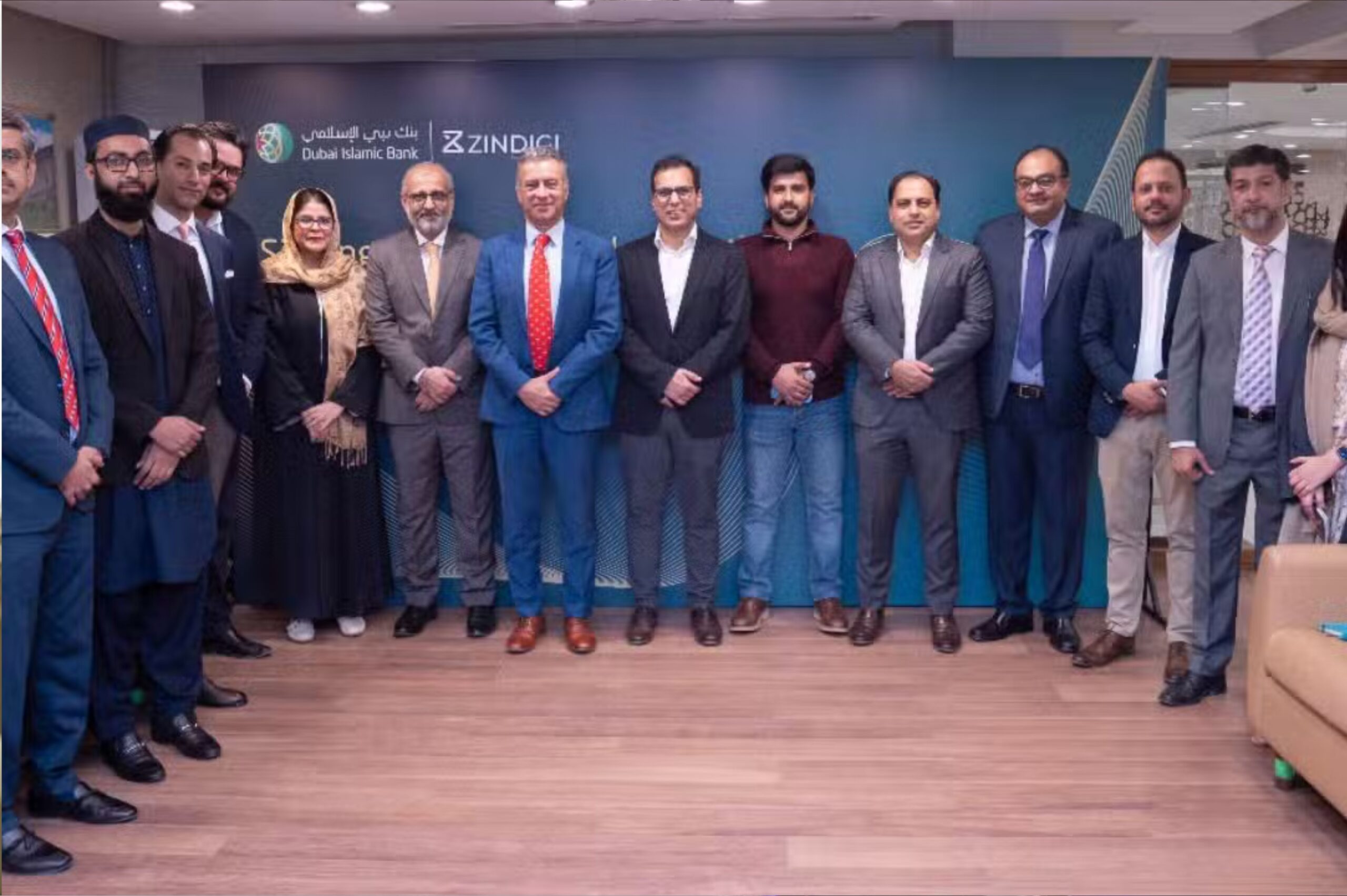
Karachi, December 29, 2025 — Pakistan’s digital banking landscape took a notable step forward as Dubai Islamic Bank Pakistan announced a strategic partnership with Zindigi, the digital banking platform owned by JS Bank, aimed at expanding Shariah-compliant and technology-driven financial services across the country. Under the agreement, DIB Pakistan will provide a Current Account facility for Zindigi, allowing users to operate the account directly through the Zindigi app. This integration means customers can access Islamic banking services seamlessly within a fully digital environment, without the need for physical branch visits. The move reflects a broader shift in Pakistan’s banking sector, where digital-first solutions are increasingly being adopted to meet the needs of a young, mobile-savvy population. Speaking at the signing, DIB Pakistan CEO Muhammad Ali Gulfaraz described the collaboration as a natural extension of the bank’s commitment to innovation and ethical finance. He noted that partnering with a fast-growing digital platform like Zindigi allows DIB to extend its reach while maintaining Shariah principles and customer-centric values. Industry observers see this as part of a wider trend among Islamic banks to integrate with fintech and neobank-style platforms to remain competitive. Zindigi’s Chief Officer, Noman Azhar, said the partnership introduces a fully Shariah-compliant offering within Zindigi’s ecosystem, giving customers greater choice in how they manage their finances. He emphasised that faith-aligned banking should be accessible, transparent, and digitally seamless especially at a time when consumers are increasingly looking for alternatives that match both their values and lifestyle. The collaboration is designed as a scalable and future-ready platform, with plans to expand into additional digital financial products over time. Analysts suggest this could include payments, savings, financing, and other value-added services tailored to underserved and digitally inclined segments of the population. Pakistan has seen rapid growth in branchless banking and digital wallets over the past few years, driven by smartphone penetration, regulatory support, and demand for convenient financial access. By combining DIB Pakistan’s expertise in Islamic banking with Zindigi’s digital infrastructure, the partnership aims to accelerate financial inclusion while strengthening trust in digital Islamic finance. As competition intensifies in Pakistan’s fintech space, collaborations like this are increasingly viewed as essential for banks seeking relevance in a fast-evolving market. The agreement underscores a shared ambition to modernise banking in Pakistan by blending compliance, innovation, and accessibility and it signals how traditional financial institutions and digital platforms are reshaping the future of money management in the country.
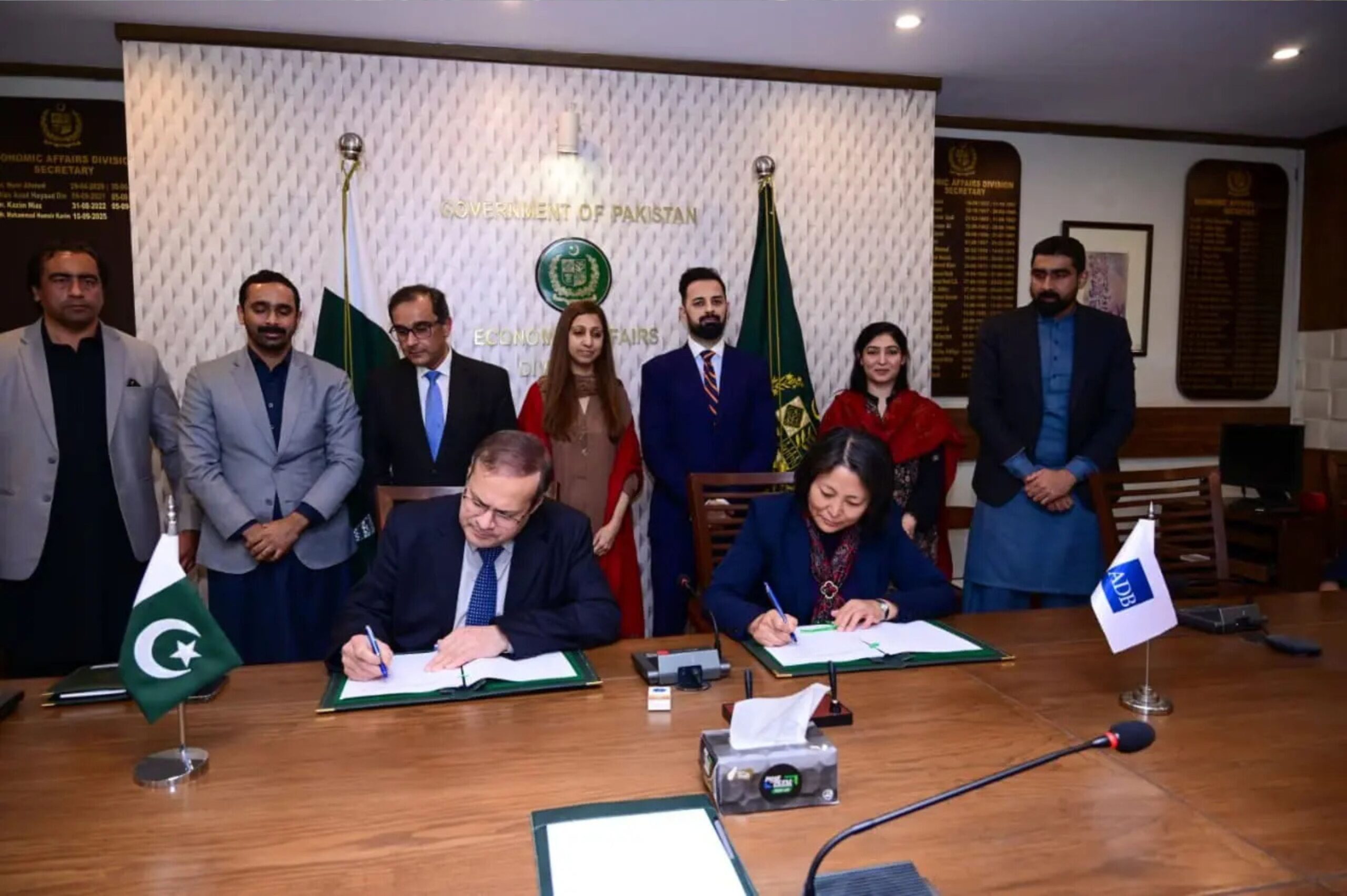
Pakistan, ADB Sign $730m Deal to Boost Power Grid and Reform SOEs
Pakistan has taken another significant step toward stabilising its economy and modernising critical infrastructure after signing two major financing agreements worth $730 million with the Asian Development Bank. The agreements, signed on Thursday, aim to strengthen the country’s power transmission system and accelerate long-delayed reforms in state-owned enterprises, areas seen as central to Pakistan’s long-term economic recovery. According to officials, the financing package includes the Second Power Transmission Strengthening Project valued at $330 million and the Accelerating State-Owned Enterprise Transformation Programme amounting to $400 million. The deals were signed by the Ministry of Economic Affairs on behalf of the government, reinforcing Islamabad’s push to pair infrastructure upgrades with governance reforms. Secretary Economic Affairs Muhammad Humair Karim described the initiatives as “transformative,” noting that the transmission project will allow the national grid to evacuate around 2,300 megawatts of electricity from upcoming hydropower projects. He said the project would also ease pressure on overloaded transmission lines and improve the system’s resilience during emergencies, helping Pakistan better integrate affordable and clean energy into its power mix. Karim added that the SOE transformation programme would strengthen compliance with the SOE Act 2023 and the government’s broader SOE Policy, while improving operational efficiency across the sector. A key focus will be on reforming the National Highway Authority, long criticised for inefficiencies and financial losses. “The transmission project will secure Pakistan’s energy future, while the SOE programme will enhance transparency, efficiency and sustainability nationwide,” he said. ADB Country Director Emma Fan echoed that sentiment, saying the power transmission project is vital for reinforcing Pakistan’s energy backbone at a time when demand is rising and clean energy capacity is expanding. She also stressed that SOE reforms come at a critical juncture and will support the government’s broader economic stabilisation agenda. The agreements build on earlier cooperation between Pakistan and ADB. At the start of the year, the bank committed $200 million to improve the country’s struggling power distribution networks, and just last month approved additional loans to support a major transmission line linking Islamabad with Faisalabad, Punjab’s industrial hub. Social media reaction to the latest deal has been largely positive, with analysts and energy experts calling it a necessary move to unlock hydropower potential and rein in losses from inefficient state firms. Many see the twin focus on energy infrastructure and governance reform as a signal that Pakistan is attempting deeper, more structural fixes rather than short-term relief.
Pakistan, Bangladesh Move to Strengthen Tax Cooperation for Trade and Investment
Pakistan and Bangladesh have taken a fresh step toward strengthening economic ties by agreeing to enhance cooperation on tax dispute resolution, taxpayer facilitation, and institutional coordination. Officials from both sides say the move is aimed at creating a fairer, more transparent tax environment that can support growing trade and investment between the two countries. The understanding was reached during a meeting in Islamabad, where a delegation from Bangladesh’s National Board of Revenue met senior officials of Pakistan’s Federal Tax Ombudsman at the FTO Secretariat. The Bangladeshi delegation was led by Md. Lutful Azeem and included senior officials dealing with tax administration, policy, international agreements, and income tax enforcement. Federal Tax Ombudsman Zafar-ul-Haq Hijazi warmly welcomed the visiting delegation and underscored the importance of sustained and meaningful cooperation between the two countries. He shared the vision and future priorities of the FTO institution, highlighting its role in ensuring accountability, improving institutional efficiency, and providing timely relief to taxpayers facing grievances. Hijazi noted that effective tax systems play a crucial role in building investor confidence and facilitating cross-border trade. He expressed optimism that closer engagement between the two institutions would not only improve taxpayer services but also strengthen broader bilateral relations between Pakistan and Bangladesh. During the meeting, Advisor (Customs) Dr. Arslan Subuctageen delivered a detailed presentation on the functional framework of the Federal Tax Ombudsman. He explained the FTO’s mandate, objectives, and procedures, while also sharing performance indicators that reflect the institution’s focus on transparency, efficiency, and taxpayer facilitation. The presentation gave the Bangladeshi delegation an in-depth look at how Pakistan handles tax-related complaints and dispute resolution. Both sides also discussed practical avenues for future collaboration. These include sharing best practices, improving institutional coordination, and developing more effective mechanisms for resolving tax disputes. Officials said such cooperation would help reduce friction for businesses and individuals, making it easier to operate across borders. By working together on tax administration and dispute resolution, Pakistan and Bangladesh aim to promote a more predictable and business-friendly environment. Observers say the initiative could play a supportive role in boosting bilateral trade and attracting investment, while also improving the overall experience of taxpayers in both countries.
