
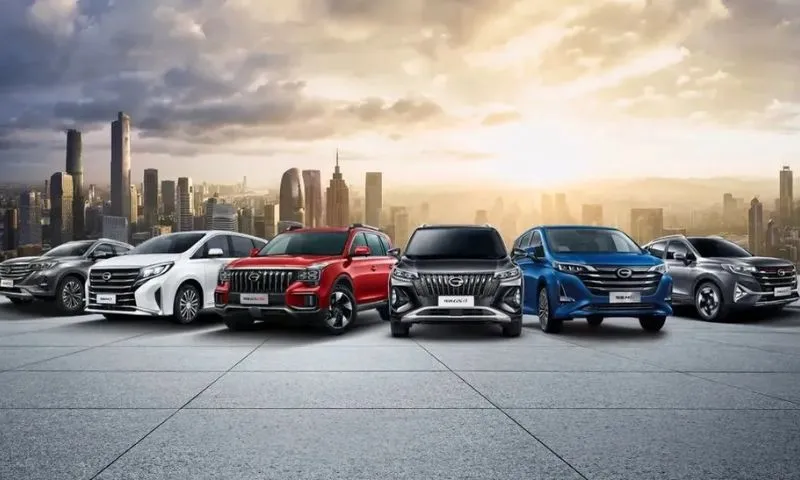
Lucky Motor Corporation has entered into a strategic and exclusive partnership with GAC Group, a major Chinese automotive giant, in a move that is expected to reshape Pakistan’s automobile sector and accelerate the shift toward electric vehicles. The agreement gives Lucky Motor the exclusive rights to introduce GAC’s new energy vehicle brands in Pakistan, marking a significant expansion of its portfolio beyond existing partnerships with Kia and Peugeot. Strategic Partnership Expands Auto Portfolio Under the agreement, Lucky Motor will introduce GAC’s globally recognised electric vehicle brands, including Aion and Hyptec, into the Pakistani market. GAC Group is a Fortune 500 company that has consistently ranked among the top automotive manufacturers in China and has led vehicle quality rankings for several years. The partnership significantly strengthens Lucky Motor’s global lineup, which already includes Korean and European brands, positioning the company as a diversified player in Pakistan’s automotive market. “This collaboration allows us to bring quality-centric world-class vehicles to Pakistani consumers,” said CEO Muhammad Faisal. Read More: Kia Pakistan Ends Fuel Confusion, Says Skip High-Octane and Save Money Focus on Electric Vehicles and Advanced Technology A major focus of the partnership is the introduction of new energy vehicles, particularly electric vehicles equipped with advanced battery technologies. GAC’s ecosystem includes battery development, vehicle manufacturing and recycling systems, allowing it to offer integrated and sustainable mobility solutions. The company’s proprietary battery platforms, including next-generation solid-state batteries, are designed to improve safety and efficiency while supporting long-term sustainability. Officials said the collaboration will enable Pakistan to access: Advanced electric vehicle technology Battery swapping infrastructure Sustainable mobility solutions “This strategic partnership will enable LMC to offer Pakistani consumers robust build quality and competitively priced NEVs,” the company said. Pakistan Positioned as a Growth Market GAC officials described Pakistan as an important emerging market with strong growth potential. Wang Shunsheng, a senior GAC executive, said the company sees long-term opportunities in the country and plans rapid expansion. “Pakistan is an important growth market… we are committed to expanding rapidly,” he said. The partnership is expected to bring new investment, technology transfer and industry development, strengthening Pakistan’s automotive ecosystem. Impact on Consumers and Market Competition For Pakistani consumers, the partnership could mean greater access to modern, fuel-efficient and electric vehicles at competitive prices. With rising fuel costs and increasing environmental concerns, electric vehicles are becoming more attractive as an alternative to traditional petrol and diesel cars. The entry of GAC is also expected to increase competition in the local market, potentially leading to: Better pricing options Improved vehicle quality More technology-driven features This could challenge existing automakers and push the industry toward innovation. Read More: Want a Hybrid Car for Rs3 Million? Here Are the Best Choices in Pakistan Boost to Industry, Jobs and Local Manufacturing The agreement is also expected to support local manufacturing and job creation. Lucky Motor already operates a modern assembly plant in Pakistan, and the addition of GAC vehicles could expand production capacity and localisation efforts. Chairman Muhammad Ali Tabba said the partnership reflects a long-term vision for industrial growth. “This collaboration is of strategic importance… it reflects our long-term commitment to industrial growth, technology transfer,” he said. Experts believe such partnerships can strengthen Pakistan’s position in the regional automotive supply chain. A Step Toward Sustainable Mobility The partnership signals a broader shift toward sustainable transport solutions in Pakistan. With global trends moving toward electric mobility, the introduction of advanced EVs and battery systems could help reduce reliance on imported fuel and lower emissions. Industry analysts say this move aligns with global efforts to transition to cleaner energy and modern transportation systems.
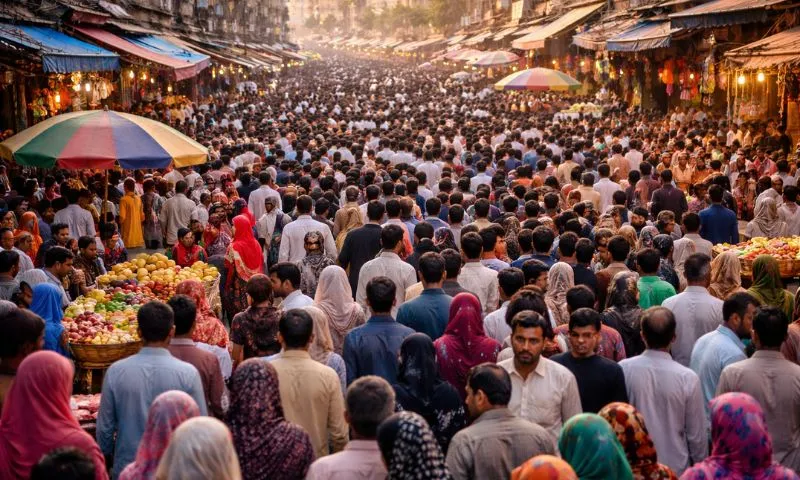
Pakistan Could Become World’s 4th Most Populous Country in 5 Years
Pakistan could rise to become the world’s fourth most populous nation within the next five years, according to officials and demographic projections, highlighting growing concerns over rapid population expansion and its impact on the country’s future. Rapid Growth Could Change Global Rankings Pakistan is currently the fifth most populous country in the world, with a population exceeding 240 million. Health authorities have warned that if the current growth trend continues, Pakistan could surpass countries like Indonesia to become the fourth most populous nation globally within five years. Officials have linked this trajectory to persistently high fertility rates and limited progress in population control measures. Population Expanding at Alarming Pace Experts say Pakistan’s population is increasing by around four to five million people every year, placing immense pressure on resources and infrastructure. The country’s population has already crossed 241 million and is projected to exceed 300 million within the next five years if current trends persist. This rapid growth rate is among the highest in South Asia, raising concerns among policymakers and development experts. Strain on Economy, Resources and Services The growing population is increasingly being seen as a major challenge for Pakistan’s economy and development planning. Experts warn that unchecked population growth could worsen unemployment, strain healthcare and education systems, and increase poverty levels. The pressure is already visible in multiple sectors, including food security, housing, water availability and job creation, with demand outpacing supply in many areas. Call for Urgent Policy Action Officials and experts have stressed the need for urgent action to manage population growth through improved family planning, education and awareness programmes. They emphasised that better access to reproductive health services, female education and economic empowerment are key to slowing population growth. Without immediate intervention, analysts warn that Pakistan’s development goals and economic stability could face serious setbacks. Population as Opportunity or Challenge While some policymakers argue that a large population can be an economic asset if properly managed, many experts caution that without effective planning, it could become a long-term liability. International organisations such as the United Nations Population Fund have also urged Pakistan to integrate population management into national planning to ensure sustainable development. A Defining Challenge for the Future The prospect of becoming the fourth most populous country underscores the urgency of addressing population dynamics. With millions being added each year, Pakistan faces a critical moment where policy decisions made today will determine whether population growth becomes a driver of economic strength or a source of persistent challenges.

New York Times Fires Freelancer for Using AI in Book Review
The New York Times has ended its relationship with a freelance journalist Alex Preston after it emerged that artificial intelligence was used to help write a book review that contained similarities to previously published work. The case has reignited debate around the role of AI in journalism and the ethical boundaries of its use in editorial content. The issue came to light when a reader noticed striking similarities between a review published in January and an earlier critique of the same book. The review in question focused on Watching Over Her by Jean-Baptiste Andrea and raised concerns over overlapping language and descriptions. Investigation Reveals AI-Assisted Writing Following the complaint, the publication launched an internal investigation. During the process, the writer admitted to using an AI tool to assist in drafting the review. According to the findings, the tool incorporated material from another published review, which was not properly identified or removed before submission. An editor’s note was later added to the review acknowledging the issue. It stated that the use of AI and inclusion of unattributed material constituted a breach of editorial standards. Journalist Issues Apology The freelance writer acknowledged the mistake and expressed regret over the incident. In a statement, he said he was “hugely embarrassed” and admitted that he had “made a serious mistake” in relying on AI during the drafting process. He further clarified that he had not used AI in his previous work for the publication and had immediately taken responsibility after the issue was identified. Overlap With Existing Review Raises Concerns The controversy centered on similarities between passages in the published review and an earlier critique of the same book. Descriptions of characters and thematic conclusions appeared closely aligned, raising concerns about originality and attribution. The publication subsequently informed the outlet where the original review appeared and updated its own article to reflect the issue. Growing Debate Over AI in Journalism The incident highlights increasing concerns within the media industry about the use of artificial intelligence in content creation. While AI tools are becoming more common, experts warn that unsupervised use can lead to issues such as plagiarism, factual inaccuracies, and erosion of trust. The case also underscores the importance of maintaining strict editorial standards as news organizations adapt to rapidly evolving technology. A Broader Industry Challenge The controversy comes at a time when publishers and media organizations worldwide are grappling with how to regulate AI use. From book publishing to journalism, the rise of AI-generated content has raised questions about authorship, originality, and accountability. For major publications, maintaining credibility remains paramount, and this case serves as a reminder of the risks associated with relying on automated tools without proper oversight.

Global Shift: Women Becoming Key Earners in Modern Economy
A major social and economic shift is underway across the world as women’s earnings and financial independence continue to rise, driven by increased participation in the workforce, entrepreneurship, and education. The trend, highlighted in recent social media discussions and supported by global data, shows that more women are not only working but also contributing significantly to household incomes and national economies. Sharp increase in women joining workforce Global data indicates that women’s participation in the workforce has been steadily improving, with women now making up over 41 percent of the global workforce in 2024. In several regions, women have accounted for a large share of new job creation. In parts of Europe, for example, women made up nearly 68 percent of new employment over two decades, reflecting a strong upward trend. This rise is being driven by factors such as better access to education, digital opportunities, and shifting cultural norms that increasingly support women working outside the home. Women’s income contribution increasing globally As more women join the workforce, their contribution to global income is also growing. Recent estimates show that around 1.4 billion women are now employed worldwide, contributing significantly to economic output, although gaps with male earnings still remain. In developed economies, women contribute up to 40 percent of export-related economic value, underlining their expanding role in global trade and industry. Experts say this growth is not only empowering women but also boosting overall economic development, as increased female participation directly contributes to GDP growth. Rise of women entrepreneurs and self-employment Another key driver behind rising earnings is the rapid growth in women-led businesses and self-employment. In countries like India, female self-employment has surged significantly in recent years, reflecting a shift toward financial independence and entrepreneurship. Digital platforms, freelancing, and online businesses have also opened new income streams for women, particularly in developing countries where traditional job opportunities may be limited. Changing social dynamics and household roles The rise in women’s earnings is also transforming household dynamics. In many families, women are now major contributors or even primary earners, changing long-standing gender roles. This shift is helping improve decision-making power for women within households and society. Recent reports also show that in some economies, women are beginning to outnumber men in certain sectors of employment, reflecting a structural shift in labor markets. Challenges remain despite progress Despite the positive trend, significant challenges still exist. Globally, women are still less likely to be employed than men, with participation rates just above 50 percent compared to around 80 percent for men. A large proportion of women also work in informal sectors, where job security and income stability are limited. Nearly 60 percent of women’s employment globally falls into this category. The gender pay gap also persists, meaning that even as women earn more than before, they still earn less than men on average. A turning point for women’s economic empowerment Experts describe the current trend as a turning point in global economic history. As more women gain financial independence, the long-term impact is expected to extend beyond individual households to entire economies, potentially adding trillions of dollars to global GDP if gender gaps continue to close. The rising earnings of women signal not just economic progress but also a broader transformation in social structures, where financial empowerment is increasingly becoming a key pillar of gender equality.

55-Year-Old Chinese Tycoon Marries 25-Year-Old Lover With $7.3M Dowry
A 55-year-old Chinese businesswoman has triggered widespread debate after marrying her much younger partner and reportedly offering him a dowry worth millions, in a story that has captured attention across social media and news platforms. From Rural Hardship to Business Empire Yu Wenhong, a self-made entrepreneur from Dalian in Liaoning province, was born into a modest family and faced financial struggles early in life. After her father’s death, she began working at just 18 to support her mother and younger brother. She started her career as an eyebrow tattoo technician before gradually building her own beauty salon business. Over time, she expanded into the fast-growing medical aesthetics industry, which focuses on non-surgical cosmetic treatments aimed at improving appearance and skin health. In 2004, Yu founded the Hong Kong-based Young Merry Real International Group. Within a year, the company had expanded to more than 150 partner outlets, marking the rise of a significant beauty empire. Her success story has often been portrayed online as a classic “rags to riches” journey, with Yu promoting financial independence and self-reliance. She once said, “Women must earn money to achieve happiness,” and added, “Men are unreliable. Only the money you earn yourself is truly dependable.” Lavish Marriage Sparks Online Debate In March 2026, Yu married her 25-year-old partner, Liu Yuchen, reportedly presenting him with a dowry worth 50 million yuan, approximately $7.3 million. The dowry reportedly included cash, property, and luxury cars, highlighting the scale of wealth involved in the union. The couple met in 2025, with Liu previously working as a model associated with Yu’s company. Their relationship quickly drew public attention, especially due to the 30-year age gap. Social media reactions have been mixed. Some users described the relationship as a “gender-reversed version of a rich man marrying a young female influencer,” while others questioned the motivations behind the marriage. One online comment read, “Everyone is playing to their strengths.” Another said, “I hope she signed a solid prenuptial agreement.” A Controversial Public Figure Yu’s personal life has also attracted attention over the years. Reports indicate this is her sixth marriage. She was previously in a long-term relationship with a younger partner and has children from earlier relationships. Her business career has not been without controversy either. In 2022, she faced allegations of concealing billions of yuan in income and evading significant taxes, adding to her polarising public image. Additionally, some treatments offered by her company have drawn criticism, including procedures lacking strong scientific backing. A Story That Reflects Changing Social Norms The marriage has reignited discussions in China about wealth, gender roles, and age differences in relationships. Many observers see it as a reversal of traditional dynamics, where wealthy older men typically marry younger women. Despite the controversy, Yu’s journey from poverty to building a multimillion-dollar business remains a central part of her public identity, making her one of the most talked-about personalities in China’s beauty industry today.
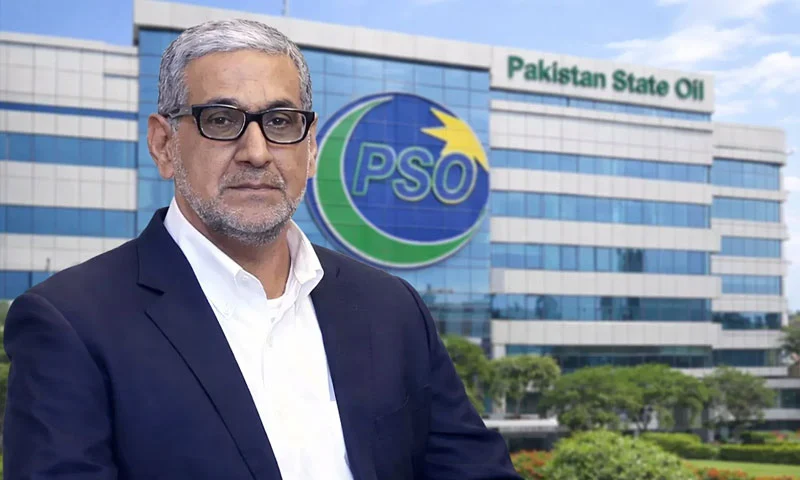
PSO Appoints Abdus Sami as Interim CEO After Leadership Move to K-Electric
Pakistan State Oil, the country’s largest oil marketing company, has appointed Abdus Sami as its interim chief executive officer following a key leadership change within the energy sector. The development was officially disclosed through a notice submitted to the Pakistan Stock Exchange, confirming the transition at the top level of the organization. According to the company, Abdus Sami will continue to serve in his existing role as Chief Supply Chain Officer while taking on additional responsibilities as interim CEO. His appointment took effect from March 31, 2026, and will remain in place until a permanent chief executive is appointed or further instructions are issued. Leadership Change Linked to K-Electric The appointment comes after Syed Taha, who previously served as Managing Director and CEO of Pakistan State Oil, moved on to take charge as the chief executive of K-Electric. His transition is part of a broader reshuffle within Pakistan’s energy sector. Earlier, Moonis Alvi stepped down from his role as CEO of K-Electric, after which Adeeb Ahmad was appointed as the interim head of the utility. These changes highlight an ongoing phase of restructuring and leadership adjustments across key energy institutions in the country. Experience and Background of Abdus Sami Abdus Sami brings more than two decades of experience in the energy sector, with a strong background in operations, supply chain management, and executive leadership. Over the course of his career, he has worked in both domestic and international markets, gaining expertise in managing complex projects and large-scale operations. He has previously served as Director of Commercial Distribution Operations at Tetra Tech Oil and Gas and has also worked with government and public sector utilities in Pakistan and Nigeria. He holds a Master of Business Administration degree from the Lahore University of Management Sciences, which is regarded as one of Pakistan’s leading business institutions. Importance of Leadership Stability at PSO Pakistan State Oil plays a critical role in the country’s energy ecosystem, handling a major share of fuel imports, storage, and distribution. Any leadership transition at such an institution carries significant importance, especially at a time when Pakistan is dealing with rising global oil prices, supply challenges, and growing domestic demand. The appointment of an experienced internal executive is being seen as a move to ensure continuity in operations while maintaining stability during the transition period. Broader Energy Sector Challenges The leadership changes at Pakistan State Oil and K-Electric come at a time when Pakistan’s energy sector is under pressure from multiple fronts, including circular debt, fluctuating international oil prices, and the need for structural reforms. Experts believe that effective leadership will be crucial in addressing these challenges and improving efficiency across state-owned enterprises. The interim appointment of Abdus Sami is expected to help maintain operational momentum while the company works toward appointing a permanent chief executive.

The End of “Old Social Media”? What’s Replacing It Now
Social media is not shrinking. It is evolving. More than 5.2 billion people now use social platforms globally, representing over 60% of the world’s population. Yet beneath that scale, a deeper shift is underway. The way people use social media today looks very different from even a few years ago. Time Spent Online Is Changing Not Declining The first major shift is how people spend time online. Globally, users still average about 2 hours and 20 minutes per day on social media. But this time is no longer evenly distributed. Younger users now dominate engagement. Gen Z, in particular, spends significantly more time online, with some estimates suggesting up to five hours daily. Older users, by contrast, are becoming more selective. This shift is reshaping content strategies. Platforms now prioritize fast, engaging formats that capture attention instantly, especially for younger audiences. Platform Fragmentation Is Reshaping the Landscape Social media is no longer controlled by a few dominant apps. Instead, audiences are spreading across multiple platforms. According to Pew Research Center, platforms like YouTube and Facebook still have mass reach, but TikTok, Reddit, and WhatsApp are growing steadily. Recent data shows: TikTok usage up by around 21% WhatsApp up by 23% Reddit up by 18% This fragmentation means users no longer rely on a single platform. Instead, they move between apps depending on content, mood, and purpose. Video Content Has Become the Default Format Another major change is the dominance of video. Short-form video has become the core of social media consumption. Platforms are no longer just social networks. They are now content discovery engines powered by algorithms. Users no longer rely on who they follow. Instead, they consume what algorithms recommend. This shift has reduced the importance of follower counts and increased the importance of content quality and engagement. From Posting to Passive Consumption A noticeable behavioral shift is the rise of passive usage. People scroll and watch more, but post less. Public posting feels more performative today. Many users prefer to avoid the pressure of likes, comments, and visibility. As a result, activity is moving into private spaces: Direct messages (DMs) WhatsApp groups Close friends lists These spaces feel more personal and less exposed. Social Media Is Becoming a News Source Social platforms are no longer just for entertainment. They are now a major source of information. According to Pew Research Center, 53% of U.S. adults say they get news from social media at least sometimes. This shift gives platforms more influence than ever. They now shape how people understand events, trends, and public debates. Signs of Fatigue Are Emerging Despite high usage, there are early signs of change. Average time spent has slightly declined since its peak in 2022, especially among younger users. More people are: Limiting screen time Taking breaks from apps Choosing fewer platforms This suggests a move toward more intentional usage rather than constant scrolling. A New Era of Social Media The reset is clear. Social media is no longer just about posting updates or building followers. It is now about: Watching and discovering content Sharing privately Navigating multiple platforms Consuming information quickly The platforms that succeed will adapt to this reality. Attention is fragmented. Users are more selective. Content must work instantly.

Heatwaves Trigger Rise in Domestic Violence Against Women
As temperatures rise across the globe, a disturbing trend is gaining attention: domestic violence against women tends to increase during hot weather and heatwaves. Multiple studies from different regions show a clear connection between higher temperatures and a rise in intimate partner violence, highlighting an often-overlooked social impact of climate change. Research indicates that even moderate increases in temperature can lead to heightened aggression and conflict within households, disproportionately affecting women. Scientific evidence confirms alarming trend A growing body of global research confirms that domestic abuse incidents rise during warmer days. A large-scale study found that domestic violence increases when temperatures exceed 27°C, pointing to a direct link between heat and aggression. Another analysis of nearly one million incidents revealed that “violence increased with warmer weather” and that the effect of heat was stronger on domestic violence than other types of crime. Researchers have also found that for every 1°C rise in temperature, cases of physical violence against women can increase by over 4 percent in South Asia. Heatwaves intensify risk of severe violence The danger becomes even more severe during extreme heat events. Studies from Spain showed that the risk of intimate partner femicide increases significantly following heatwaves, with incidents peaking just days after temperatures surge. In some cases, abuse rates have been found to rise by up to 28 percent during prolonged heatwaves, underscoring the scale of the problem. Similarly, research in New Orleans linked extended periods of extreme heat to spikes in emergency calls related to domestic violence. Why heat triggers violence Experts say the relationship between heat and violence is complex, involving both psychological and social factors. Extreme temperatures can increase irritability, stress, and sleep disruption, all of which can escalate conflict within households. Heat is also associated with increased alcohol consumption and reduced tolerance, further contributing to aggressive behavior. Additionally, during very hot weather, people tend to stay indoors more often, increasing prolonged exposure between victims and abusers, which can heighten the risk of violence. Climate change worsening the crisis With global temperatures rising due to climate change, experts warn that domestic violence could become more frequent in the future. Studies suggest that extreme heat plays a “dominant role” in increasing the risk of violence in intimate relationships, especially in low- and middle-income countries. Regions like South Asia, including Pakistan, are particularly vulnerable due to rising temperatures and existing social inequalities. A hidden public health emergency Domestic violence is already one of the most widespread human rights violations globally, and the link with heat adds a new layer of urgency. Experts argue that climate policies must consider social impacts such as gender-based violence, alongside environmental and economic concerns. They also stress the need for stronger support systems, including helplines, shelters, and awareness campaigns, especially during extreme weather events. Growing call for action As awareness grows, policymakers and advocacy groups are urging governments to integrate gender-based violence prevention into climate response strategies. This includes early warning systems, community support networks, and targeted interventions during heatwaves. The emerging evidence makes one thing clear: rising temperatures are not just an environmental crisis but also a social one, with women often bearing the greatest burden.

iPhone 18 Pro Leak Reveals Apple’s Biggest Battery Upgrade Ever
A new leak surrounding Apple’s upcoming iPhone 18 Pro series has sparked widespread excitement, with reports suggesting that the device could deliver the biggest battery upgrade in the company’s history. According to a leak shared by tech insider account @ApplesClubs, the next-generation Pro model is expected to feature “even better battery life than the iPhone 17 Pro.” The claim has quickly gained traction among tech enthusiasts, especially as Apple has historically focused on balancing performance with battery efficiency rather than simply increasing battery size. Bigger battery capacity and efficiency gains Early reports indicate that the iPhone 18 Pro Max could feature a battery capacity ranging between 5,100 and 5,200 mAh, making it the largest battery ever in an iPhone. This represents a noticeable increase over the iPhone 17 Pro Max, which had an estimated capacity of around 5,088 mAh. The standard iPhone 18 Pro is also expected to receive proportional battery improvements, ensuring better overall endurance across the lineup. Experts suggest that this jump in capacity, combined with efficiency upgrades, could significantly extend real-world usage times for users. New A20 Pro chip to boost performance and battery life One of the key drivers behind the improved battery life is expected to be Apple’s next-generation A20 Pro chip. The chip is rumored to be built using TSMC’s advanced 2nm process, which could deliver between 15 percent and 30 percent better power efficiency compared to the previous generation. This improved efficiency is likely to translate into longer battery life, with some estimates suggesting the device could last up to 1.5 to 2 days under heavy usage conditions. Additionally, Apple’s new in-house C2 5G modem is expected to further optimize power consumption and connectivity performance. Under-display Face ID and design upgrades Beyond battery improvements, leaks indicate that the iPhone 18 Pro series could introduce several design and hardware upgrades. These include the possibility of under-display Face ID, which would eliminate the need for visible sensors on the screen and provide a cleaner display experience. There are also reports of subtle design refinements, including new finishes and improved integration of hardware components, though Apple is expected to retain the familiar overall look of its flagship devices. Camera and hardware enhancements The iPhone 18 Pro lineup is also expected to bring significant camera improvements. Leaks suggest features such as variable aperture technology, which would allow users to adjust how much light enters the lens, improving photography in different lighting conditions. Other anticipated upgrades include better low-light performance, enhanced image sensors, and improved computational photography capabilities. Early leaks but strong industry alignment While these details are still based on early leaks, they align with multiple supply chain reports over recent months. The Gulf News report notes that “it’s early days for 2026 devices,” but the consistency across leaks suggests that Apple is focusing heavily on endurance and efficiency improvements in its next flagship lineup. Launch timeline and market expectations Apple is expected to unveil the iPhone 18 Pro series in September 2026, following its traditional launch schedule. The Pro models are likely to headline the lineup, while standard versions of the iPhone 18 may be released later, potentially in 2027, as part of a staggered rollout strategy. Industry analysts believe that if these battery and performance improvements materialize, the iPhone 18 Pro could set a new benchmark for smartphone endurance. Growing competition in premium smartphone segment Apple’s focus on battery life comes at a time when competition in the premium smartphone market is intensifying. Brands such as Samsung and Chinese manufacturers have already introduced devices with larger batteries and faster charging capabilities, pushing Apple to evolve its strategy. By combining improved hardware efficiency with larger battery capacity, Apple appears to be aiming for a more balanced approach that enhances user experience without compromising design.
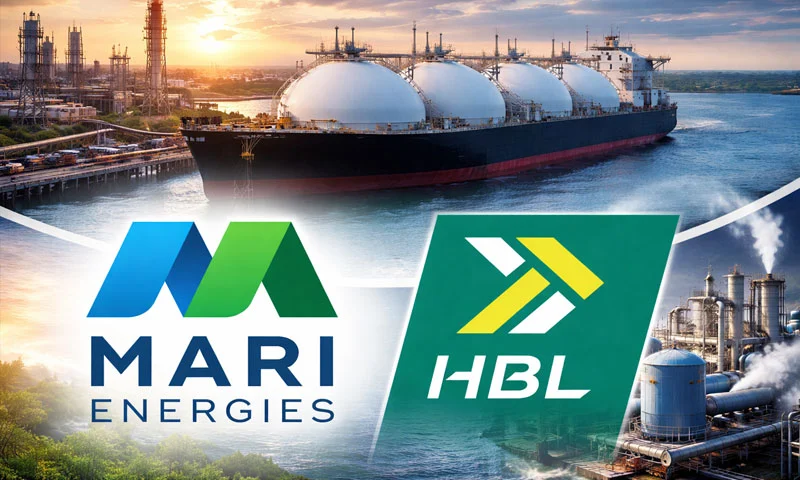
HBL Backs Mari Energies Project in Pakistan to Turn Polluting Gas into LNG
Pakistan is moving towards cleaner and more efficient energy solutions as Habib Bank Limited (HBL) has stepped in to finance a major emissions reduction project led by Mari Energies Limited. The initiative aims to convert harmful gas emissions into commercially valuable liquefied natural gas, marking a significant step toward sustainability and energy optimization. Major Financing Agreement Announced Mari Energies informed the Pakistan Stock Exchange that HBL has been formally mandated to arrange financing for its emissions reduction project at the Sachal Gas Processing Complex. The agreement was finalized during a signing ceremony held at Mari Energies’ head office in Islamabad on March 31, 2026. The project will be funded through a combination of sponsor equity and debt financing arranged by HBL. The company noted that the financing arrangement remains subject to regulatory approvals and completion of required formalities. Turning Emissions into Profit At the heart of the initiative is a newly established special purpose company named GHG Emissions Mitigation Limited (GEM), created in partnership with Ghani Chemical Industries Limited. The project will focus on capturing methane emissions by recovering hydrocarbons from exhaust gas streams produced during operations. These recovered hydrocarbons will then be processed into: Liquefied natural gas Industrial and food grade carbon dioxide This approach allows the company to transform waste emissions into commercially viable products while reducing environmental impact. Environmental and Economic Impact Methane is one of the most harmful greenhouse gases, and reducing its release is critical for tackling climate change. By capturing and converting emissions, the project aligns with global efforts to promote cleaner energy solutions. Experts note that such initiatives not only reduce pollution but also help countries like Pakistan: Improve energy efficiency Reduce reliance on imported LNG Generate additional revenue streams from byproducts Pakistan has long faced energy shortages and increasing import costs. Projects like this could help bridge the gap by maximizing domestic resource utilization. Strategic Importance for Pakistan’s Energy Sector Mari Energies is one of Pakistan’s leading exploration and production companies and plays a key role in supplying gas to industries and power producers. The company has also recently made new gas discoveries, highlighting its growing importance in strengthening domestic energy supplies. The GEM project reflects a broader shift in Pakistan’s energy sector toward sustainability, innovation, and value creation from existing resources. Regulatory Compliance and Disclosure The development was disclosed as material information under the Securities Act, 2015 and relevant Pakistan Stock Exchange regulations, ensuring transparency for investors and stakeholders.
