A major addition to Karachi’s strained healthcare system is about to take shape as a UN-accredited international medical relief organisation prepares to break ground on a large-scale tertiary care hospital designed to serve both paying and non-paying patients. On January 4, 2026, Imamia Medics International (IMI) will formally launch construction of its flagship University Medical Complex (UMC), a project its leadership describes as a long-term healthcare lifeline for the city. Once operational, the University Medical Complex is expected to treat up to one million patients annually, including 200,000 deserving patients who will receive completely free medical care. The facility will rise along University Road in Gulistan-e-Jauhar, adjacent to the University of Karachi, placing it at the heart of one of the city’s most densely populated education and residential corridors. IMI, led by senior Pakistan-origin doctors mostly based in the United States, has been active in medical relief work across more than 30 countries. According to the organisation, the idea for UMC grew out of decades of on-ground experience running 25 charitable clinics across Pakistan, which currently provide free treatment to around 150,000 patients every year. IMI’s credibility is underpinned by its UN accreditation, first granted over 25 years ago and upgraded to consultative status in 2006. The January 4 groundbreaking will be followed by a high-profile fundraising event later the same day at a leading Karachi hotel. The programme will include a detailed video presentation outlining the hospital’s scope and projected impact. Veteran showbiz personality Khalid Anum will conduct the fundraising session, with philanthropists, donors, and community leaders expected to pledge support to help fast-track construction. IMI founder Dr Wajih Rizvi says the complex is designed as a comprehensive, multi-specialty facility, offering emergency and trauma care, women’s and child health services, and advanced treatment for both infectious and non-infectious diseases. Over time, it is also planned as a centre for medical education and research. He points to Karachi’s rapidly growing population and rising healthcare costs, noting that quality treatment is increasingly out of reach for low- and middle-income families. The project has also drawn endorsements from prominent religious and community figures, including Allama Syed Shahenshah Hussain Naqvi, who has pledged full support. For IMI, January 4 marks more than a ceremonial milestone—it signals the start of an ambitious effort to narrow Karachi’s widening healthcare gap.
The Future of Health Care Payments: AI, Insurance, and Patient Costs in 2026
Artificial intelligence isn’t just a buzzword anymore. It’s rapidly becoming a line item on healthcare budgets and insurance claims as 2026 dawns. But a big question looms: who should pick up the tab for AI tools that promise smarter, faster, and more accurate care? One concrete milestone is already here. Starting this month, U.S. Medicare will reimburse doctors over $1,000 for using an AI tool that analyzes coronary plaque, setting a national rate under the American Medical Association’s coding system. This move marks one of the first times AI has been given a formal, fee-for-service payment structure in medicine and experts say it could shape how future AI tools are valued and paid for. The stakes are high. AI in healthcare isn’t a fringe tech anymore. It’s embedded in everyday diagnostics, clinical decision support, drug discovery, and hospital workflows. Globally, the market for AI in health care is forecasted to surge from roughly $39 billion in 2025 to over $500 billion by 2032, meaning insurers, government payers, and hospitals will need clear rules on coverage and billing. Three payment trends are quickly emerging in 2026: Insurance Embracing Clinical AI: Payers like Medicare are beginning to put real numbers on AI services, encouraging clinicians to use technology that improves efficiency and outcomes. These reimbursement codes could be a tipping point for broader adoption. Outcome-Based Models: Beyond simple fee-for-service rates, policymakers are exploring value-based care arrangements where AI tools that demonstrably reduce costs and improve patient results may be rewarded financially. This represents a shift toward paying for results rather than activity. Employer and Private Payer Innovation: With rising premiums and cost pressures, self-insured employers and private insurers are experimenting with models that share financial risk and reward — especially when AI tools help reduce avoidable hospital visits or administrative waste. On top of payment dynamics, the technology itself is scaling. AI tools now assist with early disease detection, predictive analytics, and streamlined documentation, reshaping clinical workflows and cutting patient wait times. But cost and ethical concerns remain, including how to ensure equitable access and avoid driving up healthcare expenses without clear benefit. In 2026, the AI-healthcare intersection is no longer theoretical. It’s a practical and financial reality. The coming years will likely define new ground rules for how, and who, pays for technology that could be as transformative as antibiotics or vaccines once were.
Who Heals the Healers? Nearly 60% of Doctors Face Burnout in Pakistan
Nearly six out of every ten doctors suffer from burnout, and suicide rates among physicians are almost twice as high as those in the general population — yet only one in three ever seeks professional mental health support, medical experts warned at a scientific symposium examining the growing crisis within Pakistan’s healthcare workforce. The discussion, centred on the question “Who heals the healers?”, highlighted how a system dependent on relentless endurance is quietly exhausting its own frontline professionals. Cardiologists and mental health specialists pointed to punishing work schedules, overwhelming patient volumes, chronic sleep deprivation, and environmental stressors such as traffic congestion and air pollution as key contributors to declining physical and emotional wellbeing among doctors. They said a deeply ingrained culture that glorifies resilience over rest has left physicians with little room for self-care, effectively making them the most neglected patients in the healthcare system. The concerns were raised during Life in a Metro, a nationwide scientific symposium held under Mediverse, an academic platform of Hudson Pharma Pakistan. The initiative focuses on evidence-based medicine while addressing the unique mental and physical health challenges faced by doctors working in major metropolitan centres. The session was moderated by Dr Saniya Javaid, who noted that stress levels among doctors are significantly higher in large cities such as Lahore. She added that seasonal factors — including winter-related depression aggravated by fog and smog — further intensify anxiety, emotional exhaustion, and low mood among healthcare professionals. Delivering the keynote address, Dr M Rehan Omar Siddiqui described physician burnout as a silent global epidemic that is becoming increasingly visible in Pakistan. Citing international research, he said approximately 60 percent of doctors experience burnout, while suicide rates among physicians are nearly double those of the general population. Despite these alarming figures, Dr Siddiqui said most doctors avoid seeking help. Many continue working while unwell, relying on self-diagnosis rather than proper medical care — a practice he described as both dangerous and deeply ingrained in medical culture. He explained that doctors commonly suffer from depression, anxiety, substance misuse, poor dietary habits, lack of exercise, chronic sleep deprivation, and missed medical check-ups — despite routinely advising patients to prioritise these same health behaviours. According to Dr Siddiqui, time pressures, guilt, stigma, and a “superhuman” or macho mindset remain major barriers to acknowledging vulnerability. “We speak endlessly about ‘do no harm’, yet many doctors are quietly harming themselves,” he said, warning that institutions often distance themselves from physicians after years of service, leaving them isolated during illness or retirement. He urged healthcare professionals to prioritise adequate sleep, regular physical activity, balanced nutrition, mindfulness, and emotional wellbeing. At the same time, he called on hospital leadership to encourage teamwork, delegation, and more realistic workloads. “A healthy doctor delivers better care,” he said. “Staying healthy is not a luxury — it is a professional responsibility.”
5 Morning Drinks to Kickstart Weight Loss in 2026
As 2026 begins, millions of people are setting health goals, and weight loss remains one of the most common resolutions. Nutrition experts agree that mornings play a key role in shaping daily habits. While no drink can magically melt fat, certain science-backed morning drinks can support metabolism, digestion, and appetite control when combined with healthy eating and movement. Starting the day with the right beverage can help build consistency and set a positive tone for long-term wellness. Green Tea: A Metabolism-Friendly Classic Green tea continues to top expert recommendations for weight management. It contains catechins and caffeine, compounds shown to support fat oxidation and improve metabolic rate. Drinking green tea on an empty stomach may help the body burn calories more efficiently, making it a smart and gentle option for those easing into a healthier 2026 routine. Lemon Water: Simple, Hydrating, Effective Warm lemon water is often misunderstood as a fat burner, but its real strength lies in hydration and digestion. Proper hydration first thing in the morning can reduce bloating and improve gut function. Over time, this supports better portion control and fewer cravings throughout the day. Apple Cider Vinegar Water: Curbing Cravings Apple cider vinegar has gained attention for its potential role in appetite regulation and blood sugar balance. Research suggests that acetic acid may help people feel fuller for longer. When diluted properly in water, it can be a helpful addition to a structured morning routine, though moderation is key. Turmeric Milk: Fighting Inflammation Naturally Inflammation is closely linked to weight gain and metabolic disorders. Turmeric milk, rich in curcumin, offers anti-inflammatory benefits that may support overall metabolic health. Warm turmeric milk is especially popular during winter mornings and fits well into a mindful New Year wellness plan. Ginger Water: Supporting Digestion and Fat Burn Ginger water is known for its thermogenic effect, meaning it slightly increases calorie burn by raising body temperature. It also aids digestion and reduces bloating, making it a popular choice for targeting stubborn belly fat when paired with regular physical activity. Consistency Matters More Than Perfection Health experts stress that these drinks are support tools, not shortcuts. Sustainable weight loss still depends on balanced meals, strength training, quality sleep, and daily movement. However, starting mornings with intention can lead to better choices throughout the day. As 2026 unfolds, these simple morning habits offer an easy and realistic way to move toward lasting health goals.
Tea Wars: Black vs Green and the Truth About Health Benefits
Black tea and green tea may taste worlds apart, but they actually come from the same plant, Camellia sinensis. The difference lies in how the leaves are processed. Green tea is lightly heated soon after harvest, preserving many of its natural compounds, while black tea is fully oxidized, giving it a darker color and stronger flavor. These processing choices shape not just taste, but also how each tea affects the body. What Science Says About Heart Health When it comes to heart health, research has yet to declare a clear winner. Recent studies suggest that both black and green tea may support cardiovascular health, but the evidence remains mixed. Green tea is often praised for its catechins, especially EGCG, which are linked to reduced oxidative stress and inflammation. Black tea contains different antioxidants which may help improve blood vessel function and circulation. Observational studies show regular tea drinkers often have lower risks of heart disease, but experts caution that lifestyle, diet, and genetics all play a major role. Antioxidants: Different Types, Similar Benefits Green tea is typically higher in catechins, making it popular among those focused on metabolic and cellular health. These antioxidants are associated with benefits for brain function, weight management, and blood sugar regulation. Black tea’s antioxidants, formed during oxidation, may help reduce LDL (“bad”) cholesterol and support gut health. While their antioxidant profiles differ, both teas contribute to the body’s defense against free-radical damage. Caffeine, Energy, and Focus Black tea usually contains slightly more caffeine than green tea, offering a gentle energy lift without the intensity of coffee. Green tea, however, pairs its caffeine with L-theanine, an amino acid known for promoting calm focus and mental clarity. This combination is why many people report smoother, longer-lasting energy from tea compared to coffee, with fewer jitters or crashes. Which Tea Should You Choose? Ultimately, the better tea is the one you enjoy and can drink consistently. Green tea suits those who prefer lighter flavors and potential metabolic benefits, while black tea appeals to those who enjoy a bold, comforting cup, often with milk. Experts agree that moderate, regular consumption without excessive sugar or cream is the key to unlocking tea’s health benefits.
Is Matcha Healthier Than Coffee? Here’s What Science Says
For years, coffee has been the go-to drink for millions looking to kickstart their day, but a growing number of health-minded consumers are turning to matcha which is a finely ground Japanese green tea, as a smoother, more sustained alternative. While both beverages deliver a dose of caffeine, they differ in how that energy feels and how it affects the body, leading many to ask: is matcha better than coffee? At a basic level, coffee generally contains more caffeine per cup, providing a quick and noticeable energy spike that can sharpen alertness and even help suppress appetite in the short term. Matcha’s caffeine content tends to be lower per serving but it is absorbed more slowly by the body thanks to the amino acid L-theanine. This duo can create a more steady, calm boost in focus without the jitters or sudden crash many people associate with coffee. Beyond caffeine, one of matcha’s biggest strengths lies in its high antioxidant content. Because the whole tea leaf is consumed as a powdered drink, matcha delivers significantly more catechins and polyphenols than steeped teas and potentially more than coffee, depending on preparation. These are natural compounds linked to reduced oxidative stress and inflammation. Antioxidants like EGCG have been studied for their role in heart health, metabolic support, and even cognitive benefits. People who switch from coffee to matcha often describe the energy as longer-lasting and gentler, with fewer midday slumps. Some research also suggests matcha can support focus under stress and aid attentional performance better than caffeine alone. Furthermore, matcha’s lower acidity makes it less likely to irritate the stomach which is a plus for those with sensitive digestion. Its L-theanine content may even help with relaxation and stress reduction. That said, matcha isn’t a magic solution. For coffee lovers, its distinct earthy flavor and milder kick can feel less satisfying, and quality varies widely across products. Some people also find the ritual of preparing matcha, whisking powdered tea with water, more time-consuming than brewing coffee. In the end, whether matcha is better than coffee depends on your goals: if you want quick, intense energy and metabolic boosts, coffee still delivers; if you’re after consistent focus, rich antioxidants, and gentler stimulation, matcha might just win your morning.
Measles Outbreak in Sindh Village Claims Three Young Lives
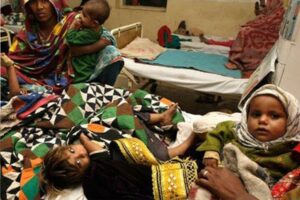
A measles outbreak in the rural village of Jan Mohammad Mehar in Dherki, located in Sindh’s Ghotki district, has claimed the lives of three children and left at least ten others hospitalised, health authorities and local residents report. Families in the village say the outbreak has sparked fear and urgency, especially in areas where routine vaccinations have been irregular or incomplete. Sick children showed typical symptoms including high fever, rash, cough, and eye irritation, prompting an urgent appeal for medical support and vaccination campaigns in the community. The deceased children Amir Ali, Bismillah, and Hazuran Bibi were among several young patients rushed to health facilities in recent days, but medical teams struggled to contain the rapid spread of the disease among under-vaccinated children. Concerned parents say limited access to regular healthcare services and gaps in immunisation coverage have made villages like Jan Mohammad Mehar highly vulnerable to vaccine-preventable diseases. Health officials acknowledged the outbreak is part of a larger pattern of increased measles activity across Sindh province. Surveillance teams are reportedly assessing vaccination coverage and planning targeted responses, but residents stress that more immediate action is needed, including door-to-door immunisation and emergency vaccination camps to try to halt further spread. Measles is one of the most contagious infectious diseases known, spreading easily through coughing and sneezing, and can be particularly deadly for children under five who are not fully immunised. Vaccination remains the most effective defence: global data show that high routine coverage can prevent large outbreaks and significantly reduce deaths from the virus. Despite a safe and cost-effective vaccine being widely available, many parts of Pakistan still struggle with achieving the 95 % coverage needed to prevent sustained transmission. Pakistan has a long history of measles outbreaks linked to gaps in routine immunisation. Earlier in 2025, other parts of Sindh recorded dozens of measles-related deaths and over a thousand confirmed cases, highlighting ongoing public health challenges in reaching every child. National health authorities, in partnership with organisations like the World Health Organization (WHO) and UNICEF, launched a nationwide measles-rubella vaccination campaign in late 2025 targeting millions of young children. It was aimed at closing immunity gaps and reducing vulnerability to future outbreaks. Experts emphasise that while emergency responses such as outbreak investigations and vaccination drives are vital, strengthening routine immunisation systems and addressing barriers to vaccine access remain key to preventing similar tragedies. Community education, improved healthcare outreach, and better monitoring could help ensure that children receive two recommended doses of the measles vaccine, lowering the risk of severe illness and death.
Want to Protect Your Heart? Experts Say These 3 Things Are Non-Negotiable
Heart disease remains one of the leading causes of death worldwide, but medical experts agree that many heart-related conditions can be prevented through simple lifestyle changes. According to health specialists, adopting three key habits can significantly reduce the risk of developing heart disease and improve overall cardiovascular health. First, maintaining a healthy and balanced diet is crucial. Doctors recommend reducing the intake of processed foods, excessive salt, sugar, and saturated fats, as these contribute to high blood pressure and cholesterol levels. A heart-friendly diet should include fruits, vegetables, whole grains, lean proteins, and healthy fats such as those found in nuts and olive oil. Proper nutrition helps keep arteries clear and supports healthy blood circulation. Second, regular physical activity plays a vital role in protecting the heart. Health experts suggest at least 30 minutes of moderate exercise—such as brisk walking, cycling, or swimming—on most days of the week. Regular movement strengthens the heart muscle, improves blood flow, controls weight, and lowers the risk of diabetes and high blood pressure, all of which are major risk factors for heart disease. Third, managing stress is essential for heart health. Chronic stress can raise blood pressure and increase the likelihood of unhealthy habits such as smoking or overeating. Doctors advise practicing stress-reducing activities like deep breathing, meditation, adequate sleep, and spending time with family or engaging in hobbies. A calm and balanced lifestyle helps regulate heart rhythm and reduces strain on the cardiovascular system. Medical professionals emphasize that these three steps—healthy eating, regular exercise, and stress management—are not only effective but also achievable for most people. By making these habits part of daily life, individuals can greatly lower their chances of heart disease and enjoy a longer, healthier life.
Kuwait Bans Energy Drink Sales in Schools, Cafés, and Online Platforms
Kuwait has introduced some of the region’s strictest regulations on energy drinks, as the government moves to address growing health concerns, particularly among young people. The new rules were issued through a ministerial decision by Ahmed Abdulwahab Al Awadhi, Kuwait’s Minister of Health, and are aimed at regulating the sale, circulation, and consumption of energy drinks across the country. Under the new framework, energy drinks may only be sold to individuals aged 18 and above. Consumption has also been capped, with a maximum of two cans allowed per person per day. In addition, strict limits have been placed on caffeine levels, with each can not permitted to exceed 80 milligrams of caffeine per 250 millilitres. Health officials say the move is intended to reduce the risk of excessive caffeine intake, which has been linked to sleep disorders, heart palpitations, anxiety, and other health issues. The regulations go beyond age and consumption limits. Producers and importers are now required to display clear, prominent health warnings on all energy drink packaging. These warnings are meant to inform consumers about potential health risks, especially when drinks are consumed excessively or mixed with other stimulants. In a sweeping step, Kuwait has also banned all forms of commercial advertising and sponsorships linked to energy drinks. This includes promotions through media, events, and brand partnerships, reflecting the government’s intent to limit the products’ appeal, particularly to younger audiences. Sales restrictions form a major part of the decision. Energy drinks are now prohibited in all public and private educational institutions, including schools, institutes, and universities. Government buildings and entities are also included in the ban. In addition, the sale of energy drinks has been barred in restaurants, cafés, grocery stores, food trucks of all sizes, and self-service vending machines. The rules further extend to digital platforms. Online ordering and delivery services are no longer allowed to sell or deliver energy drinks, effectively blocking home delivery nationwide. Health experts have welcomed the move, noting that global concerns over energy drink consumption—especially among youth—have prompted similar debates in Europe and other parts of the world. Kuwaiti authorities say the decision reflects a broader public health strategy focused on prevention, awareness, and long-term wellbeing. With these measures now in place, Kuwait signals a firm stance on regulating high-caffeine beverages while prioritizing public health over commercial interests.