

Pakistan’s digital landscape is changing fast. The latest Household Integrated Economic Survey (HIES) 2024-25 reveals a major leap in internet access and usage, showing how millions more Pakistanis are now connected to the world. According to the Pakistan Bureau of Statistics, household internet access jumped from 34 % to 70 %, while individual internet use expanded sharply from 17 % to 57 %, a dramatic rise in just one survey cycle. This surge is partly due to the spread of mobile phones and smartphones, which are now present in 96 % of households. That number means nearly every home across urban and rural Pakistan has at least one device capable of internet access, lifting digital connectivity to record levels. Experts say this expansion matters far beyond just scrolling social media. Increased internet access opens doors to online learning, e-commerce, and remote work, helping people access opportunities they couldn’t before. A fully digital HIES, conducted after the 2023 Digital Population and Housing Census, used modern tech tools to monitor data collection in real time, giving policymakers a clear picture of how connectivity is evolving nationwide. The survey also highlights positive trends in education and health alongside digital growth. Literacy rates climbed to around 63 %, and child health indicators improved, with infant and neonatal mortality rates showing notable declines. These gains suggest the benefits of internet access are intertwined with broader social progress. Despite these gains, challenges remain. Pakistan still struggles with some of the slowest internet speeds in the world, with mobile and broadband rankings near the bottom globally. Slow connections and intermittent service continue to frustrate users and limit productivity for students, businesses, and tech workers. Still, the progress is undeniable. From just a small fraction of the population online in the early 2000s, Pakistan now boasts one of the largest internet-using populations globally, with over 140 million users connected, mostly through mobile broadband. For many Pakistanis, the internet has become more than a convenience. It’s now central to how they learn, work, shop, and stay informed. With access spreading so rapidly, digital life in Pakistan is increasingly the norm, not the exception.
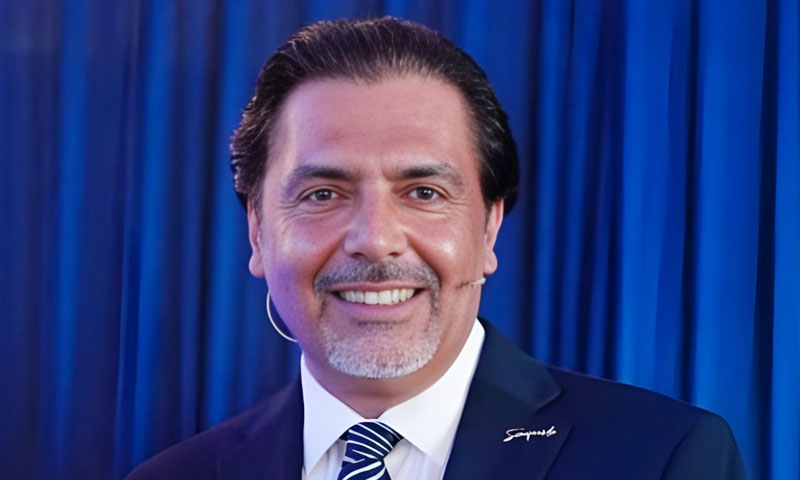
Saquib Ahmad Appointed Global Chief Growth Officer at Systems Limited
Saquib Ahmad has been appointed Global Chief Growth Officer at Systems Limited, marking a strategic move as the technology and business process outsourcing firm sharpens its focus on global expansion. In his new role, Saquib will lead the company’s international growth agenda, with responsibility for scaling operations across key global markets, deepening client relationships, and driving strategic market entry initiatives in both mature and emerging regions. Bringing more than 27 years of senior leadership experience in the telecom and information technology sectors, Saquib is widely recognized for building high-impact sales organizations, spearheading enterprise growth strategies, and delivering consistent, large-scale revenue expansion across diverse geographies. Before joining Systems Limited, he served as Country Managing Director for SAP, overseeing operations across Pakistan, Afghanistan, Iraq, and Bahrain. Over the course of his career, he has held senior leadership roles at global technology firms including Oracle, Comptel, Nokia Siemens Networks, and Siemens, with professional stints spanning the UAE, Germany, Spain, and other international markets. Saquib’s professional achievements are complemented by his academic distinction as a recipient of the Presidential Award Aizaz-e-Sabqat for excellence. He has also remained actively engaged with Pakistan’s business and innovation ecosystem through contributions to organizations such as The Indus Entrepreneurs (TIE) Islamabad, the Overseas Investors Chamber of Commerce and Industry (OICCI), and the Pakistan Business Council. His appointment comes as Systems Limited continues to strengthen its position as a global technology partner, leveraging leadership depth to accelerate sustainable growth beyond its traditional markets.

Why the iPhone Fold Could Change Smartphones Forever
Apple’s long-rumored foldable iPhone is finally shaping up to be one of the biggest tech launches of 2026, with multiple leaks and industry whispers suggesting a September 2026 debut as part of Apple’s flagship lineup. According to recent supply-chain insights, Apple could unveil its first foldable device likely called the iPhone Fold — alongside the iPhone 18 Pro models at its annual fall event, making this moment a milestone in smartphone history. The device is expected to open like a small tablet, featuring a 7.7-inch internal display and a 5.3–5.5-inch external screen, dimensions that give it a wider, more iPad-like feel when unfolded. This shape appears intentional: reports suggest Apple may lean into a 4:3 aspect ratio reminiscent of its iPads, enhancing productivity and media viewing compared to traditional tall smartphone screens. Inside, the foldable iPhone could pack premium hardware, including a dual 48MP camera system and possibly new hinge mechanisms designed to minimize visible screen creases which is a persistent challenge for foldables. However, not all leaks are rosy: fresh reports note Apple is still working to achieve a truly crease-free display and could face engineering hurdles as it scales production. Unlike many Android rivals that started with phone-first foldables, Apple may pursue a tablet-first experience, turning the Fold into a productivity powerhouse that blends smartphone convenience with tablet usability. This approach could help it stand out in a competitive market already led by devices like Samsung’s Galaxy Z Fold and upcoming “Wide Fold” models, which themselves are tweaking designs to rival Apple’s rumored features. Even so, analysts caution that production complexities could push availability into early 2027, depending on how quickly Apple resolves hinge durability and display consistency issues. Costs may also be steep, with some reports forecasting a price well above most current flagship foldables. As Apple edges closer to joining the foldable era, the iPhone Fold is shaping up to be more than a new model. It could redefine what users expect from premium smartphones, blending size, power, and versatility in ways that might finally push foldables into the mainstream.
AI Crisis Planner: Why OpenAI Is Paying Millions for Preparedness Leadership
OpenAI is turning heads once again and not just for its advances in artificial intelligence, but for one of the most eye-catching job postings in recent tech history. The AI leader is advertising a new senior role with a salary of up to $555,000 (about AED 2 million) per year, drawing attention not only for the hefty compensation but also for the intense responsibilities that come with it. According to OpenAI’s leadership, the role will be critical in preparing the company for worst-case scenarios in a rapidly evolving digital world. The job in question isn’t your typical executive position. OpenAI is hiring a Head of Preparedness and Partnerships, a specialist tasked with leading efforts to plan for and respond to large-scale AI cyberattacks, unexpected adversarial use of AI, and other digital catastrophes. The role blends high-level strategy with real-world crisis readiness, and requires someone who can think both creatively and practically about catastrophic risk. It sits at the intersection of AI safety, cybersecurity, and global partnerships, making it one of the most nuanced leadership roles in tech today. CEO Sam Altman himself has commented on the challenge, noting that the job will be “stressful” and demanding, even for seasoned professionals. He emphasised that the position is about preparing for hard things before they happen, and that spotting and mitigating emerging threats is now central to OpenAI’s mission alongside inventing groundbreaking technologies. The company has explicitly said that it wants someone who can build bridges with governments, NGOs, and industry peers to coordinate responses to scenarios that could range from targeted attacks on AI infrastructure to broader threats to data integrity and public safety. Industry watchers see this hiring move as part of a broader trend in tech where companies are investing early in crisis readiness and resilience planning. With AI adoption accelerating across sectors, the potential risks—whether from hackers weaponising models or unforeseen system failures—have become front-page concerns. Google, Meta, and Microsoft have all established AI safety boards and protocols in the past few years, but few have had a role quite as focused and well-paid as OpenAI’s new preparedness chief. The hefty salary reflects not just the qualifications needed but also the urgency the company places on preparedness. Recruiting someone who can operate under high pressure, manage complex stakeholder relationships, and foresee threats that don’t yet exist will be no easy feat. The position is expected to attract candidates with deep experience in national security, cybersecurity, and risk management, with some speculation that leaders from government and defence sectors could make strong contenders. While the compensation may grab headlines, the broader implication is that AI organisations are beginning to treat risk management and preparedness as core pillars of their operations—not just technical novices, but board-level priorities. As AI systems become more woven into daily life, the people preparing for what could go wrong will be just as important as those building what goes right.
Google Rushes Out Emergency Update for Millions of Pixel Phones
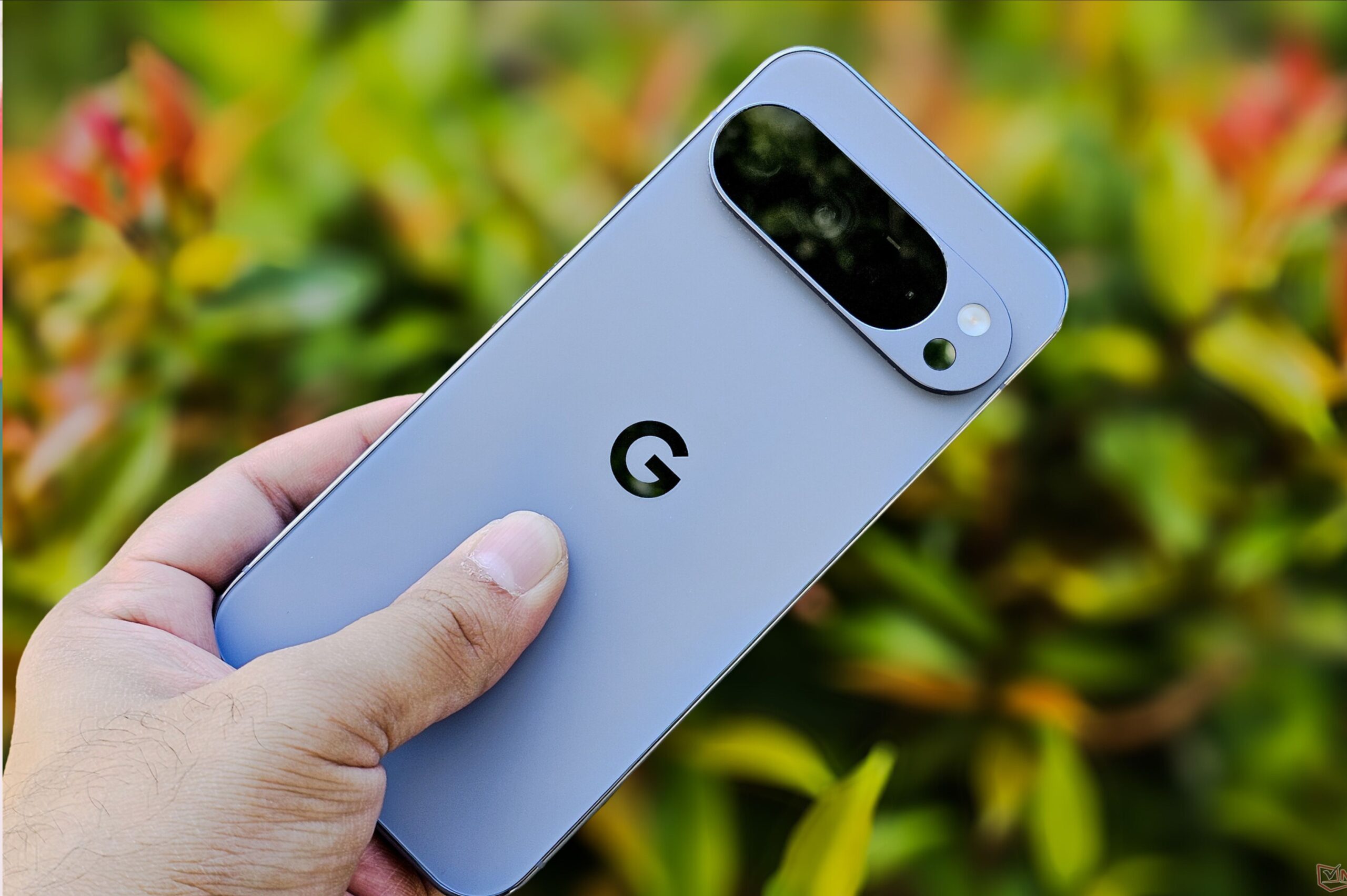
Google has rushed out an urgent software update for more than a million Pixel smartphones, triggering widespread attention among users and security experts alike. The unexpected patch, which began rolling out rapidly across supported Pixel models, signals a rare emergency response from Google outside its normal monthly update cycle, highlighting the seriousness of the issue it aims to fix. The update affects several recent Pixel devices and was delivered quietly, without a detailed public changelog at first. Many users noticed the patch only after receiving a sudden system notification, prompting speculation across tech forums and social media. Cybersecurity analysts say the speed of the rollout suggests the update addresses a high-risk vulnerability that could potentially allow attackers to compromise devices remotely if left unpatched. This emergency release comes on the heels of Google’s already extensive December Android security update, which tackled dozens of vulnerabilities across the platform. The surprise nature of the new patch indicates that additional flaws were either discovered late or escalated in severity, forcing Google to act fast. While Google has not publicly confirmed whether the issue was actively exploited, experts stress that such rapid responses are usually reserved for threats considered critical. Pixel users had already been reporting a mix of software stability problems in recent weeks, including camera glitches, app crashes, and inconsistent performance following beta updates. While it remains unclear whether those bugs are directly connected to the emergency patch, many users say their devices feel more stable after installing the update. Online discussion boards are now filled with advice urging Pixel owners not to delay installation. Security professionals are once again reminding smartphone users that software updates are not just about new features, but about protecting sensitive data. Phones today store everything from banking credentials to personal conversations, making them attractive targets for hackers. Delaying updates, even briefly, can expose users to risks that evolve faster than most people realize. Google’s handling of this situation also reflects a broader trend in the tech industry, where companies are increasingly forced to respond in real time to emerging threats rather than relying solely on scheduled updates. As mobile operating systems grow more complex, surprise patches may become more common — especially when user safety is on the line. For Pixel owners, the message is simple: install the update as soon as it appears. While emergency patches can be inconvenient, they are often the strongest line of defense against unseen digital threats.
Pakistani Startup Community Gathers for Paklaunch AWS Meetup in Islamabad
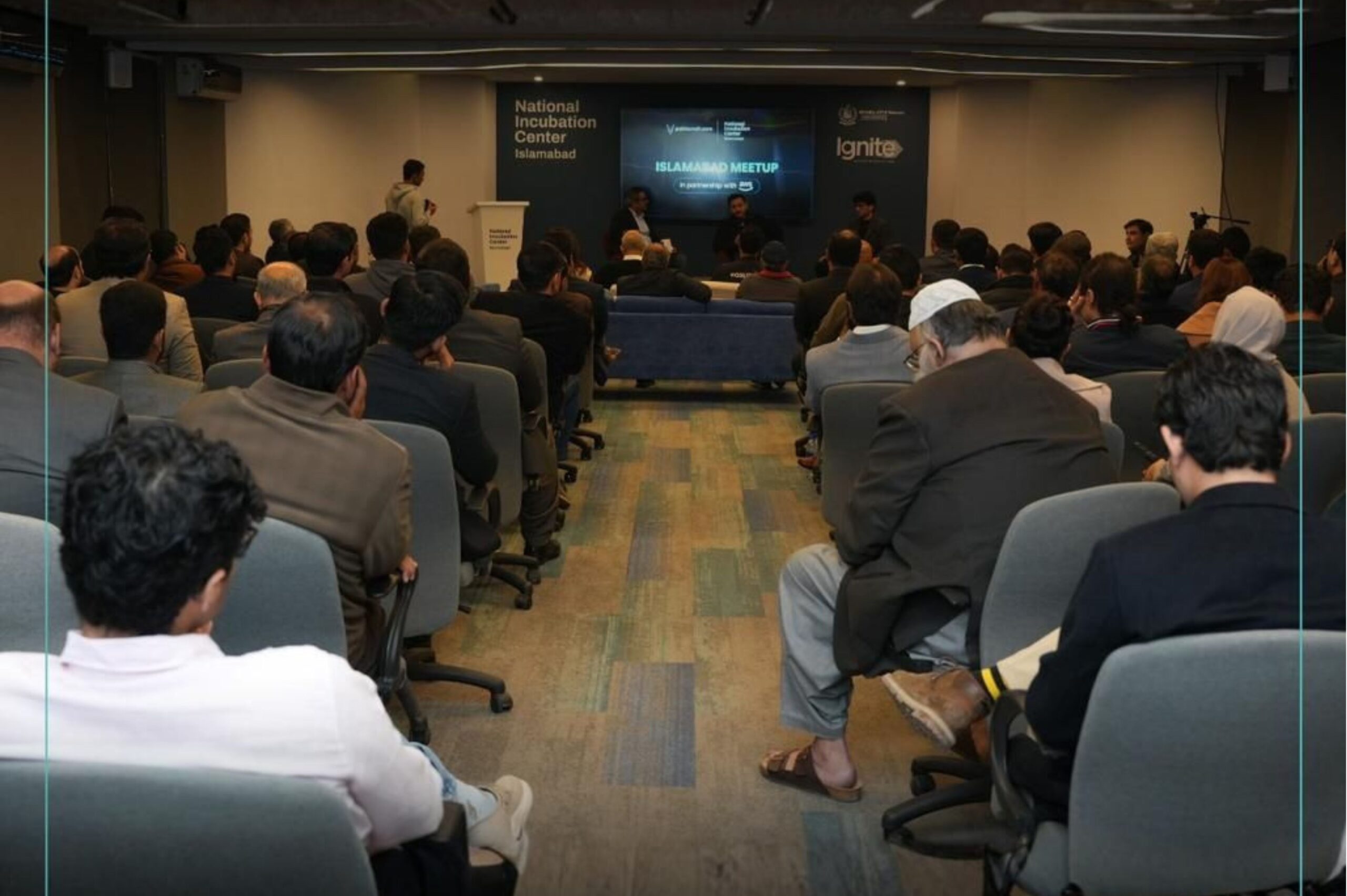
Pakistan’s startup and tech ecosystem gathered momentum in Islamabad as founders, investors, and industry professionals came together for the Paklaunch Islamabad Meetup, an event that reflected both the ambition and the challenges shaping the country’s digital future. Hosted at the National Incubation Center Islamabad in partnership with Amazon Web Services, the meetup brought together a diverse mix of early-stage entrepreneurs, seasoned operators, students, and ecosystem enablers for an evening focused on growth, scale, and opportunity. One of the most talked-about moments of the event was the candid discussion led by easypaisa Chairman Irfan Wahab Khan, who pointed out that Pakistan’s tech problem is not a shortage of ideas or talent, but the difficulty of scaling businesses due to limited access to capital and growth-focused support. His remarks struck a chord with many founders in the room who shared similar experiences of building promising products but struggling to take them to the next level. The atmosphere at the meetup was energetic and collaborative, a mood that was also reflected on social media. Instagram reels shared by Paklaunch captured packed halls, animated discussions, and young founders networking enthusiastically, offering a glimpse into the buzz surrounding the event. Short video clips showed participants arriving, exchanging ideas, and engaging with speakers, highlighting how the meetup blended learning with community building. Beyond the main panel, discussions also explored emerging areas such as media, entertainment, and digital platforms, broadening the conversation beyond traditional tech sectors. Attendees actively participated, asking questions and sharing insights drawn from their own startup journeys, making the sessions feel practical and grounded rather than purely theoretical. Paklaunch itself has evolved into a powerful force within the entrepreneurial landscape. What began as a small community initiative has grown into a global platform connecting hundreds of thousands of founders, mentors, and investors across multiple countries. Through meetups, accelerators, and digital engagement, Paklaunch continues to position itself as a bridge between Pakistani startups and global opportunities. As the Islamabad meetup wrapped up, participants left with new connections, fresh perspectives, and renewed motivation. The event reinforced a growing consensus within the ecosystem: Pakistan has no shortage of ideas or ambition but what it needs now is sustained investment, stronger networks, and platforms that help startups scale confidently and compete globally.
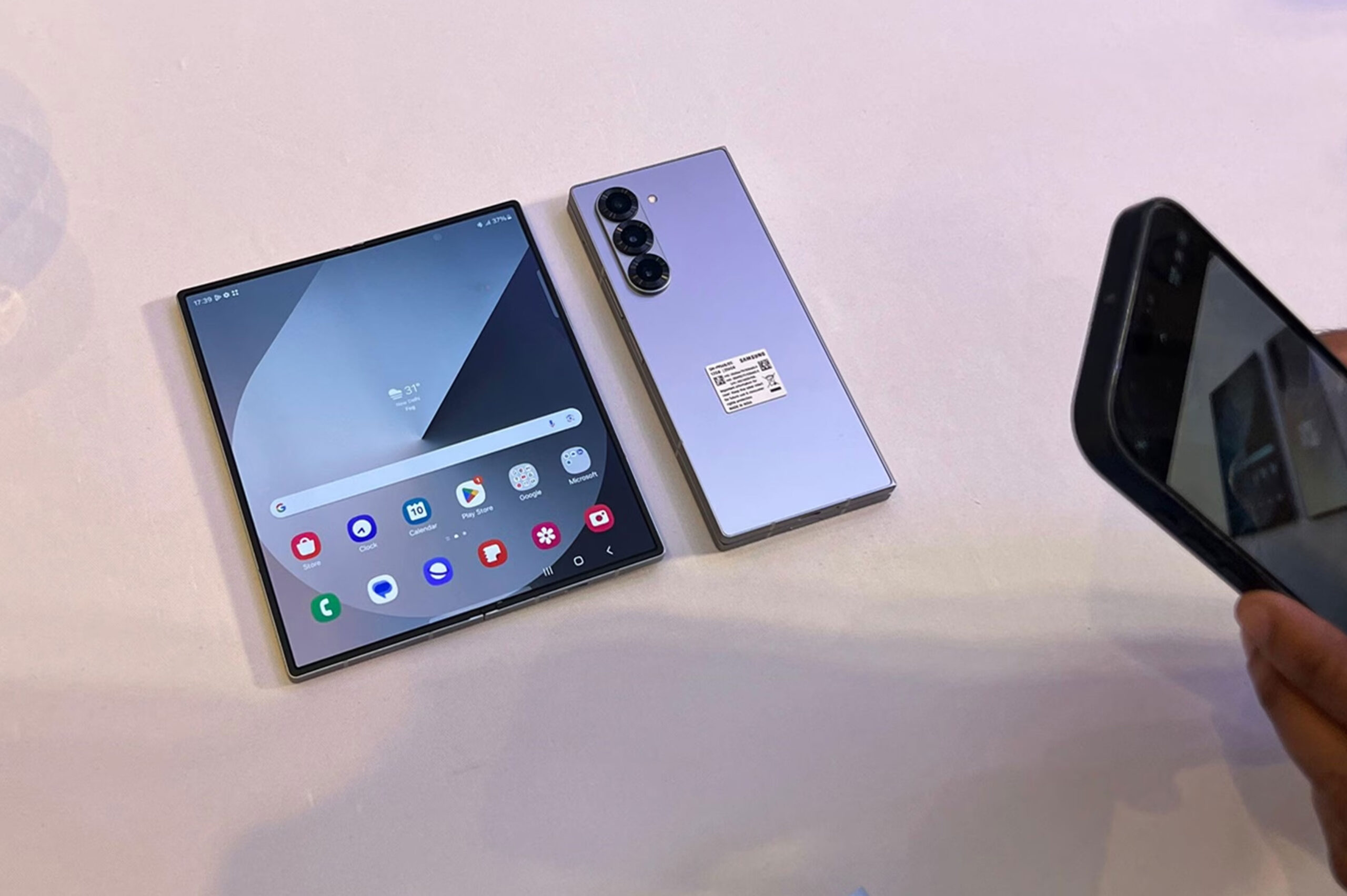
Samsung Rumored to Launch ‘Wide Fold,’ a Bigger, Squarer Foldable Phone in 2026
Samsung may be gearing up to redefine the foldable smartphone category once again with a new device that could challenge both its own lineup and Apple’s rumored foldable iPhone. According to a report from South Korea’s Etnews (translated into English), Samsung is developing a device internally dubbed the “Wide Fold”. The phone is expected to debut in the second half of 2026 and would offer a unique display design that differs from Samsung’s current Galaxy Z Fold and Z Flip series. The company has also experimented with three-panel designs in the Galaxy Z TriFold, hinting at its continued push for innovative form factors. A wider, more tablet-like screen The standout feature of the Wide Fold is its screen design. Sources suggest the device would sport a 7.6-inch internal display when unfolded and a 5.4-inch external screen when folded. Unlike Samsung’s typical tall and narrow foldables, the Wide Fold’s main display is reportedly closer to a 4:3 aspect ratio, giving it a wider and more square-like appearance. This design could fundamentally change how the device is used. A squarer screen is generally better suited for reading, web browsing, photo viewing, and document editing, offering an experience more akin to a small tablet than a traditional smartphone. It could also help apps adapt more naturally to foldable screens, reducing awkward stretching or formatting issues. A potential Apple showdown The Wide Fold’s design appears to echo rumors surrounding Apple’s own first foldable iPhone, expected around the same timeframe. Industry speculation suggests Apple’s device may feature an unfolded display of about 7.7 inches and a similar 4:3 aspect ratio. If both companies release foldables of comparable size and shape in 2026, it could mark the first direct competition between Samsung and Apple in this emerging market. Samsung has led the foldable category to date, but Apple’s entry could bring mainstream credibility to the format. What’s still unknown Details about the Wide Fold remain scarce. Pricing, camera specs, processor information, and global availability are all unconfirmed. It’s also unclear whether “Wide Fold” is just an internal codename or the device’s official name. Samsung typically unveils its new foldables during summer or early fall Galaxy events. If the rumor proves accurate, the Wide Fold may join the 2026 lineup alongside other Galaxy devices, potentially reshaping the foldable smartphone market once again.
