
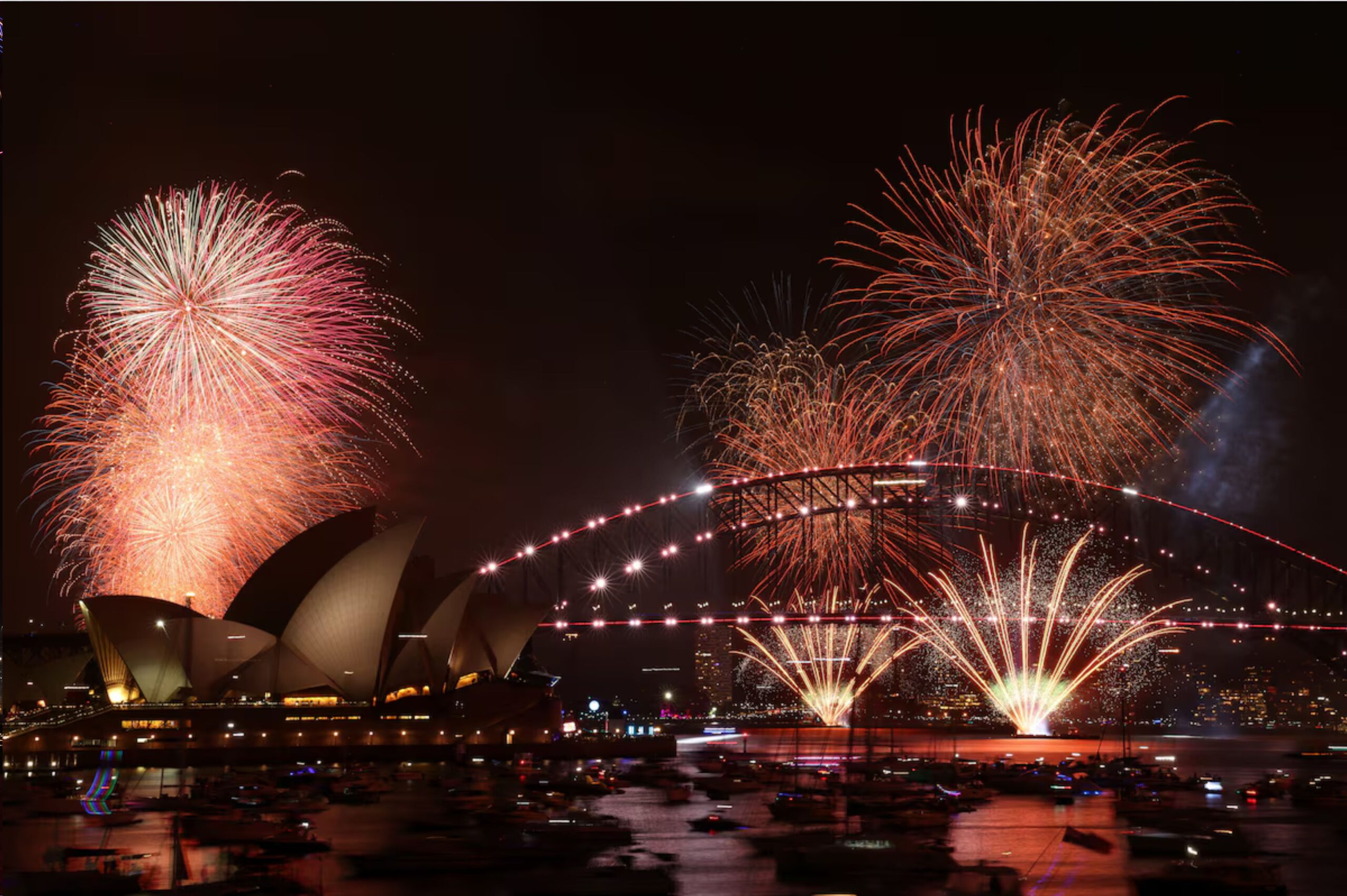
Sydney kicked off New Year’s Eve 2026 with a spectacular celebration that blended glittering fireworks, heartfelt tributes and international solidarity, while neighbouring Pacific nations like Fiji voiced support and condolences after Australia’s recent tragedy. As the clock struck midnight at Sydney Harbour, the world watched a city filled with sparkle and meaning usher in 2026 with both joy and reflection. Hundreds of thousands of revellers lined Circular Quay, Barangaroo and ferry wharves on December 31, bundled against cool evening winds and soaking in the city’s iconic fireworks display over the Sydney Harbour Bridge and Opera House. Sydney traditionally ranks among the first major global cities to celebrate the New Year after Kiribati and New Zealand mark midnight earlier in the Pacific. Yet this year’s festivities carried a deeper emotional weight. Earlier in December, a deadly antisemitic terror attack at a Hanukkah celebration on Bondi Beach claimed 15 lives and left dozens injured, marking Australia’s worst mass shooting in decades. To honor the victims, Sydney officials incorporated a poignant tribute into the celebration. At 11 p.m., there was a minute of silence across the harbour precinct. The Sydney Harbour Bridge was bathed in white light and adorned with the image of a Jewish menorah, symbolizing remembrance and unity. This gesture came after prominent Jewish cultural figures urged the city to reflect the true nature of the tragedy rather than using generic symbols alone. Across the Pacific, Fiji’s Prime Minister Sitiveni Rabuka publicly condemned the Bondi Beach attack, offering condolences to the families and expresssing solidarity with both Australian and Jewish communities. Rabuka emphasized that Fiji stands with its Pacific neighbours against terrorism and hatred, and extended hopes for justice and healing. Despite somber undertones, Sydney’s midnight fireworks was a 12-minute cascade of colours over the harbour which reminded locals and viewers worldwide of resilience and hope. For many, the celebrations offered a sense of closure to a challenging year and an optimistic start to 2026, suggesting a city and region determined to embrace life, community, and peace together.
New Year, New Mayor: Mamdani’s Unconventional Start Explained
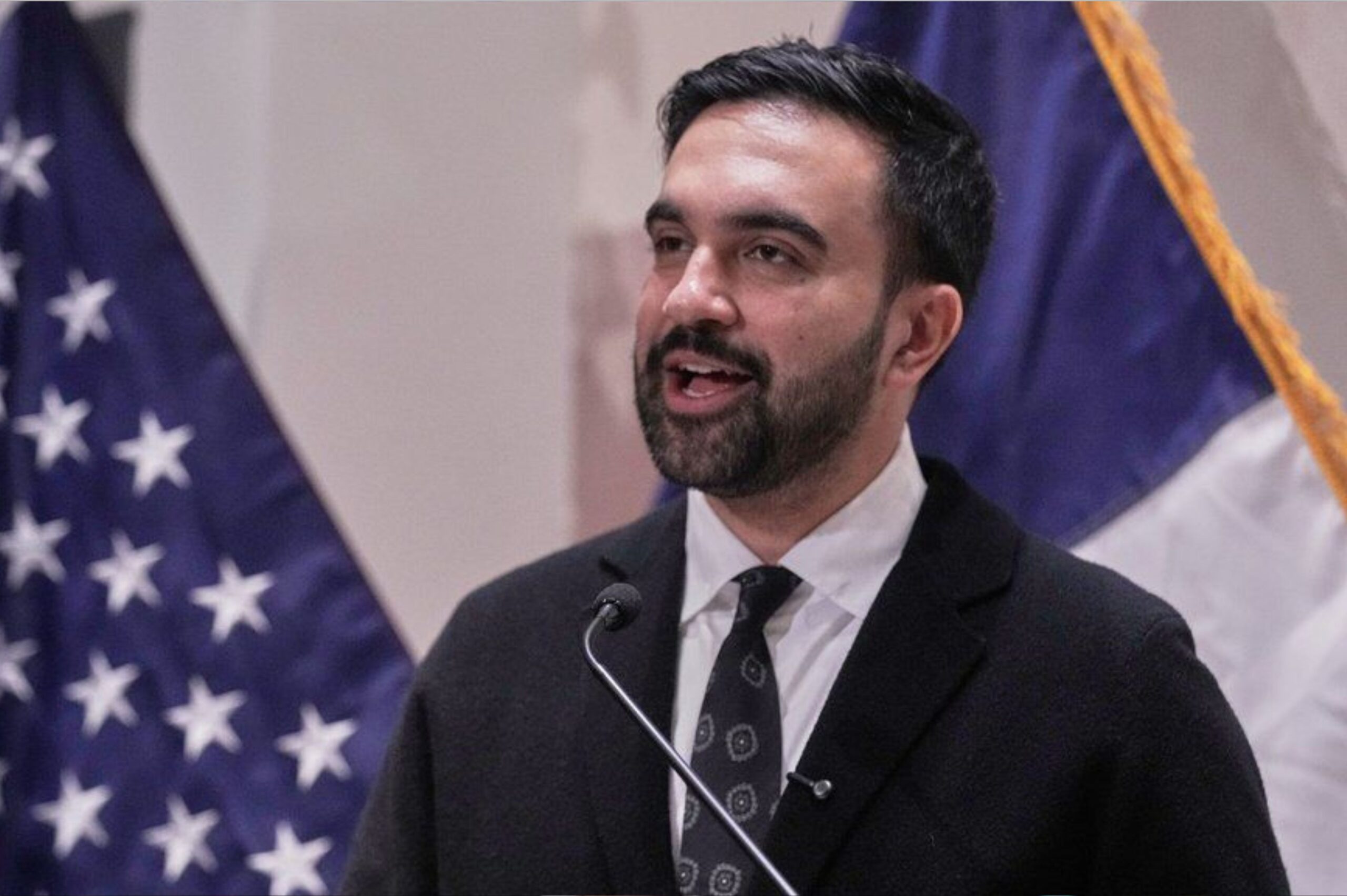
A Midnight Start for a New Mayor As New York City welcomes the new year, it will also welcome a new mayor in a highly unusual way. Zohran Mamdani, the city’s newly elected mayor, will take his official oath just after midnight on January 1. Instead of City Hall, the ceremony will happen in a long-abandoned subway station hidden beneath Lower Manhattan. The location is the Old City Hall subway station, a beautifully designed stop that opened in 1904 and closed in 1945. Although it has been sealed off for decades, the station remains one of the most striking spaces in the transit system. Mamdani’s team says the site reflects his focus on public infrastructure and working-class New Yorkers. Why the Subway Station Matters According to aides, Mamdani wanted his first official act to connect the city’s past with its future. For that reason, he chose a place built for everyday people, not political elites. The private ceremony will include close family and a few officials. New York Attorney General Letitia James will administer the oath. While the setting is symbolic, the timing also matters. By taking office at midnight, Mamdani officially begins his term the moment the new year starts. Supporters see this as a signal that his administration plans to move quickly on key issues like housing costs, transit funding, and city services. A Public Celebration Above Ground Later on New Year’s Day, the mayor will appear in public. A larger ceremonial event will take place on the steps of City Hall. Progressive leaders, including Senator Bernie Sanders, are expected to participate. The event will also feature music and community gatherings nearby. This two-part inauguration blends tradition with change. First comes the quiet, symbolic moment underground. Then comes a public celebration meant to include as many New Yorkers as possible. A Historic Political Shift Mamdani’s election marked a major shift in city politics. At 34, he is the youngest mayor in decades and the first Muslim to hold the office. He won by campaigning on affordability, fairness, and stronger public services. By starting his term beneath the streets of New York, Mamdani is making a clear point. His message is simple: leadership should begin where the city truly lives and works.

Free E-Visas and a Thaw in Ties: A New Chapter for Turkey and Armenia
Turkey and Armenia have taken a historic step toward warming relations after decades of diplomatic freeze, agreeing to simplify visa procedures and waive electronic visa fees for holders of diplomatic, service, and special passports starting January 1, 2026. The announcement, made jointly by Ankara and Yerevan, marks one of the most concrete advances yet in a slow but steady normalization process between two neighbors whose ties were severed amid conflict and geopolitical tension in the early 1990s. Under the new arrangement, diplomats, government officials and other qualified travellers from both countries will be able to apply for e-visas online without paying fees, eliminating a practical hurdle that previously complicated official engagements. The Turkish Foreign Ministry framed the move as part of a broader commitment to continue the normalization process “without preconditions” and work toward full diplomatic relations — a goal both capitals have reiterated repeatedly over the past several years. Relations between Turkey and Armenia have long been shaped by historical grievances, most notably disputes over the events of 1915, which Armenia and many historians describe as genocide and which Turkey disputes. The two countries have had no formal diplomatic ties and closed their shared border since 1993, largely because of Turkey’s support for Azerbaijan during the Nagorno-Karabakh conflict. Efforts to bridge this divide began in earnest in 2021, when both nations appointed special envoys to pursue confidence-building and reconciliation measures, including agreements on border crossings, transportation links, and now visa facilitation. These talks have taken place alongside broader regional shifts, such as the 2025 Armenia–Azerbaijan peace initiative, which aims to resolve the long-running dispute over Nagorno-Karabakh. Despite the symbolic significance of the visa agreement, analysts caution that full normalization remains a complex process, requiring sustained political will on both sides and progress on deeply rooted historical and security issues. Still, the gesture is being welcomed by diplomats as a pragmatic confidence builder that could pave the way for more substantial cooperation in areas such as trade, transport and regional diplomacy. The move also comes amid Armenia’s growing international engagement, including a strategic partnership charter with the United States and ongoing EU visa liberalization dialogues, underscoring Yerevan’s expanding diplomatic footprint
Netanyahu Meets Trump in Florida as Gaza Ceasefire and Iran Tensions Take Center Stage
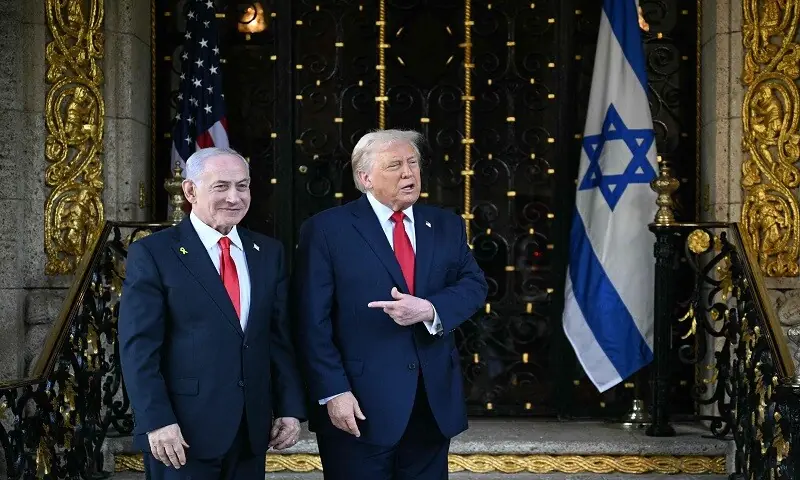
Israeli Prime Minister Benjamin Netanyahu arrived in Florida on Monday for high-stakes talks with US President Donald Trump, as Washington presses for progress on the fragile Gaza ceasefire while Israel seeks to refocus attention on Iran. The meeting, held at Trump’s Mar-a-Lago residence, comes amid growing concern within the White House that both Israel and Hamas are delaying the second phase of the Gaza truce agreed last year. US officials believe the next stage is critical to preventing a renewed escalation in the war-ravaged enclave. According to sources familiar with the talks, Trump intends to push Netanyahu to move forward with phase two of the agreement, which includes Israel’s military withdrawal from Gaza, the establishment of a temporary technocratic Palestinian authority, and the deployment of an international stabilization force. Netanyahu, however, is expected to use the meeting to emphasize what he describes as the growing threat from Iran. Israeli officials say he will urge Washington to maintain pressure on Tehran and consider further action against its missile and nuclear capabilities. Ahead of his meeting with Trump, Netanyahu held separate discussions with US Secretary of State Marco Rubio and Defense Secretary Pete Hegseth. His office said the talks focused on Gaza’s future security framework and regional threats. Israeli government spokesperson Shosh Bedrosian said Netanyahu would insist that Gaza must be fully demilitarized and that Hamas be stripped of its weapons — a demand the group has repeatedly rejected. Hamas’s armed wing, the Ezzedine al-Qassam Brigades, reiterated on Monday that it would not surrender its arms while Israeli occupation continues. In a video statement, the group also confirmed the death of its longtime spokesperson, Abu Obeida, months after Israel said he was killed in an airstrike. The Gaza ceasefire, brokered with international mediation, is considered one of the major foreign-policy achievements of Trump’s return to the White House. The first phase led to the release of nearly all Israeli hostages taken during Hamas’s October 7, 2023 attack, while Israel scaled back major military operations. Despite this, mutual accusations of ceasefire violations persist. Israeli strikes have continued in parts of Gaza, while negotiations on governance and security arrangements have stalled. Reports suggest Trump hopes to announce a Gaza transitional plan as early as January, potentially unveiling it at the World Economic Forum in Davos. However, US officials are said to be increasingly frustrated with Netanyahu’s reluctance to commit publicly to the roadmap. Analysts say tensions are also rising over Iran. While Israel argues Tehran is rebuilding its missile capabilities, some US experts believe the issue is being amplified to justify renewed confrontation. Iran has dismissed reports of imminent conflict as psychological warfare and warned that any new attack would trigger severe retaliation. As diplomacy intensifies, the outcome of the Trump-Netanyahu talks could prove decisive for both Gaza’s future and the broader stability of the Middle East.
End of an Era: Bangladesh’s First Woman Prime Minister Khaleda Zia, Dies at 80
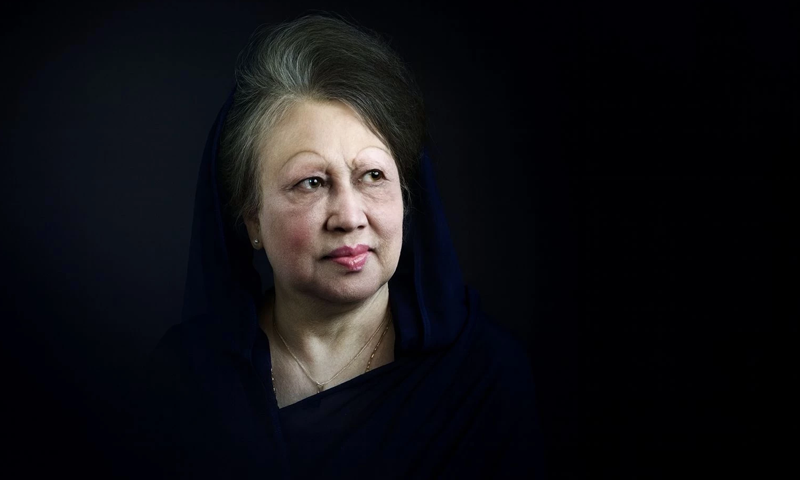
Khaleda Zia, Bangladesh’s first woman prime minister and one of the most influential — and divisive — figures in the country’s modern political history, has died at the age of 80 after a long illness, her party confirmed on Tuesday. In a statement, the Bangladesh Nationalist Party (BNP) said Khaleda passed away at 6:00am local time at Evercare Hospital in Dhaka, where she had been receiving treatment since late November. The party described her as a “national leader” and called on supporters to pray for her soul. Medical officials said Khaleda had been suffering from multiple serious health conditions, including advanced liver cirrhosis, diabetes, arthritis, and chronic heart and chest complications. Her death marks the end of a political era defined by her intense rivalry with longtime opponent Sheikh Hasina. For more than three decades, the two leaders — famously dubbed the “battling begums” — dominated Bangladeshi politics, shaping its democratic struggles, street movements, and repeated cycles of confrontation. Bangladesh’s interim leader Muhammad Yunus expressed deep sorrow, calling Khaleda “a symbol of the democratic movement” and saying the nation had lost a guardian figure at a critical moment in its history. Condolences also poured in from abroad. Indian Prime Minister Narendra Modi said Khaleda’s contributions to Bangladesh’s development and regional relations would be remembered, while Pakistan’s Prime Minister Shehbaz Sharif described her as a friend of Pakistan and extended sympathy to the Bangladeshi people. Born in 1946 in Dinajpur, then part of East Bengal, Khaleda entered politics after tragedy reshaped her life. She was married at a young age to army officer Ziaur Rahman, who later became president and founded the BNP. His assassination during a failed coup in 1981 thrust Khaleda into national leadership. Initially underestimated, she emerged as a powerful political force, helping lead the movement that toppled military ruler Hussain Muhammad Ershad in 1990. The following year, she won Bangladesh’s first widely recognised free election, becoming prime minister with the backing of the Islamist party Jamaat-e-Islami. During her terms in office, Khaleda oversaw the restoration of parliamentary democracy, promoted foreign investment, and expanded access to primary education. She returned to power again in 2001 but remained a polarising figure, admired by loyalists and criticised for confrontational politics and corruption allegations. In later years, Khaleda faced imprisonment and house arrest following convictions she said were politically motivated. She was released after Hasina’s removal from power in 2024 and was later acquitted by the Supreme Court. Her son, Tarique Rahman, is now set to lead the BNP into the February 12 general election, potentially extending the Zia family’s political legacy. The BNP announced seven days of national mourning, with funeral arrangements to be shared later.
Thousands of Flights Cancelled as Powerful Winter Storm Hits America
A powerful post-Christmas winter storm system has disrupted travel across large parts of the United States, grounding flights, snarling highways, and prompting weather warnings as millions of Americans attempted to return home after the holidays. The storm, fueled by a rapidly intensifying weather pattern often described as a “bomb cyclone,” brought a dangerous mix of heavy snow, ice, strong winds, and plunging temperatures, particularly across the Midwest, Great Lakes, Northeast, and parts of the East Coast. Air travel has been among the hardest hit. More than 1,500 flights were cancelled in a single day, with thousands more delayed as major airports struggled with snow-covered runways, poor visibility, and staffing disruptions. Airlines warned passengers to expect ongoing delays as crews worked to reposition aircraft and manage the ripple effects of earlier cancellations. Social media was flooded with frustrated travelers sharing images of packed terminals, long security lines, and overnight airport stays, while others posted videos of snow-lashed planes and whiteout conditions. On the ground, travel conditions were equally treacherous. Several states issued advisories urging drivers to stay off roads unless absolutely necessary. Parts of the Great Lakes region and Northeast experienced heavy snowfall totals, while areas farther south faced freezing rain and ice accumulation that made roads slick and power outages more likely. Emergency responders reported an uptick in weather-related accidents, and officials warned that icy bridges and sudden drops in visibility posed serious risks. Meteorologists explained that the storm’s intensity was driven by a sharp clash between Arctic air and warmer Atlantic moisture, causing the system to strengthen rapidly. Forecasters cautioned that even as the main storm moves eastward, lingering lake-effect snow and strong winds could continue to affect travel into the coming days. Some coastal areas also faced flooding concerns as storm surge and heavy rain combined with high tides. The timing of the storm amplified its impact. Post-holiday travel typically sees one of the busiest periods of the year, and many families found themselves forced to delay returns to work or school. Airlines encouraged passengers to rebook early, while authorities urged people to monitor forecasts closely and prepare for rapidly changing conditions. Despite the disruptions, weather agencies stressed that preparation remains key. Keeping emergency kits in vehicles, allowing extra travel time, and heeding local advisories can significantly reduce risk. As winter settles in, officials warned that this storm may be a sign of a volatile season ahead, with more extreme weather events likely in the weeks to come.
Trump Orders Christmas Day Airstrikes on ISIS Militants in Nigeria’s Sokoto
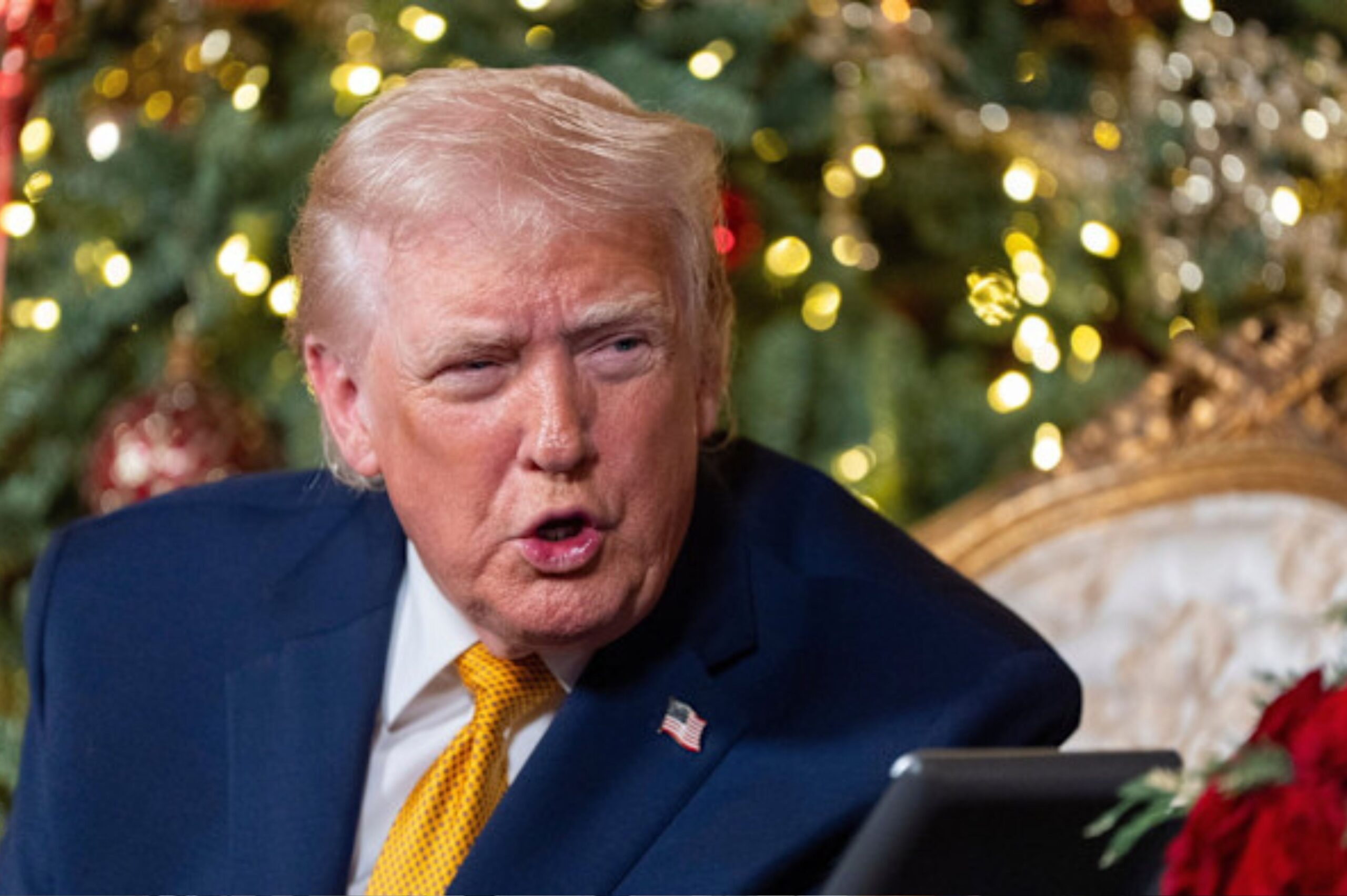
In a dramatic escalation of U.S. military engagement in West Africa, President Donald Trump announced that the United States carried out its first airstrike against Islamic State targets in northwest Nigeria on Christmas Day, marking a significant development in Nigeria’s long-running security crisis. The strike, confirmed by U.S. Africa Command and shared widely on social platforms including X, targeted militants in Sokoto State, where extremist violence has surged in recent months. Taking to his Truth Social platform late Thursday, Trump described the operation as a “powerful and deadly strike” against what he called “ISIS terrorist scum” who had been targeting and “viciously killing, primarily innocent Christians.” He warned that more actions could follow if the violence continues. According to statements from AFRICOM on social media, the airstrike was conducted in coordination with Nigerian authorities, and initial assessments suggest that multiple Islamic State fighters were killed. A Pentagon video shared online shows what appears to be a missile launched from a U.S. warship in the Gulf of Guinea toward suspected militant positions. Nigeria’s Ministry of Foreign Affairs acknowledged the strikes as part of ongoing international security cooperation to address terrorism and violent extremism. In posts on X, officials noted that the precision air strikes were the result of intelligence sharing and strategic coordination with U.S. forces, while also reminding the public that Islamist militant attacks in Nigeria affect both Christians and Muslims. The context for this unprecedented U.S. action under Trump stems from months of rising extremist attacks by Boko Haram offshoots and Islamic State affiliates such as the Lakurawa, who have increasingly operated in northwest Nigeria’s Sokoto and Kebbi states, far from the traditional insurgent hotspots in the northeast. Analysts and local voices on social media have highlighted recent incidents where civilians were killed in village raids and bombings, underscoring Nigeria’s deep and complex security challenges. The strikes have sparked debate: while supporters frame them as necessary to protect vulnerable communities, critics warn that framing Nigeria’s multifaceted violence in predominantly religious terms may oversimplify the crisis, potentially fueling divisions rather than calm. Still, the move signals a notable shift in U.S. policy, with Trump portraying the action as part of a broader effort to confront extremist threats beyond traditional battlefields.

India’s Aviation Market Set for Expansion with Two New Airlines
India has moved to strengthen competition in its fast-growing aviation sector by granting initial approvals to two new airlines, a decision that comes amid renewed debate over market concentration and service reliability. The move is being seen as a step toward reducing dependence on a small number of dominant carriers and offering passengers more choices in the skies. The Ministry of Civil Aviation has issued no-objection certificates (NOCs) to Al Hind Air and FlyExpress, allowing both carriers to move ahead with regulatory formalities required to begin operations. Once they secure their Air Operator Certificates from aviation authorities, the airlines will be able to launch commercial flights. The approvals come weeks after widespread flight cancellations and delays by India’s largest airline brought travel plans to a halt for thousands of passengers. Those disruptions reignited concerns about the country’s aviation “duopoly,” with one carrier holding a dominant share of the domestic market and the Air India group emerging as the second major player. Industry experts argue that greater competition is essential for improving service quality, resilience, and pricing. Al Hind Air is expected to focus on regional connectivity, particularly in southern India, using turboprop aircraft suited for short-haul and underserved routes. The airline’s business model is aimed at connecting smaller cities and towns with major hubs, aligning with the government’s broader regional air connectivity goals. FlyExpress, meanwhile, is positioning itself as a new-age carrier that will add capacity on domestic routes. While its detailed route plans and fleet strategy are still being finalized, the airline has signaled its intent to enter a market that continues to see strong passenger growth year after year. The government has repeatedly stated that it wants to encourage new entrants to make the aviation sector more competitive and consumer-friendly. Officials believe that a broader mix of airlines will not only reduce pressure on existing carriers but also help absorb demand during peak travel seasons. India is currently one of the world’s fastest-growing aviation markets, driven by a rising middle class, expanding regional airports, and increased air travel affordability. Analysts say that while new airline launches take time and face financial and operational challenges, the latest approvals send a clear signal that policymakers want a more balanced and competitive aviation ecosystem. If successful, the entry of new airlines could translate into better connectivity, more reliable services, and greater choice for Indian travelers in the years ahead.
Call of Duty Co-Creator Vince Zampella Killed in California Car Crash
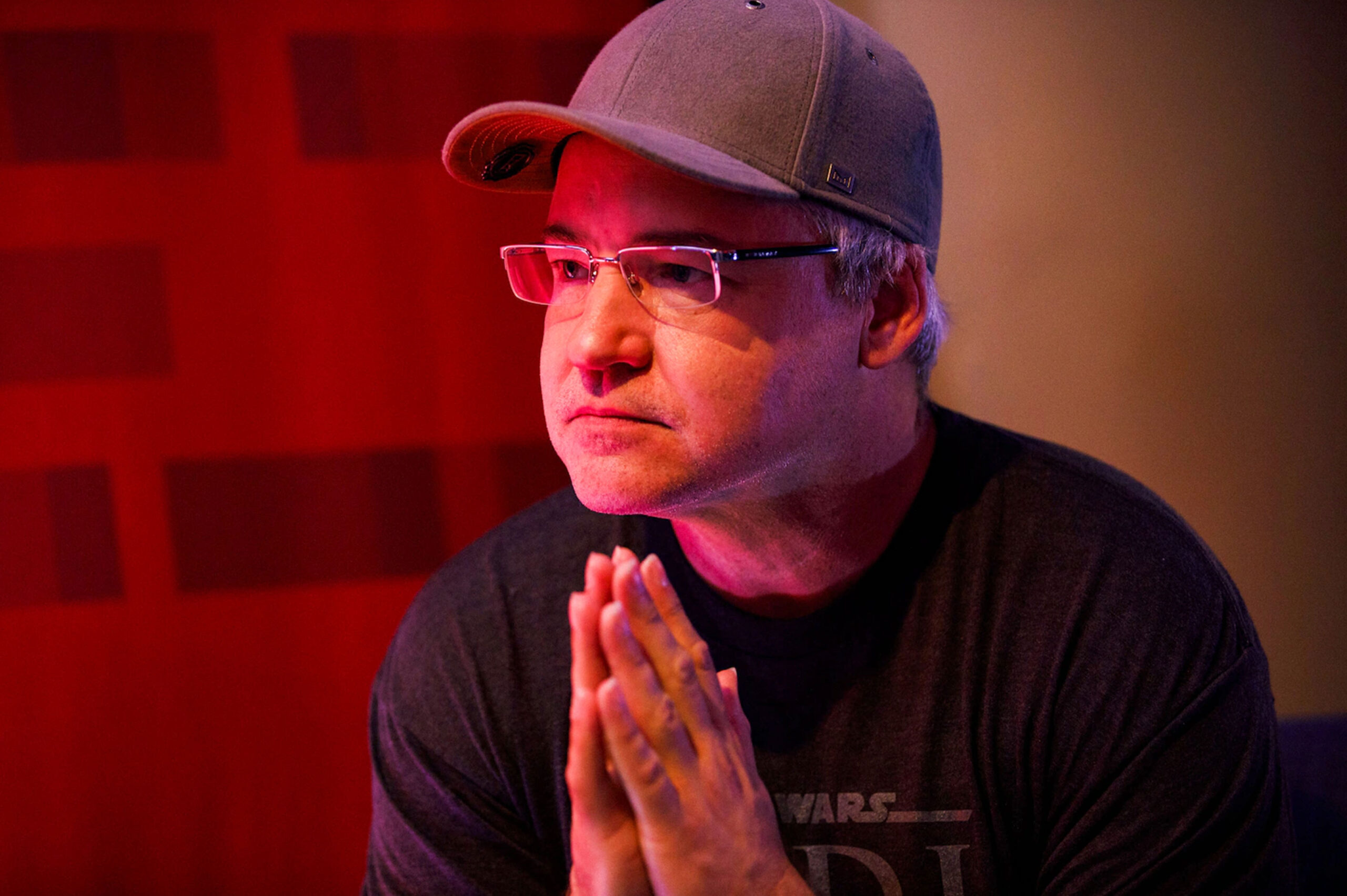
Vince Zampella, one of the most influential architects of modern video gaming and the co-creator of the global phenomenon Call of Duty, has died in a car accident in California, Electronic Arts confirmed on Monday. He was 55. According to the California Highway Patrol (CHP), the fatal crash occurred Sunday on a scenic mountain road north of Los Angeles. Zampella was driving a Ferrari when the vehicle suddenly veered off the roadway, struck a concrete barrier, and burst into flames. Authorities said both the driver and a passenger, who was ejected from the vehicle, died from their injuries. The victims were not officially identified by police, and the cause of the crash remains under investigation. Footage shared by witnesses on social media showed the mangled, cherry-red sports car engulfed in flames along the winding road, underscoring the severity of the collision. Zampella’s death has sent shockwaves through the global gaming community, where he was widely regarded as a visionary who helped define the first-person shooter genre. Over a career spanning more than three decades, his studios produced some of the best-selling and most influential video games in history. He first rose to prominence after co-founding Infinity Ward in 2002 and launching Call of Duty the following year. The franchise would go on to become one of the most successful in entertainment history, today boasting more than 100 million active monthly players worldwide. Activision later acquired Infinity Ward, cementing Zampella’s reputation as a driving force behind blockbuster game development. After departing Activision under contentious circumstances, Zampella co-founded Respawn Entertainment in 2010. The studio quickly earned acclaim for titles such as Titanfall, Apex Legends, and the Star Wars Jedi series. Electronic Arts acquired Respawn in 2017, and Zampella later assumed a broader leadership role at EA, where he oversaw efforts to revive the long-running Battlefield franchise. Earlier this year, following the record-breaking success of Battlefield 6, Zampella reflected on his career with characteristic humility. “We never take moments like this for granted,” he said, despite decades of commercial and critical success. In a statement, Electronic Arts described his passing as a devastating loss. “Vince’s influence on the video game industry was profound and far-reaching,” the company said. “His work helped shape modern interactive entertainment, and his leadership inspired generations of developers.” Respawn Entertainment also paid tribute, praising Zampella’s leadership and creative philosophy. In a message shared on the official Battlefield account, the studio said he trusted his teams, encouraged bold ideas, and consistently put both players and creators first. Industry observers echoed those sentiments. Washington Post video game reporter Gene Park told NBC4 that Zampella possessed a rare ability to blend gameplay with powerful storytelling. “He knew how to create experiences that captured terror, heroism, and human emotion,” Park said, adding that Zampella’s work reflected the political and cultural realities of its time. Zampella is survived by his family and leaves behind a legacy that reshaped the video game industry. From Call of Duty to Battlefield, his creative vision not only defined a genre but also transformed interactive entertainment into a global cultural force.
