

A British-Pakistani biker has embarked on an ambitious journey from the United Kingdom to Pakistan, aiming to become the first woman to ride a motorbike from London to Lahore. The historic ride is being undertaken by Guliafshan Tariq, a Manchester-based software engineer who hopes the journey will highlight women’s empowerment and inspire others to pursue their dreams. Tariq, originally from Sargodha in Punjab, began her ride from London and plans to cross multiple countries across Europe and Asia before reaching Lahore. Her journey has already drawn attention from the international biking community as well as supporters in Pakistan and the UK. Journey aimed at promoting women’s empowerment Before starting her trip, Tariq explained that the ride is not only about adventure but also about sending a message of empowerment. She said: “This ride is dedicated to Pakistan and its strong women, especially rural women who are the real face of women empowerment.” The biker added that she hopes her journey will encourage women to believe in their abilities and challenge limitations. “I want to inspire other women and also want my daughter to know that her mum did this,” she said. “This is a message for my daughter and for women who don’t have rights, opportunities and need encouragement.” Tariq lives in Manchester with her husband and young daughter. Her family has already travelled to Pakistan and is waiting for her arrival at the end of the journey. Route covers several countries across Europe and Asia The biker’s route is expected to take her through several European countries before heading toward Asia. She plans to ride from London to France, Switzerland and Italy, then take a ferry to Greece before continuing her journey to Istanbul in Turkiye. Originally, Tariq intended to travel through Iran and then enter Pakistan, possibly via Afghanistan, before completing the final stretch to Lahore. However, the ongoing conflict in the region has created uncertainty about the exact route she will take. If the situation does not improve, she may choose an alternative route through the Middle East or temporarily store her motorcycle in Georgia before flying to Pakistan and completing the journey from Karachi to Lahore on another bike. Support from international biking community Before departing, several experienced international bikers gathered at a café in London to wish Tariq success on her journey and offer advice about the long ride ahead. Many of the riders have previously travelled across Pakistan and shared their experiences with her. Tariq is already well known among the biking community. In the past, she completed a cycling journey from Islamabad to the Khunjerab Pass, which stands at around 16,000 feet above sea level. At the age of 24, she also entered the National Book of Records after travelling solo on a motorcycle to every district of Khyber Pakhtunkhwa and Gilgit-Baltistan, covering nearly 3,000 kilometres in 20 days. A journey driven by passion and inspiration Tariq says her love for travel was inspired by her father, who explored many countries around the world. “My father travelled all over the world. He was passionate about travelling and living his life,” she said. Despite early concerns about safety, her family has supported her ambition. Tariq believes Pakistan has a vibrant biking culture and hopes her ride will draw more attention to it. Her journey from London to Lahore is expected to take several weeks and could become a landmark moment for female motorcyclists from South Asia.

Woman Spots Father on Google Maps Years After His Death
A woman searching through Google Maps made an emotional discovery that has touched thousands of people online. While browsing street level images of a familiar location, she unexpectedly came across a moment that brought back memories of her late father. The touching discovery has since gone viral on social media, with many people sharing similar experiences of finding meaningful memories preserved on digital maps. A Surprising Discovery on Google Maps The woman had been casually exploring Google Maps Street View when she noticed something unusual in one of the images. As she zoomed in, she realized the person captured in the photo looked exactly like her father. After looking closely, she confirmed it was indeed him. The Street View image showed him standing outside a familiar place he used to visit frequently. The discovery was particularly emotional because her father had passed away years earlier. Seeing him unexpectedly preserved in a digital photograph triggered a wave of memories. The woman later shared the discovery online, explaining how meaningful the moment was for her. She said it felt like she had found a small piece of the past frozen in time. How Google Street View Captures Everyday Life Google Street View vehicles have been traveling the world for more than a decade, capturing panoramic images of streets, neighborhoods, and landmarks. The technology allows users to explore locations as if they were physically there. Cameras mounted on cars or carried by specialized equipment take 360 degree images that are later stitched together and uploaded to Google Maps. Because the cameras capture real life scenes, everyday moments and people occasionally appear in the background of these images. While faces and license plates are typically blurred for privacy, individuals are still sometimes recognizable to friends or family members who know them well. Memories Preserved in Digital Maps Stories like this are not uncommon. Around the world, people have discovered images of loved ones unexpectedly appearing in Google Street View photos. For many, these accidental snapshots have become powerful reminders of moments that might otherwise have been forgotten. Psychologists say such discoveries can have a strong emotional impact because they reconnect people with memories tied to familiar places. Digital archives like Street View can sometimes serve as an unexpected record of everyday life. Social Media Reacts to the Emotional Story After the woman shared her story online, thousands of people reacted to the post. Many users described it as deeply moving and shared their own stories of discovering family members or childhood homes on Google Maps. Some commenters said the discovery showed how technology can preserve memories in ways that were once impossible. Others noted that seeing loved ones captured in everyday moments can bring comfort, especially when those people are no longer alive. Technology and the Power of Memory The story highlights how modern technology is quietly documenting everyday life around the world. Platforms like Google Maps are designed primarily for navigation, but they have also become unexpected archives of human moments. For this woman, a simple search turned into a powerful reminder of her father and the memories they shared. Her discovery has resonated widely, showing that sometimes the most meaningful moments appear when we least expect them.
ChatGPT Search Found on Phone After Two Women Mysteriously Die in Temple Toilet
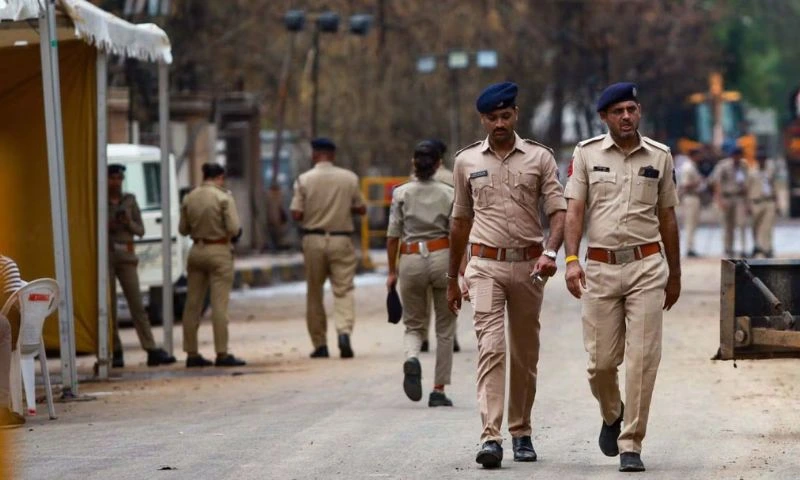
Two women were found dead inside a temple toilet in India’s Gujarat state in a mysterious case that has drawn attention after investigators discovered a recent ChatGPT search related to anesthesia injections on one of the victims’ phones. Police say the discovery has raised questions about the circumstances leading to their deaths. Bodies Discovered in Temple Toilet According to police in Ahmedabad, the bodies of two women were discovered inside a toilet facility located within a temple complex. The incident shocked devotees and local residents who had gathered at the temple. Authorities said the women were identified as close acquaintances who had visited the temple together before the incident occurred. Temple staff reportedly became suspicious when the women remained inside the washroom for a long time. When the door was eventually opened, both women were found unconscious. Emergency responders were called immediately, but the women were declared dead at the scene. Police officials confirmed that investigators initially suspected poisoning or drug overdose after they found syringes and suspected medical substances near the bodies. Read More: Mystery in Kerala: Beggar’s Death Reveals Indian Rupees 4.5 Lakh and Saudi Currency Phone Search Raises New Questions During the investigation, police examined the mobile phone of one of the victims. Officers discovered that the phone had recently been used to search ChatGPT for information about anesthesia injections and how they are administered. The discovery prompted investigators to explore whether the women had attempted to inject anesthetic substances themselves or whether someone else may have been involved. According to investigators, the search history included queries about administering injections on the side of the body. This detail has become an important part of the ongoing investigation. Police sources told local media that the search suggests the possibility that the women were researching the use of anesthetic drugs shortly before their deaths. Syringes and Medical Substances Recovered Officers at the scene reportedly recovered syringes and medical vials believed to contain anesthetic substances. Authorities suspect the drugs may have been injected shortly before the women died. Forensic teams collected samples from the site and sent them for laboratory testing. Autopsies have also been conducted to determine the exact cause of death. Police officials said they are waiting for toxicology reports that will confirm whether the deaths were caused by drug overdose, poisoning, or another medical complication. Investigators are also examining whether the substances recovered were legally obtained or acquired through illegal channels. Read More: Tragedy in India: Umpire Killed by Bee Swarm at Cricket Match Investigators Exploring All Possibilities Authorities have not ruled out any possibility, including accidental overdose, suicide, or foul play. Police are questioning relatives, friends, and medical suppliers to determine how the anesthetic substances were obtained. A senior police officer involved in the case said, “We are examining every angle including the digital evidence recovered from the phone and the substances found at the scene.” The case has sparked broader discussion about access to medical drugs and the potential misuse of information found online. Medical experts say anesthetic drugs are powerful substances that should only be administered by trained professionals in controlled clinical settings. Improper use can lead to severe complications including respiratory failure and cardiac arrest. Growing Concerns Over Misuse of Medical Information Experts warn that the easy availability of medical information online can sometimes lead to dangerous experimentation if individuals attempt to use such knowledge without proper medical supervision. Authorities say the investigation remains ongoing and more clarity will emerge once forensic reports and toxicology results are released. Police have urged the public not to speculate about the case while the investigation continues.

From Farm Waste to Fashion: Pakistan Launches Banana Fiber Initiative
Pakistan has launched a new initiative to convert banana waste into textile fiber, a move aimed at promoting sustainable industry practices while creating new economic opportunities. The project has been launched by the Small and Medium Enterprises Development Authority in collaboration with the Food and Agriculture Organization and other partners. The initiative was introduced during an inception workshop that brought together policymakers, researchers, entrepreneurs and development partners to explore the potential of banana waste as a raw material for Pakistan’s textile and allied industries. Officials said the project is designed to support climate-friendly solutions while strengthening the country’s bio-economy. The project will run from 2026 to 2031 and aims to promote sustainable production by converting banana plant waste into valuable textile fiber and other products such as handicrafts, bags and packaging materials. Addressing Agricultural Waste and Environmental Challenges Experts say Pakistan produces a significant amount of banana waste each year because banana plants are discarded after harvesting fruit. Large quantities of this agricultural residue are often burned or left to decompose, contributing to environmental pollution. Studies show that bananas are cultivated on more than 40,000 hectares in Pakistan and a large portion of plant residue goes unused. Officials believe this waste can be processed to extract strong natural fibers that can be used in textiles and other products. Assistant FAO Programme Officer Amina Bajwa said the initiative could help address environmental challenges while generating economic value. She noted that Pakistan ranks among the countries most vulnerable to climate change and faces issues such as agricultural emissions and environmental degradation. She said converting banana waste into high-value products offers a practical solution that can reduce pollution while creating new sources of income for farmers and small businesses. Sindh Plays Key Role in Banana Economy Sindh province is expected to play a central role in the project because it is the main banana-producing region of Pakistan. Dr Julius, FAO Programme Coordinator and Provincial Head for Sindh, described the province as the “epicenter of Pakistan’s banana economy.” He highlighted concerns about post-harvest losses and noted that nearly 16 percent of bananas are wasted during production and supply processes. He stressed that research and farmer participation will be essential for the success of the initiative. Agriculture experts say banana fiber is a strong natural material extracted from the plant’s stem, which is usually discarded after harvest. The fiber is biodegradable and can be used to produce fabrics, ropes, mats and other textile products. Women and SMEs Expected to Benefit Officials say the project will also have a strong social impact. Around 40,000 women are expected to be engaged in various activities linked to the initiative, including fiber extraction, handicraft production and small business development. The program will focus on pilot projects, technology transfer, training, capacity building, certification support and market linkages to help build a sustainable value chain. Entrepreneurs have already begun experimenting with banana fiber products. During the workshop, a seller of banana fiber goods shared her experience and said the initiative had helped her earn a livelihood while promoting sustainable products. Officials believe the project could strengthen Pakistan’s textile sector, the country’s largest export industry, while also reducing agricultural waste and promoting environmentally friendly manufacturing practices.
IKEA Orangutan Plush Sells Out After Viral Baby Monkey Video
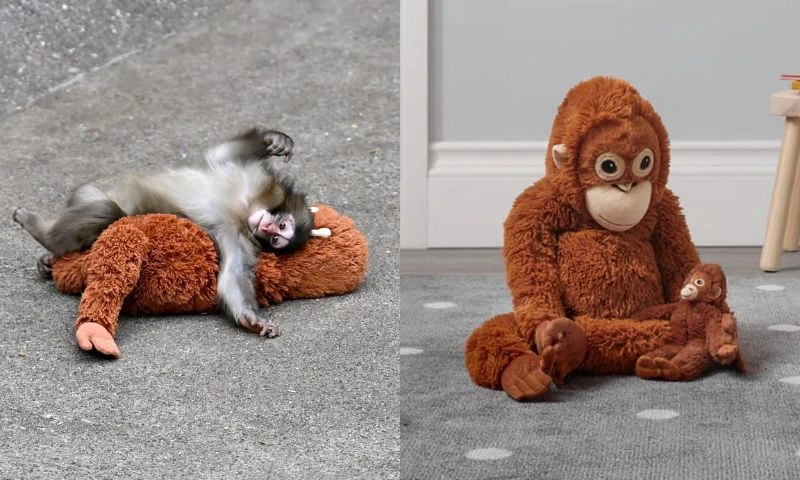
An adorable viral video of a baby monkey has led to an unexpected surge in demand for the IKEA orangutan plush toy, causing it to sell out at stores in the United States and prompt online panic buying. The story quickly captured global attention and turned the normally humble stuffed toy into a must-have item overnight. In the video, a baby monkey clutches the orange-and-brown plush toy in an endearing moment that has been shared millions of times across TikTok, Instagram and Twitter. The emotional connection viewers felt translated rapidly into viral demand, with fans scrambling to buy the same toy for themselves or as gifts. From Internet Sensation to Store Shelves The stuffed orangutan, officially known as the IKEA BUSIG Plush Orangutan, was originally a modest children’s toy in the IKEA collection. But once the video gained millions of views online, it took on a life of its own. Searches for the toy spiked, and many IKEA stores reported selling out of their entire stock within days. On TikTok, one popular upload showing the baby monkey hugging the plush toy amassed over 10 million views in just 72 hours. The hashtag #IkeaOrangutan trended globally, leading to reposts from celebrities, influencers and wildlife advocates alike. The social media frenzy quickly turned the plush toy into a symbol of comfort and sweetness in a world craving light-hearted content. IKEA Responds to the Unexpected Surge People browsing IKEA’s official online catalogue soon found the orangutan plush marked as “out of stock.” In response, IKEA issued a brief customer service statement on social media acknowledging the unexpected popularity, noting that high demand had temporarily depleted supplies. IKEA did not immediately confirm if it would restock the toy globally, but insiders say the company is evaluating additional production runs due to the overwhelming interest. One IKEA spokesperson said: “We are delighted that our product has brought so much joy.” The company also encouraged customers to check local stores for availability and to watch online stock alerts. Despite the shortage, many shoppers took to resale platforms like eBay and Mercari, where the plush toy was listed at prices significantly above its original retail cost. Some sellers listed the item for up to three to four times its usual price, drawing mixed reactions from buyers online. Viral Videos and Consumer Behavior Trends This phenomenon highlights the power of viral content to influence consumer demand. In recent years, short-form video platforms like TikTok have profoundly shaped buying behavior, turning simple products into trendy must-haves overnight. Experts note that emotional appeal—especially involving animals or children—often accelerates viral impact more than traditional marketing campaigns. Dr. Rachel Turner, a consumer behavior analyst, explained that items tied to feel-good viral moments often outperform expectations because they connect emotionally with audiences: “When people see an animal interacting with a product in a heart-warming way, they start associating the toy with positive feelings. That drives organic demand much faster than deliberate advertising.” What Comes Next Whether IKEA will permanently add the orangutan plush at higher inventory levels remains uncertain. Meanwhile, the story of a baby monkey and a simple stuffed toy continues to uplift social media users around the world. The mashup of real-life animal charm and modern internet culture has once again shown how quickly the digital age can transform everyday consumer items into global sensations

UK Records Historic First Birth From Deceased Donor Womb Transplant
In a major medical milestone, a baby boy named Hugo has become the first child in the United Kingdom to be born to a mother who received a womb transplant from a deceased donor. The historic birth was confirmed by multiple reliable news sources, signalling a new chapter in reproductive medicine and offering fresh hope to women with uterine infertility. Grace Bell, a woman born with Mayer-Rokitansky-Küster-Hauser (MRKH) syndrome, a condition where the uterus is missing or underdeveloped, welcomed Hugo at Queen Charlotte’s and Chelsea Hospital in London. Hugo was born weighing around 3.09kg (6lb 13oz) in December 2025 after his mother underwent fertility treatment. The pregnancy resulted from IVF and embryo transfer after the transplant, a journey Bell described as “simply a miracle.” A Journey That Defied Odds Bell was told at age 16 that she could not carry a child due to her condition, making Hugo’s arrival particularly emotional. The womb transplant itself took place in June 2024 at The Churchill Hospital in Oxford as part of a research programme supported by Womb Transplant UK. This operation involved implanting a womb retrieved from a deceased donor, chosen specifically for the transplant research. Only a handful of babies worldwide have been born after womb transplants from dead donors. Most womb transplant births globally involve organs donated by living relatives, usually close family members. Hugo’s birth places the UK among a small group of countries where this type of transplant-assisted birth has succeeded. Bell and her partner, Steve Powell, have expressed profound gratitude to the donor’s family, saying their selfless decision gave them “the biggest gift, the gift of life.” To honour the clinical team, they gave Hugo the middle name Richard after Professor Richard Smith, the clinical lead at Womb Transplant UK whose work played a key role in the procedure’s success. Scientific and Ethical Implications This birth underscores how far reproductive medicine has advanced in recent years. Womb transplantation remains a complex and emerging field with both medical and ethical considerations. Women without functioning wombs have traditionally relied on surrogacy or adoption to start families. Uterus transplants — both from living and deceased donors — provide an alternative for those who wish to carry their own child. Globally, about 25 to 30 babies have now been born from womb transplants using deceased donor organs, with many more born from living donor transplants. The UK’s achievement confirms that deceased donor wombs can successfully support pregnancy and childbirth, expanding possibilities for future treatments. The Road Ahead While still a specialised procedure not currently covered under standard NHS organ donation programmes, womb transplants may become more widely available as research continues and success rates improve. Bell and Powell’s experience highlights both the medical breakthroughs and emotional impact such procedures can have on families. For countless women facing uterine infertility, Hugo’s birth represents a beacon of hope and a reminder of the strides being made in medical science.
Critically Endangered GuitarFISH Caught in Gwadar’s East Bay
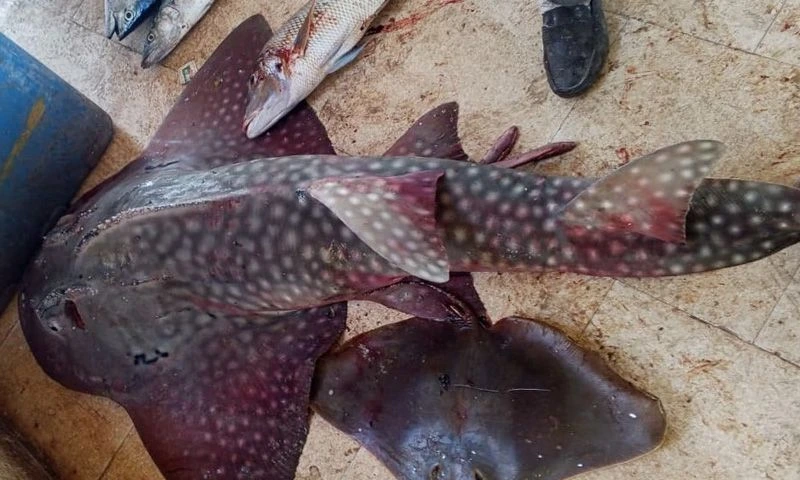
A rare and critically endangered bowhead guitarfish was recently caught in the East Bay of Gwadar, drawing urgent attention to the fragile state of marine biodiversity along Pakistan’s coast. The World Wide Fund for Nature-Pakistan (WWF-Pakistan) confirmed the capture of this exceptionally rare species, locally known as “Koh Baradari” or “Bhuth-khair”. The incident underscores ongoing threats to vulnerable marine life and emphasizes the need for stronger conservation measures. The guitarfish was caught at a depth of around 30 metres and measured approximately 140 centimetres in length, weighing over 65 kilograms, according to WWF-Pakistan’s statement. This species is listed as Critically Endangered on the International Union for Conservation of Nature (IUCN) Red List and is included in Appendix II of the Convention on International Trade in Endangered Species of Wild Fauna and Flora (CITES), restricting international trade due to its high risk of extinction. A Species on the Brink The bowhead guitarfish (Rhina ancylostomus) is one of the rarest elasmobranchs in the world. Its global population has declined by more than 80% in the past 45 years, mainly due to intense fishing pressure and habitat degradation. Historically found across tropical and warm temperate coastal waters from East Africa and the Red Sea to the Pacific islands, sightings have become increasingly scarce in recent years. Unlike many fish species, the bowhead guitarfish reproduces slowly. Females give birth to a small number of pups, typically between two and eleven per litter, limiting the species’ ability to recover from population declines quickly. This biological trait, coupled with its vulnerability to fishing nets and targeted capture for its meat and fins, accelerates its risk of extinction in the wild. Read More: How a Foreign Fish Is Quietly Destroying Pakistan’s Aquatic Life Threats in Pakistan’s Waters In Pakistan, bowhead guitarfish were historically caught year-round, especially between January and March and again in May and September, when seasonal movements brought them closer to shore. However, over the last 15 years, reported catches have dropped sharply, signaling a dramatic population collapse. Fishing communities along the Balochistan coast now see far fewer guitarfish than before. They are often caught accidentally as bycatch in gillnets and trawls and are also targeted because of the value of their fins in certain markets. Despite legal protections under CITES, illegal fishing and weak enforcement persist, further threatening the species’ survival. Conservation Efforts and Challenges WWF-Pakistan has been working with local fishing communities since 2013 to promote awareness and encourage the safe release of accidentally entangled guitarfish and other threatened marine species. However, the organisation acknowledges that effective enforcement remains difficult, and educational outreach must expand to reach more stakeholders. Marine experts stress that increased monitoring, stronger regulations, and active community involvement are essential to protect the remaining bowhead guitarfish population. Without these steps, the species may disappear entirely from Pakistan’s coastal waters. Conservationists also urge the government to strengthen enforcement of fishing regulations and support sustainable fishing practices. Read More: Pakistan’s $80M Seafood Zone at Korangi Aims to Boost Exports and Jobs What the Gwadar Catch Tells Us The rare catch in Gwadar serves as a stark reminder of how close the bowhead guitarfish is to disappearing from its natural range. Its deep historical presence in the Indo-Pacific oceans contrasts sharply with its near absence today, making every sighting significant to scientists and conservationists. The need for urgent action is clear if this unique marine species is to survive for future generation.
Tragedy in India: Umpire Killed by Bee Swarm at Cricket Match
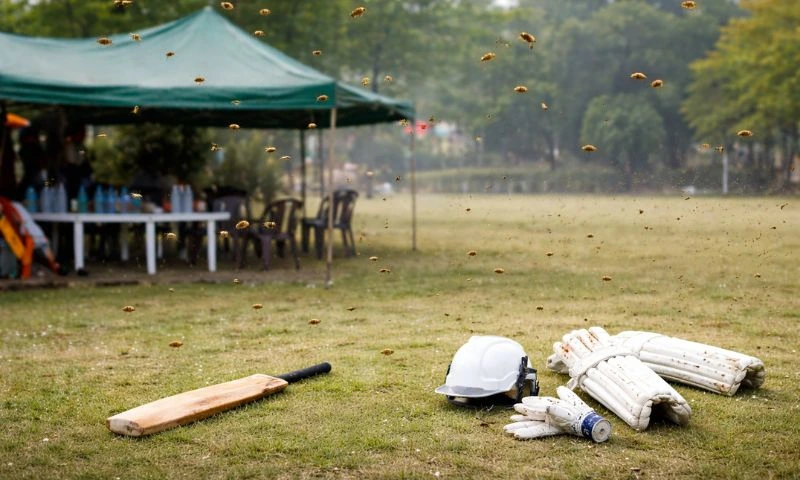
A cricket umpire died and several others were injured on Wednesday during a shocking bee swarm attack at a junior league match in Unnao district near Kanpur, India. The tragic incident left the local cricket community in disbelief and prompted questions on safety around outdoor sporting events. Fatal Incident at Sapru Ground The event occurred during an Under-13 KDMA league game between YMCC and Paramount at the Rahul Sapru Ground in Shuklaganj. A swarm of bees descended on the field, stinging players, officials and spectators who were present during the match. Manik Gupta, a 65-year-old senior umpire and respected figure in the cricketing fraternity, was officiating when the attack began. Gupta was stung repeatedly by the bees and immediately rushed to medical facilities. He was first taken to clinics in Shuklaganj before being transferred to Lala Lajpat Rai Hospital in Kanpur. Doctors declared him dead on arrival after his condition worsened. Players and fellow umpire Jagdish Sharma were also attacked. Sharma and about 15 to 20 players sustained bee stings and were treated in hospital, but officials report that they are now stable and out of danger. Read More: Mystery in Kerala: Beggar’s Death Reveals Indian Rupees 4.5 Lakh and Saudi Currency Chaos and Panic on the Field Eyewitnesses described chaos as the bee swarm struck without warning. Spectators and players dropped their equipment and ran for cover to escape the stings. In desperation, individuals sought shelter under tents and behind trees around the ground. According to police and association sources, the bees remained in proximity to the group for several minutes, creating a dangerous situation that was difficult to mitigate. Tribute from the Cricket Association The Kanpur Cricket Association (KCA) confirmed Gupta’s death and expressed deep sorrow at the loss. S. N. Singh, president of KCA, said officials will provide all possible support to the bereaved family. “When Gupta was being rushed to the hospital, bees were still clinging to his face and body,” Singh told PTI, highlighting the intensity of the attack. Gupta had served as an umpire on the association’s panel for about 30 years and was well known throughout Uttar Pradesh’s cricketing circles. His passing has brought tributes from local teams and officials alike. Safety and Similar Incidents Although sudden bee attacks on sports fields are uncommon, experts say outdoor events in warmer months can attract swarms, especially near flowering trees or beehives. There have been rare but notable cases where bees disrupted athletic matches in the past, including an incident in Thiruvananthapuram in 2019, where a match was halted due to a bee attack, though there were no fatalities. Officials say authorities are investigating the area around the ground to determine if a beehive or colony nearby may have been disturbed prior to the match. Community Reaction News of Gupta’s death has reverberated through the cricket community. Many have called for improved medical support and emergency plans at local matches, especially in rural venues where emergency response can be slower. The tragic incident is a sobering reminder of the unpredictable nature of outdoor sports and the importance of preparedness even at youth and amateur levels.

Video: Internet Horrified After Rat Found in Golgappa Water at Street Stall
A shocking viral video from Amritsar, India shows a live rat swimming in the golgappa (also called pani puri) mixture at a popular roadside stall, sparking strong reactions about hygiene and food safety. The clip has spread rapidly across social media, with thousands of views within hours. What Happened in the Viral Video? The video was posted by content creator @karan_dhanju26 while he and a friend were filming at a street pani puri stall. As they prepared to enjoy the snack, they noticed movement in the large container holding the spiced water and masala mixture. Footage shows the vendor trying to lift the rodent from the contaminated mixture. Eventually, the rat jumps out and escapes into a nearby drain. The vendor was then forced to throw away the entire batch of pani puri water. View this post on Instagram A post shared by Karan (@karan_dhanju26) The creator claimed they were lucky to spot the rat before anyone consumed the contaminated pani puri and had the vendor discard the mixture immediately. Social Media Reaction: Shock, Humor and Hygiene Concerns The video ignited heated debate online. Many users expressed disgust and worry about street food cleanliness. One commenter asked, “Don’t tell me he continued serving that to customers!” while another joked, “Non-veg pani puri,” highlighting how unexpected the incident was. Some viewers also speculated that the video might be edited or AI-generated given how surreal it looked. Others, however, pointed to growing concerns about open container hygiene practices used by many street food vendors. Why Street Food Hygiene Matters Pani puri—a beloved street snack made with crisp hollow puris filled with spicy water, potato, chickpeas and chutneys—is one of India’s most popular chaat foods. Its preparation often involves storing water in open containers and handling ingredients by hand, which can increase contamination risk. Food safety authorities such as the Food Safety and Standards Authority of India (FSSAI) have previously found significant hygiene issues in pani puri sold by street vendors. Studies in Karnataka and Chennai showed that up to 22% of samples tested were below safety standards due to contamination by harmful microbes like E. coli and Salmonella. Past incidents of food contamination in India further underline broader hygiene challenges. Reports have documented instances where rats or rodent droppings were found in dishes at eateries, leading to health authority action and closures in some cities. Public Health and Safety Impact This viral incident has amplified calls for stricter enforcement of food safety standards at street food stalls. While pani puri vendors are a cultural cornerstone of Indian cities, public health experts argue that improved sanitation, cleaner water handling and regular inspections are essential to prevent contamination and foodborne illness.
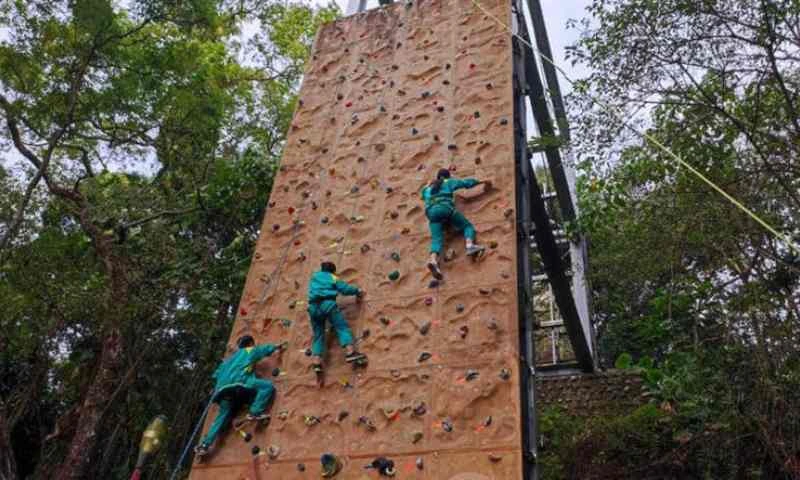
Why a School in Taiwan Made Students Climb a 12-Meter Wall
A unique educational experiment in Taiwan has drawn international attention after a high school introduced a rule requiring students to scale a 12-meter rock-climbing wall before they can receive their graduation certificates. The policy, introduced by Shu-Chi Senior High School in Hsinchu County, aims to build resilience, confidence and problem-solving skills among students. The unusual requirement quickly went viral online, with videos and photos of students tackling the climb being widely shared on social media. The school’s rock-climbing wall is not part of a typical gym class. It was installed as part of a broader physical education and character-building program that school leaders say prepares students for real-world challenges. Principal Lin Chien-Yu explained that the climb is meant to stimulate personal growth. “We want students to be brave enough to take on life’s obstacles,” he said in an interview featured in local media. “Conquering the climbing wall shows them they can push past fear and reach new heights.” Students at Shu-Chi have varied reactions to the requirement. Some enjoy the challenge and see it as a fun way to stay fit, while others find it intimidating. Despite the mixed feelings, most students recognise that the experience teaches perseverance, patience and strategic thinking. Teachers supervise the activity closely and ensure safety gear and trained spotters are always present. Experts in education and child development have praised the idea for promoting physical activity and mental resilience. According to the World Health Organization, adolescents should engage in at least 60 minutes of moderate-to-vigorous physical activity daily to support healthy growth. Activities like rock climbing provide cardiovascular exercise, muscle strength development and enhanced coordination, qualities that benefit students well beyond high school. Rock climbing is increasingly embraced by schools globally as a tool for promoting confidence and teamwork. In the United States, several high schools have added climbing walls to their physical education facilities, with educators noting improvements in student engagement and confidence. These programs often pair climbing with discussions on goal-setting and overcoming fear. Taiwan’s initiative is seen by many as an innovative blend of physical education and character building. While not all schools have adopted similar graduation requirements, many institutions have begun incorporating alternative physical challenges into their curricula. For example, schools in Europe and North America sometimes include outdoor adventure activities such as hiking, kayaking or ropes-course challenges to encourage leadership and resilience. Parents and students alike have shared photos and videos of the compulsory climb on social platforms. Some teens post clips of themselves successfully reaching the top of the wall, while others share humorous footage of peers struggling but ultimately completing the task. These posts have drawn supportive comments from users around the world, many saying the requirement sounds “fun” and “empowering.” Critics argue that not all students may be comfortable with climbing, but the school maintains that participation is safe, supervised and designed to be inclusive. By combining physical challenge with emotional growth, Shu-Chi Senior High School hopes to equip its graduates with confidence and life skills that extend far beyond the classroom.
