

A major privacy controversy has erupted around LinkedIn after an investigation alleged that the platform may have been secretly scanning users’ browsers and collecting highly sensitive data without their knowledge. The findings, published as part of a campaign called “BrowserGate,” are being described by investigators as one of the most serious corporate surveillance cases in the digital era. Massive Data Collection Allegations According to the investigation conducted by Fairlinked e.V., LinkedIn allegedly deployed hidden code on its website that scans users’ browsers for installed software, including extensions. The report claims this process could affect as many as 405 million users globally. The system reportedly checks for more than 6,000 browser extensions using unique identifiers, collects the results, encrypts the data, and transmits it back to LinkedIn servers. Security researchers say this type of tracking goes far beyond typical analytics and enters the realm of device fingerprinting, where a user’s digital environment is mapped in detail. Sensitive Personal Information at Risk One of the biggest concerns raised by investigators is the nature of the data that could be inferred from browser extensions. Some extensions may reveal deeply personal information, including religious beliefs, political views, health conditions, or even whether a user is actively searching for a new job. Because LinkedIn profiles are tied to real identities, including names, employers, and job titles, this data could potentially be linked directly to identifiable individuals, raising serious privacy risks. Experts warn that combining such behavioral data with real-world identities could create highly detailed personal profiles. Silent Tracking Without Consent The report alleges that all of this data collection happens silently in the background, without explicit user consent and without clear disclosure in LinkedIn’s privacy policy. Investigators argue that such practices could violate global data protection laws, especially in regions where explicit consent is required for collecting sensitive personal data. A security expert quoted in discussions around the investigation described the operation as a system that can “map the exact tooling stack” of users and organizations, highlighting its potential use for competitive intelligence. Data Sharing With Third Parties The investigation further claims that LinkedIn may share collected data with external partners, including HUMAN Security, a cybersecurity firm with links to intelligence-sector professionals. This aspect of the report has intensified concerns about how user data may be distributed beyond the platform itself. LinkedIn Denies Allegations LinkedIn has strongly rejected the claims, stating that any browser detection mechanisms are used strictly to maintain platform integrity and prevent abuse, such as scraping or automated bot activity. The company maintains that it does not engage in unauthorized surveillance and that its systems are designed for security purposes. Growing Concerns Over Platform Privacy The controversy comes at a time when large technology platforms are already under scrutiny for data practices. LinkedIn, owned by Microsoft, has faced past criticism over data handling and security incidents, including large-scale data leaks and scraping controversies. Cybersecurity experts say the BrowserGate allegations highlight a broader issue in the tech industry, where the line between security monitoring and invasive surveillance is becoming increasingly blurred. What This Means for Users Privacy advocates are urging users to review their browser extensions, limit unnecessary permissions, and stay informed about how their data is being used. Some experts also recommend using privacy-focused browsers or disabling extensions that may expose sensitive behavior patterns. As investigations continue, the BrowserGate case could trigger regulatory action and legal challenges, potentially reshaping how platforms collect and process user data.

FIA Introduces AI System to Track Most Wanted Criminals in Pakistan
Pakistan’s Federal Investigation Agency is set to deploy a new artificial intelligence based system designed to track and identify the country’s most wanted criminals in real time. The move is part of a broader push to modernise law enforcement and improve the ability to locate fugitives who attempt to evade capture by altering their appearance. Officials say the system will use advanced AI tools to generate updated visuals of suspects based on older photographs, allowing authorities to predict how a person may look over time. This means even if a suspect changes their hairstyle, grows a beard or alters facial features, the system can still help identify them. The FIA chief stated that under the new system, it would be “impossible” for criminals to hide their identity simply by changing their appearance. Digital ‘Red Book’ Gets Major Upgrade At the centre of this initiative is a modernised version of the FIA’s “red book,” which contains detailed records of the most wanted individuals. The updated version will now be digitised and enhanced with AI-powered features, making it accessible to law enforcement officials across the country and, in some cases, even to the public. The database will include comprehensive information such as CNIC numbers, passport details, phone records, bank accounts, known associates, family members and distinguishing physical features. It will also carry details of FIRs and the status of court cases. Authorities believe that integrating such extensive data into a single digital system will significantly improve coordination between agencies and speed up investigations. Focus on Human Smuggling Networks The upgraded system will also play a key role in tracking human traffickers, a major concern for Pakistani authorities following repeated migrant tragedies. According to officials, the red book currently includes 143 human traffickers wanted in various cases registered under anti-human trafficking units. The database will also map their routes, areas of operation and last known locations, helping authorities disrupt organised smuggling networks. The FIA has been intensifying its crackdown on such networks, warning citizens against illegal migration routes that often lead to deadly incidents. Shift Towards Digital Policing The introduction of AI tools reflects a broader shift towards digital governance and modern policing methods in Pakistan. Officials say the aim is to replace outdated manual systems with integrated digital platforms that allow real-time monitoring and data-driven decision-making. “Through systematic digitisation of investigations, inspections, accountability, and human resources processes, FIA has moved toward institutionalising e-governance and modern law enforcement practices,” the FIA chief said. The agency has also implemented internal accountability mechanisms using digitised processes, including inquiry systems and departmental proceedings, to improve transparency and oversight. Integration With Existing Systems Pakistan has already used advanced identification tools such as biometric systems for law enforcement, including fingerprint databases developed with support from national institutions. These systems have helped authorities identify suspects in criminal cases and track individuals across different regions. The addition of AI-based facial and visual tracking capabilities is expected to further strengthen these efforts by adding predictive and analytical layers to existing databases. Broader Security Implications Experts believe that the use of artificial intelligence in policing could significantly improve the efficiency of investigations and reduce the time needed to track fugitives. However, the success of such systems will depend on data accuracy, inter-agency coordination and safeguards to prevent misuse. The move signals Pakistan’s growing reliance on technology to tackle complex crimes such as human trafficking, financial fraud and organised criminal networks, areas where traditional methods have often struggled.
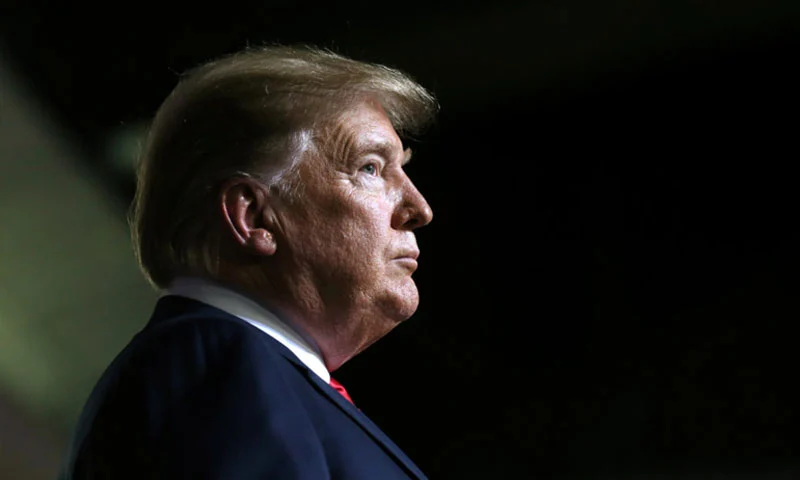
Trump Health Speculation Explodes After Sudden Disappearance, White House Responds
Fresh speculation about US President Donald Trump’s health spread rapidly after his unexpected absence from public engagements triggered concern across political circles and social media. The speculation intensified when it was announced that Trump would not appear publicly for the rest of the day, breaking from his usual routine. His absence during a period of heightened geopolitical tension added to the unease, with many questioning whether a medical issue was behind the sudden change. Unverified claims quickly surfaced online suggesting that the president had been rushed to Walter Reed National Military Medical Center, fueling widespread debate and concern. Viral Claims and Growing Uncertainty Social media played a central role in amplifying the rumours, with posts claiming emergency movement in Washington and suggesting a possible health scare involving the president. The situation escalated further as Trump was also absent from his regular weekend activities, including his well-known golf outings, which have historically been a consistent part of his schedule. Health speculation around Trump has been a recurring issue throughout his presidency, often driven by public appearances, visible physical signs, and his age, making him one of the oldest leaders to hold the office. Trump’s Health History Under Scrutiny Over the years, Trump’s health has remained a topic of intense public and media scrutiny. Previous instances, including visible bruising on his hands and reports of medical scans, have periodically sparked similar waves of speculation. At one point, Trump himself addressed concerns, stating, “I did. I got an MRI. It was perfect,” while maintaining that his overall health condition remained strong. Despite repeated reassurances, such moments have continued to raise questions among observers, especially during periods of limited public visibility. White House Breaks Silence After hours of growing speculation, the White House stepped in to dismiss the claims and clarify the situation. Trump’s spokesperson Steven Cheung rejected the rumours, stating that the president had not been hospitalized and was actively working. “There has never been a President who has worked harder for the American people than President Trump,” he said, adding that Trump “has been working nonstop in the White House and Oval Office.” Officials emphasized that there was no medical emergency and that the president remained fully engaged in his duties. Information Vacuum Fuels Speculation Analysts say the episode highlights how quickly speculation can grow when there is limited official information, especially concerning high-profile political figures. In the absence of immediate clarity, social media narratives often dominate, creating a cycle where unverified claims gain traction before official statements emerge. The incident once again underscores the intense public interest in presidential health and the political implications that such speculation can carry. Situation Stabilises but Questions Remain While the White House has firmly denied the rumours, the episode reflects the fragile balance between transparency and speculation in modern politics. For now, officials maintain that there is no cause for concern. However, the rapid spread of rumours has once again placed Trump’s health under the spotlight, ensuring that the topic remains a point of public attention.
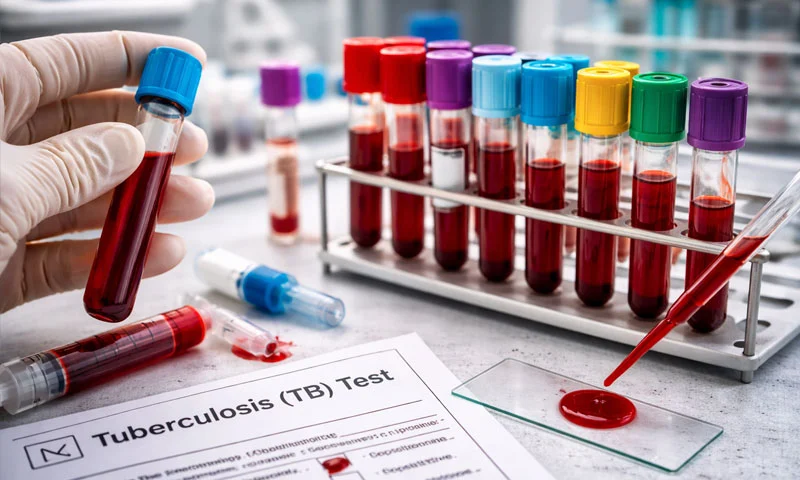
New Blood Test Detects Active Tuberculosis in Major Breakthrough
A new blood test capable of detecting active and infectious tuberculosis is being seen as a major breakthrough in the fight against one of the world’s deadliest diseases. Unlike traditional methods, the test can identify whether a person has active TB, the stage at which the disease is contagious and dangerous. Experts say this development could significantly improve early detection and help prevent the spread of tuberculosis, especially in high-burden countries like Pakistan, India and Bangladesh. How the New Blood Test Works The test works by analyzing how the immune system responds to specific tuberculosis proteins. When a small blood sample is exposed to these proteins, the test measures the body’s reaction to determine whether the infection is active. Unlike older blood tests such as the interferon gamma release assay, which only detect exposure to TB bacteria, the new method identifies antibodies linked specifically to active disease. This allows doctors to distinguish between patients who are currently sick and those who were exposed in the past but are not contagious. Why Current Tests Fall Short Existing diagnostic tools, including the TB skin test and standard blood tests, have a major limitation. They cannot differentiate between latent TB and active TB. Latent TB means the bacteria are present in the body but inactive, causing no symptoms and posing no risk of spreading. Active TB, on the other hand, is the dangerous form that spreads through coughing, sneezing or close contact. Experts note that a large portion of the global population carries latent TB, making it difficult to identify who actually needs urgent treatment. Clinical Trials Show Promising Results The new blood test has already shown strong performance in clinical trials involving more than 600 participants. Researchers found that it was effective in detecting pulmonary TB, which accounts for the majority of cases, as well as harder-to-diagnose infections in children and in organs outside the lungs. One researcher described the results as highly encouraging, saying the test performed “surprisingly well” across different patient groups. A Game Changer for Developing Countries Tuberculosis remains a major global health challenge, with over 10 million new cases reported each year and millions of deaths worldwide. The burden is particularly high in developing countries, where access to advanced diagnostic tools is limited and delays in detection often lead to further spread of the disease. Experts believe that a simple and accurate blood test could transform TB control efforts by enabling faster diagnosis, earlier treatment and better tracking of infectious cases. If approved for widespread use, the new test could become a key tool in global health strategies aimed at eliminating tuberculosis. Researchers are now working to expand its availability and adapt it for routine clinical use. The development also reflects a broader push toward innovative diagnostics that are faster, more accurate and easier to deploy in resource-limited settings. With tuberculosis continuing to pose a serious threat worldwide, the ability to quickly identify active cases could prove critical in reducing infections and saving lives.
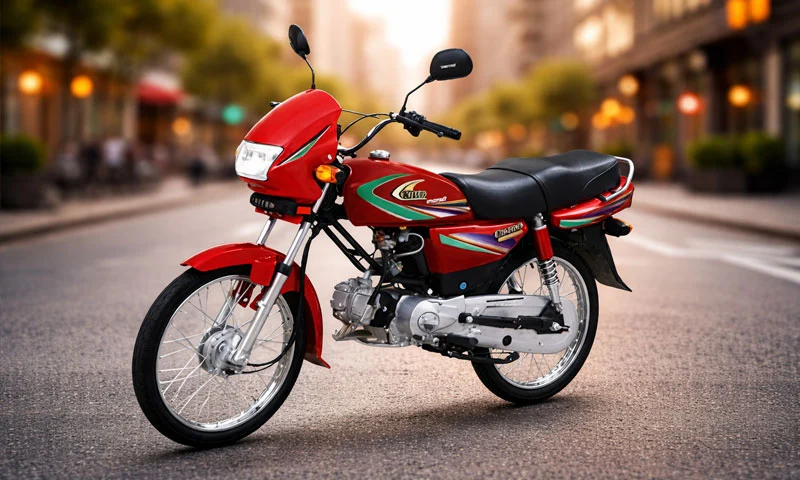
United Motorcycles Prices Increased in Pakistan Amid Rising Costs
United Auto Industries has increased the prices of its motorcycles in Pakistan, adding further pressure on consumers already dealing with rising fuel and transportation costs. The new prices have been implemented across several models, including the popular 70cc, 100cc and 125cc bikes that are widely used for daily commuting. The latest revision reflects a broader trend in the local motorcycle market, where manufacturers are adjusting prices in response to increasing production costs and economic challenges. Key Models See Noticeable Increase The price hike has affected entry level bikes the most, particularly those in the 70cc category, which are commonly used by students and low income riders. The United US 70, one of the most popular budget motorcycles, has seen a noticeable increase, making it less affordable for many buyers. Similarly, the United US 100 and 125cc variants have also witnessed price revisions, pushing overall costs higher for consumers across different segments. Market data shows that United motorcycles remain among the more affordable options in Pakistan, with prices typically ranging from around Rs108,500 for basic models to over Rs300,000 for higher-end variants, depending on features and specifications. Reasons Behind the Price Increase The increase in prices has been attributed to multiple factors, including rising raw material costs, currency depreciation and higher operational expenses. Manufacturers are facing mounting pressure due to the weakening rupee against the US dollar, which directly impacts the cost of imported components used in local assembly. Industry experts also point to inflation and increased transportation costs as key drivers behind the upward revision in motorcycle prices. Impact on Consumers The latest price hike is expected to hit middle and lower income groups the hardest, as motorcycles remain the primary mode of transportation for millions of Pakistanis. With fuel prices already at record levels, the additional cost of purchasing a bike is likely to reduce affordability and delay buying decisions for many households. United motorcycles have long been considered a budget friendly option due to their relatively lower prices and fuel efficiency, especially for city commuters. However, the recent increase may narrow the affordability gap between different brands in the market. Broader Market Trend The price revision by United Auto Industries is part of a wider pattern seen across Pakistan’s auto sector, where multiple manufacturers have raised prices in recent months. Economic uncertainty, high inflation and import restrictions have collectively contributed to higher vehicle costs across the board. As a result, consumers are facing a double burden of rising purchase prices and increasing fuel expenses, making everyday transportation more expensive. Outlook for the Market Experts believe that unless economic conditions stabilize, further price adjustments may remain likely in the coming months. Manufacturers are expected to continue passing on cost increases to consumers as they struggle to maintain margins. For buyers, this means that motorcycles, once considered the most economical mode of transport, are gradually becoming more expensive, reflecting the broader financial pressures facing Pakistan’s economy.
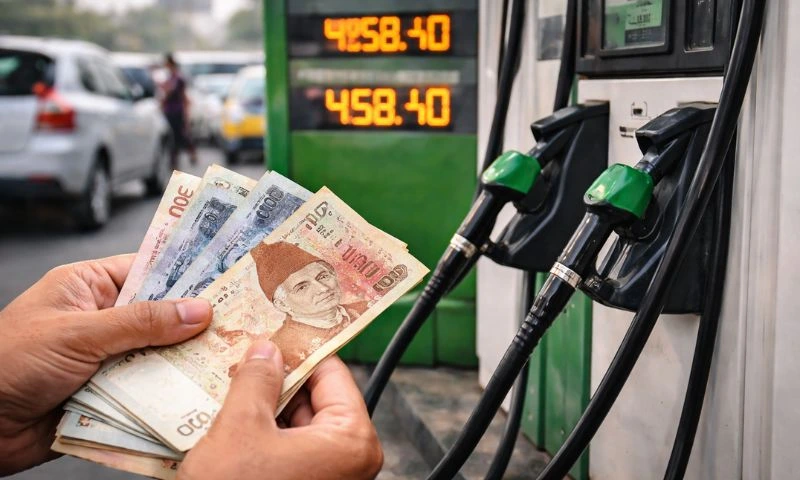
Petrol Price Truth: Nearly Half of Petrol Price Is Taxes and Margins
As petrol prices in Pakistan surge to record levels, new official data reveals that a significant portion of what consumers pay at the pump is not the actual fuel cost but taxes, levies and profit margins. According to government documents, Pakistanis are paying around Rs211.26 per litre in taxes and margins alone, which accounts for nearly 46% of the total petrol price of Rs458.41 per litre. This revelation comes just days after the government increased petrol prices by Rs137.23 per litre and diesel by Rs184.49 per litre amid rising global oil prices. Petrol Price Breakdown Shows Nearly Half Goes to Taxes The official pricing structure highlights how the final petrol price is built up. Out of Rs458.41 per litre: Rs247.15 is the ex-refinery price Rs211.26 is made up of taxes, levies and margins This means almost half of what consumers pay does not go toward the actual fuel itself. The largest component is the petroleum levy, which stands at Rs160.61 per litre, followed by Rs24.12 in customs duty and Rs2.5 under a climate support levy. Additional costs include: Rs7.52 inland freight margin Rs7.87 profit for oil marketing companies Rs8.64 commission for petrol pump dealers Diesel Carries Lower Tax Burden but Higher Price Impact In contrast to petrol, diesel has a much lower tax component but remains more expensive overall. Consumers pay about Rs59.12 per litre in taxes and margins on diesel, which accounts for around 11.36% of the total price. The ex-refinery price of diesel stands significantly higher at Rs461.23 per litre, explaining why its overall price has reached Rs520.35 per litre. Unlike petrol, diesel does not currently include a petroleum levy, but it still carries customs duties, freight margins and profit components. Global Oil Crisis Driving Local Prices Higher The sharp increase in fuel prices is closely linked to global developments. International oil markets have been disrupted due to the ongoing conflict in the Middle East, which has pushed prices upward and forced import-dependent countries like Pakistan to pass on costs to consumers. Pakistan imports a large portion of its fuel, making it highly vulnerable to global price shocks. What This Means for Consumers The data highlights why fuel prices feel disproportionately high for consumers. Even if global oil prices stabilise, a large portion of petrol cost will still come from domestic taxes and margins. For an average car owner using 20 litres weekly: Around Rs4,200 of the bill goes toward taxes and margins Only about Rs4,900 reflects the actual fuel cost This structure means any increase in taxes or levies can significantly impact final prices. Ripple Effect on Inflation and Cost of Living High fuel costs combined with heavy taxation are expected to push inflation further. Fuel directly impacts: Transport costs Food supply chains Electricity generation Economists warn that rising fuel costs will continue to increase the price of essential goods, placing additional pressure on households already dealing with high inflation. Policy Debate Over Fuel Taxes Intensifies The breakdown has reignited debate over fuel taxation in Pakistan. Critics argue that high petroleum levies are being used as a major revenue source for the government, adding pressure on consumers. Pakistan’s economy relies heavily on taxation for revenue generation, which makes fuel levies an important but controversial tool. Supporters, however, say reducing taxes would widen the fiscal deficit and limit government spending on development and subsidies. A Structural Issue Beyond Just Price Hikes The latest data shows that Pakistan’s fuel pricing issue is not just about rising global oil prices but also about domestic taxation policies. With nearly half of petrol cost made up of taxes and margins, any meaningful relief for consumers would require structural changes in how fuel is priced. For now, however, consumers continue to bear the combined burden of global oil shocks and domestic fiscal policies.
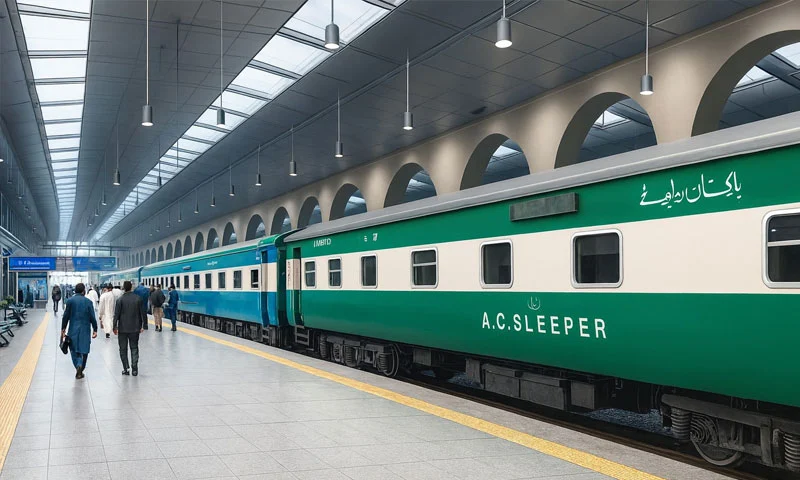
Government Decides Not to Increase Pakistan Railway Fares Despite Fuel Price Surge
The federal government has decided to keep train fares unchanged despite a sharp rise in fuel prices, in a move aimed at protecting passengers from further financial pressure. The decision comes at a time when petrol and diesel prices have surged significantly, increasing the cost of transportation across the country. Officials confirmed that passenger train fares will remain frozen, with the government choosing to absorb the additional financial burden instead of passing it on to commuters. Relief Amid Fuel Price Surge The move is part of a broader relief strategy designed to ease the impact of rising fuel costs on ordinary citizens. With fuel prices climbing due to global market pressures and domestic adjustments, transport fares across the country have already been increasing, affecting daily commuters and low income groups. By freezing train fares, authorities aim to provide an affordable travel option, especially for those who rely on railways for long distance journeys. Officials said the decision would help maintain accessibility and prevent further inflationary pressure on essential travel. Government to Bear Financial Burden To sustain the decision, the government has committed to covering the additional operational costs incurred by Pakistan Railways due to higher diesel prices. Reports indicate that billions of rupees will be allocated to compensate for the shortfall created by the fare freeze. This approach reflects a shift toward targeted relief measures, where the state absorbs part of the cost to ensure public services remain affordable during economic stress. The decision marks a reversal from earlier trends, when Pakistan Railways had increased fares following fuel price hikes. In March, fares for passenger and freight trains were raised after diesel prices surged, adding to the financial burden on travelers. The latest move signals a policy change, prioritising public relief over cost recovery in the short term. Experts say freezing train fares could help stabilize transportation costs and reduce pressure on prices of essential goods, as railways play a key role in both passenger travel and freight movement. Maintaining stable fares may also encourage more people to shift from road to rail transport, which is often more cost effective and fuel efficient. At a time when inflation remains high, such measures are seen as crucial in supporting household budgets. The fare freeze is part of a wider set of relief initiatives being implemented across Pakistan in response to the ongoing fuel crisis. Governments at both federal and provincial levels have announced subsidies and support packages targeting transport, agriculture and low income groups. Officials have indicated that these measures are temporary and may be reviewed once fuel prices stabilize and economic conditions improve.
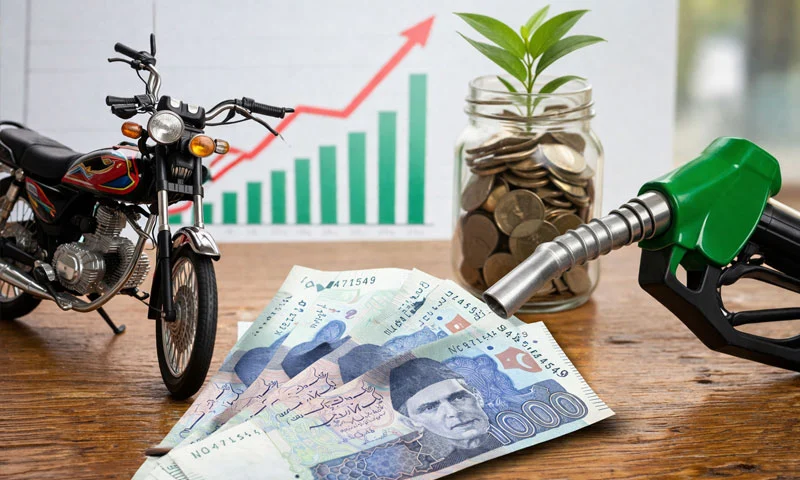
Sindh Government Announces Rs2,000 Monthly Petrol Subsidy for Motorcyclists
The Sindh government has announced a monthly petrol subsidy of Rs2,000 for registered motorcyclists in a major relief measure aimed at easing the burden of rising fuel prices. The decision comes at a time when petrol costs in Pakistan have surged sharply, putting pressure on daily commuters and low income households. Chief Minister Murad Ali Shah made the announcement during a press conference, stating that the subsidy is part of a targeted strategy to support those most affected by the recent price hikes. He acknowledged that difficult economic decisions had been taken but emphasized that the government is now focusing on providing direct relief to citizens. Who Will Get the Subsidy The subsidy will be provided to motorcyclists whose vehicles are properly registered in their own name. Authorities have clarified that only those individuals whose motorcycles are linked to their CNIC will be eligible to receive the financial assistance. Officials noted that Sindh has millions of registered motorcycles, many of which are not in the actual owner’s name. To address this, the government has also removed motorcycle transfer fees to encourage people to register vehicles correctly and become eligible for the subsidy. How the Registration Process Will Work The government is preparing to launch a digital registration system, expected to go live within a few days of the announcement. Applicants will be required to enter their CNIC details into the system, which will verify ownership through official databases. Once verified, eligible applicants will also need to provide their bank account details, including IBAN, so that the subsidy can be transferred directly to them. Payments are expected to begin soon after the registration process is completed. Direct Cash Transfer Model Unlike previous subsidy models where fuel prices were reduced at the pump, this initiative will provide direct cash transfers to beneficiaries. Each eligible motorcyclist will receive Rs2,000 per month, ensuring transparency and reducing the chances of misuse. Officials have indicated that the subsidy may initially be rolled out as a trial program for a limited period before being expanded or adjusted based on results. Part of Broader Fuel Relief Strategy The subsidy is part of a wider relief plan being implemented across Pakistan in response to the ongoing fuel crisis. Authorities have also announced support measures for farmers and transport operators, highlighting a shift toward targeted subsidies rather than blanket relief. The move follows significant increases in petrol prices, which have risen sharply in recent weeks due to higher global oil costs and domestic fiscal adjustments. Focus on Targeted Subsidies Officials say the new system is designed to ensure that financial support reaches those who truly need it. By linking subsidies to CNIC and vehicle ownership, the government aims to create a transparent and efficient mechanism for distributing relief. The initiative reflects a broader policy shift toward digitization and targeted welfare programs, especially under economic constraints that limit the government’s ability to provide universal subsidies.
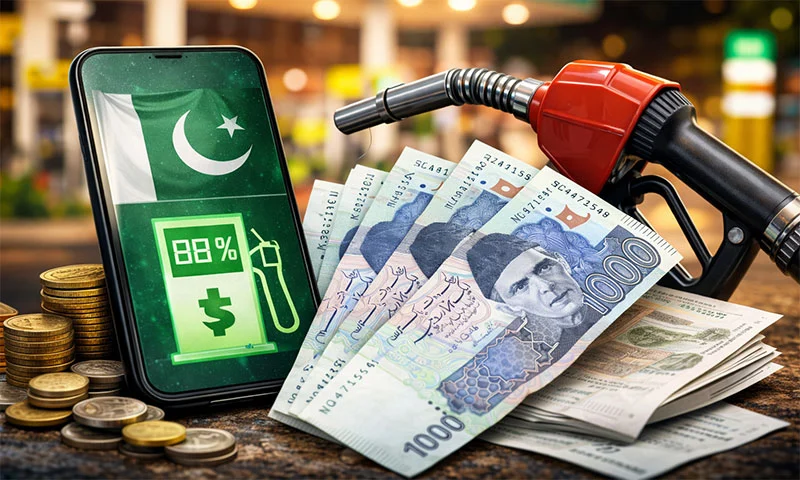
Who Can Get Subsidised Petrol in Pakistan and How? Complete Guide
Pakistan’s government is moving toward a targeted petrol subsidy system aimed at providing relief to low income citizens, particularly motorcycle riders, rickshaw drivers and small vehicle owners who are most affected by rising fuel prices. The initiative is part of broader efforts to shift from blanket subsidies to a more controlled and transparent distribution system that ensures only deserving individuals benefit. The scheme is expected to work through a digital verification system linked to CNIC and vehicle registration details, allowing authorities to monitor fuel usage and prevent misuse while easing financial pressure on vulnerable groups. SMS Registration Process Explained To make the system accessible to people without smartphones or internet access, an SMS based registration method has been introduced. Under this method, users can apply by sending their CNIC details through a simple text message. The process requires users to open their mobile messaging app, type their 13 digit CNIC number without dashes and send it to a designated shortcode. After sending the message, applicants receive a confirmation response along with further instructions regarding their eligibility and subsidy status. In some versions of the system being discussed, users may also need to provide vehicle details such as registration number to complete verification before receiving a fuel quota or voucher. Verification and Subsidy Allocation Once registered, the system checks the applicant’s details against government databases, including NADRA and vehicle registration records. If the applicant meets the criteria, they are approved for a monthly fuel quota under the subsidy program. The approved users may then receive a digital code or voucher, which can be used at designated petrol pumps to purchase fuel at a subsidized rate. The process is designed to be quick and efficient, with confirmation messages often sent within seconds of registration. Eligibility Criteria for Applicants The subsidy is primarily aimed at individuals with lower income levels who rely on fuel for daily commuting or livelihood. Applicants are generally required to have a valid CNIC, a registered vehicle in their name and a mobile number linked to their CNIC. Income thresholds are also expected to be applied to ensure that only deserving households qualify for the benefit. Motorcycles and rickshaws are likely to remain the primary focus of the scheme, while inclusion of small cars is still under consideration as part of future expansion. Shift Toward Digital Fuel Distribution The SMS system is part of a broader digital fuel quota strategy that includes a mobile application and QR based voucher system. Under this approach, users will eventually be able to track their fuel usage, generate vouchers and access subsidies through a centralized digital platform. The system is designed to ensure transparency, reduce corruption and prevent overconsumption by assigning a fixed monthly quota to each eligible user. This quota is expected to range between 20 to 30 litres for motorcycles and similar vehicles. Caution Over Unverified SMS Claims While SMS registration has been widely discussed, experts and reports suggest that not all numbers circulating on social media are officially confirmed. Some sources indicate that the government is still finalizing the system and may rely more heavily on an app based approach for full implementation. Authorities have advised citizens to rely only on official announcements and avoid sharing personal information such as CNIC details with unverified sources to prevent fraud or misuse. Part of Broader Economic Reforms The petrol subsidy initiative reflects Pakistan’s ongoing economic reforms aimed at reducing fiscal pressure while still providing relief to the most vulnerable segments of society. With fuel prices continuing to rise, the government is under pressure to balance financial sustainability with public support measures. By introducing a targeted and technology driven system, policymakers aim to ensure that subsidies are distributed fairly, efficiently and transparently, marking a significant shift in how fuel relief programs are managed in the country.
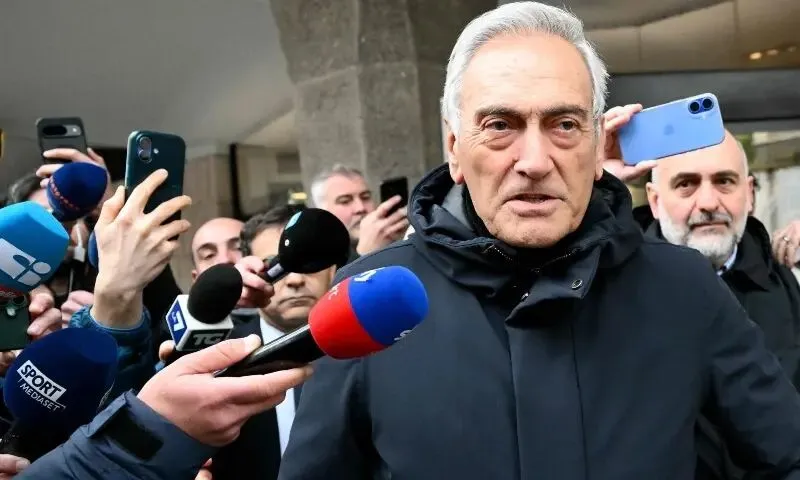
Italy Football Chief Resigns After World Cup Disaster
The head of Italy’s football federation has stepped down following the national team’s latest World Cup qualification failure, marking a major turning point for one of the world’s most successful football nations. Italian Football Federation president Gabriele Gravina resigned after Italy failed to qualify for the FIFA World Cup for a third consecutive time, triggering widespread criticism and calls for reform. Resignation Follows Historic World Cup Failure Italy, a four-time world champion, suffered a shock elimination in the qualification playoffs after losing on penalties to Bosnia and Herzegovina. The defeat confirmed that Italy will miss yet another World Cup, extending a historic decline for a nation that last played in the tournament in 2014. Gravina stepped down shortly after the loss, reversing his earlier stance to remain in position until a scheduled board meeting. “After many years there is a feeling of great bitterness, but great serenity,” he said, explaining his decision to resign after careful consideration. Political Pressure and Public Outrage Build The resignation came after strong pressure from the Italian government, with Sports Minister Andrea Abodi openly calling for leadership change. “It’s clear that Italian football needs to be rebuilt from the ground up,” Abodi said, reflecting growing frustration over repeated failures. Fans and political figures alike criticised the federation, with some calling the situation an “unacceptable disgrace” and demanding a complete overhaul of the system. The defeat has triggered what many describe as a national crisis in Italian football. Read More: Italy Knocked Out Again: Miss Third Straight World Cup After Penalty Shock A Decline Despite Past Success Gravina had been in charge since 2018 and oversaw Italy’s triumph at Euro 2020, one of the highlights of his tenure. However, that success has been overshadowed by repeated failures to qualify for the World Cup, raising questions about structural issues in Italian football. Italy has not won a World Cup match since lifting the trophy in 2006 and has struggled to maintain its dominance on the global stage. Experts point to problems such as: Weak youth development systems Overreliance on foreign players in domestic leagues Outdated infrastructure Crisis Deepens With More Resignations The fallout from the World Cup failure has extended beyond the federation chief. Legendary goalkeeper Gianluigi Buffon also resigned from his role as head of delegation, citing responsibility for the team’s failure. Reports suggest that national team coach Gennaro Gattuso could also step down, as pressure mounts for sweeping changes across the system. This wave of exits highlights the scale of the crisis facing Italian football. Future Uncertain as Rebuild Begins The federation will now hold an extraordinary assembly to elect a new president, with major decisions expected on leadership and strategy. Italy is also facing additional pressure from UEFA over infrastructure concerns, with warnings that it could lose hosting rights for Euro 2032 if stadium upgrades are not completed in time. Experts say the country must act quickly to rebuild its football system and restore its international standing. Read More: FIFA World Cup 2026 at Risk Amid Escalating US–Iran Conflict A National Wake-Up Call Italy’s latest World Cup failure is being seen as more than just a sporting setback. It represents a broader decline in a footballing system that once dominated the world stage. For a country where football is deeply tied to national identity, the absence from three consecutive World Cups has become a defining crisis. The resignation of the federation chief may be the first step in a long and difficult rebuilding process.
