

A major social and economic shift is underway across the world as women’s earnings and financial independence continue to rise, driven by increased participation in the workforce, entrepreneurship, and education. The trend, highlighted in recent social media discussions and supported by global data, shows that more women are not only working but also contributing significantly to household incomes and national economies. Sharp increase in women joining workforce Global data indicates that women’s participation in the workforce has been steadily improving, with women now making up over 41 percent of the global workforce in 2024. In several regions, women have accounted for a large share of new job creation. In parts of Europe, for example, women made up nearly 68 percent of new employment over two decades, reflecting a strong upward trend. This rise is being driven by factors such as better access to education, digital opportunities, and shifting cultural norms that increasingly support women working outside the home. Women’s income contribution increasing globally As more women join the workforce, their contribution to global income is also growing. Recent estimates show that around 1.4 billion women are now employed worldwide, contributing significantly to economic output, although gaps with male earnings still remain. In developed economies, women contribute up to 40 percent of export-related economic value, underlining their expanding role in global trade and industry. Experts say this growth is not only empowering women but also boosting overall economic development, as increased female participation directly contributes to GDP growth. Rise of women entrepreneurs and self-employment Another key driver behind rising earnings is the rapid growth in women-led businesses and self-employment. In countries like India, female self-employment has surged significantly in recent years, reflecting a shift toward financial independence and entrepreneurship. Digital platforms, freelancing, and online businesses have also opened new income streams for women, particularly in developing countries where traditional job opportunities may be limited. Changing social dynamics and household roles The rise in women’s earnings is also transforming household dynamics. In many families, women are now major contributors or even primary earners, changing long-standing gender roles. This shift is helping improve decision-making power for women within households and society. Recent reports also show that in some economies, women are beginning to outnumber men in certain sectors of employment, reflecting a structural shift in labor markets. Challenges remain despite progress Despite the positive trend, significant challenges still exist. Globally, women are still less likely to be employed than men, with participation rates just above 50 percent compared to around 80 percent for men. A large proportion of women also work in informal sectors, where job security and income stability are limited. Nearly 60 percent of women’s employment globally falls into this category. The gender pay gap also persists, meaning that even as women earn more than before, they still earn less than men on average. A turning point for women’s economic empowerment Experts describe the current trend as a turning point in global economic history. As more women gain financial independence, the long-term impact is expected to extend beyond individual households to entire economies, potentially adding trillions of dollars to global GDP if gender gaps continue to close. The rising earnings of women signal not just economic progress but also a broader transformation in social structures, where financial empowerment is increasingly becoming a key pillar of gender equality.
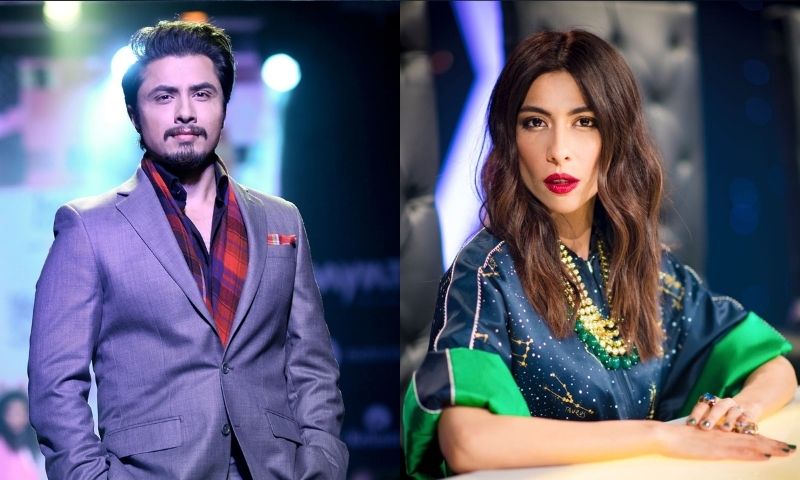
Meesha Shafi Ordered to Pay Rs5 Million in Damages as Court Sides with Ali Zafar
A sessions court in Lahore has ordered singer Meesha Shafi to pay Rs5 million in damages to singer and actor Ali Zafar in a high-profile defamation case stemming from sexual harassment allegations. According to the court’s short order, the statements made by Shafi through a social media post and an interview were declared defamatory and unsubstantiated. The court stated that these claims “contain false, defamatory and injurious imputations against the plaintiff (Zafar)” and that the allegations “have not been proved to be true or made for public good.” The ruling concluded that the accusations constituted actionable defamation under the law. Compensation awarded for reputational damage The court awarded Rs5 million to Ali Zafar as general damages, citing harm to his reputation, dignity, and mental well-being. The order stated, “Accordingly, a sum of Rs5,000,000 … is awarded to the plaintiff as general damages only, recoverable from the defendant.” However, the court did not accept claims for additional or special damages, noting that these were “not proved through cogent and reliable evidence.” Permanent restriction imposed on Meesha Shafi In a significant directive, the court also imposed a permanent restriction on Shafi, barring her from repeating the allegations in any form. The order stated that the defendant is “permanently restrained from repeating, publishing, or causing to be published… the aforesaid defamatory allegations… in any form of media, including print, electronic or social media.” Background of the case The case dates back to 2018, when Meesha Shafi publicly accused Ali Zafar of sexual harassment, claiming that the incidents occurred on multiple occasions. In response, Zafar filed a defamation lawsuit, arguing that the allegations severely damaged his public image and caused distress to him and his family. He initially sought Rs1 billion in damages. The legal battle continued for several years, with both sides presenting arguments and evidence before the court. Arguments presented in court During the final hearings, Zafar’s lawyer, Advocate Umar Tariq Gill, maintained that the allegations were false and had caused significant reputational harm. He argued that no other individual had ever made similar accusations against the singer. On the other hand, Shafi’s counsel, Advocate Saqib Jilani, urged the court to dismiss the case. He argued that no concrete evidence had been presented by the plaintiff and emphasized that Shafi had consistently maintained her account throughout cross-examination. The defence also contended that Shafi should not be penalised for speaking about her personal experiences. Verdict follows conclusion of hearings The court had concluded hearing arguments from both sides a day earlier, signalling that a final verdict would be announced shortly. The judgment delivered on Tuesday brings a major legal development in one of Pakistan’s most closely followed celebrity disputes. Broader context The case became one of the most prominent #MeToo-related controversies in Pakistan, sparking nationwide debate about workplace harassment, defamation laws, and the burden of proof in such cases. Legal experts note that the ruling may have wider implications for how defamation and harassment allegations are handled in Pakistan’s courts, especially when they involve public figures and social media statements.

Fuel Prices Surge, Expenses Rise: How to Save Money in Tough Times
The ongoing conflict in the Middle East has triggered a fresh wave of global inflation, with rising fuel prices pushing up the cost of goods and services worldwide. From food and transportation to utilities and daily essentials, households across countries, including Pakistan, are feeling the financial strain. Governments and financial experts are increasingly urging citizens to adopt cost-cutting measures and smarter spending habits to navigate the economic pressure. Why Prices Are Rising Across the Board Fuel remains the backbone of global trade and logistics. As oil prices climb due to regional instability, transportation costs surge, leading to a domino effect on food, manufacturing, and retail prices. This ripple effect has made inflation more persistent and harder to control, especially in developing economies. Where Can You Cut Expenses Effectively? While inflation is unavoidable, strategic financial adjustments can significantly reduce its impact. 1. Energy Consumption Electricity and gas bills can be reduced by: Switching to energy-efficient appliances Using LED lighting Limiting peak-hour usage 2. Transportation Fuel costs are one of the biggest contributors to monthly expenses: Carpooling or using public transport Combining errands into fewer trips Maintaining vehicles for better fuel efficiency 3. Food and Groceries Food inflation is rising globally: Buying in bulk for essential items Choosing local and seasonal products Reducing food waste through meal planning 4. Subscriptions and Digital Spending Many households overlook: Unused streaming subscriptions Paid apps and memberships Auto-renewals Cutting these can save a surprising amount monthly. Smart Saving Strategies People Often Ignore 1. “Micro-Saving” Habit Saving small amounts daily or weekly can build significant reserves over time. Even spare change strategies or rounding-off savings can work. 2. Cash-Based Budgeting Using cash instead of digital payments helps control impulsive spending and increases financial awareness. 3. Bulk Utility Planning Prepaid packages, annual subscriptions (when discounted), and shared family plans often reduce long-term costs. 4. Repair Instead of Replace In an inflationary environment, repairing electronics, clothes, and furniture can save substantial money. 5. Community Sharing Economy Borrowing, renting, or sharing tools, appliances, or even rides within communities is becoming a cost-effective trend globally. The Bigger Picture: A Shift Toward Financial Discipline Experts believe that this wave of inflation may persist longer than expected. As a result, households must move beyond temporary cost-cutting and adopt long-term financial discipline. Budget tracking, emergency funds, and conscious spending are no longer optional but essential. In a world where economic shocks are becoming more frequent, adapting smarter financial habits can make the difference between financial stress and stability.
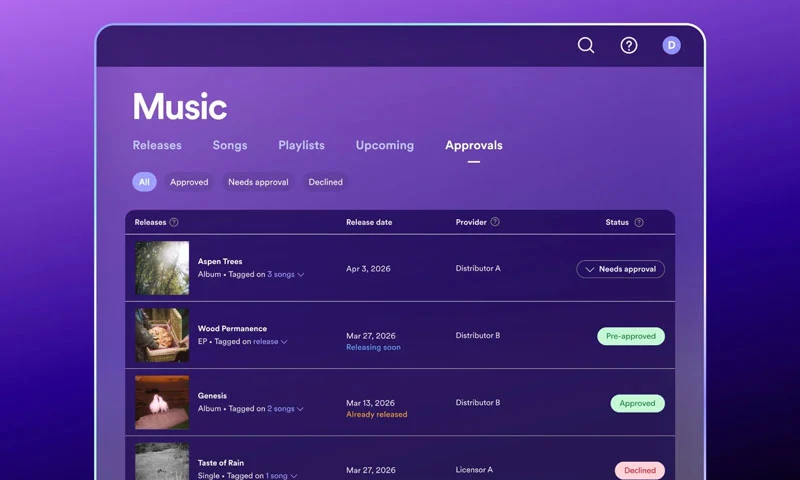
Spotify Allows Artists to Manage What Appears Under Their Name
Spotify has introduced a groundbreaking new feature called Artist Profile Protection, giving musicians unprecedented control over what music appears under their name. Now in limited beta, the feature allows artists to review and approve releases before they go live on their profile, addressing a long-standing issue in the streaming industry. For the first time on any major music platform, artists can actively decide which songs are officially associated with them. This move comes as the rise of AI-generated music, metadata errors, and duplicate artist names has led to increasing cases of misattributed tracks appearing on artist profiles. A Growing Problem in the Streaming Era In recent years, artists have faced challenges where music they did not create or approve appeared under their name. This can happen due to incorrect metadata, similar artist names, or even deliberate misuse of identities. Such errors can negatively impact an artist’s catalog, distort streaming statistics, and confuse listeners. In some cases, it may even affect an artist’s credibility and earnings. Recognizing this issue, Spotify has made protecting artist identity a key priority. The new feature introduces a verification step before any release is published under an artist’s profile. How Artist Profile Protection Works The feature is available within Spotify for Artists on both desktop and mobile web platforms. Once enabled, artists receive email notifications whenever a release is submitted using their name. They can then review eligible releases and choose whether to approve or decline them. If approved, the release appears on the artist’s profile at launch and contributes to their stats and recommendations If declined or ignored, the release does not appear on the artist’s page To further streamline the process, Spotify has introduced an artist key, a unique identifier that artists can share with trusted distributors or labels. Releases submitted with this key are automatically approved and published without manual review. A Major Step Toward Artist Control The feature is particularly valuable for artists with common names, those frequently targeted by misattributions, or those seeking tighter control over their digital presence. It ensures that only verified content contributes to an artist’s streaming data and fan engagement, helping maintain accuracy across the platform. Artist Profile Protection is currently in early beta, with Spotify gathering feedback from participating artists. The company plans to refine the feature before rolling it out more widely. Artists who are not part of the beta or choose not to opt in will continue using the platform as usual. However, Spotify has confirmed that existing reporting tools will remain available for correcting misattributed releases. As the music industry continues to evolve with AI and digital distribution, this feature marks a significant step toward giving artists greater ownership and protection over their identity in the streaming ecosystem.
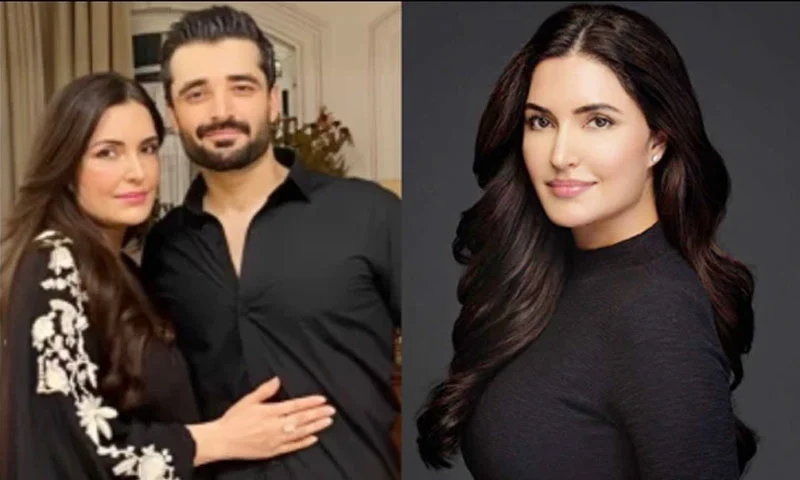
Hamza Ali Abbasi Distances Himself from Sister Fazeela Abbasi’s Money Laundering Case
Pakistani actor Hamza Ali Abbasi has strongly denied any connection to an ongoing money laundering investigation involving his sister, Dr Fazeela Abbasi. The statement came after reports emerged that the Federal Investigation Agency had registered cases against his sister, leading to speculation about his possible involvement. Hamza Ali Abbasi clarified that he has no link to the case and urged the public not to associate him with the investigation. FIA Case Against Sister The FIA has registered cases against Dr Fazeela Abbasi on charges related to alleged money laundering and operating an unregistered clinic. According to officials, investigators have identified multiple bank accounts linked to the accused, with transactions amounting to around Rs25 billion. Authorities also suspect that funds were transferred abroad through informal channels such as hawala and hundi. The investigation is ongoing, and officials say further legal proceedings will follow as evidence is examined. View this post on Instagram A post shared by Hamza Ali Abbasi (@realhamzaaliabbasi) Abbasi Distances Himself from Allegations Hamza Ali Abbasi made it clear that he is not involved in any financial dealings linked to the case. He emphasised that legal responsibility rests solely with the individual under investigation and that he should not be connected to the matter. His statement aims to address growing speculation on social media, where his name was being linked to the case. Legal Developments Continue The case has seen significant developments in recent days. Reports indicate that an Islamabad court has canceled interim bail granted to Dr Fazeela Abbasi, marking a key step in the investigation. Officials say the financial trail is still under review, and no final conclusions have been reached regarding the source of funds. Broader Context of Money Laundering Cases Money laundering remains a major concern for financial authorities in Pakistan. The practice involves disguising the origin of illegal funds and often uses informal systems such as hawala to move money across borders. Authorities have stepped up enforcement in recent years, with several high-profile cases investigated under anti-money laundering laws. Focus on Due Process Experts stress that investigations must follow due process and that individuals should not be linked to cases without evidence. Hamza Ali Abbasi’s statement reflects this principle, as he distances himself from allegations while the legal process continues.

‘Mr Nobody Against Putin’ Blocked in Russia After Oscar Win
A Russian court has banned the Oscar-winning documentary ‘Mr Nobody Against Putin’, intensifying concerns over censorship and freedom of expression in the country amid ongoing tensions linked to the war in Ukraine. The film, which recently won the Academy Award for Best Documentary Feature, tells the story of a Russian schoolteacher who secretly documented how state propaganda was introduced into classrooms following the invasion of Ukraine. Court Orders Ban Over ‘Extremism’ Claims Authorities in Russia ruled that the documentary could not be distributed or streamed, citing allegations that it promotes extremism and presents a negative portrayal of the government and its military actions. Prosecutors argued that the film “propagates extremism and terrorism” and conveys a “negative attitude toward the special military operation and the current government.” The ruling also raised concerns about certain symbols featured in the film, including the white-blue-white flag, which officials associate with anti-war groups opposing the Kremlin. Story Behind the Film Directed by Danish filmmaker David Borenstein and Russian teacher Pavel Talankin, the documentary follows Talankin’s life in a small industrial town, where he was tasked with filming school activities that supported government messaging. Instead, Talankin used his position to secretly record footage showing how children were exposed to pro-war narratives, militarised education, and ideological messaging. The film was shot over two years and later smuggled out of Russia after Talankin fled the country fearing arrest. His work has been widely praised internationally for shedding light on the realities of life inside Russia during wartime. Global Recognition, Local Backlash The documentary received critical acclaim worldwide, winning awards at major festivals including Sundance and the Academy Awards. During his acceptance speech, Talankin highlighted the impact of war on future generations, saying: “For the sake of our future, and for the sake of all our children, let’s end all wars.” Despite global recognition, the film has faced strong criticism within Russia. Officials and pro-government figures have accused it of spreading anti-state narratives and misrepresenting the country’s education system. Wider Concerns Over Media Freedom The ban reflects broader concerns about tightening control over media and cultural expression in Russia. Since the start of the Ukraine conflict, authorities have introduced strict laws targeting dissent, independent journalism, and criticism of the military. Experts say the move signals continued efforts to control narratives both domestically and internationally, particularly when it comes to sensitive topics such as the war and internal governance.

Spider-Man: Brand New Day Trailer Breaks Records, Becomes First to Cross 1 Billion Views
Marvel fans worldwide have propelled Spider-Man: Brand New Day into record books after its official trailer became the first in history to cross one billion views, marking a major milestone for the Marvel Cinematic Universe and star Tom Holland. Historic Milestone for Marvel and Tom Holland The trailer achieved the unprecedented feat within days of its release, making it the most-watched film trailer ever. Industry data shows the trailer had already set records earlier by crossing over 718 million views within the first 24 hours, beating previous benchmarks held by Deadpool & Wolverine and even the highly anticipated GTA VI trailer. Within just a few days, total views surged past the one billion mark, making it the first movie trailer to reach this milestone globally. The massive response highlights the enduring popularity of Spider-Man and the strong fan base surrounding Tom Holland’s portrayal of the superhero. What the Trailer Reveals The trailer offers a glimpse into a darker and more emotional storyline. Set after the events of Spider-Man: No Way Home, it shows Peter Parker living anonymously after the world has forgotten his identity. Fans also get a look at several new and returning characters, including Bruce Banner and The Punisher, hinting at a larger crossover within the Marvel universe. The footage suggests that Peter may be facing a dangerous transformation, adding a new layer of complexity to the character’s journey. Why the Trailer Went Viral Experts say the trailer’s success can be attributed to a mix of strategic marketing and massive fan anticipation. Sony and Marvel used a unique rollout strategy, releasing short teaser clips ahead of the full trailer to build hype and engagement. The Spider-Man franchise remains one of Marvel’s most successful properties. The previous film, No Way Home, was a global blockbuster, earning billions and setting high expectations for the next installment. The emotional storyline combined with action-packed visuals and surprise character appearances helped drive repeated views across platforms. Release Date and Film Details Spider-Man: Brand New Day is scheduled for release on July 31, 2026, and will mark the beginning of a new chapter in Tom Holland’s Spider-Man journey. The film is expected to explore Peter Parker’s transition into adulthood while dealing with new threats and evolving powers. A New Benchmark for the Film Industry The trailer’s record-breaking performance signals a shift in how audiences engage with blockbuster films in the digital age. Crossing one billion views not only sets a new industry benchmark but also demonstrates the global reach of Marvel’s storytelling. With anticipation at an all-time high, Spider-Man: Brand New Day is already shaping up to be one of the biggest cinematic events of 2026.

Cristiano Ronaldo’s Partner Georgina Rodríguez Turns Heads With Multi-Million Lifestyle
Cristiano Ronaldo’s partner Georgina Rodríguez has once again captured global attention after sharing glimpses of her ultra-luxurious lifestyle, sparking widespread buzz across social media and entertainment circles. A Glimpse Into Luxury Living Georgina recently posted images that highlighted the couple’s extravagant lifestyle, featuring high-end fashion, luxury settings, and her iconic engagement ring. The post quickly went viral, drawing millions of reactions and reinforcing her status as one of the most followed celebrity influencers in the world. The engagement ring, often described as one of the most eye-catching celebrity pieces, stood out prominently. Reports suggest the ring alone is worth millions, symbolising the scale of wealth associated with the couple. Fans flooded social media with comments praising the lifestyle on display, while others expressed fascination at the level of luxury showcased in a single post. View this post on Instagram A post shared by Georgina Rodríguez (@georginagio) From Humble Beginnings to Global Fame Georgina Rodríguez’s journey adds a compelling layer to her current image. She met Cristiano Ronaldo in 2016 while working at a Gucci store in Madrid, a moment she once described as “love at first sight.” Since then, her life has transformed dramatically. From a retail assistant, she has become a global influencer, model, and businesswoman, with millions of followers across platforms. She has also starred in the Netflix series I Am Georgina, which offers insight into her personal life and rise to fame. Today, she is a regular at fashion weeks, luxury events, and global brand campaigns. Ronaldo Factor and Mega Wealth Cristiano Ronaldo remains one of the highest-paid athletes in the world, with a vast global brand and multiple income streams. His move to Saudi club Al-Nassr further elevated the couple’s presence in the Middle East. Together, Ronaldo and Georgina represent a power couple whose combined influence spans sports, fashion, and entertainment. Ronaldo’s massive social media following and commercial appeal have helped amplify Georgina’s own brand. Recent reports also suggest the couple’s lifestyle includes luxury cars, private jets, designer jewellery, and multi-million-dollar properties, often shared through carefully curated social media posts. Why the Internet Can’t Look Away Georgina’s latest post is more than just a display of wealth. It reflects a carefully built personal brand that blends glamour, family life, and aspirational luxury. With millions of followers engaging with her content daily, even a single post can dominate online conversations. Analysts say this level of influence makes her one of the most powerful lifestyle figures connected to global sports. At the same time, her story continues to resonate with fans due to her transformation from an ordinary background to extraordinary fame.
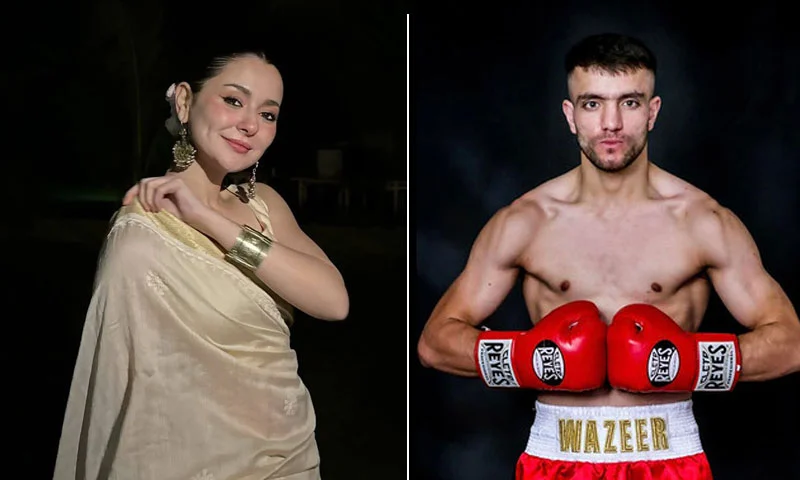
Pakistani Boxer Usman Wazir Starts Training Hania Aamir, Promises Big Reveal
Pakistani professional boxer Usman Wazir has confirmed that he has started training actress Hania Aamir in boxing, describing the collaboration as both exciting and promising. Speaking during a Geo podcast, Wazir shared that the training sessions are already underway and that video clips of Hania Aamir’s progress will be released soon. He said, “I have started training Hania Aamir and we will soon share her training clips.” Appreciation for Hania Aamir’s Support Usman Wazir also expressed gratitude toward the actress for her consistent support throughout his career. He said, “I am thankful to Hania Aamir. She supports me before every fight and boosts my morale.” His remarks highlight a long-standing connection between the two, with Hania Aamir actively encouraging him during important bouts. View this post on Instagram A post shared by GenZ Media Production (@genzmediaproductions) “People Have Seen Only One Side of Her” During the conversation, Wazir addressed a common perception about Hania Aamir’s personality. When asked how she would manage boxing training given her soft and delicate image, he responded confidently. He said, “People have only seen one side of her where she looks very cute and delicate, but we will soon show the world her other side.” The statement suggests that the actress is capable of handling the physical demands of boxing training and may surprise fans with her transformation. Focus on Fitness and Boxing Skills The training sessions are expected to focus on basic boxing techniques, fitness, and discipline. Boxing requires strength, endurance, and mental focus. Experts say it is also an effective form of fitness training that improves coordination and stamina. Hania Aamir’s involvement reflects a growing trend among celebrities exploring sports and fitness beyond traditional routines. Who is Usman Wazir Usman Wazir, also known as “The Asian Boy,” is an undefeated Pakistani professional boxer with an impressive record in international boxing. He has achieved multiple titles, including regional and youth championships, and continues to represent Pakistan on the global stage. Wazir has maintained an unbeaten streak in his professional career and is considered one of the rising stars of boxing in the country. A Unique Blend of Sports and Entertainment The collaboration between Usman Wazir and Hania Aamir highlights an interesting crossover between sports and showbiz. Such partnerships often help bring attention to sports like boxing, which continue to grow in popularity in Pakistan. As anticipation builds around the upcoming training clips, fans are eager to see a different side of Hania Aamir and how she adapts to the sport.
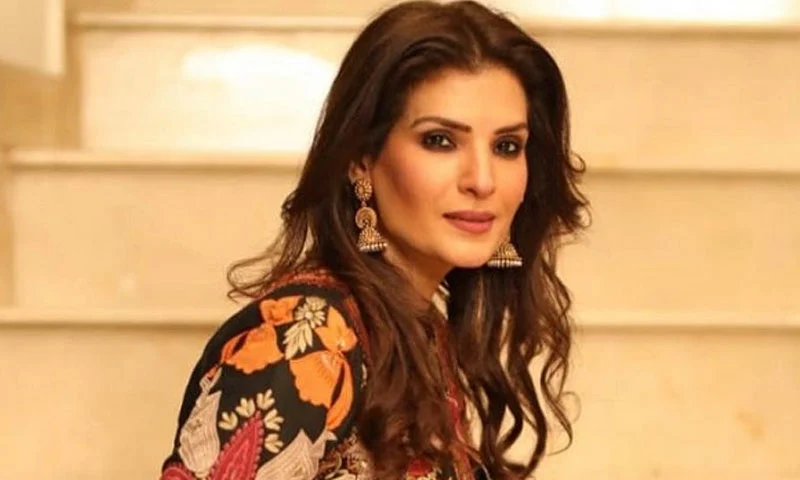
Actress Resham Says She Can’t Celebrate Eid Like Others, Internet Reacts
Pakistani film and television actress Resham has sparked a widespread debate after sharing an unusual statement about Eid-ul-Fitr, drawing mixed reactions from social media users. Resham, a well-known figure in Pakistan’s entertainment industry, recently spoke about how global circumstances affect her ability to celebrate Eid. Her remarks quickly went viral, with many users discussing her views online. According to reports, Resham said she does not celebrate Eid fully when the world around her is going through hardship. Statement Linked to Global Situation While explaining her perspective, the actress pointed towards ongoing global issues, including conflicts and economic challenges. She suggested that such circumstances make it difficult for her to celebrate the festival with the same enthusiasm. Reports noted that the current year has been particularly difficult due to wars and economic struggles affecting people worldwide. Her comments highlighted a more emotional and reflective approach to Eid, rather than a purely festive one. View this post on Instagram A post shared by RNN TV (@rnntvnetwork) Mixed Reactions from Public The statement triggered a strong response online, with users expressing both support and criticism. Some social media users agreed with her sentiment, saying it is difficult to celebrate when others are suffering. One user commented, “I agree with her. It is difficult to celebrate this year.” Others disagreed, emphasizing the religious significance of Eid. One comment read, “Eid is a gift from Allah. We have to celebrate it.” A few users also criticized the statement, reflecting the divided opinion among the public. Eid as a Religious and Social Occasion Eid-ul-Fitr is one of the most important Islamic festivals, celebrated globally at the end of Ramadan. It is traditionally a time of joy, gratitude, and community bonding. In Pakistan and many other countries, families gather, share meals, and take part in celebrations. The festival also emphasizes charity and caring for those in need. Resham’s remarks have brought attention to a broader discussion about how global events can influence personal celebrations. Ongoing Debate Continues The discussion around her statement continues to grow, with many users debating whether personal emotions should affect religious celebrations. While some view her comments as thoughtful and empathetic, others believe Eid should be celebrated regardless of external circumstances. The debate highlights how public figures can influence conversations around cultural and religious practices, especially during significant occasions like Eid.
