
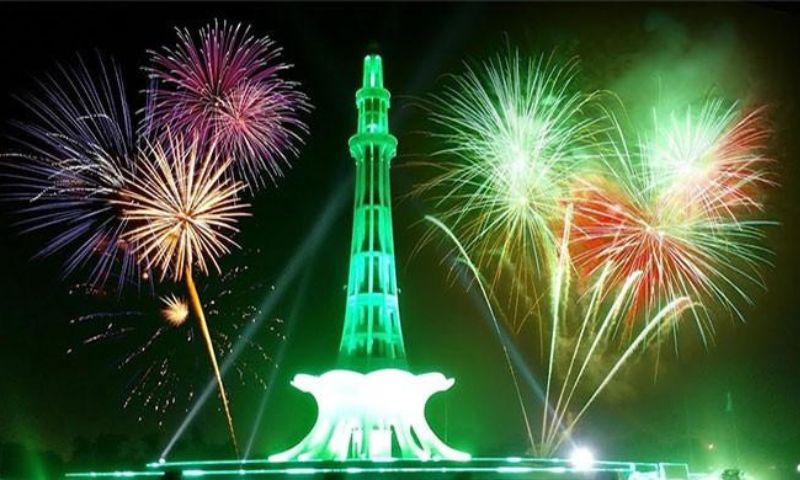
Pakistan welcomed 2026 with colourful celebrations, fireworks and renewed optimism as midnight brought cheers to cities and towns across the country. Residents marked the transition from 2025 with lively gatherings, city displays and a festive atmosphere that blended tradition with modern revelry. Across major urban centres, families and friends gathered to celebrate the start of the year with excitement and hope. In Karachi, the festive spirit was visible well into the night as crowds gathered at popular spots and open areas to watch fireworks brighten the skies. Authorities deployed thousands of police personnel ahead of the celebrations to ensure safety and prevent dangerous practices like aerial firing — a move aimed at keeping revelry joyful but secure. The capital Islamabad hosted vibrant New Year events at Park View City and lakeside venues, where families enjoyed musical performances and colourful light displays before the midnight countdown. Fireworks added to the festive mood, and celebrants exchanged warm wishes as the clock struck twelve. اسلام آباد میں نئے سال کے آغاز پر آتشبازی pic.twitter.com/HdjlvTJyqS — Tayyab Khan (@TayyabKhanARY) December 31, 2025 In other parts of the country, traditions of celebration varied but shared the same enthusiasm. In Quetta, private events featured music, fireworks and cake-cutting ceremonies, bringing together community members in a joyful setting. Multan saw crowds of youth fill streets with energy and optimism for the year ahead, while police checkpoints helped manage the flow of traffic and maintain order. Cities that traditionally organise fireworks were especially lively, with many residents heading to well-known viewing spots. In Karachi, rooftop cafés and seaside restaurants became favourite pick-ups for spectators keen to enjoy the night sky’s spectacle. The celebrations took place amid a backdrop of public excitement about the official New Year’s Day public holiday — announced by the government to give people time with family and friends. The nationwide holiday also allows citizens to reflect on personal goals and hopes for 2026, including development, peace and prosperity. Pakistan’s festivities mirrored global celebrations, as cities around the world from Auckland to Sydney welcomed the year with fireworks and gatherings. While international celebrations included symbolic moments and concerts, Pakistan’s own events emphasised community joy and shared optimism for the future. As dawn broke on January 1, 2026, Pakistan emerged into the new year with vibrant energy and collective readiness to face the opportunities and challenges ahead, blending local traditions with the universal excitement that comes with new beginnings.
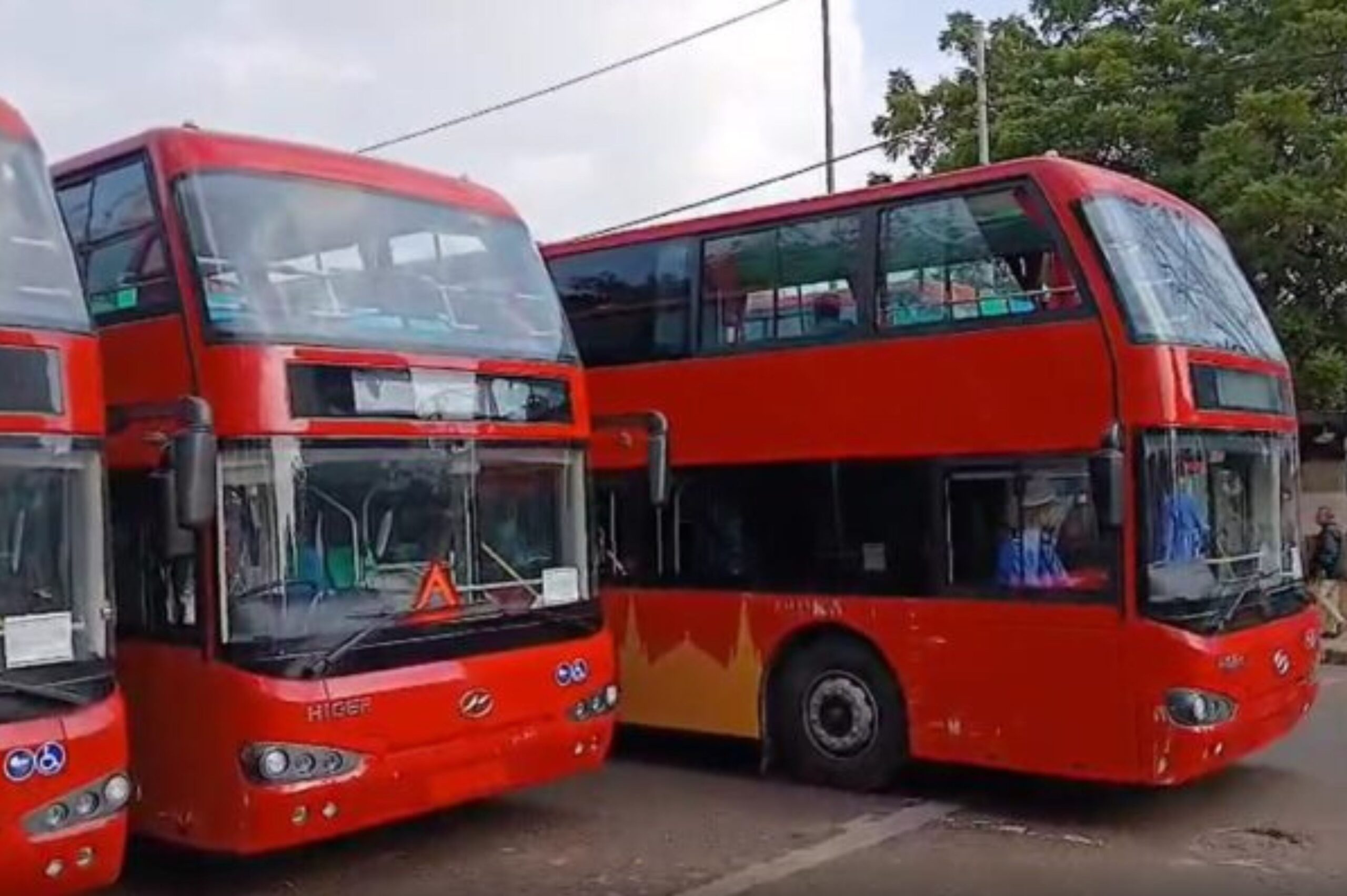
Double-Decker Buses Back in Karachi After Decades
Karachi’s battered public transport system is about to get a major makeover as double-decker buses return to the city’s streets for the first time in decades, offering commuters a mix of nostalgia, comfort, and capacity just as the city steps into 2026. After nearly half a century, the Sindh government has launched a trial double-decker bus service running between Malir and Shahrah-e-Faisal, with plans to expand throughout Karachi in the new year. The service was inaugurated on December 31 by Sindh Senior Minister Sharjeel Inam Memon alongside other officials, who said the revival fulfills a long-held promise to improve urban mobility. The move comes amid broader efforts by provincial authorities to modernize public transport, including adding electric buses and integrating different transit systems like the Orange and Green Line Bus Rapid Transit (BRT) networks into a seamless network for commuters. Karachi once had a thriving double-decker bus network in the 1960s and 1970s, when these iconic vehicles dominated routes through Saddar and MA Jinnah Road. They eventually disappeared due to rising traffic, maintenance challenges, and the growth of minibuses and coaches. Each bus can hold around 115–120 passengers and is fully air-conditioned, making long, crowded rides more comfortable. Officials also emphasized that the fare for the new double-deckers will match the existing People’s Bus Service cost, keeping the upgrade affordable for daily riders. Beyond comfort, the buses are expected to reduce congestion by moving more people per trip, which could help ease pressure on busy corridors like Shahrah-e-Faisal. Alongside the double-deckers, the Sindh government has also imported 34 electric buses as part of the same initiative, bringing Karachi closer to a greener transit future. These electric vehicles, also dispatched from China, are slated to roll out across key routes once customs clearance is completed. This bold move comes as Karachi’s population tops 20 million and the city grapples with congestion and pollution. While infrastructure challenges remain — including road quality and traffic flow — transport officials hope the expanded fleet will offer real relief for commuters and make daily travel more pleasant. If the trial proves successful, plans call for more double-deckers on major routes in 2026. For many Karachiites, the sight of these buses is not just a return of a classic mode of transport but a sign of renewed investment in the city’s future.
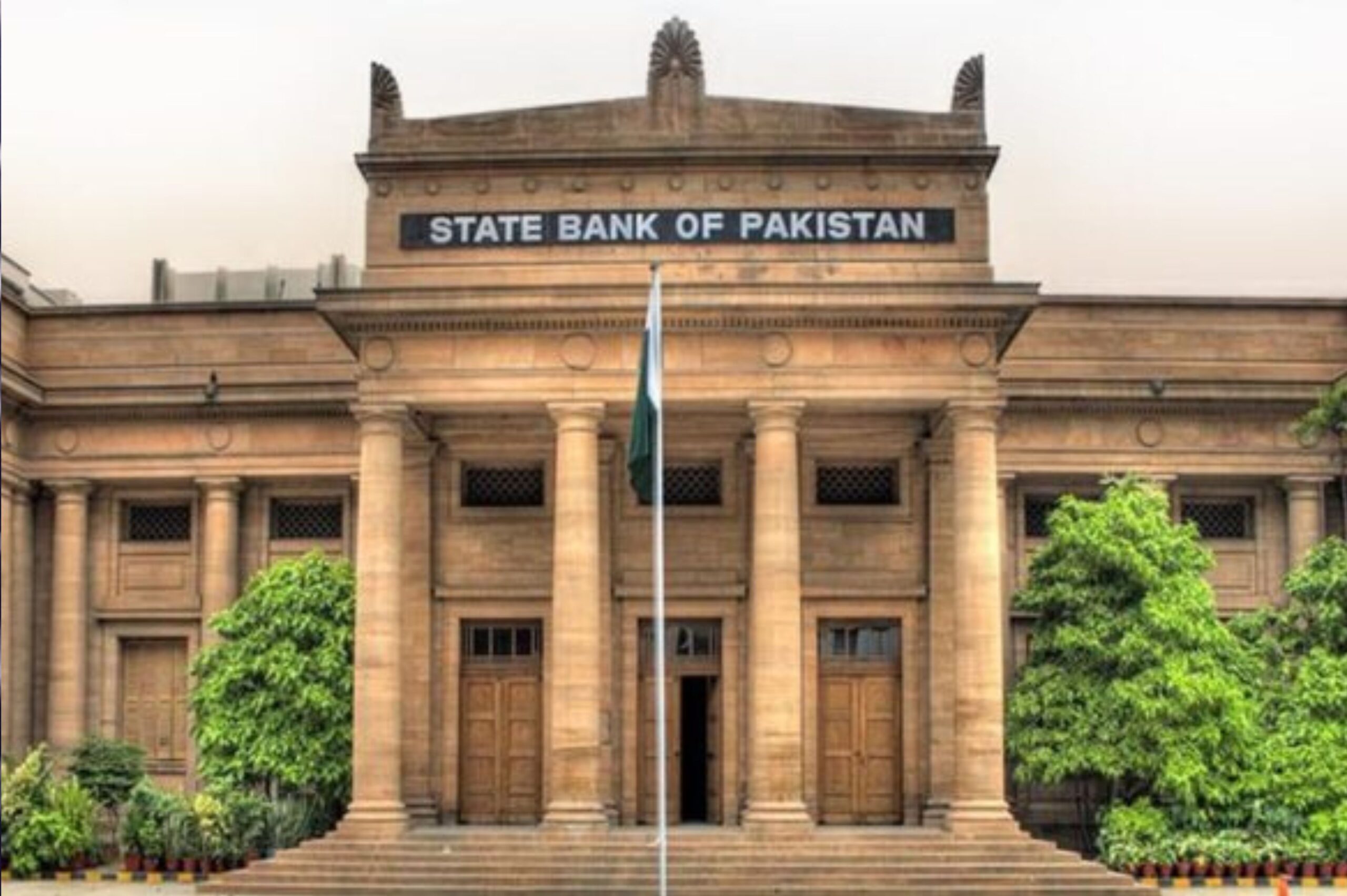
Banks in Pakistan to Remain Closed on New Year’s Day, SBP Announces
On December 30, 2025, the State Bank of Pakistan (SBP) issued Circular Letter No. 26 of 2025, announcing a bank holiday on January 1, 2026. This notice requires all commercial banks, microfinance banks, and development finance institutions to remain closed for public dealing on that day. The decision affects normal banking operations and means customers will not be able to conduct in-person transactions at SBP or its regulated banks on New Year’s Day. SBP’s official announcement, shared through its Banking Policy & Regulations Department, confirmed that the institution will observe January 1, 2026 as a bank holiday. This closure aligns with the national calendar and gives bank staff and customers a public holiday to mark the start of the new year. The circular directs bank presidents and chief executives to adjust schedules and inform branches ahead of time so that no confusion arises about services on that date. This move is consistent with previous SBP notices that declared public holidays for banks, especially at year-end or around major national events. In 2025 alone, multiple circular letters from SBP outlined other official bank holidays, including earlier in the year. These notices help banks manage operations, staffing, and customer expectations. In addition to holiday announcements, the SBP regularly updates policies that shape Pakistan’s financial landscape. Throughout 2025, its circulars covered a wide range of regulatory and operational matters, from corporate governance changes to upgraded auditing panels and public holiday schedules. These notices strengthen the framework within which banks and financial institutions operate, ensuring compliance with SBP’s standards. For everyday customers, the January 1 bank holiday means planning ahead for routine transactions such as cash withdrawals, deposits, account openings, or loan inquiries. However, digital and mobile banking services are expected to remain functional, so customers can still manage accounts online even when physical branches are closed. This reflects a broader trend where SBP and banks encourage electronic banking use and financial inclusion across Pakistan.
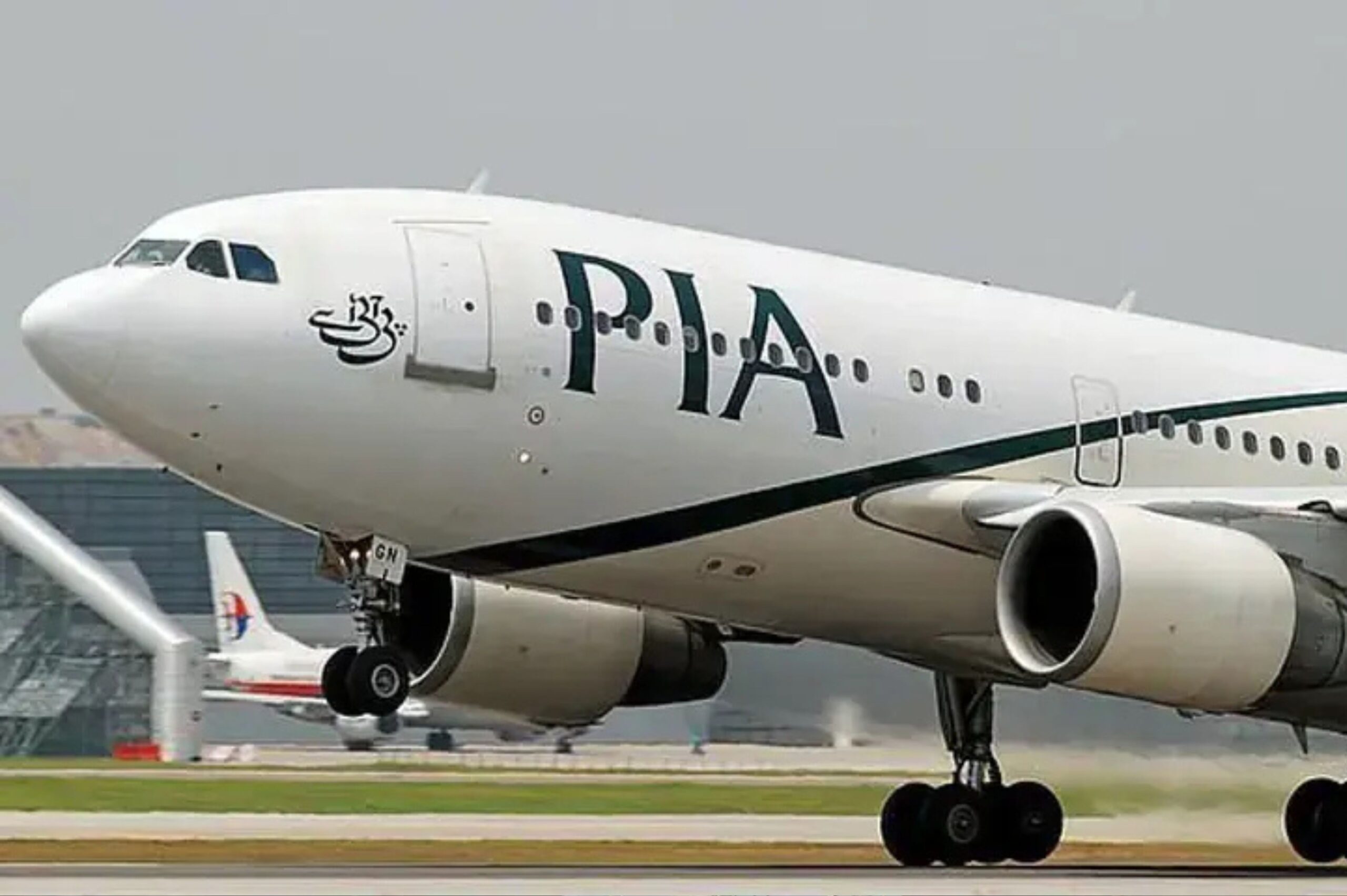
PIA Finally Restores Islamabad-London Flights After Six Years
Pakistan’s flag-carrier Pakistan International Airlines (PIA) is poised to restore one of its most iconic international routes after a six-year absence, with direct flights between Islamabad and London scheduled to resume from March 29, 2026. The announcement marks a symbolic and commercial comeback for the airline, reconnecting the Pakistani capital to the UK’s busiest airport, Heathrow Terminal 4, with four weekly flights that will operate on a regular schedule — a long-awaited boost for passengers and the large Pakistani diaspora in Britain. Once a staple of PIA’s network, the Islamabad-London service was suspended in 2019 amid mounting operational and regulatory challenges, especially after the UK and EU imposed bans on PIA’s operations in 2020 following aviation safety concerns tied to a tragic crash in Karachi and issues surrounding pilot licensing. Those restrictions were only lifted in 2025 after years of reforms, including improved maintenance standards, stricter pilot training oversight, and comprehensive safety audits. In October 2025, PIA celebrated its first step back into the UK market by resuming flights to Manchester, symbolising the gradual restoration of links that had been severed for nearly half a decade. The return of London flights now takes that progress further, reaffirming PIA’s ambition to re-establish itself among long-haul carriers connecting South Asia and Europe. Industry analysts see this move not only as a service expansion but as a strategic effort to brand PIA as a reliable global airline after years of setbacks. London Heathrow is notoriously difficult to secure slots at, and PIA’s ability to reclaim four weekly timings signals confidence from regulators and airport authorities alike. The timing also aligns with PIA’s ongoing privatisation, where a consortium led by the Arif Habib Corporation acquired a majority stake in the airline, injecting significant investment and setting ambitious plans to grow the fleet from a lean operation into a broader international competitor. These upgrades are expected to improve passenger comfort, operational efficiency, and PIA’s global brand, all while supporting trade and travel between Pakistan and the UK’s business and cultural hubs. For many travellers, the news is personal: direct London flights mean more convenience, competitive fares, and better connectivity for families, students, business travellers, and visitors who were forced to take indirect routes for years. With the March launch date now in sight, PIA’s historic return to Heathrow is shaping up to be a major milestone in its recovery story.
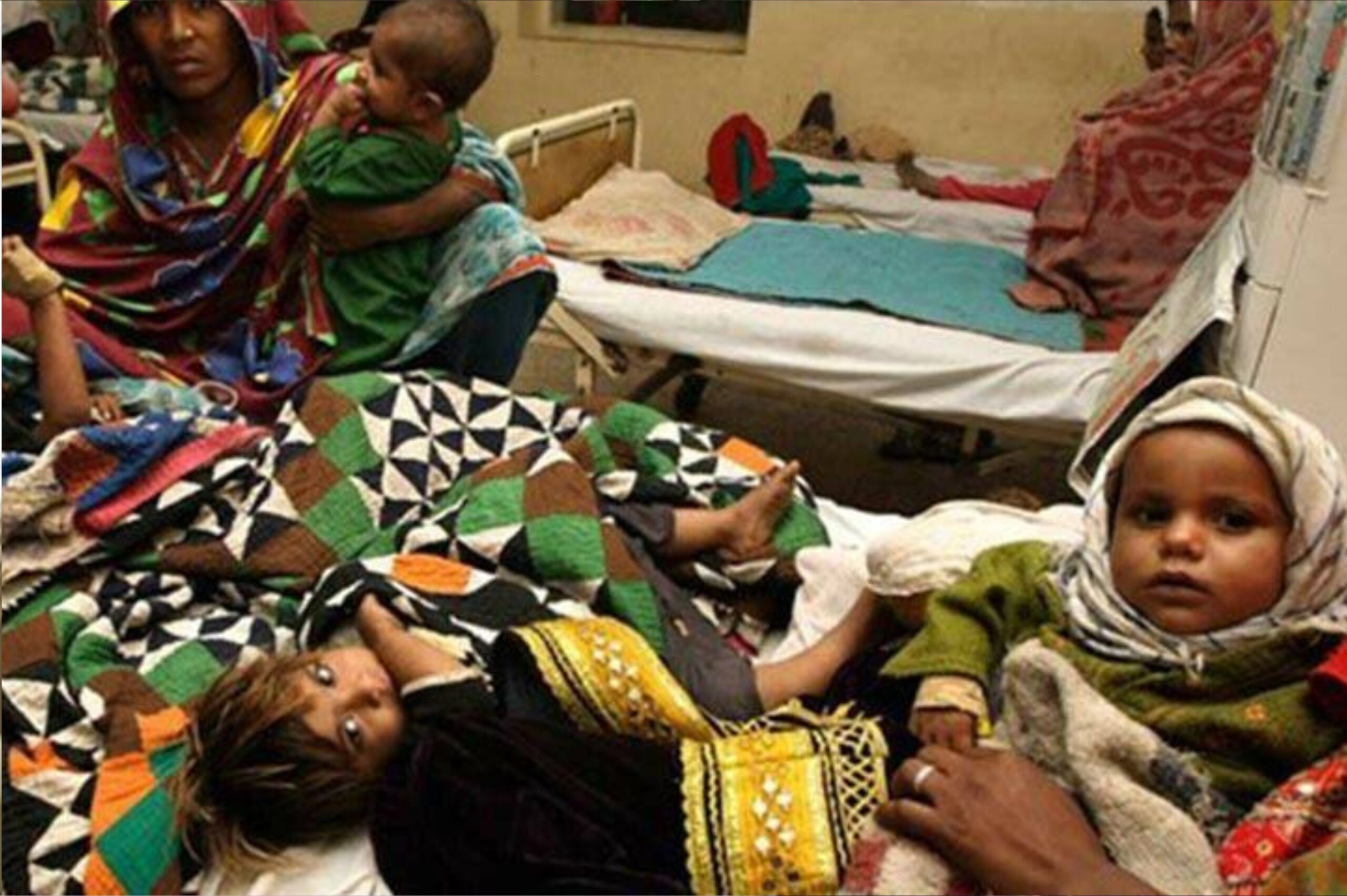
Measles Outbreak in Sindh Village Claims Three Young Lives
A measles outbreak in the rural village of Jan Mohammad Mehar in Dherki, located in Sindh’s Ghotki district, has claimed the lives of three children and left at least ten others hospitalised, health authorities and local residents report. Families in the village say the outbreak has sparked fear and urgency, especially in areas where routine vaccinations have been irregular or incomplete. Sick children showed typical symptoms including high fever, rash, cough, and eye irritation, prompting an urgent appeal for medical support and vaccination campaigns in the community. The deceased children Amir Ali, Bismillah, and Hazuran Bibi were among several young patients rushed to health facilities in recent days, but medical teams struggled to contain the rapid spread of the disease among under-vaccinated children. Concerned parents say limited access to regular healthcare services and gaps in immunisation coverage have made villages like Jan Mohammad Mehar highly vulnerable to vaccine-preventable diseases. Health officials acknowledged the outbreak is part of a larger pattern of increased measles activity across Sindh province. Surveillance teams are reportedly assessing vaccination coverage and planning targeted responses, but residents stress that more immediate action is needed, including door-to-door immunisation and emergency vaccination camps to try to halt further spread. Measles is one of the most contagious infectious diseases known, spreading easily through coughing and sneezing, and can be particularly deadly for children under five who are not fully immunised. Vaccination remains the most effective defence: global data show that high routine coverage can prevent large outbreaks and significantly reduce deaths from the virus. Despite a safe and cost-effective vaccine being widely available, many parts of Pakistan still struggle with achieving the 95 % coverage needed to prevent sustained transmission. Pakistan has a long history of measles outbreaks linked to gaps in routine immunisation. Earlier in 2025, other parts of Sindh recorded dozens of measles-related deaths and over a thousand confirmed cases, highlighting ongoing public health challenges in reaching every child. National health authorities, in partnership with organisations like the World Health Organization (WHO) and UNICEF, launched a nationwide measles-rubella vaccination campaign in late 2025 targeting millions of young children. It was aimed at closing immunity gaps and reducing vulnerability to future outbreaks. Experts emphasise that while emergency responses such as outbreak investigations and vaccination drives are vital, strengthening routine immunisation systems and addressing barriers to vaccine access remain key to preventing similar tragedies. Community education, improved healthcare outreach, and better monitoring could help ensure that children receive two recommended doses of the measles vaccine, lowering the risk of severe illness and death.
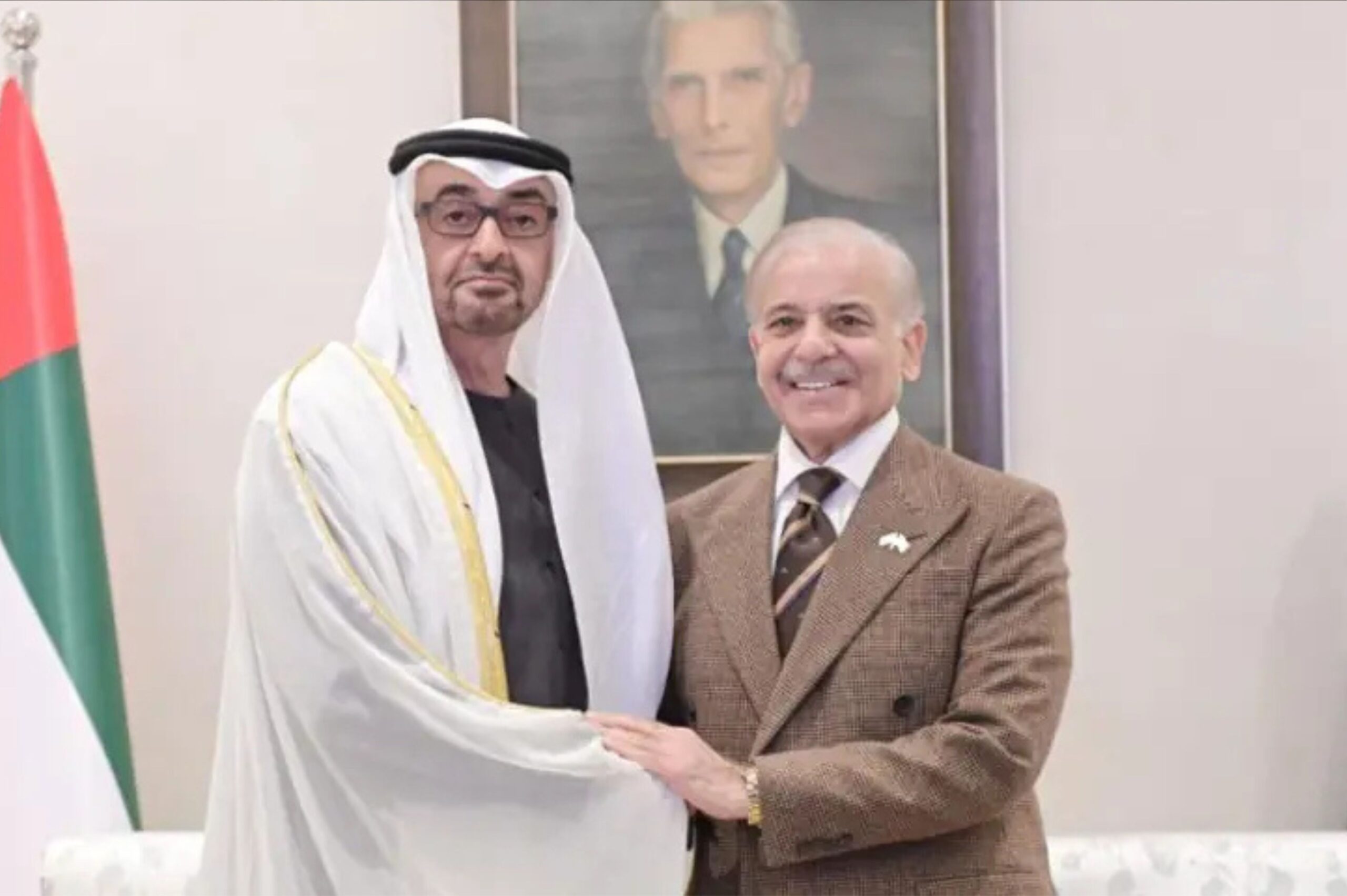
UAE President Sheikh Mohamed Makes First Official Visit to Pakistan
The United Arab Emirates President Sheikh Mohamed bin Zayed Al Nahyan arrived in Pakistan on his first official visit this week, marking a significant moment in the deepening relationship between Islamabad and Abu Dhabi. The visit is being widely seen as a signal of renewed strategic engagement at a time when Pakistan is seeking stronger economic partnerships and the UAE is expanding its regional cooperation footprint. President Sheikh Mohamed was warmly received in Islamabad, where he held extensive talks with Pakistan’s civilian and military leadership. The discussions focused on expanding cooperation across investment, energy, trade, defence, food security, climate resilience, and people-to-people ties, reflecting the broad scope of the bilateral relationship. Both sides described the talks as substantive and forward-looking, with an emphasis on translating long-standing goodwill into tangible economic outcomes. Pakistan and the UAE share decades-old ties rooted in mutual trust, a large Pakistani diaspora in the Gulf state, and close collaboration on regional stability. During the meetings, Pakistani officials underscored the importance of UAE investments in key sectors such as infrastructure, ports, renewable energy, and aviation, while also highlighting new opportunities emerging from Pakistan’s reform and privatisation drive. The UAE leadership, in turn, reaffirmed its interest in long-term partnerships that support sustainable growth. The visit also carried symbolic weight. It was President Sheikh Mohamed’s maiden official trip to Pakistan since assuming office, and both sides framed it as a reset moment designed to elevate ties from friendly cooperation to a more structured strategic partnership. Officials discussed mechanisms to fast-track investment projects and enhance institutional coordination, particularly in areas linked to economic recovery and regional connectivity. Beyond economics, the talks touched on regional and global developments, with both countries reiterating their commitment to peace, dialogue, and stability in the wider region. Climate change and humanitarian cooperation were also on the agenda, reflecting shared concerns over extreme weather events and food security challenges. Observers note that the timing of the visit is significant. Pakistan has been actively courting Gulf partners to support investment-led growth, while the UAE continues to position itself as a key economic and diplomatic player bridging South Asia, the Middle East, and beyond. Social media reaction in Pakistan has been largely positive, with many users describing the visit as a “confidence boost” for the country’s economy and international standing. As President Sheikh Mohamed concludes his visit, both governments have expressed optimism that the discussions will soon translate into concrete agreements and projects, reinforcing a partnership that has long been described as brotherly but is now being reshaped for modern economic and strategic realities.
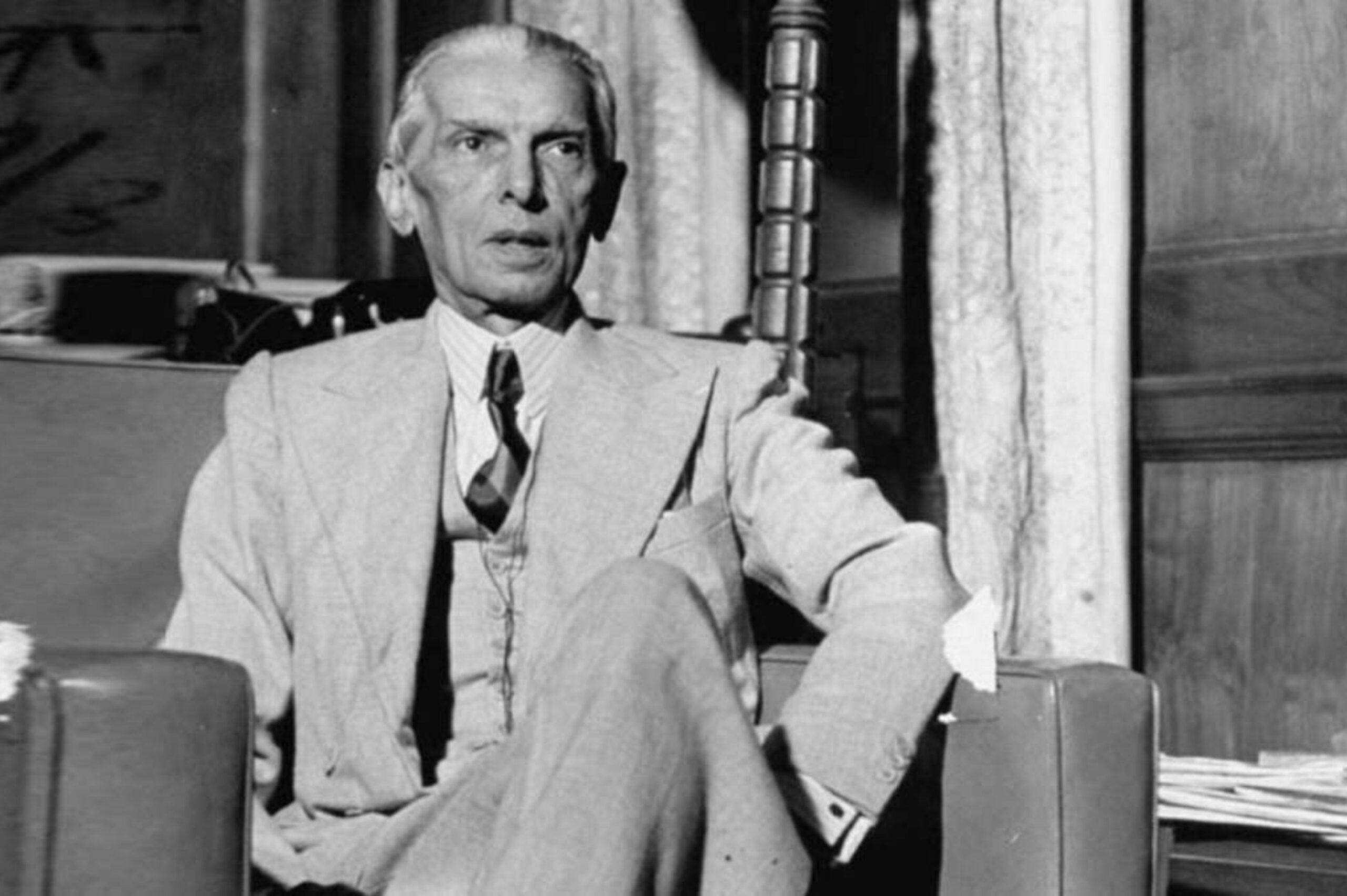
Nation Pays Tribute to Founding Father on Quaid-e-Azam’s 149th Anniversary
Pakistan observed the 149th birth anniversary of Quaid-e-Azam Muhammad Ali Jinnah with nationwide ceremonies and heartfelt tributes to the founding father whose vision and leadership led to the creation of the country. Citizens from all walks of life paused to reflect on Jinnah’s enduring legacy, his unwavering commitment to justice, and his dream of a prosperous and inclusive Pakistan. Across the country, government institutions, educational centers, and civil society organizations marked the day with special events. Flags were flown at half-mast as a sign of respect, and programmes highlighting the life and contributions of Quaid-e-Azam were held throughout the morning. In Islamabad, senior officials and members of the diplomatic corps gathered to pay homage, laying floral wreaths at monuments dedicated to Jinnah’s memory. In Karachi, Jinnah’s final resting place at Mazar-e-Quaid saw a steady stream of visitors who came to offer prayers and express gratitude for his leadership. Many placed floral tributes and recited verses from the Quran, echoing sentiments of unity and national pride. Schools and universities shared messages of Jinnah’s principles, emphasizing the importance of values he famously championed like unity, faith, and discipline. President and political leaders addressed the nation, highlighting how Jinnah’s ideals remain relevant today. They called on citizens, especially the youth, to uphold the principles of democracy, tolerance, and rule of law. Religious leaders also urged people to follow Jinnah’s example of moral integrity and commitment to the welfare of all citizens, regardless of background. The anniversary came against a backdrop of contemporary challenges, but many commentators stressed that Jinnah’s vision for a just society provides guidance for Pakistan’s future. His emphasis on economic development, education, and equal opportunity resonates deeply with today’s aspirations for progress. Social media platforms buzzed with tributes and reflections, as people shared quotes and stories about the Quaid’s life, reinforcing his place in the national consciousness. In schools, students participated in essay competitions and special assemblies where they learned about Jinnah’s journey from a young lawyer to a formidable leader who united millions under the banner of Pakistan. These activities aimed to instill appreciation for the struggles that shaped the nation and to inspire the next generation to contribute positively to its development. As the day concluded, many Pakistanis acknowledged that while much has changed over nearly one and a half centuries, the ideals of Quaid-e-Azam remain a unifying force. His dream of a strong, peaceful, and prosperous Pakistan continues to inspire hope and collective effort toward a brighter future.
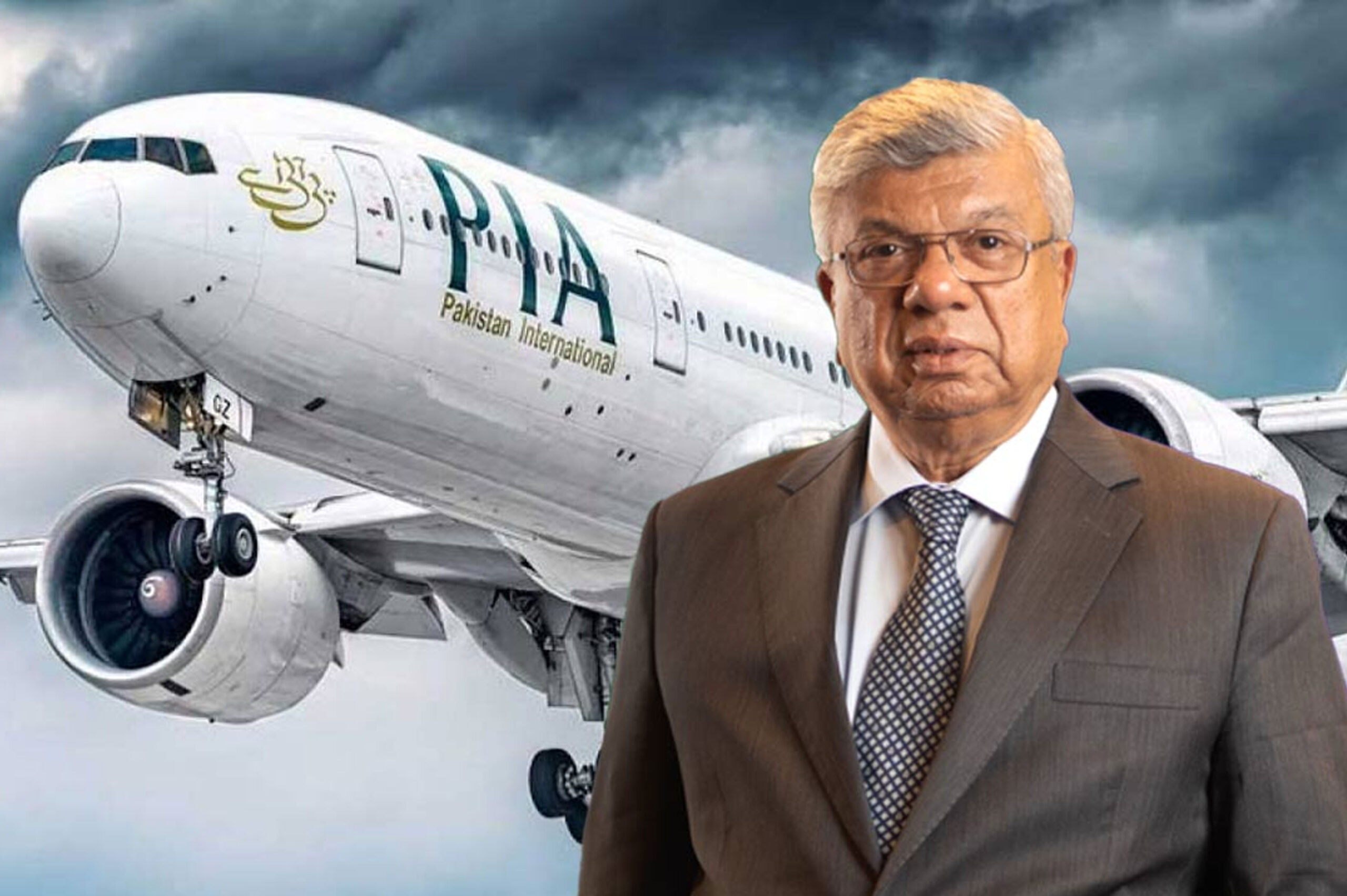
Arif Habib Consortium Wins Bid for PIA Privatisation After Intense Competition
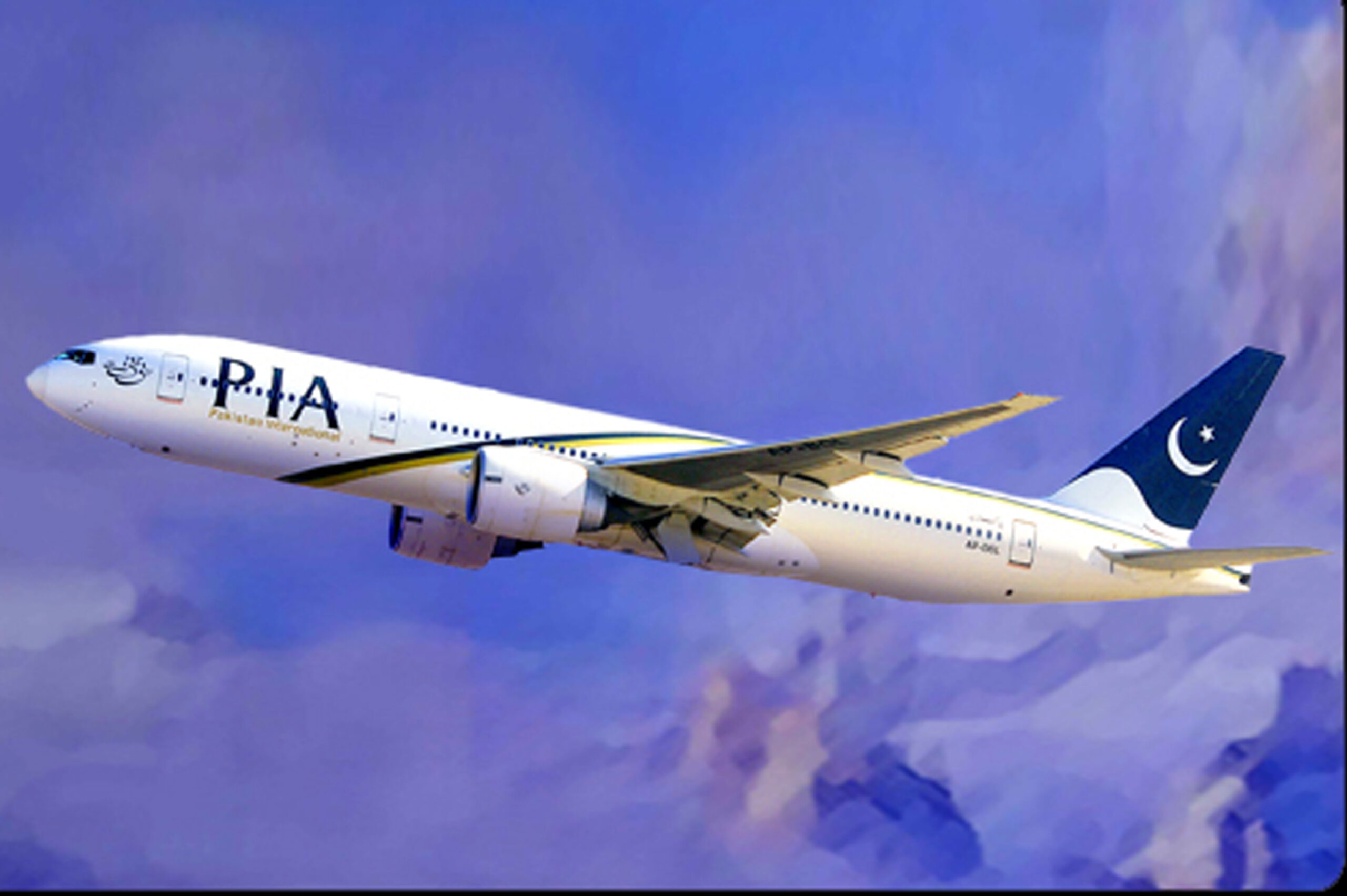
After a closely contested bidding process, the Arif Habib Consortium has emerged as the successful bidder for the privatisation of Pakistan International Airlines (PIA). According to official details, the bidding process for PIA’s privatisation has been completed, with the Arif Habib Consortium acquiring 75 percent shares of the national airline for Rs135 billion. The Lucky Cement Consortium submitted the second-highest and final bid of Rs134 billion, while Airblue offered Rs26.5 billion. The Arif Habib Consortium includes Arif Habib Limited, Fatima Fertilizer, The City School, and Lake City Holdings. Privatisation Policy and Government Stance Chairman of the Privatisation Commission Muhammad Ali stated that the privatisation of PIA is a key component of the government’s economic policy. Speaking to the media, he said the bidding process would open new avenues for investment in the aviation sector. He added that bidders were informed of the privatisation framework in April. Of the four bidders, two expressed interest in purchasing 100 percent shares, while two opted for 75 percent ownership. Ultimately, the government proceeded with the sale of 75 percent shares. Muhammad Ali further noted that 92.5 percent of the proceeds from the sale will be reinvested into PIA, while the remaining 7.5 percent will be transferred to the government. He emphasized that the objective is not merely to sell the airline, but to put it back on a sustainable and self-reliant footing. Future Share Sale and Payment Structure The government has also decided to sell the remaining 25 percent shares within 90 days, while two-thirds of the payment will be received upfront. Earlier in April, the cabinet had approved the sale of 51 to 100 percent shares as part of the broader privatisation plan. Investor Obligations and Asset Transfer According to privatisation officials, the new investor will be required to inject Rs80 billion over the next five years to stabilize and modernize PIA. The successful bidder will take control of key operational units, including aviation operations, cargo services, the training wing, and catering (kitchen) business. Under the agreed terms, PIA employees will be granted job protection for one year, while pensions and post-retirement benefits will remain the responsibility of the holding company. The new owners will be responsible for salaries and benefits of existing employees, alongside ensuring immediate financial support and professional management to restore the airline’s operational efficiency. Commitment to Revival Commenting on the development, representatives of the Arif Habib Consortium said the move marks a victory for Pakistan, expressing confidence that PIA’s historic reputation will be restored through professional governance and sustained investment.
Three Bidders Submit Offers as First Phase of PIA Privatisation Concludes
The first phase of the privatisation process of the national airline has been completed, marking a significant step toward one of the country’s most anticipated divestments. According to officials, three pre-qualified bidders have submitted their bids for the acquisition of the national carrier. The bids are scheduled to be opened at 3:30 pm. Following the opening of bids, the Privatisation Commission (PC) Board will convene to determine the reference price. Once finalized by the Privatisation Commission Board, the reference price will be presented to the Cabinet Committee on Privatisation for approval. Speaking to journalists after the completion of the first phase of bidding, Adviser to the Prime Minister on Privatisation Muhammad Ali said that the process has successfully moved into its next critical stage. “The first phase of bidding for the sale of the national airline has been completed. We will now approach the Privatisation Commission Board, which will review and approve the reserve price,” he said. He emphasized that the reserve price remains confidential and is not known to any party. “After approval by the PC Board, the reserve price will be submitted to the Cabinet Committee on Privatisation for final endorsement,” he added. Muhammad Ali described the development as a major milestone, noting that no large-scale privatisation has taken place in the country over the past two decades. “This is a very important step forward,” he said, underscoring the significance of the process for economic reform and investor confidence.
Bidding for 75% Stake in Pakistan International Airlines to Take Place Today
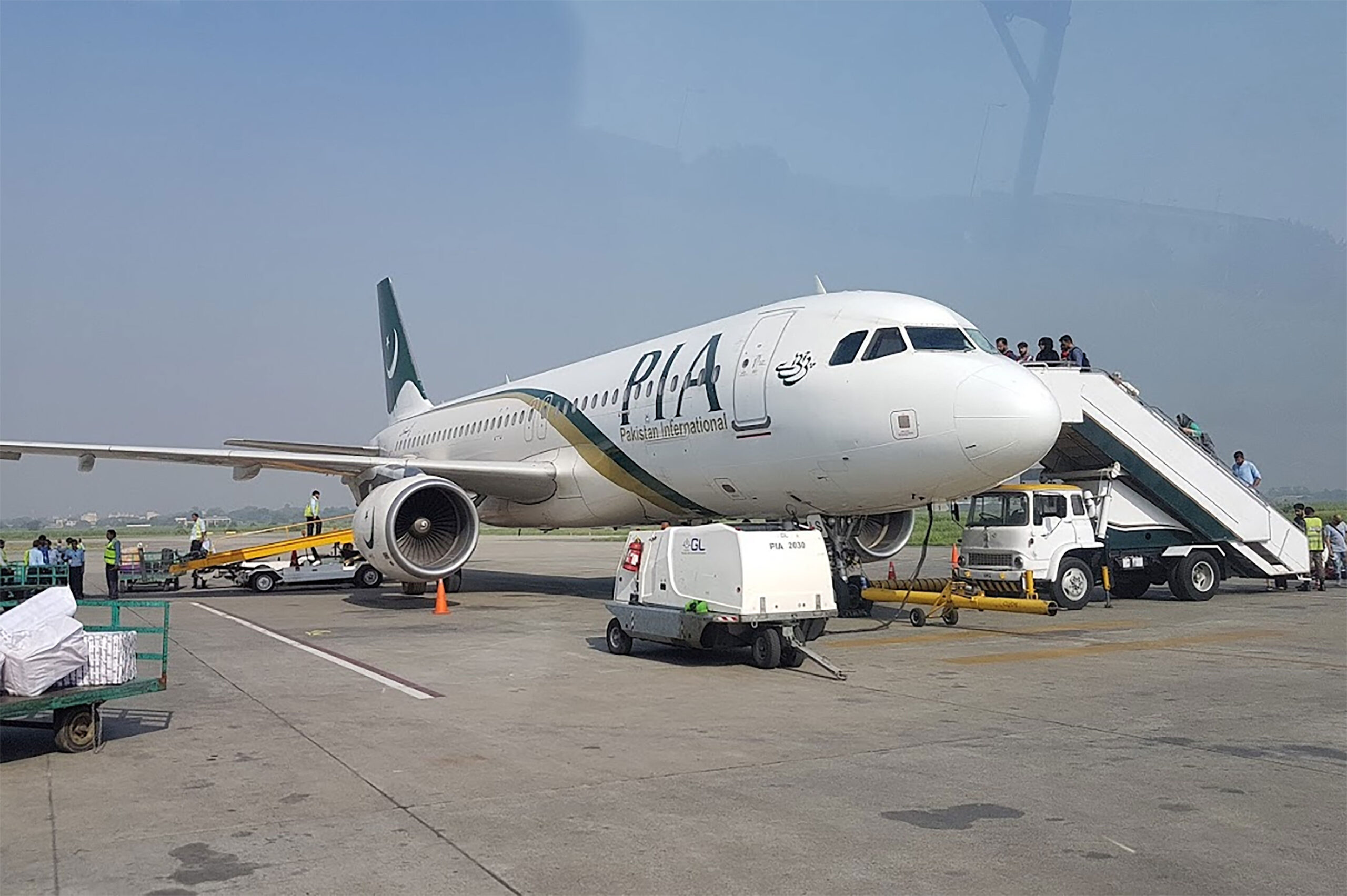
The bidding process for the privatization of a 75 percent stake in Pakistan International Airlines (PIA) will be held today, according to an official statement issued by the Privatization Commission. As per the schedule, bids will be received between 10:45 a.m. and 11:15 a.m., while the bids will be formally opened at 3:30 p.m. After submission, the sealed bids will be placed in a secured box. Subsequently, the Privatization Commission Board will convene to determine the reference price. The Cabinet Committee on Privatization will approve the reference price, which will be officially announced at the time of bid opening. If the submitted bids exceed the reference price, an open auction will be conducted. In case the bids fall below the reference price, preference will be given to the highest bidder. Under the privatization framework, 25 percent of PIA’s shares will remain with the government as a strategic asset. The successful bidder will have the option either to purchase the remaining 25 percent stake or leave it with the government. Following approval from the federal cabinet, the relevant documents received from bidders will be signed. The Privatization Commission will then complete all legal formalities within 90 days. In line with the government’s decision, the entire bidding process will be broadcast live on television networks. Adviser to the Prime Minister on Privatization Muhammad Ali will hold a press conference at the conclusion of the bidding process. The privatization of the national flag carrier is being carried out under Prime Minister Shehbaz Sharif’s economic reform agenda, aimed at restructuring state-owned enterprises and improving overall economic efficiency.
