

Lucky Motor Corporation has entered into a strategic and exclusive partnership with GAC Group, a major Chinese automotive giant, in a move that is expected to reshape Pakistan’s automobile sector and accelerate the shift toward electric vehicles. The agreement gives Lucky Motor the exclusive rights to introduce GAC’s new energy vehicle brands in Pakistan, marking a significant expansion of its portfolio beyond existing partnerships with Kia and Peugeot. Strategic Partnership Expands Auto Portfolio Under the agreement, Lucky Motor will introduce GAC’s globally recognised electric vehicle brands, including Aion and Hyptec, into the Pakistani market. GAC Group is a Fortune 500 company that has consistently ranked among the top automotive manufacturers in China and has led vehicle quality rankings for several years. The partnership significantly strengthens Lucky Motor’s global lineup, which already includes Korean and European brands, positioning the company as a diversified player in Pakistan’s automotive market. “This collaboration allows us to bring quality-centric world-class vehicles to Pakistani consumers,” said CEO Muhammad Faisal. Read More: Kia Pakistan Ends Fuel Confusion, Says Skip High-Octane and Save Money Focus on Electric Vehicles and Advanced Technology A major focus of the partnership is the introduction of new energy vehicles, particularly electric vehicles equipped with advanced battery technologies. GAC’s ecosystem includes battery development, vehicle manufacturing and recycling systems, allowing it to offer integrated and sustainable mobility solutions. The company’s proprietary battery platforms, including next-generation solid-state batteries, are designed to improve safety and efficiency while supporting long-term sustainability. Officials said the collaboration will enable Pakistan to access: Advanced electric vehicle technology Battery swapping infrastructure Sustainable mobility solutions “This strategic partnership will enable LMC to offer Pakistani consumers robust build quality and competitively priced NEVs,” the company said. Pakistan Positioned as a Growth Market GAC officials described Pakistan as an important emerging market with strong growth potential. Wang Shunsheng, a senior GAC executive, said the company sees long-term opportunities in the country and plans rapid expansion. “Pakistan is an important growth market… we are committed to expanding rapidly,” he said. The partnership is expected to bring new investment, technology transfer and industry development, strengthening Pakistan’s automotive ecosystem. Impact on Consumers and Market Competition For Pakistani consumers, the partnership could mean greater access to modern, fuel-efficient and electric vehicles at competitive prices. With rising fuel costs and increasing environmental concerns, electric vehicles are becoming more attractive as an alternative to traditional petrol and diesel cars. The entry of GAC is also expected to increase competition in the local market, potentially leading to: Better pricing options Improved vehicle quality More technology-driven features This could challenge existing automakers and push the industry toward innovation. Read More: Want a Hybrid Car for Rs3 Million? Here Are the Best Choices in Pakistan Boost to Industry, Jobs and Local Manufacturing The agreement is also expected to support local manufacturing and job creation. Lucky Motor already operates a modern assembly plant in Pakistan, and the addition of GAC vehicles could expand production capacity and localisation efforts. Chairman Muhammad Ali Tabba said the partnership reflects a long-term vision for industrial growth. “This collaboration is of strategic importance… it reflects our long-term commitment to industrial growth, technology transfer,” he said. Experts believe such partnerships can strengthen Pakistan’s position in the regional automotive supply chain. A Step Toward Sustainable Mobility The partnership signals a broader shift toward sustainable transport solutions in Pakistan. With global trends moving toward electric mobility, the introduction of advanced EVs and battery systems could help reduce reliance on imported fuel and lower emissions. Industry analysts say this move aligns with global efforts to transition to cleaner energy and modern transportation systems.
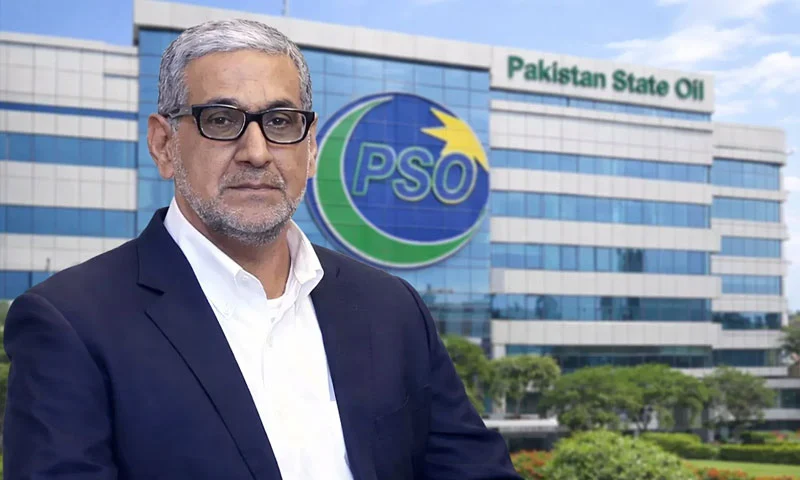
PSO Appoints Abdus Sami as Interim CEO After Leadership Move to K-Electric
Pakistan State Oil, the country’s largest oil marketing company, has appointed Abdus Sami as its interim chief executive officer following a key leadership change within the energy sector. The development was officially disclosed through a notice submitted to the Pakistan Stock Exchange, confirming the transition at the top level of the organization. According to the company, Abdus Sami will continue to serve in his existing role as Chief Supply Chain Officer while taking on additional responsibilities as interim CEO. His appointment took effect from March 31, 2026, and will remain in place until a permanent chief executive is appointed or further instructions are issued. Leadership Change Linked to K-Electric The appointment comes after Syed Taha, who previously served as Managing Director and CEO of Pakistan State Oil, moved on to take charge as the chief executive of K-Electric. His transition is part of a broader reshuffle within Pakistan’s energy sector. Earlier, Moonis Alvi stepped down from his role as CEO of K-Electric, after which Adeeb Ahmad was appointed as the interim head of the utility. These changes highlight an ongoing phase of restructuring and leadership adjustments across key energy institutions in the country. Experience and Background of Abdus Sami Abdus Sami brings more than two decades of experience in the energy sector, with a strong background in operations, supply chain management, and executive leadership. Over the course of his career, he has worked in both domestic and international markets, gaining expertise in managing complex projects and large-scale operations. He has previously served as Director of Commercial Distribution Operations at Tetra Tech Oil and Gas and has also worked with government and public sector utilities in Pakistan and Nigeria. He holds a Master of Business Administration degree from the Lahore University of Management Sciences, which is regarded as one of Pakistan’s leading business institutions. Importance of Leadership Stability at PSO Pakistan State Oil plays a critical role in the country’s energy ecosystem, handling a major share of fuel imports, storage, and distribution. Any leadership transition at such an institution carries significant importance, especially at a time when Pakistan is dealing with rising global oil prices, supply challenges, and growing domestic demand. The appointment of an experienced internal executive is being seen as a move to ensure continuity in operations while maintaining stability during the transition period. Broader Energy Sector Challenges The leadership changes at Pakistan State Oil and K-Electric come at a time when Pakistan’s energy sector is under pressure from multiple fronts, including circular debt, fluctuating international oil prices, and the need for structural reforms. Experts believe that effective leadership will be crucial in addressing these challenges and improving efficiency across state-owned enterprises. The interim appointment of Abdus Sami is expected to help maintain operational momentum while the company works toward appointing a permanent chief executive.
HBL Backs Mari Energies Project in Pakistan to Turn Polluting Gas into LNG
Pakistan is moving towards cleaner and more efficient energy solutions as Habib Bank Limited (HBL) has stepped in to finance a major emissions reduction project led by Mari Energies Limited. The initiative aims to convert harmful gas emissions into commercially valuable liquefied natural gas, marking a significant step toward sustainability and energy optimization. Major Financing Agreement Announced Mari Energies informed the Pakistan Stock Exchange that HBL has been formally mandated to arrange financing for its emissions reduction project at the Sachal Gas Processing Complex. The agreement was finalized during a signing ceremony held at Mari Energies’ head office in Islamabad on March 31, 2026. The project will be funded through a combination of sponsor equity and debt financing arranged by HBL. The company noted that the financing arrangement remains subject to regulatory approvals and completion of required formalities. Turning Emissions into Profit At the heart of the initiative is a newly established special purpose company named GHG Emissions Mitigation Limited (GEM), created in partnership with Ghani Chemical Industries Limited. The project will focus on capturing methane emissions by recovering hydrocarbons from exhaust gas streams produced during operations. These recovered hydrocarbons will then be processed into: Liquefied natural gas Industrial and food grade carbon dioxide This approach allows the company to transform waste emissions into commercially viable products while reducing environmental impact. Environmental and Economic Impact Methane is one of the most harmful greenhouse gases, and reducing its release is critical for tackling climate change. By capturing and converting emissions, the project aligns with global efforts to promote cleaner energy solutions. Experts note that such initiatives not only reduce pollution but also help countries like Pakistan: Improve energy efficiency Reduce reliance on imported LNG Generate additional revenue streams from byproducts Pakistan has long faced energy shortages and increasing import costs. Projects like this could help bridge the gap by maximizing domestic resource utilization. Strategic Importance for Pakistan’s Energy Sector Mari Energies is one of Pakistan’s leading exploration and production companies and plays a key role in supplying gas to industries and power producers. The company has also recently made new gas discoveries, highlighting its growing importance in strengthening domestic energy supplies. The GEM project reflects a broader shift in Pakistan’s energy sector toward sustainability, innovation, and value creation from existing resources. Regulatory Compliance and Disclosure The development was disclosed as material information under the Securities Act, 2015 and relevant Pakistan Stock Exchange regulations, ensuring transparency for investors and stakeholders.
JazzWorld Powers PSL 11 Through Its Most Powerful Brands: Jazz, JazzCash and Tamasha
As the Pakistan Super League returns for its 11th season, Jazz has emerged as one of the most prominent brands in the tournament through its integrated digital ecosystem, operating under JazzWorld. With partnerships spanning five out of eight teams, the company has established an unprecedented presence across PSL 11. Expanding Influence Across Teams and Platforms JazzWorld’s involvement combines its core services including connectivity, fintech, and digital entertainment. The company is leveraging its position as the official 5G speed partner to enhance real-time fan experiences across stadiums and digital platforms. Its fintech arm, JazzCash, has taken a major step by becoming the title sponsor of PSL’s newest franchise, Pindiz. This partnership is expected to boost fan engagement while supporting the identity of the new team in its debut season. At the same time, Tamasha continues to expand its reach as the official digital streaming partner, providing nationwide access to PSL matches. The platform has become a key player in Pakistan’s digital entertainment space, especially as more viewers shift toward mobile streaming. Enhancing Fan Engagement Through Technology JazzWorld’s strategy goes beyond branding, focusing heavily on interactive fan experiences. Through FanPulse, an engagement feature hosted on the Jazz website, fans can participate in live trivia during matches. The fastest participants win prizes, adding a competitive digital layer to the viewing experience. Industry analysts note that such integrations are becoming increasingly important as sports consumption shifts toward second-screen engagement, where fans interact with content in real time while watching matches. Leadership Perspective on PSL 11 Strategy Aamir Ibrahim, CEO JazzWorld, highlighted the company’s integrated approach. “This PSL, JazzWorld is bringing together our leading digital platforms to elevate how Pakistan experiences cricket. As the official 5G speed partner, Jazz is enabling seamless streaming and 5G-ready connectivity; through JazzCash, we are deepening fan engagement as title sponsor of PSL’s newest team, Pindiz; and through Tamasha, we are bringing the excitement of the tournament to millions with accessible, flexible viewing experiences. Together, these efforts reflect our purpose of delivering a Better Life for All by using technology to connect, empower, and entertain communities across Pakistan.” Kazim Mujtaba, President Jazz GSM, added, “Our strong presence across PSL 11 reflects Jazz’s deep connection with fans and our commitment to enhancing their experience during the country’s biggest cricketing moments. By enabling smooth streaming, real-time engagement, and reliable connectivity, we are helping bring millions of fans closer to the action and making the tournament more immersive nationwide.” Murtaza Ali, CEO JazzCash, said, “We are pleased to partner with Pindiz as their Title Sponsor at a time when the team is establishing a new identity in the Pakistan Super League. At JazzCash, our focus is on enabling shared, everyday experiences through secure and accessible digital financial services.” Redefining Brand Participation in PSL PSL has evolved into one of Pakistan’s largest sporting and commercial platforms, attracting millions of viewers both locally and internationally. With increasing competition among brands, digital ecosystems like JazzWorld are setting new benchmarks for engagement. Experts believe that combining connectivity, financial services, and entertainment into a unified experience represents the future of sports marketing in Pakistan.

SadaPay App Goes Down After AWS Disruption in Bahrain Amid Iran Conflict
Pakistan’s fintech sector faced a major disruption after SadaPay announced that its mobile application became unavailable for users due to an outage in Amazon Web Services infrastructure in Bahrain, triggered by the ongoing conflict in the Middle East. App Outage Linked to AWS Disruption SadaPay confirmed that its services were affected after AWS, the cloud infrastructure provider it relies on, experienced disruptions in Bahrain. The outage comes amid escalating tensions following attacks on Iran, which have expanded across the region and impacted Gulf countries including Bahrain. In a statement, the company said, “The SadaPay app is currently unavailable for all users. Our infrastructure runs on AWS in Bahrain, which has been disrupted since the drone strikes on March 1.” It added that “conditions in the affected AWS region worsened, causing a full app outage for our users.” Wider Impact of Regional Conflict The disruption is part of a broader fallout from the Iran conflict, which has affected critical infrastructure across the Middle East. Reports indicate that drone activity near AWS facilities caused the outage, marking the second such disruption in recent weeks. AWS, one of the world’s largest cloud service providers, plays a vital role in powering apps, financial platforms, and even government services globally. Any disruption to its infrastructure can have cascading effects on businesses that depend on it. Amazon confirmed that its Bahrain region had been “disrupted” and said it was working to restore services while helping clients shift operations to alternative locations. SadaPay Assures Users on Funds Safety Despite the outage, SadaPay reassured customers that their money remained secure. The company said user funds were “safe and fully accounted for,” and clarified that essential services such as debit cards, ATM withdrawals, and point-of-sale transactions were still operational. “This is not a SadaPay-specific failure, but it is our problem to solve for our users, and we are treating it with full urgency,” the company stated. The fintech firm also acknowledged that it was dealing with the “downstream consequences of physical damage to shared cloud infrastructure,” similar to other financial services across the Gulf. Previous Issues Add to Concerns The outage comes shortly after users reported issues such as incorrect deductions and negative balances in their accounts. SadaPay had earlier attributed those problems to a temporary issue with a technology partner and assured users that all balances would be corrected. These back-to-back disruptions have raised concerns among users about reliability, although the company has maintained that all funds remain secure. Growing Dependence on Cloud Infrastructure The incident highlights the increasing reliance of fintech companies on global cloud providers like AWS. Experts say such dependencies can create vulnerabilities when geopolitical events disrupt infrastructure. As the Middle East conflict continues, analysts warn that similar outages could affect more digital services across regions connected to impacted data centres.
PTA Approves Ufone-Telenor Merger, Reshaping Pakistan’s Telecom Landscape
Pakistan’s telecom sector is set for a major transformation after the Pakistan Telecommunication Authority approved the long-awaited merger between Ufone and Telenor Pakistan, paving the way for a consolidated mobile operator under PTCL Group. Regulatory Green Light After Lengthy Review The approval comes after months of regulatory scrutiny, during which the PTA assessed legal, technical, and competition-related aspects of the deal. Officials confirmed that the merger clears key regulatory hurdles and allows the integration process to move forward. The merger follows PTCL’s earlier acquisition of Telenor Pakistan, completed in December 2025, marking a significant shift in the country’s telecom ownership structure. Under the approved framework, Telenor Pakistan’s operations, assets, liabilities, and spectrum licenses will be transferred to Pak Telecom Mobile Limited, the company that operates Ufone. Creation of a Stronger Telecom Player The integration is expected to create a single, stronger entity combining the infrastructure and subscriber bases of both operators. Industry analysts say the move will help improve network coverage, operational efficiency, and service quality across Pakistan. Once fully merged, the combined entity is expected to become the second-largest telecom operator in Pakistan, behind Jazz, with a significantly larger market share than either company individually. Supporters of the merger argue that consolidation is necessary in a capital-intensive sector, especially as operators prepare for future technologies like 5G. Competition and Consumer Concerns Despite the potential benefits, the merger has also raised concerns about reduced competition, as the number of major telecom operators in Pakistan will drop from four to three. Regulators have addressed these concerns by imposing strict conditions, including requirements to maintain separate accounts, avoid cross-subsidisation, and ensure fair access to infrastructure for other operators. The PTA has emphasized that consumer interests, pricing fairness, and service quality will remain key priorities during and after the transition. Strategic Shift in Pakistan’s Telecom Sector The merger reflects a broader trend of consolidation in telecom markets worldwide, where rising operational costs and infrastructure investments are pushing companies to combine resources. Telenor’s exit from Pakistan also aligns with its global strategy to streamline operations, while PTCL aims to strengthen its position in the digital ecosystem. Industry experts believe the success of the merger will depend on how effectively the new entity integrates networks and improves customer experience, areas where both companies have faced criticism in the past.

Top 10 Pakistani Women’s Clothing Brands Dominating Eid Fashion
Eid is one of the biggest fashion seasons in Pakistan. As families prepare for celebrations, women begin searching for elegant outfits that reflect both tradition and modern style. Every year, leading Pakistani clothing brands launch special Eid collections featuring embroidered lawn suits, festive pret wear, and luxury formal outfits. Pakistan’s fashion industry offers a mix of affordable brands and luxury designers, allowing women to choose outfits for every budget and occasion. From casual Eid brunch looks to formal evening gatherings, several brands dominate the country’s festive fashion scene. Khaadi Khaadi is one of the most recognized clothing brands in Pakistan and is known for its fusion of traditional eastern wear with modern fashion. The brand offers stitched and unstitched collections along with ready to wear outfits for women. Its seasonal lawn and festive collections regularly rank among the best selling fashion lines in the country. For Eid, Khaadi typically launches embroidered lawn suits, printed kurtas, and festive pret outfits that combine bright colors with contemporary cuts. Gul Ahmed Gul Ahmed is one of Pakistan’s oldest and most trusted clothing brands. The company is known for producing high quality fabrics and elegant eastern wear collections that appeal to women of all ages. Its Eid collections often feature embroidered lawn suits, chiffon dresses, and festive three piece outfits designed for both casual and formal Eid gatherings. Sana Safinaz Sana Safinaz is a leading luxury fashion brand known for premium fabrics such as silk, chiffon, and embroidered lawn. The brand is widely regarded as one of Pakistan’s most famous designer clothing labels. Its Eid collections often focus on elegant cuts, soft color palettes, and intricate embroidery that appeal to women looking for sophisticated festive wear. J. J., also known as Junaid Jamshed, is a well known Pakistani fashion brand that offers clothing for both men and women. It blends traditional eastern styles with modern fashion elements. For Eid, the brand introduces stylish kurtas, embroidered suits, and festive pret collections that remain affordable and widely accessible. Bonanza Satrangi Bonanza Satrangi is popular among Pakistani women for its affordable yet fashionable clothing collections. The brand is known for offering stylish eastern outfits at competitive prices. During Eid, Bonanza Satrangi releases colorful lawn suits, printed dresses, and festive wear designed for everyday celebrations. Alkaram Studio Alkaram Studio is another major Pakistani fashion brand recognized for vibrant prints and seasonal lawn collections. The brand is trusted for both fabric quality and modern designs. Its Eid collections often feature lightweight fabrics, embroidered suits, and trendy silhouettes perfect for daytime Eid gatherings. Maria B Maria B is one of Pakistan’s most famous designer brands and has gained international recognition for luxury fashion and bridal couture. The label specializes in formal wear, luxury pret, and festive outfits. For Eid, Maria B launches elegant embroidered dresses and luxury pret outfits designed for evening celebrations and special events. Limelight Limelight is one of the fastest growing fashion brands in Pakistan and is known for trendy yet budget friendly clothing. The brand offers clothing for women, men, and children. Its Eid collections typically feature modern cuts, printed suits, and affordable festive outfits popular among young shoppers. Outfitters Outfitters is widely recognized for western and streetwear fashion in Pakistan. The brand is especially popular among younger audiences and university students. For Eid, Outfitters often releases stylish western inspired outfits including dresses, tops, and trendy casual wear. Nishat Linen Nishat Linen remains one of the most trusted and widely purchased clothing brands in Pakistan. The brand offers affordable yet stylish eastern wear collections throughout the year. Its Eid collections usually include embroidered lawn suits, printed kurtas, and elegant festive outfits suitable for both casual and formal celebrations. Eid Fashion Trends in Pakistan Fashion experts say embroidered lawn suits, pastel shades, and silk dupattas are among the most popular Eid fashion trends this year. Long shirts paired with straight trousers and traditional shalwars are also making a strong comeback. With the rise of online shopping, many Pakistani women now browse Eid collections digitally before visiting stores, making seasonal fashion launches even more competitive among leading clothing brands.
Petrol Hike Forces Krave Mart to Raise Free Delivery Limit to Rs999
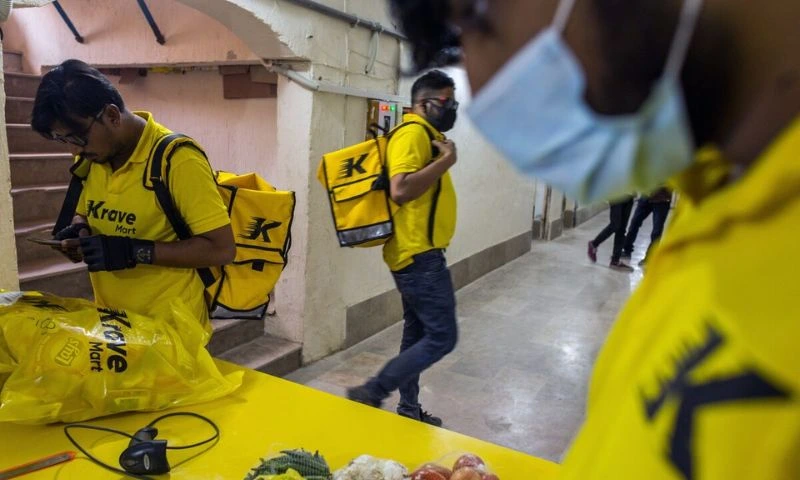
Pakistan’s latest petrol price increase is beginning to ripple across everyday services, and one of the clearest examples is the change recently introduced by Krave Mart, a growing quick commerce grocery delivery platform. The company has raised its free delivery minimum order from Rs499 to Rs999, citing the rising cost of operations linked to fuel prices. The move reflects a broader economic reality: when energy costs surge, the impact eventually reaches both businesses and consumers. While the change has sparked conversation among users, industry observers say the decision highlights the difficult balancing act faced by delivery platforms trying to keep services affordable in a rapidly changing economic environment. Petrol Price Shock Hits Pakistan The adjustment comes shortly after Pakistan announced a major increase in fuel prices. The government raised petrol and diesel rates by about Rs55 per litre, pushing petrol to roughly Rs321.17 per litre and diesel to around Rs335.86 per litre. The hike was linked to a sharp rise in global oil prices triggered by geopolitical tensions in the Middle East. Fuel price increases quickly affect transportation costs across the economy. Delivery companies, ride hailing platforms, logistics providers, and freight businesses all depend heavily on petrol and diesel to move goods. Experts say even a small change in fuel prices can significantly increase operating costs for services that rely on fleets of motorcycles or vehicles for last mile delivery. The Rise of Quick Commerce in Pakistan Founded in 2021, Krave Mart has become one of Pakistan’s emerging quick commerce platforms, promising grocery deliveries in roughly 20 to 30 minutes through a network of dark stores across cities like Karachi, Lahore, and Rawalpindi. The startup operates in a market largely dominated by major delivery platforms such as Foodpanda. However, Krave Mart carved out a niche by focusing on speed and affordability. One of the platform’s most consumer friendly features was its free delivery policy. Until recently, users could qualify for free delivery on orders as low as Rs499, which was significantly lower than many competitors. For comparison, industry users often note that Foodpanda typically requires a much higher minimum order value, often around Rs1399, for free delivery promotions. Why Krave Mart’s Change Matters The shift from Rs499 to Rs999 signals how difficult it has become for delivery platforms to absorb rising operational costs. Each delivery involves fuel, rider compensation, logistics management, and technology infrastructure. As petrol prices climb, the cost per order increases immediately. By raising the minimum order threshold, Krave Mart is attempting to maintain free delivery while ensuring that individual orders remain economically viable. Industry analysts say the move still positions the company relatively well in the market. “Even at Rs999, the threshold remains competitive compared with many delivery platforms,” said one e commerce consultant familiar with the sector. Global Crises, Local Consequences Pakistan’s fuel price surge is not occurring in isolation. The country has faced years of economic challenges, including inflation and rising import costs. Global energy market volatility often translates directly into higher domestic fuel prices. Because Pakistan imports most of its fuel, international price shocks can quickly affect the entire economy. For businesses, this means rising logistics expenses. For consumers, it means higher costs for transportation, groceries, and delivery services. Businesses Adjust While Customers Adapt Krave Mart’s decision reflects a wider trend across the digital economy. Companies are trying to protect customers from direct delivery charges while adapting to rising operational costs. By continuing to offer free delivery at a relatively low threshold compared with competitors, the company is positioning itself as a consumer friendly platform despite the economic pressure. Ultimately, the change illustrates how global crises and energy markets can shape everyday services. From petrol pumps to grocery apps, the cost of fuel is increasingly shaping how businesses operate and how consumers shop.
JazzWorld to Highlight Pakistan’s AI Digital Revolution at MWC Barcelona 2026
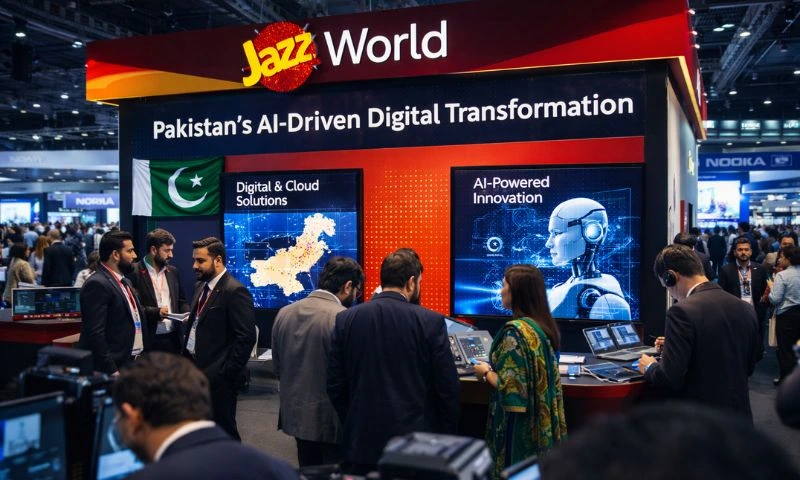
Pakistan’s leading telecommunications operator JazzWorld is set to highlight the nation’s digital transformation achievements at the GSMA Mobile World Congress (MWC) Barcelona 2026, one of the world’s most significant tech events. The company confirmed its participation in the annual industry gathering, where it will put Pakistan’s AI-powered digital initiatives on the global stage. (propakistani.pk) MWC Barcelona runs from 24 to 27 February 2026, bringing together mobile, technology and digital leaders from around the world to explore the latest in connectivity, artificial intelligence, cloud computing, fintech and other emerging technologies. JazzWorld’s participation underscores Pakistan’s growing role in the global digital ecosystem as local firms expand their footprint and showcase homegrown innovation. Showcasing Pakistan’s Digital Evolution At MWC 2026, JazzWorld will spotlight its suite of AI-driven solutions and platforms, emphasising how the company is helping accelerate digital adoption across Pakistan’s economy. The company plans demonstrations on technologies including AI-enabled customer experience tools, predictive analytics, digital financial services and cloud-based enterprise solutions. These innovations reflect the fast pace at which Pakistan’s tech landscape is evolving. JazzWorld executives will also engage in panel discussions and networking sessions with global tech partners, providing visibility into how Pakistan is leveraging digital infrastructure to bridge the technology gap and unlock socioeconomic opportunities. A key narrative will be the adoption of 4G/5G network expansion, integration of AI and machine learning to support smarter services, and digital inclusion strategies that target both urban and rural communities. Read More: Zong vs Ufone vs Jazz: The Ramadan Bundles Everyone Talks About Pakistan’s Rising Digital Presence Pakistan’s telecommunication sector has been undergoing rapid change, driven by heavy investment in connectivity and digital services. According to the Pakistan Telecommunication Authority (PTA), the country’s mobile penetration rate surpassed 80 percent, and the number of internet subscribers continued to rise, indicating robust demand for digital access. Such statistics provide a backdrop for JazzWorld’s participation in MWC. (ptaj.gov.pk) Industry analysts view Pakistan’s presence at MWC 2026 as a positive sign for the country’s technology ambitions. Over recent years, local firms have increasingly participated in global events, pitching everything from fintech innovations to telehealth applications and smart city solutions. Tech conferences like MWC provide Pakistani startups and established firms alike with exposure to international investors and potential partnerships. JazzWorld’s Strategic Vision JazzWorld has positioned itself as more than just a telecom provider. In recent years it has pushed into digital ecosystems, offering services ranging from mobile payments to cloud services and AI-powered solutions for enterprises. The company’s leadership believes that digital transformation is essential to economic growth and that Pakistan must continue bridging the technology adoption gap. Speaking on the company’s MWC participation, a JazzWorld leader said that the initiative aims “to showcase Pakistan’s digital transformation story and demonstrate how technology can create opportunities for businesses and citizens alike.” This statement reflects JazzWorld’s commitment to not only improve connectivity but also enhance the digital experience for Pakistan’s growing online population. Read More: Jazz and Universal Service Fund Sign Badin Project to Expand Digital Connectivity What to Expect at MWC Barcelona As the event unfolds in Barcelona, JazzWorld will join delegates from leading global firms to present and discuss future technology trends, with spotlight themes including artificial intelligence, next-generation connectivity, digital financial platforms and enterprise digitalisation. MWC Barcelona 2026 provides a platform for companies from emerging markets to demonstrate how they are harnessing technology for economic development. JazzWorld’s presence showcases Pakistan’s readiness to compete in a technology-driven world and signals strong confidence in the country’s digital future.

Karachi Iftar Buffets 2026: 15 Plus Places Everyone Is Booking This Ramadan
Ramadan transforms Karachi’s food scene into a lively feast. Restaurants and hotels roll out special iftar buffets with vast spreads, drinks, desserts and traditional favorites. These buffets let families and friends break their fast together in festive, welcoming settings across the city. Buffet prices vary widely by venue and menu style. Some focus on desi BBQ and traditional dishes, while others offer multi-cuisine international spreads. Most buffets include dates, juice/rooh afza, chaat, main courses, desserts and hot drinks prepared for iftar. Ask about tax and reservation requirements before booking. 1. Lal Qila – PKR 2,690+ tax Lal Qila is one of Karachi’s most iconic buffets, known for its authentic Mughlai, barbecue and traditional Pakistani cuisine. Expect plenty of grilled meats, biryanis and desserts in a rich, heritage-style setting. 2. Kolachi (Do Darya) – PKR 2,500–3,000 approx Kolachi’s open-air waterfront location at Do Darya makes it a popular ramadan choice. Its iftar buffet blends Pakistani classics with BBQ and live counters in a scenic sea view setting. 3. Nadia Cafe – PKR 3,500+ tax Nadia Cafe’s buffet offers over 40 curated iftar and dinner items, combining traditional favorites with contemporary dishes for a well-rounded Ramadan feast. 4. Saltanat Restaurant – PKR 2,903 card / 3,134 cash Saltanat’s lavish iftar spread includes 70+ dishes with BBQ specialties, Pakistani mains, desserts, salads and drinks. Children under four eat free, making it family-friendly. 5. Bar B.Q Tonight – PKR 1,800–2,400 This classic Karachi chain offers a hearty Pakistani iftar buffet with pakoras, samosas, BBQ, curries and sweets. Prices vary by branch. 6. La Chine – ~PKR 3,500+ La Chine’s Ramadan buffet features 55+ items spanning Chinese and fusion dishes with Iftar classics like samosas and desserts included in the set. Special reservation discounts are often available. 7. Mizaaj Restaurant – PKR 2,950+ tax Mizaaj serves a blend of 40+ Pakistani and international dishes, featuring biryani, chicken handis, flavored starters and desserts, making it a well-liked Ramadan buffet option. 8. Cocochan – PKR 2,990+ tax Cocochan’s Asian-leaning iftar offers Chinese, Thai and Japanese variety along with classic Iftar items. Kids’ prices are often lower. 9. Clock Tower Restaurant – PKR 2,980+ tax This restaurant hosts a diverse buffet featuring samosas, kebabs, BBQ fish, soups, and desserts. Its views and ambiance make it a favorite for Ramadan gatherings. 10. Zameer Ansari – PKR 1,499+ tax A budget-friendly option with over 80 items, focusing on BBQ, desi mains, refreshing drinks and desserts in a lively setting. 11. Mailma Restaurant – PKR 2,999+ tax Mailma offers a diverse international and Pakistani buffet with curries, grilled items and desserts in a cozy setting ideal for family iftars. 12. Studio 7Teas – PKR 1,199 Studio 7Teas presents a casual buffet with wraps, sliders, mini pizzas, soups, traditional snacks and refreshing drinks at a very affordable price. 13. Coconut Grove – ~PKR 2,799+ tax Known for its chaat station and dessert bar, Coconut Grove mixes live BBQ, starters and main courses in an open-air setting. 14. Rajdhani Delights – PKR 2,500–3,000 approx Rajdhani’s themed buffet brings Rajasthani and Gujarati flavors along with traditional Iftar items for a unique spread. 15. Ramada Plaza (La Terrasse & Pool BBQ) – ~PKR 4,950+ Ramada’s multi-cuisine buffet and poolside BBQ offer a premium experience, with a broad mix of Pakistani, Chinese, continental and grilled dishes.
