
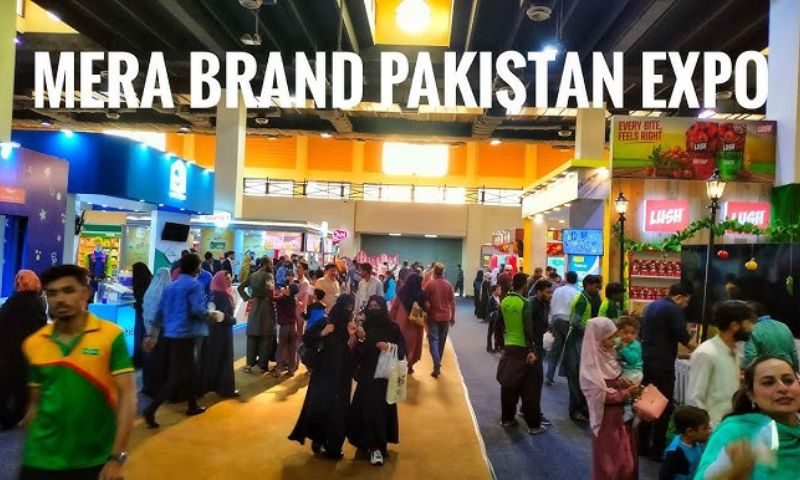
Karachi’s entrepreneurial and family lifestyle scene is set to come alive today as the Mera Brand Pakistan flagship exhibition opens its doors to the public, positioning itself as one of the most vibrant showcases of local innovation, small businesses, and emerging consumer brands in the country. The 4th Mera Brand Pakistan Karachi Family Expo, starting today and running through the weekend, brings together hundreds of Pakistani brands under one roof. Hosted at the Expo Centre Karachi, the event blends shopping, food, entertainment, and entrepreneurship into a single family-friendly experience. Organisers say the goal is simple: give Pakistani brands the visibility they deserve while offering families an engaging space to explore homegrown products. This year’s expo features a wide mix of categories, including fashion, beauty, home décor, food and beverages, kids’ products, handicrafts, wellness items, and tech-enabled startups. Many of the participating brands are women-led or home-based ventures that have grown through social media and word of mouth. For them, mera brand is not just an exhibition. It is a launchpad. Beyond shopping, the expo has been designed as an experience. Visitors can expect live activities, food stalls, interactive zones for children, and special attractions aimed at encouraging families to spend several hours at the venue. Organisers say the family-centric format has been key to the expo’s growing popularity in Karachi. The rise of platforms like Mera Brand Pakistan reflects a broader shift in Pakistan’s retail and startup ecosystem. With rising costs of traditional retail space and growing digital exposure, physical expos have become critical touchpoints where online brands meet customers face to face. Industry observers note that such events help small businesses build trust, test products, and scale faster. According to organisers, this edition has drawn strong interest from startups, lifestyle brands, and returning exhibitors who credit earlier expos for helping them expand their customer base. The timing is also significant, as consumer activity traditionally picks up during seasonal shopping cycles. As the expo kicks off today, footfall is expected to remain strong over the coming days, driven by families, young shoppers, and supporters of local businesses. In a market often dominated by imported products, mera brand continues to carve out space for Pakistani creativity, resilience, and ambition proving that local brands are not just surviving, but thriving.
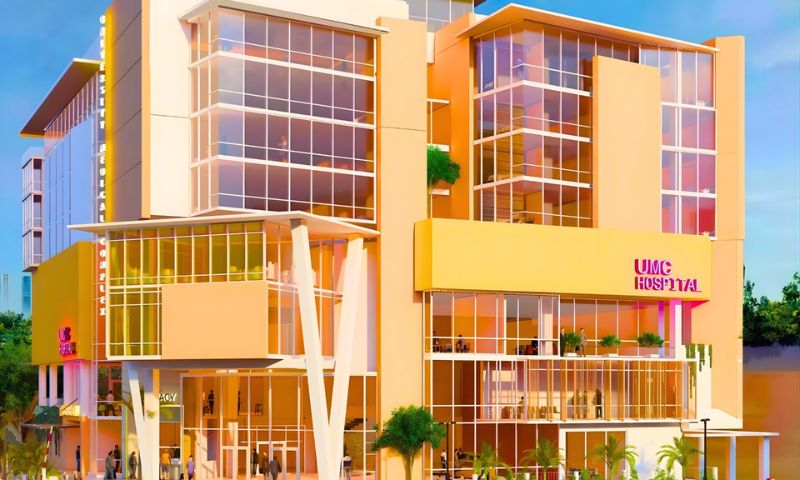
Free Care for 200,000 Patients a Year: Inside Karachi’s New University Medical Complex
A major addition to Karachi’s strained healthcare system is about to take shape as a UN-accredited international medical relief organisation prepares to break ground on a large-scale tertiary care hospital designed to serve both paying and non-paying patients. On January 4, 2026, Imamia Medics International (IMI) will formally launch construction of its flagship University Medical Complex (UMC), a project its leadership describes as a long-term healthcare lifeline for the city. Once operational, the University Medical Complex is expected to treat up to one million patients annually, including 200,000 deserving patients who will receive completely free medical care. The facility will rise along University Road in Gulistan-e-Jauhar, adjacent to the University of Karachi, placing it at the heart of one of the city’s most densely populated education and residential corridors. IMI, led by senior Pakistan-origin doctors mostly based in the United States, has been active in medical relief work across more than 30 countries. According to the organisation, the idea for UMC grew out of decades of on-ground experience running 25 charitable clinics across Pakistan, which currently provide free treatment to around 150,000 patients every year. IMI’s credibility is underpinned by its UN accreditation, first granted over 25 years ago and upgraded to consultative status in 2006. The January 4 groundbreaking will be followed by a high-profile fundraising event later the same day at a leading Karachi hotel. The programme will include a detailed video presentation outlining the hospital’s scope and projected impact. Veteran showbiz personality Khalid Anum will conduct the fundraising session, with philanthropists, donors, and community leaders expected to pledge support to help fast-track construction. IMI founder Dr Wajih Rizvi says the complex is designed as a comprehensive, multi-specialty facility, offering emergency and trauma care, women’s and child health services, and advanced treatment for both infectious and non-infectious diseases. Over time, it is also planned as a centre for medical education and research. He points to Karachi’s rapidly growing population and rising healthcare costs, noting that quality treatment is increasingly out of reach for low- and middle-income families. The project has also drawn endorsements from prominent religious and community figures, including Allama Syed Shahenshah Hussain Naqvi, who has pledged full support. For IMI, January 4 marks more than a ceremonial milestone—it signals the start of an ambitious effort to narrow Karachi’s widening healthcare gap.
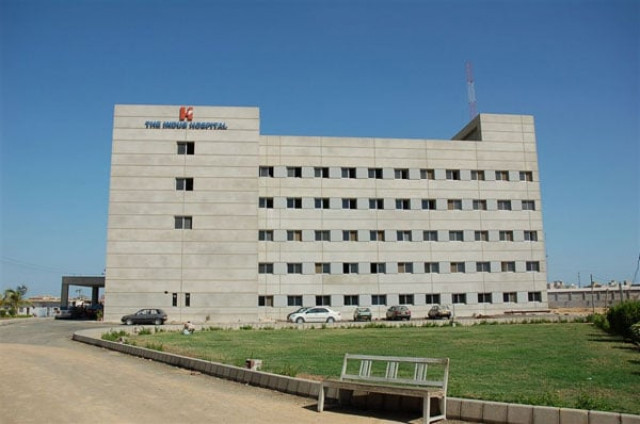
Career Opportunity: Indus Hospital & Health Network Hiring Head of Procurement for Karachi Campus
Indus Hospital & Health Network has announced a career opportunity for an experienced Head of Procurement at its Supply Chain Campus, Korangi, as part of its ongoing efforts to strengthen operational efficiency and support future growth. The role is designed for a senior supply chain professional who will be responsible for developing and executing strategic and operational procurement plans aligned with the hospital’s expanding healthcare services. The selected candidate will play a critical role in ensuring that the organisation has the right resources in place to support both current operations and long-term expansion. Key responsibilities include establishing procurement policies, organisational structures, and procedures to ensure effective purchasing, receiving, storage, delivery, and material accountability systems. The Head of Procurement will also maintain strong coordination with vendors and service providers, monitor market trends related to pricing, availability, quality, and delivery, and oversee workforce planning, task allocation, and equipment utilisation within the supply chain function. The position further involves determining fiscal requirements and preparing budgetary recommendations to support procurement and supply chain operations across the network. Given the scale of operations at Indus Hospital, the role demands strong leadership, analytical skills, and the ability to manage complex procurement and compliance processes. Candidates applying for the role should hold a Master’s degree in Supply Chain Management, while relevant professional certifications will be considered an added advantage. Applicants must have 10 to 15 years of experience, with extensive exposure to procurement, imports, and regulatory compliance in large-scale organisations. Advanced Excel skills, strong reporting capabilities, and analytical expertise are essential for success in this role. Indus Hospital & Health Network has reiterated its commitment to maintaining a safe and ethical work environment. The organisation maintains a zero-tolerance policy toward Sexual Exploitation and Abuse, and all shortlisted candidates will undergo rigorous background checks and control processes. Interested professionals can apply online through the official careers portal. The submission deadline is January 10, 2026.
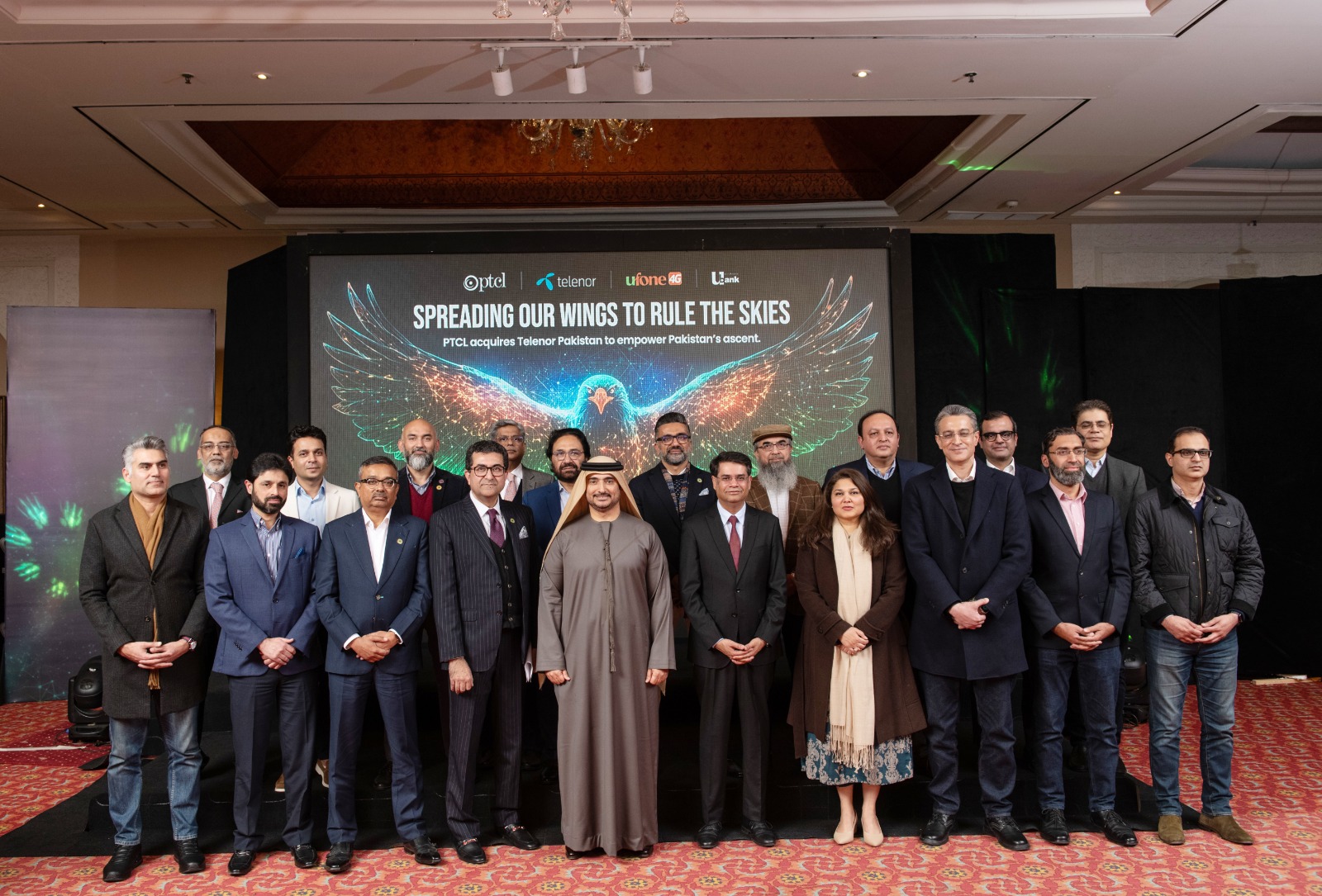
Pakistan’s Telecom Industry Transformed as PTCL Takes Over Telenor
Pakistan’s telecom landscape entered a new phase on December 31, 2025, as Pakistan Telecommunication Company Limited (PTCL) officially completed the acquisition of 100% shareholding of Telenor Pakistan and Orion Towers, marking one of the most consequential consolidations in the country’s digital history. With this transaction, both Telenor Pakistan and Orion Towers now operate as wholly owned subsidiaries of PTCL, alongside Ufone 4G and U Microfinance Bank. The acquisition brings to a close Telenor ASA’s nearly two-decade journey in Pakistan, during which the Norwegian group played a major role in expanding mobile connectivity and raising service standards. PTCL acknowledged Telenor’s contribution, describing the deal as a coming together of complementary strengths rather than a simple ownership change. For customers, the immediate message is continuity: Telenor Pakistan will continue to function as a separate legal entity during the transition phase. Looking ahead, PTCL plans to integrate Telenor Pakistan with Pak Telecom Mobile Limited (PTML), which operates Ufone 4G, into a single merged entity, commonly referred to as MergeCo, subject to regulatory approvals. Industry observers say this integration could reshape competition in Pakistan’s telecom market by creating a larger player with improved spectrum utilization, broader network reach, and greater capacity to invest in next-generation technologies. Speaking on the milestone, PTCL Group President and CEO Hatem Bamatraf called the acquisition a proud moment for both the company and the sector. He emphasized that the focus would remain on customer-centric services, seamless connectivity, and improved user experience. Bamatraf also stressed that the transition would respect existing talent, ensuring continuity for employees while integrating global best practices. Analysts see the move as strategically timed. Pakistan’s telecom sector is under pressure from rising operational costs, slowing revenues, and the need for heavy investment in data infrastructure. By consolidating assets, PTCL aims to optimize costs, strengthen network resilience, and accelerate innovation in areas such as 4G expansion, digital financial services, and enterprise solutions. The acquisition also fits into Pakistan’s broader digital ambitions, where improved connectivity is seen as essential for economic growth, e-commerce, fintech, and public service delivery. With millions of subscribers now under a single strategic umbrella, PTCL is positioning itself as a central force in shaping the country’s digital future. As 2026 begins, this landmark deal signals not just a change in ownership, but a recalibration of Pakistan’s telecom ecosystem—one that could redefine how millions connect, communicate, and do business in the years ahead.
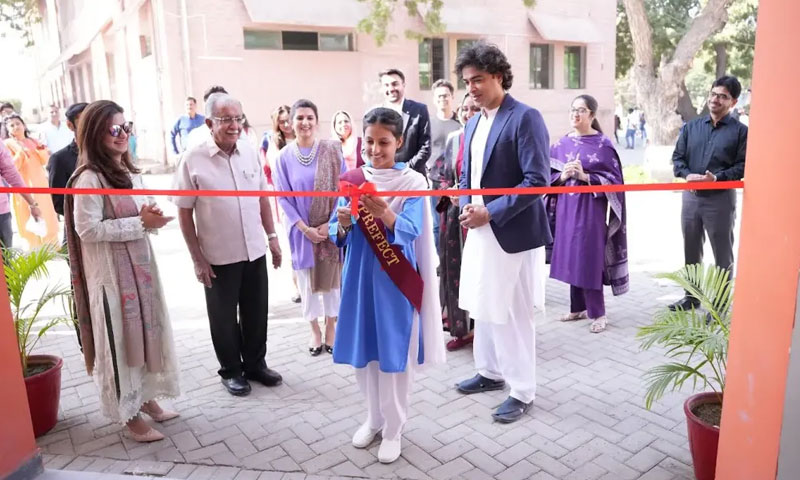
Mobilink Bank, Zindagi Trust Bring Sustainable Power to Public School Digital Learning
Pakistan’s leading digital microfinance institution, Mobilink Bank, has taken another step toward inclusive and sustainable education by solarizing the Digital Arts Lab at Khatoon-e-Pakistan Government Girls Secondary School in Karachi. The initiative, implemented under the bank’s Corporate Social Responsibility (CSR) program, aims to ensure uninterrupted access to digital and creative learning for girls by addressing one of the most persistent challenges facing public schools: unreliable electricity. The Digital Arts Lab is operated by Zindagi Trust, an organization known for transforming public education spaces into modern, future-ready learning environments. With the installation of a solar energy system, the lab can now function without disruption, allowing students to consistently engage with digital tools, creative software, and technology-based learning activities. The project directly benefits around 320 students from grades 6 to 8 and is designed to support all future cohorts enrolled in the lab. By securing a clean and dependable energy source, the initiative removes infrastructure barriers that often limit the effectiveness of digital education in government schools. Haaris Mahmood Chaudhary, President and CEO of Mobilink Bank, said that access to sustainable energy is essential for meaningful learning in today’s technology-driven world. He noted that the partnership with Zindagi Trust reflects the bank’s commitment to empowering young girls with the skills they need to learn, create, and thrive, while also contributing to long-term environmental sustainability. Zindagi Trust highlighted that lasting education reform requires more than updated curricula—it also depends on enabling infrastructure. By integrating renewable energy into a technology-focused learning space, the Trust reinforced its mission to ensure that students in public schools are not left behind as education rapidly digitizes. Beyond its immediate impact, the solarization project is a long-term investment in the school’s learning environment. It strengthens educational continuity for current students and secures lasting benefits for generations to come at Khatoon-e-Pakistan Government Girls Secondary School. The initiative underscores a shared vision between Mobilink Bank and Zindagi Trust to bridge critical gaps in education through scalable, sustainable, and socially responsible solutions—particularly those that advance girls’ education, digital inclusion, and environmental responsibility.
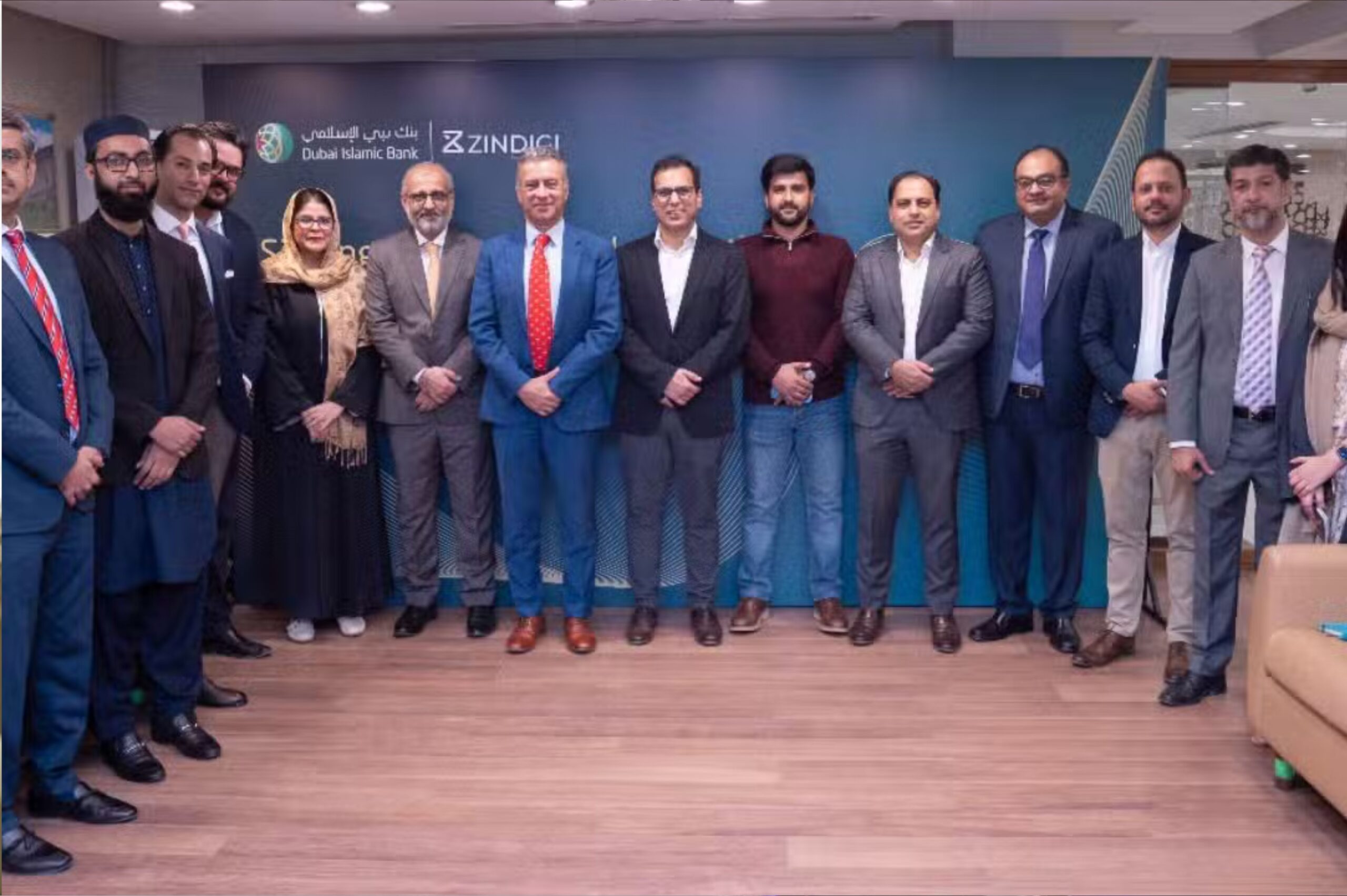
DIB Pakistan Joins Hands with Zindigi to Expand Shariah-Compliant Banking
Karachi, December 29, 2025 — Pakistan’s digital banking landscape took a notable step forward as Dubai Islamic Bank Pakistan announced a strategic partnership with Zindigi, the digital banking platform owned by JS Bank, aimed at expanding Shariah-compliant and technology-driven financial services across the country. Under the agreement, DIB Pakistan will provide a Current Account facility for Zindigi, allowing users to operate the account directly through the Zindigi app. This integration means customers can access Islamic banking services seamlessly within a fully digital environment, without the need for physical branch visits. The move reflects a broader shift in Pakistan’s banking sector, where digital-first solutions are increasingly being adopted to meet the needs of a young, mobile-savvy population. Speaking at the signing, DIB Pakistan CEO Muhammad Ali Gulfaraz described the collaboration as a natural extension of the bank’s commitment to innovation and ethical finance. He noted that partnering with a fast-growing digital platform like Zindigi allows DIB to extend its reach while maintaining Shariah principles and customer-centric values. Industry observers see this as part of a wider trend among Islamic banks to integrate with fintech and neobank-style platforms to remain competitive. Zindigi’s Chief Officer, Noman Azhar, said the partnership introduces a fully Shariah-compliant offering within Zindigi’s ecosystem, giving customers greater choice in how they manage their finances. He emphasised that faith-aligned banking should be accessible, transparent, and digitally seamless especially at a time when consumers are increasingly looking for alternatives that match both their values and lifestyle. The collaboration is designed as a scalable and future-ready platform, with plans to expand into additional digital financial products over time. Analysts suggest this could include payments, savings, financing, and other value-added services tailored to underserved and digitally inclined segments of the population. Pakistan has seen rapid growth in branchless banking and digital wallets over the past few years, driven by smartphone penetration, regulatory support, and demand for convenient financial access. By combining DIB Pakistan’s expertise in Islamic banking with Zindigi’s digital infrastructure, the partnership aims to accelerate financial inclusion while strengthening trust in digital Islamic finance. As competition intensifies in Pakistan’s fintech space, collaborations like this are increasingly viewed as essential for banks seeking relevance in a fast-evolving market. The agreement underscores a shared ambition to modernise banking in Pakistan by blending compliance, innovation, and accessibility and it signals how traditional financial institutions and digital platforms are reshaping the future of money management in the country.
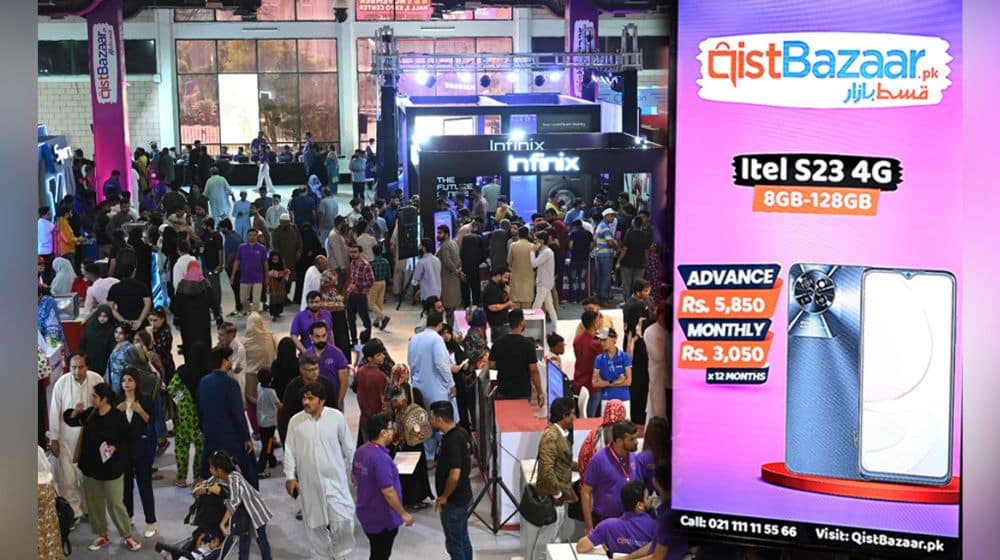
Big Deals & Easy Payments: What to Expect at Qist Bazaar Expo Karachi
Karachi is gearing up for one of the year’s most talked-about shopping events as Qist Bazaar’s Installment Expo 2025 prepares to open its doors at the Expo Center Karachi from 26–28 December, promising a three-day experience packed with product showcases, unbeatable deals, and exciting brand activations that have already sparked buzz online. Locals and visitors alike have been sharing teaser posts and behind-the-scenes footage on social media, highlighting the scale of preparations and the promise of easy installment purchasing on a wide variety of products. The official Qist Bazaar Instagram account has been posting energetic reels and clips encouraging Karachi residents to “tayyar ho jao” — get ready — for what organisers are calling the biggest installment shopping expo of the season. Early clips show bustling setup activity inside the Expo Center’s halls, hinting at a vibrant event floor where brands will highlight their latest offerings and shoppers can interact directly with products before they buy. What sets this expo apart for many visitors is its buy now, pay later philosophy, something that has resonated strongly with customers across Pakistan over the past year as inflation and cost-of-living pressures persist. Through Qist Bazaar’s platform, products like smartphones, bikes, and appliances are made more accessible with flexible payment plans that allow buyers to take home what they want now and pay over time — a concept that social media users have described as “a dream come true for many middle-class families.” Among the brands that are expected to draw attention are major mobile phone names like Samsung, Infinix, itel, and others, which are frequently tagged in event posts and promotional stories shared by shoppers on Instagram and Twitter. Attendees have been tagging each other in posts showing deal highlights from previous gigs, with comments like “last year’s prices were unreal, can’t wait for this year!” and “everyone’s bringing their best offers.” After two successful editions earlier in the year, Karachi’s installment expo format has built a loyal following that blends retail excitement with community energy. Families are planning group visits, tech fans are lining up to compare gadgets, and many first-time shoppers are preparing to explore installment options for items they might otherwise wait to afford. The expo promises to be as much a social event as a shopping destination, with crowds expected to fill the halls from morning into evening throughout the festive weekend.
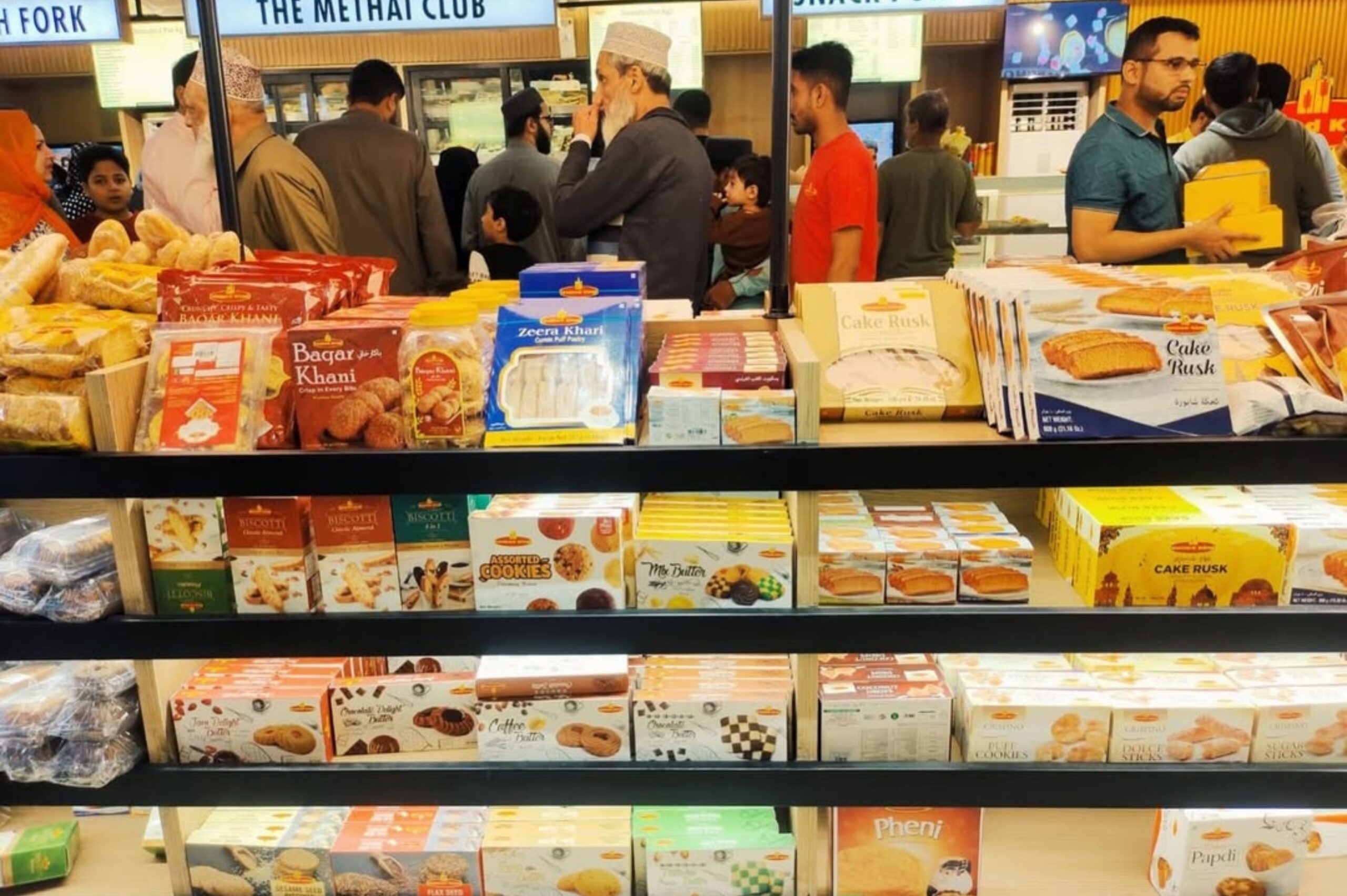
Popular Sweets Brand Launches New Karachi Outlet
KARACHI: One of Pakistan’s most trusted names in sweets and bakery, United King, has further strengthened its presence in Karachi with the inauguration of a new outlet in the city’s bustling Dhoraji area. The outlet was officially opened on Monday, December 22, 2025, marking another important step in the brand’s steady expansion across the country. The opening ceremony was held under the leadership of Shaikh Muhammad Tehseen, Chief Executive Officer of United King, whose vision and commitment have played a central role in the company’s growth. Speaking on the occasion, company representatives highlighted that the new outlet reflects United King’s mission to make its premium-quality products more accessible to customers in key urban neighborhoods. The Dhoraji branch features a modern and welcoming layout designed to enhance the customer experience. From traditional Pakistani sweets to a wide variety of cakes, pastries, biscuits, and baked items, the outlet offers the full range of United King’s signature products. While the ambiance reflects contemporary retail standards, the focus remains firmly on the taste, quality, and consistency that the brand has been known for over the decades. United King’s journey began several decades ago as a local sweets business and gradually evolved into one of Pakistan’s leading bakery and confectionery brands. Over the years, it has built a strong reputation for maintaining high standards of hygiene, using quality ingredients, and preserving authentic flavors. This reputation has helped United King earn the trust of generations of customers across Pakistan. Today, the brand operates numerous outlets in major cities including Karachi, Lahore, Islamabad, Rawalpindi, and Faisalabad. Beyond Pakistan, United King has also expanded its footprint internationally, serving South Asian communities in select global markets and strengthening its image as a recognizable Pakistani brand abroad. With the launch of the Dhoraji outlet, United King continues its strategy of expanding closer to residential and commercial hubs. Company officials say this approach not only improves convenience for customers but also reinforces the brand’s long-standing relationship with local communities. As United King continues to grow, it remains focused on blending tradition with innovation—bringing familiar flavors to new locations while maintaining the trust that has defined its success for decades.
