

The State Bank of Pakistan has reported a strong surge in digital payments, underscoring rapid progress in the country’s payment infrastructure during the first quarter of fiscal year 2025–26. In its latest Quarterly Report on Payment Systems, the central bank said overall payment activity reached 2.8 billion transactions in the quarter, up 10% from the previous three months. The total value of retail payments climbed to Rs166 trillion, reflecting a 6% quarter-on-quarter increase, largely fuelled by the growing popularity of mobile app–based banking. Digital channels continued to dominate Pakistan’s payments landscape. Transactions conducted through digital platforms rose to 2.5 billion, accounting for 90% of all retail payments, compared with 87% in the same period last year. The value of these digital transactions stood at Rs55 trillion, highlighting wider acceptance of cashless payments across the economy. Mobile applications remained the backbone of digital payments. Banks, branchless banking operators and electronic money institutions collectively processed 2.0 billion transactions through mobile apps during the quarter. These made up 81% of all digital transactions and were valued at Rs33.7 trillion. According to the SBP, consumers increasingly rely on mobile apps for person-to-person transfers, utility bill payments, and both account- and wallet-based merchant payments across e-commerce platforms and physical retail stores. Internet banking usage also continued its upward trend, supported by a steady rise in online users. Meanwhile, the total number of payment cards in circulation grew to 61.3 million, with debit cards accounting for 90% and credit cards for 4% of the total. The Raast Instant Payment System posted particularly robust growth. Person-to-person payments via Raast surged to 535 million transactions, up 31%, with a combined value of Rs11.3 trillion. Person-to-merchant transactions more than doubled to 4.3 million, amounting to Rs17.0 billion. Overall, Raast handled 544 million transactions worth Rs12.8 trillion during the quarter. Card-based payments and digital commerce also expanded further. On average, 1.5 million card transactions were processed daily at point-of-sale terminals and online merchants. In parallel, Pakistan’s ATM network—comprising 20,527 machines nationwide—facilitated 267 million transactions with a total value of Rs4.5 trillion, reflecting continued reliance on cash withdrawals alongside rising digital adoption.
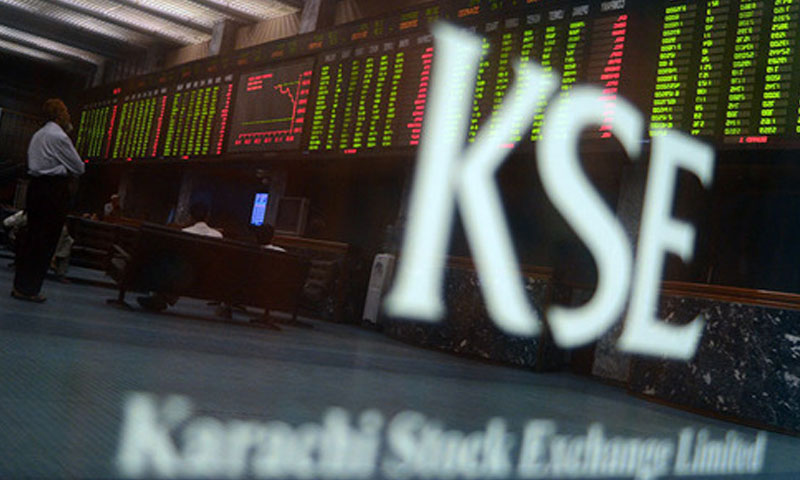
PSX Starts 2026 on a High as KSE-100 Jumps Over 700 Points in Early Trade
The Pakistan Stock Exchange began the new year on a firm footing as bullish sentiment lifted equities in early Thursday trading, pushing the benchmark KSE-100 Index sharply higher within minutes of the opening bell. By 9:35am, the index had climbed to 174,755.54 points, up 701.22 points, representing a 0.40% increase from the previous close. The early rally reflected renewed investor confidence after profit-taking weighed on the market in the final session of last year. Gains were broad-based, with strong buying interest seen in commercial banks, oil and gas exploration firms, and oil marketing companies (OMCs). Heavyweight stocks such as OGDC, Pakistan Oilfields, PPL, PSO, MCB Bank, and UBL all traded in positive territory, providing significant support to the index. Despite the upbeat market start, concerns lingered on the fiscal front. Provisional data showed that the Federal Board of Revenue (FBR) collected Rs6,154 billion during the first half of the current fiscal year (July–December 2025–26), falling short of the Rs6,490 billion target by Rs336 billion. The revenue gap, particularly weak December collections, could compel the government to implement contingency measures under its agreement with the International Monetary Fund. The strong opening followed a subdued close on Wednesday, when the PSX ended the year lower amid profit-booking. The KSE-100 Index had shed 418.45 points to close at 174,054.32 in the final trading session of 2025. Global cues remained mixed. US equities ended lower overnight, with Wall Street benchmarks easing on the last trading day of the year amid thin volumes. Investors locked in profits after a volatile 12 months marked by geopolitical tensions, fluctuating tariff risks, currency weakness, and intense enthusiasm around artificial intelligence stocks. While US markets posted solid annual and quarterly gains, modest declines were recorded in the S&P 500 and Nasdaq for the month, underscoring a cautious finish to an otherwise resilient year for global equities.
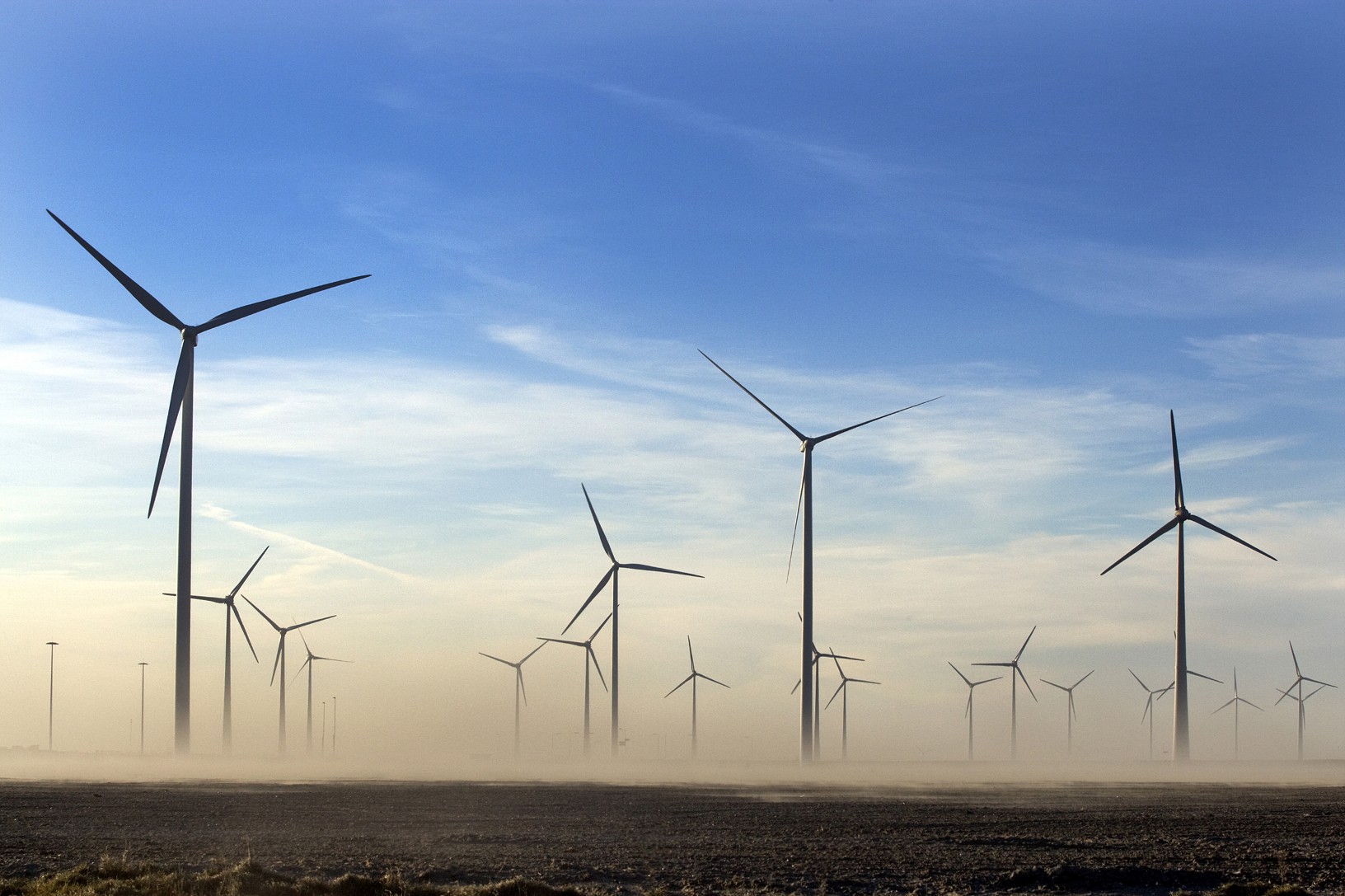
New Wind Power Expansion Cuts Costs and Emissions for Thatta Cement
Thatta Cement Company has taken a significant step toward cleaner energy as it greenlights a new 7.5 MW wind power project, raising its total renewable capacity to 17.3 MW. The board’s approval comes as part of the company’s long-term strategy to reduce dependence on fossil fuels, cut operational costs, and align with Pakistan’s broader push for sustainable energy solutions. The project will be developed in the coastal district of Thatta, Sindh, a region already known for strong and consistent wind speeds that make it ideal for wind power generation. Thatta Cement’s renewable journey began with the commissioning of its first wind energy installations several years ago. The addition of the 7.5 MW capacity marks the second phase of expansion and is expected to further lower the company’s reliance on grid power and high-cost diesel generators, which are common in Pakistan’s energy-intensive industrial sectors. When fully operational, the new wind turbines will supply a larger share of the plant’s electricity needs directly from clean sources. In board discussions, executives highlighted both environmental and economic benefits. With rising energy prices and supply volatility affecting industries nationwide, investing in captive renewable energy helps stabilise long-term production costs. Cement manufacturing is historically energy-intensive, so integrating wind power can deliver meaningful savings while supporting Pakistan’s targets under its Alternative and Renewable Energy Policy. This policy encourages private sector participation in green energy projects to reduce overall emissions and promote energy security. Industry analysts also point out that wind energy investments are becoming increasingly attractive due to incentives such as tax breaks and preferential tariffs offered by the government. This trend is visible across Pakistan’s industrial landscape, where large manufacturers in sectors like chemicals, textiles, and cement are now exploring captive solar and wind farms as part of their energy strategies. In Sindh, in particular, wind corridors along the coastal belt have spurred significant investments from independent power producers and industrial consumers alike. Independent projects like the Jhimpir and Gharo wind farms have already demonstrated the viability of large-scale renewable installations in the same geography. Local renewable advocates commend Thatta Cement’s move as a signal that Pakistan’s private sector is warming to sustainability not just as corporate responsibility but as a core business decision. By reducing carbon intensity and improving energy resilience, companies like Thatta Cement may help shape a more sustainable industrial future. As the new turbines go up, they’ll not only spin toward profitability but also toward a greener energy mix for the nation.

Messi vs. Ronaldo Money Battle: Who Made More in 2025?
Lionel Messi and Cristiano Ronaldo’s rivalry has long stretched beyond goals and trophies to the question fans everywhere ask: who makes more money? In 2025, the answer became clearer than ever. According to Forbes’ 2025 rankings of the world’s highest-paid athletes, Cristiano Ronaldo earned far more than Lionel Messi, topping the list with an eye-watering total of about $275 million in earnings, while Messi earned around $135 million over the same period. Ronaldo’s massive haul was driven primarily by his gargantuan contract with Saudi Pro League club Al-Nassr, where he earns one of the richest salaries in sports history, reportedly more than $200 million annually when salary, bonuses and endorsements are combined. His status as the highest-paid athlete on the planet in 2025 reflects both his enduring popularity and the financial firepower of the league that has transformed global football economics. Messi, meanwhile, remained among the top-earning athletes worldwide despite trailing Ronaldo in total earnings. His reported $135 million in 2025 came from a mix of on-field earnings at Inter Miami and lucrative off-field deals, including endorsements and business ventures such as partnerships and his growing lifestyle brand. Off the pitch, both superstars have parlayed their fame into lucrative deals and investments. Ronaldo has reached a historic milestone by becoming the first football billionaire, a feat fueled not only by football wages but a sprawling enterprise of personal brands, commercial deals and real estate ventures. Messi’s income has likewise been boosted by long-term endorsements and investment successes, including ventures tied to consumer products and stake options in sports properties. Despite their advancing ages and shifts in playing careers, Messi and Ronaldo’s financial rivalry remains as compelling as their on-field battles. Their combined influence continues to redefine what it means to be a global sports icon in 2025, blending sporting excellence with commercial genius and cultural impact that resonates far beyond football.
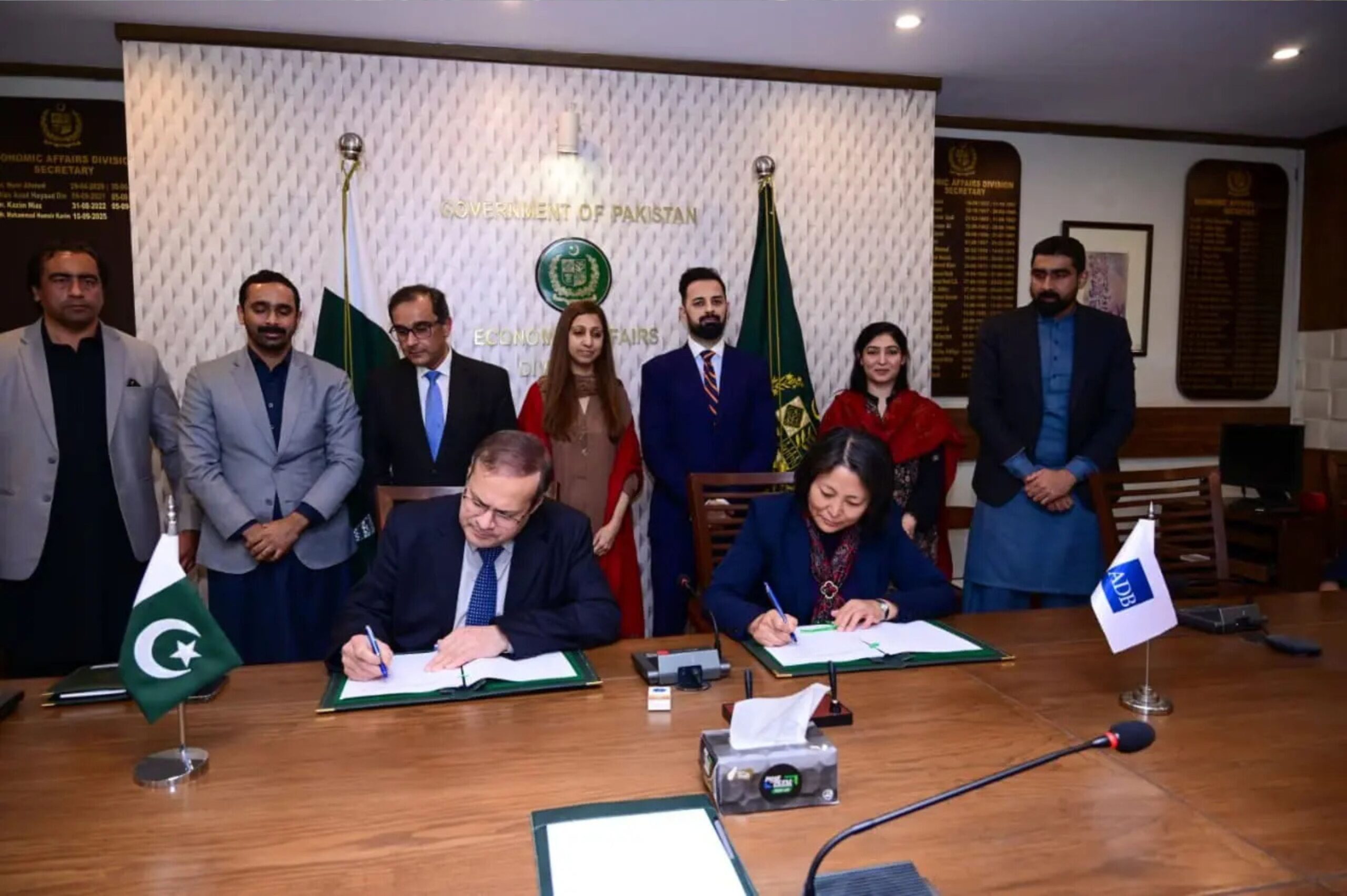
Pakistan, ADB Sign $730m Deal to Boost Power Grid and Reform SOEs
Pakistan has taken another significant step toward stabilising its economy and modernising critical infrastructure after signing two major financing agreements worth $730 million with the Asian Development Bank. The agreements, signed on Thursday, aim to strengthen the country’s power transmission system and accelerate long-delayed reforms in state-owned enterprises, areas seen as central to Pakistan’s long-term economic recovery. According to officials, the financing package includes the Second Power Transmission Strengthening Project valued at $330 million and the Accelerating State-Owned Enterprise Transformation Programme amounting to $400 million. The deals were signed by the Ministry of Economic Affairs on behalf of the government, reinforcing Islamabad’s push to pair infrastructure upgrades with governance reforms. Secretary Economic Affairs Muhammad Humair Karim described the initiatives as “transformative,” noting that the transmission project will allow the national grid to evacuate around 2,300 megawatts of electricity from upcoming hydropower projects. He said the project would also ease pressure on overloaded transmission lines and improve the system’s resilience during emergencies, helping Pakistan better integrate affordable and clean energy into its power mix. Karim added that the SOE transformation programme would strengthen compliance with the SOE Act 2023 and the government’s broader SOE Policy, while improving operational efficiency across the sector. A key focus will be on reforming the National Highway Authority, long criticised for inefficiencies and financial losses. “The transmission project will secure Pakistan’s energy future, while the SOE programme will enhance transparency, efficiency and sustainability nationwide,” he said. ADB Country Director Emma Fan echoed that sentiment, saying the power transmission project is vital for reinforcing Pakistan’s energy backbone at a time when demand is rising and clean energy capacity is expanding. She also stressed that SOE reforms come at a critical juncture and will support the government’s broader economic stabilisation agenda. The agreements build on earlier cooperation between Pakistan and ADB. At the start of the year, the bank committed $200 million to improve the country’s struggling power distribution networks, and just last month approved additional loans to support a major transmission line linking Islamabad with Faisalabad, Punjab’s industrial hub. Social media reaction to the latest deal has been largely positive, with analysts and energy experts calling it a necessary move to unlock hydropower potential and rein in losses from inefficient state firms. Many see the twin focus on energy infrastructure and governance reform as a signal that Pakistan is attempting deeper, more structural fixes rather than short-term relief.
Pakistan, Bangladesh Move to Strengthen Tax Cooperation for Trade and Investment
Pakistan and Bangladesh have taken a fresh step toward strengthening economic ties by agreeing to enhance cooperation on tax dispute resolution, taxpayer facilitation, and institutional coordination. Officials from both sides say the move is aimed at creating a fairer, more transparent tax environment that can support growing trade and investment between the two countries. The understanding was reached during a meeting in Islamabad, where a delegation from Bangladesh’s National Board of Revenue met senior officials of Pakistan’s Federal Tax Ombudsman at the FTO Secretariat. The Bangladeshi delegation was led by Md. Lutful Azeem and included senior officials dealing with tax administration, policy, international agreements, and income tax enforcement. Federal Tax Ombudsman Zafar-ul-Haq Hijazi warmly welcomed the visiting delegation and underscored the importance of sustained and meaningful cooperation between the two countries. He shared the vision and future priorities of the FTO institution, highlighting its role in ensuring accountability, improving institutional efficiency, and providing timely relief to taxpayers facing grievances. Hijazi noted that effective tax systems play a crucial role in building investor confidence and facilitating cross-border trade. He expressed optimism that closer engagement between the two institutions would not only improve taxpayer services but also strengthen broader bilateral relations between Pakistan and Bangladesh. During the meeting, Advisor (Customs) Dr. Arslan Subuctageen delivered a detailed presentation on the functional framework of the Federal Tax Ombudsman. He explained the FTO’s mandate, objectives, and procedures, while also sharing performance indicators that reflect the institution’s focus on transparency, efficiency, and taxpayer facilitation. The presentation gave the Bangladeshi delegation an in-depth look at how Pakistan handles tax-related complaints and dispute resolution. Both sides also discussed practical avenues for future collaboration. These include sharing best practices, improving institutional coordination, and developing more effective mechanisms for resolving tax disputes. Officials said such cooperation would help reduce friction for businesses and individuals, making it easier to operate across borders. By working together on tax administration and dispute resolution, Pakistan and Bangladesh aim to promote a more predictable and business-friendly environment. Observers say the initiative could play a supportive role in boosting bilateral trade and attracting investment, while also improving the overall experience of taxpayers in both countries.
