
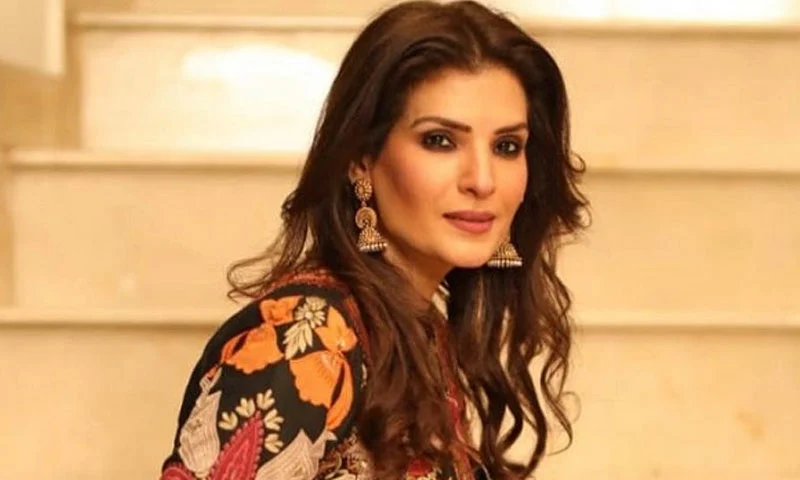
Pakistani film and television actress Resham has sparked a widespread debate after sharing an unusual statement about Eid-ul-Fitr, drawing mixed reactions from social media users. Resham, a well-known figure in Pakistan’s entertainment industry, recently spoke about how global circumstances affect her ability to celebrate Eid. Her remarks quickly went viral, with many users discussing her views online. According to reports, Resham said she does not celebrate Eid fully when the world around her is going through hardship. Statement Linked to Global Situation While explaining her perspective, the actress pointed towards ongoing global issues, including conflicts and economic challenges. She suggested that such circumstances make it difficult for her to celebrate the festival with the same enthusiasm. Reports noted that the current year has been particularly difficult due to wars and economic struggles affecting people worldwide. Her comments highlighted a more emotional and reflective approach to Eid, rather than a purely festive one. View this post on Instagram A post shared by RNN TV (@rnntvnetwork) Mixed Reactions from Public The statement triggered a strong response online, with users expressing both support and criticism. Some social media users agreed with her sentiment, saying it is difficult to celebrate when others are suffering. One user commented, “I agree with her. It is difficult to celebrate this year.” Others disagreed, emphasizing the religious significance of Eid. One comment read, “Eid is a gift from Allah. We have to celebrate it.” A few users also criticized the statement, reflecting the divided opinion among the public. Eid as a Religious and Social Occasion Eid-ul-Fitr is one of the most important Islamic festivals, celebrated globally at the end of Ramadan. It is traditionally a time of joy, gratitude, and community bonding. In Pakistan and many other countries, families gather, share meals, and take part in celebrations. The festival also emphasizes charity and caring for those in need. Resham’s remarks have brought attention to a broader discussion about how global events can influence personal celebrations. Ongoing Debate Continues The discussion around her statement continues to grow, with many users debating whether personal emotions should affect religious celebrations. While some view her comments as thoughtful and empathetic, others believe Eid should be celebrated regardless of external circumstances. The debate highlights how public figures can influence conversations around cultural and religious practices, especially during significant occasions like Eid.
“I Will Expose the Reality”: Shaan-e-Ramadan Debate Grows After Contestant’s Statement
A former contestant of the popular Ramadan transmission Shaan-e-Ramzan has sparked debate after publicly sharing his experience and raising concerns about how participants are treated. Shaan-e-Ramzan, hosted by Waseem Badami and Iqrar-ul-Hassan, is one of Pakistan’s most widely watched Ramadan transmissions. The show features multiple segments, including religious discussions, charity initiatives, cooking, and the popular quiz segment Shaan-e-Ilm. The controversy began when former participant Osama Fazal appeared on the show and spoke about what he described as the “reality” behind the transmission. Contestant Shares Personal Experience Osama Fazal claimed that participants spend significant amounts of money to take part in the show but do not always receive fair rewards. He said, “Today I will expose the reality of Pakistan’s number one Ramadan transmission.” According to him, contestants often travel to Karachi at their own expense, with some spending between Rs60,000 to Rs70,000 to participate. He also alleged that prize distribution lacks consistency. He pointed out that a runner-up received an LED, which was similar to what early-round participants received, raising questions about fairness. In his own case, he claimed that despite reaching the runner-up position in a previous season, he only received a small gift hamper instead of the promised reward. View this post on Instagram A post shared by Osama Fazal (@osamafazal2580) Comparison with Other Shows Fazal also compared Shaan-e-Ramzan with other game shows on the same network. He said contestants on programs like Jeeto Pakistan often win expensive prizes such as bikes for simple activities. He questioned the value placed on knowledge-based competitions, suggesting that talent and effort are not always rewarded equally. Social Media Reaction The claims quickly gained attention on social media, where users expressed mixed reactions. Many praised the contestant for speaking up and highlighting issues faced by participants. Others called for transparency in prize distribution and better treatment of contestants. Criticism was also directed at the producers, with some users questioning whether educational segments are being undervalued compared to entertainment-based content. Larger Debate Around Ramadan Transmissions Ramadan transmissions in Pakistan have long been popular for combining religion, entertainment, and charity. However, they have also faced criticism over the years. Some critics argue that certain segments prioritize ratings over meaningful content. Others raise concerns about the treatment of participants and the commercialization of religious programming. No Official Response Yet So far, there has been no official response from the channel or the show’s hosts regarding the claims made by the contestant. As the discussion continues online, the incident has once again highlighted the need for transparency and fairness in television productions, especially those associated with religious programming.
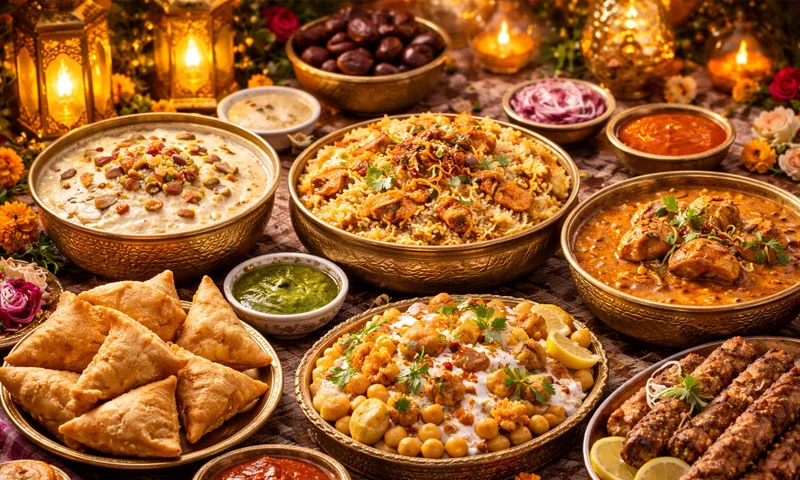
5 Must-Have Dishes That Complete Every Eid-ul-Fitr Table
Eid-ul-Fitr is not just a religious festival but also a celebration of flavors, traditions, and family gatherings. Across Pakistan, the occasion is marked by a variety of delicious dishes that bring people together and add joy to the festivities. From sweet delights to savory favorites, these traditional foods are considered essential for a complete Eid experience. Sheer Khurma: The Heart of Eid Morning No Eid morning in Pakistan is complete without Sheer Khurma. This rich dessert is made with milk, vermicelli, dates, and a mix of dry fruits. Prepared early in the morning, it is often the first dish served to family members and guests. Its sweet taste symbolizes happiness and the end of Ramadan. Biryani: The Ultimate Festive Meal Biryani holds a special place on Eid dining tables. Whether it is chicken, beef, or mutton, this flavorful rice dish is a must-have for lunch or dinner. Its aroma and rich spices make it one of the most loved dishes during Eid gatherings. Kebabs: A Crowd Favorite Kebabs are another essential part of Eid meals. From seekh kebabs to shami kebabs, these dishes are easy to serve and loved by people of all ages. They are often prepared in advance and served as snacks when guests visit. Korma: A Traditional Delight Korma is a classic Eid dish that adds richness to the menu. Cooked with meat, yogurt, and aromatic spices, it is usually served with naan or sheermal. This dish reflects traditional Mughlai flavors and is often reserved for special occasions like Eid. Samosas and Chaat: Perfect for Guests No Eid gathering is complete without light snacks like samosas and chaat. These items are perfect for serving guests who visit throughout the day. Crispy, spicy, and full of flavor, they add variety to the Eid menu and keep the festive spirit alive. A Celebration of Taste and Tradition These dishes are more than just food. They represent culture, hospitality, and the joy of sharing. Families spend time preparing these meals together, making Eid even more special. As people continue to celebrate Eid-ul-Fitr, these traditional dishes remain at the heart of every home, bringing comfort, taste, and togetherness.

Where Can Pakistanis Travel During 3-Day Eid Holidays Without Spending Too Much?
Eid holidays are often short, and this year many Pakistanis will get only three days off. That makes long trips difficult and expensive. But the good news is that you can still enjoy a refreshing getaway without breaking your budget or wasting time on long travel. If planned smartly, a 3-day trip can be relaxing, affordable, and memorable. Short Trips Are the Smart Choice With only three days available, travel time becomes very important. Experts suggest choosing destinations that are within 3 to 6 hours of your city. This allows you to spend more time enjoying your trip instead of sitting on the road. Budget is another key factor. Transport, fuel, and hotel prices often rise during Eid. So picking nearby destinations can save both time and money. Best Budget-Friendly Options from Karachi For people living in Karachi, there are several affordable options: Hawksbay and Sandspit Beach: Perfect for a one-day or overnight trip. No hotel cost if you return the same day. Keenjhar Lake: A peaceful spot for families. Entry and boating costs are low. Kund Malir: A scenic drive on the coastal highway. Ideal for a 2-day trip if planned early. Gorakh Hill Station: Slightly longer but still doable. Shared transport can reduce costs. Best Options from Lahore and Islamabad For travelers in Punjab and Islamabad, northern areas remain the top choice: Murree and Nathia Gali: Easily reachable and suitable for a 2 to 3-day stay. Khanpur Dam: Ideal for a short adventure trip with boating and water sports. Kallar Kahar: A calm and budget-friendly family destination. These places offer low-cost guest houses and food options, making them perfect for short holidays. Travel Smart to Save Money Planning ahead can make a big difference. Here are simple tips to keep your trip affordable: Travel in groups to share fuel or transport costs Book hotels early or choose guest houses Prefer day trips where possible Carry your own food and water for picnics Avoid peak travel hours to save fuel and time Make the Most of 3 Days A 3-day Eid holiday may seem short, but it is enough for a refreshing break. The key is to keep your plan simple and realistic. Instead of chasing far destinations, focus on nearby places where you can relax without stress. Even a short trip can help you recharge, spend quality time with family, and enjoy Eid in a different way.


Flight Attendant Reveals Why You Should Never Wear Shorts on a Plane
Air travel experts often share tips that can make long flights more comfortable, but one flight attendant has recently sparked discussion online by revealing a simple clothing mistake many passengers make when boarding a plane. According to the airline professional, wearing shorts during a flight may not be the best choice, especially on long journeys. The warning has gained attention as travelers increasingly look for practical advice to improve their flying experience. Why Flight Attendants Advise Against Wearing Shorts A flight attendant explained that shorts may expose passengers’ skin to surfaces that are not always as clean as people expect. Aircraft seats and surrounding areas are used by hundreds of passengers every day, and not every surface is thoroughly sanitized between flights. The crew member advised travelers to think carefully about their clothing choices, especially when sitting for long hours. Bare skin can come into contact with seats, armrests, or other areas that may carry bacteria. The airline professional shared the advice on social media and it quickly went viral. Many travelers said they had never considered hygiene risks when deciding what to wear on a plane. Travel experts say that wearing long pants or clothing that covers the skin can reduce contact with surfaces that might contain germs. Hygiene Concerns Inside Aircraft Cabins Aircraft cabins undergo routine cleaning, but studies have shown that certain surfaces can still harbor bacteria. According to research conducted by Auburn University in the United States, tray tables, seat pockets, and armrests are among the areas where bacteria are most commonly found. While the risk of illness from these surfaces is generally low, hygiene experts recommend minimizing direct contact with them whenever possible. Dr. Mark Gendreau, a medical expert specializing in aviation medicine, previously explained that passengers should be mindful of cleanliness during flights. He noted that tray tables and seat pockets can accumulate germs if they are not cleaned regularly. Travelers often rest their arms or legs on seats and armrests, which is why covering the skin with clothing can provide an additional barrier. Comfort Matters on Long Flights Aside from hygiene concerns, aviation experts say clothing can also affect comfort during flights. Long haul flights often involve sitting in the same position for several hours. Wearing breathable and comfortable clothing can help reduce discomfort and improve circulation. Travel experts frequently recommend loose fitting clothes, comfortable shoes, and layers that can be adjusted depending on cabin temperature. Because aircraft cabins can become cold during long journeys, long pants or leggings may also help passengers stay warm. Practical Tips for Air Travelers Flight attendants often share simple advice that can make air travel easier. In addition to choosing appropriate clothing, experts recommend bringing disinfectant wipes to clean tray tables and armrests before using them. Passengers are also encouraged to stay hydrated and move around the cabin periodically during long flights to maintain circulation. While wearing shorts on a plane is not strictly prohibited, the viral advice highlights how small choices can affect both hygiene and comfort while traveling. As global travel continues to increase, more passengers are paying attention to practical tips from airline professionals who spend thousands of hours in aircraft cabins each year.
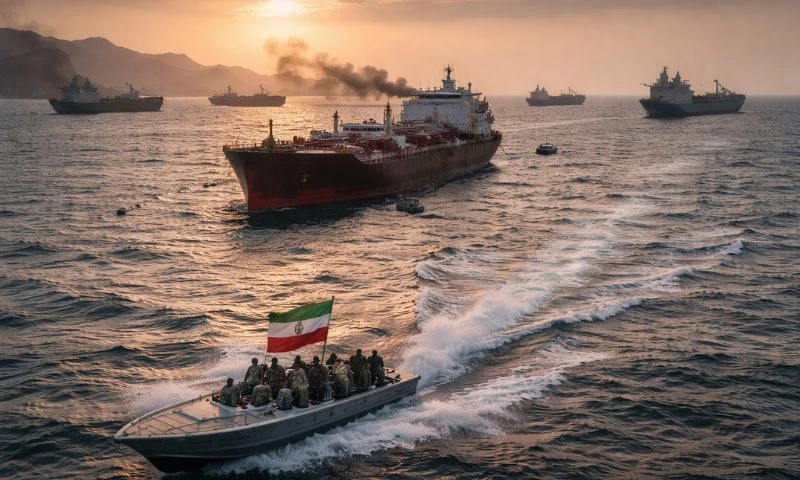
Strait of Hormuz Shutdown Sparks Fuel Shortage Fears: Five Ways Countries Can Reduce Fuel Use
The ongoing conflict involving Iran, United States and Israel has triggered one of the most serious global energy crises in recent years. Following military strikes by the United States and Israel on Iranian targets in late February 2026, Iran responded by shutting down shipping through the Strait of Hormuz, a critical maritime route for global oil transport. Iran’s Revolutionary Guards warned vessels that no ships would be allowed to pass through the strait and threatened to attack tankers attempting to cross. Several oil tankers have been struck or damaged in the area, and maritime traffic has dropped sharply as shipping companies avoid the region due to safety concerns. The conflict has already shaken global energy markets. Oil prices have surged and governments worldwide are preparing for potential fuel shortages if the crisis continues. Why the Strait of Hormuz Is So Important The Strait of Hormuz is one of the most strategic waterways in the world. It connects the Persian Gulf with the Gulf of Oman and the Arabian Sea and serves as the main export route for oil and liquefied natural gas produced in the Gulf region. Roughly 20 percent of the world’s oil supply moves through this narrow passage, making it the most important oil chokepoint in global trade. Major oil exporters including Saudi Arabia, Iraq, Kuwait, the United Arab Emirates and Qatar depend heavily on this route to ship their energy supplies to global markets. Asian economies such as China, India, Japan and South Korea are especially reliant on oil transported through the strait. Because there are few viable alternative routes, disruptions in the strait can quickly lead to higher fuel prices and supply shortages worldwide. Lessons From Past Energy Crises History shows that geopolitical conflicts can trigger sudden energy shortages. During the 1973 Arab oil embargo, oil producing nations cut exports to Western countries, causing severe fuel shortages and economic disruptions. Similarly, during the Iran Iraq War in the 1980s, attacks on oil tankers in the Persian Gulf disrupted global energy trade. In response, many countries adopted strategies such as fuel conservation, energy diversification and strategic petroleum reserves. These lessons remain relevant today as the world faces another potential energy crisis. Five Practical Ways to Reduce Fuel Consumption While governments work to stabilize energy supply, countries can take several practical steps to reduce fuel consumption and ease pressure on global markets. 1. Expand Remote Work and Online Education One of the fastest ways to reduce fuel consumption is to cut daily commuting. Governments can encourage remote working policies in both public and private sectors. Schools and universities can shift temporarily to online learning. During the Covid 19 pandemic, remote work significantly reduced transportation fuel demand in many countries. 2. Improve Public Transport Use Encouraging people to use buses, trains and metro systems can drastically reduce fuel consumption. Governments may introduce temporary incentives such as reduced fares or expanded public transport routes. Many countries adopted this approach during previous energy crises. 3. Promote Carpooling and Shared Mobility Carpooling and ride sharing programs can reduce the number of vehicles on roads. Cities can encourage workers to share rides to workplaces and limit unnecessary travel. Even a small reduction in private vehicle usage can significantly lower national fuel demand. 4. Accelerate Renewable Energy Projects The crisis highlights the importance of renewable energy sources such as solar, wind and hydropower. Expanding these alternatives can reduce reliance on imported fossil fuels and improve long term energy security. Countries investing heavily in renewable energy will be less vulnerable to geopolitical disruptions. 5. Launch Nationwide Energy Conservation Campaigns Governments can promote simple energy saving practices such as reducing unnecessary travel, limiting electricity usage and improving fuel efficiency in transport. Public awareness campaigns during past oil crises helped reduce national energy demand significantly. Preparing for a New Energy Reality The closure of the Strait of Hormuz demonstrates how vulnerable global energy supply chains remain to geopolitical tensions. If the disruption continues, fuel prices could rise further and economic pressures may increase worldwide. Experts say the crisis should serve as a wake up call for governments to invest in energy diversification, conservation and long term sustainability. While geopolitical conflicts are difficult to predict, smarter energy policies and reduced fuel dependence can help countries weather future crises.

Top 5 Kids Clothing Brands in Pakistan Parents Should Know
Shopping for children can sometimes be challenging for parents. They want clothes that are comfortable, durable, stylish, and affordable. In Pakistan, the fashion industry has expanded rapidly over the past decade, and several brands now focus specifically on children’s clothing. Many Pakistani families prefer well known brands because they offer reliable quality, attractive designs, and easy availability through stores and online platforms. This guide highlights five popular kidswear brands in Pakistan that parents frequently choose when shopping for their children. 1. Hopscotch Hopscotch is widely considered one of the leading kidswear brands in Pakistan. The brand offers clothing for newborns, toddlers, and teenagers. Its collections include casual outfits, festive dresses, and everyday wear. Parents appreciate Hopscotch for its colorful designs, comfortable fabrics, and child friendly styles. The brand has expanded rapidly and now operates stores in several major Pakistani cities as well as online platforms. 2. Minnie Minors Minnie Minors is one of the most established kids clothing brands in Pakistan. It has been serving families for decades with clothing designed specifically for infants and young children. The brand focuses on soft fabrics and practical designs that suit everyday wear. Many parents trust Minnie Minors because of its consistent quality and long presence in the Pakistani retail market. 3. Outfitters Junior Outfitters Junior is the kids collection of the popular Pakistani fashion brand Outfitters. It is known for modern western style clothing for children. The brand offers items such as T shirts, hoodies, denim jeans, jackets, and casual outfits. Outfitters Junior is especially popular among urban families who prefer trendy clothing for their children. 4. Bacha Party Bacha Party has quickly become one of the most popular children focused retail brands in Pakistan. Unlike many brands that only sell clothing, Bacha Party offers a wide range of products for kids including clothing, toys, school supplies, and accessories. Parents often visit Bacha Party stores because they can find many children related products in one place. The brand is known for colorful designs and playful themes that appeal to kids. 5. J. Kids (Junaid Jamshed) J. Kids is the children’s clothing line from the well known Pakistani brand Junaid Jamshed. The brand focuses on traditional Pakistani outfits for children, including kurtas, shalwar kameez, and festive wear. Families often choose J. Kids for special occasions such as Eid, weddings, and cultural events because the brand combines traditional designs with comfortable fabrics suitable for children. Growing Kids Fashion Market in Pakistan Pakistan’s kids fashion industry has grown significantly in recent years. Many brands are now investing in dedicated children’s collections that focus on quality materials and stylish designs. The rise of online shopping has also made it easier for parents to explore multiple brands and purchase clothing without visiting stores. As a result, Pakistani families now have several reliable options when shopping for children.
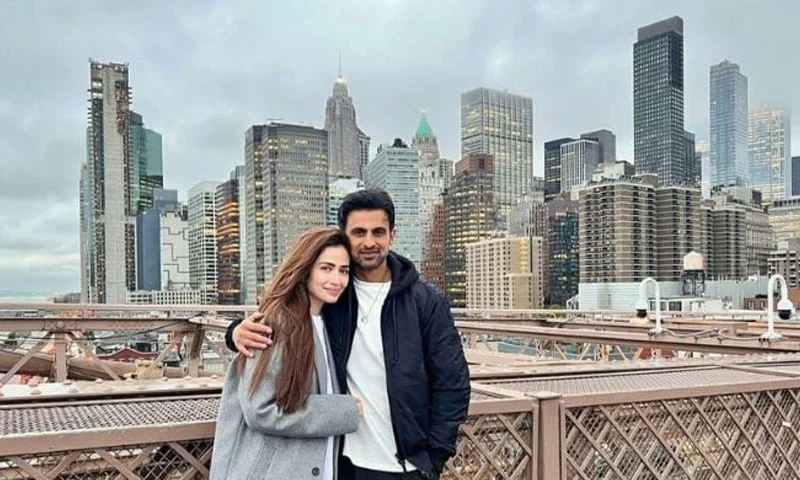
Shoaib Malik Denies Fourth Marriage Rumours, Threatens Court Cases
Former Pakistan all-rounder Shoaib Malik has refuted persistent rumours suggesting he has entered into a fourth marriage, strongly condemning misinformation circulating online and threatening legal action against those spreading false claims. The denial came in response to a social media post that quickly gained traction, prompting Malik to address the matter publicly. Malik took to his official social media accounts on March 2 to categorically deny the rumours. In his clarification, he warned that he would pursue legal action against anyone found responsible for intentionally disseminating untrue information about his personal life. “I would like to categorically state that these rumours are completely baseless and fabricated,” he wrote. “I am taking this matter seriously and all necessary legal steps will be taken.” pic.twitter.com/WhuqIutvDI— Shoaib Malik 🇵🇰 (@realshoaibmalik) February 28, 2026 Background: Social Media Rumours and Reaction The controversy began when unverified social media posts claimed that Malik had secretly married for a fourth time, a subject that drew significant attention from fans and critics alike. Such gossip quickly attracted hundreds of shares and comments on platforms such as Instagram and Twitter, prompting concerned followers to seek clarification from the cricketer himself. Malik’s statement was posted alongside an emphatic legal warning. He urged members of the public to refrain from believing or reposting “wild speculations” that lack factual basis and misrepresent his character. He said misinformation has real-world implications and can cause reputational harm if not checked promptly. Shoaib Malik’s Personal Life in Public View The 44-year-old cricketer has long been a figure of public interest in Pakistan and beyond. He previously made headlines for his marriages and family life. Malik’s first marriage was to Rubina Malik, with whom he has three sons. The couple later separated. In 2010, he married Indian tennis star Sania Mirza, a high-profile union that also attracted intense media attention. The marriage ended in divorce after several years. Fans have often followed Malik’s personal milestones as closely as his cricketing achievements, which include captaining Pakistan in all three formats and representing the country for over two decades. His former relationship with Indian tennis star Sania Mirza especially generated widespread media coverage due to its cross-border nature and celebrity status. Malik’s Professional Legacy Shoaib Malik made his international debut in 1999 and became one of Pakistan’s most experienced all-rounders. Known for his powerful batting, sharp fielding and handy medium-pace bowling, he played pivotal roles in Pakistan’s ODI, Test and T20 squads for years. He has also competed in various global T20 leagues, including the Pakistan Super League and international club tournaments. Since retiring from international cricket, Malik has remained active in franchise leagues and continues to be a respected name in cricketing circles. Legal Action and Public Misinformation in Pakistan Malik’s firm warning comes amid a broader environment where celebrities and public figures in Pakistan are increasingly taking legal recourse against defamatory online content. Pakistani law recognises online defamation as an offence under the Pakistan Penal Code and related cybercrime statutes, allowing individuals to seek civil and criminal remedies for reputational harm caused by internet rumours. By addressing the issue directly and threatening legal action, Malik set a firm precedent for other public personalities dealing with misinformation, signalling that unfounded rumours can carry real legal consequences.
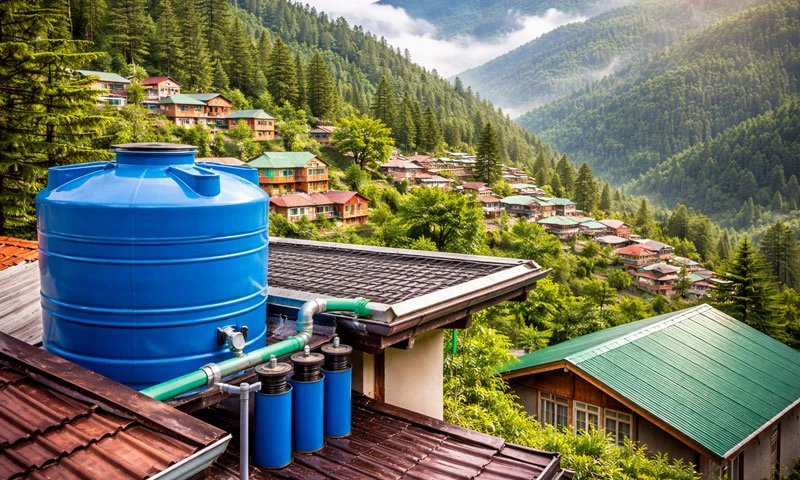
AKU, NED Implement Rooftop Rainwater Harvesting in Murree, Benefiting 1,100 Families
Communities in Murree and Kotli Sattiyan have benefited from a year-long initiative focused on improving Water, Sanitation and Hygiene awareness and promoting rooftop rainwater harvesting as a climate-resilient solution in water-stressed areas. The project, titled Community Mobilisation and WASH Education under Rooftop Rainwater Harvesting in Murree District, was formally concluded at a closing ceremony hosted by the Aga Khan University’s Institute for Educational Development in collaboration with NED University of Engineering and Technology. The ceremony took place at AKU’s Karimabad campus. Despite receiving high annual rainfall, Murree and Kotli Sattiyan continue to face chronic water shortages. Steep terrain leads to rapid runoff, while tourism pressure and limited infrastructure strain local water systems. To address these challenges, the Urban Unit of the Government of Punjab initiated a rooftop rainwater harvesting programme that integrates safe storage and filtration systems. During Phase I, more than 1,100 households were equipped with rooftop rainwater harvesting systems. The intervention was supported by community education and awareness activities led by AKU’s Institute for Educational Development and NED University. Through school-based learning modules, practical demonstrations and community engagement sessions, the project strengthened hygiene practices, water conservation awareness and environmental stewardship. The initiative directly engaged 4,726 students and 220 community members, demonstrating the impact of an education-led approach in promoting sustainable water management practices. Dr Fozia Parveen of AKU said, “This project has offered a unique opportunity to work directly with the government. In phase one, we collaborated extensively with schools and partners such as Suthra Punjab. In the next phase, we will establish a water quality lab in Kotli Sattiyan with a focus on citizen science. Our goal is to translate these insights into actionable recommendations for policymakers.” The closing ceremony was attended by representatives from the Aga Khan Development Network and education stakeholders from Karachi, along with officials from NED University and AKU. Among the attendees were Dr Salim Virani, Vice Provost Research at AKU, Dr Farid Panjwani, Dean of IED, and Arif Hasan. Project leaders Dr Fozia Parveen and Dr Abdul Ghaffar reaffirmed continued collaboration through Phase II, including plans to establish a Water Quality Laboratory in Kotli Sattiyan. Organisers described the initiative as a strong example of local partnership delivering sustainable and climate-responsive WASH solutions in Pakistan. They also expressed appreciation to the Urban Unit, Government of Punjab, for entrusting them with the implementation of the project in Murree and Kotli Sattiyan. The programme highlights how integrated infrastructure and education strategies can help build resilience in vulnerable regions facing growing water security challenges.
