
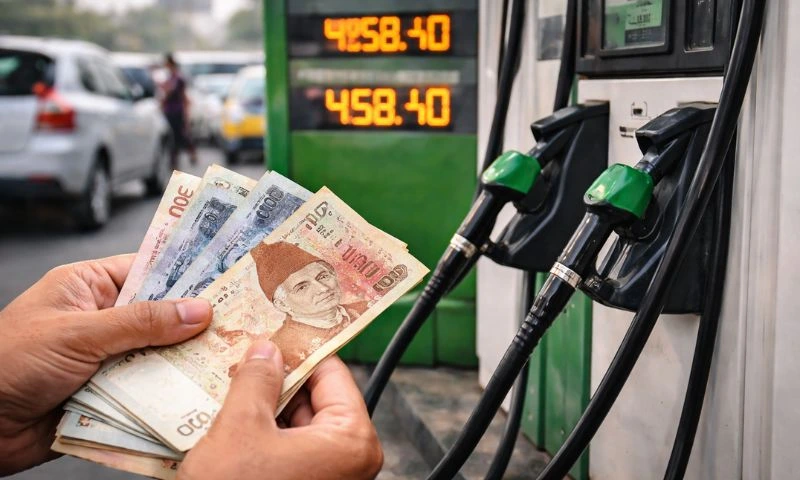
As petrol prices in Pakistan surge to record levels, new official data reveals that a significant portion of what consumers pay at the pump is not the actual fuel cost but taxes, levies and profit margins. According to government documents, Pakistanis are paying around Rs211.26 per litre in taxes and margins alone, which accounts for nearly 46% of the total petrol price of Rs458.41 per litre. This revelation comes just days after the government increased petrol prices by Rs137.23 per litre and diesel by Rs184.49 per litre amid rising global oil prices. Petrol Price Breakdown Shows Nearly Half Goes to Taxes The official pricing structure highlights how the final petrol price is built up. Out of Rs458.41 per litre: Rs247.15 is the ex-refinery price Rs211.26 is made up of taxes, levies and margins This means almost half of what consumers pay does not go toward the actual fuel itself. The largest component is the petroleum levy, which stands at Rs160.61 per litre, followed by Rs24.12 in customs duty and Rs2.5 under a climate support levy. Additional costs include: Rs7.52 inland freight margin Rs7.87 profit for oil marketing companies Rs8.64 commission for petrol pump dealers Diesel Carries Lower Tax Burden but Higher Price Impact In contrast to petrol, diesel has a much lower tax component but remains more expensive overall. Consumers pay about Rs59.12 per litre in taxes and margins on diesel, which accounts for around 11.36% of the total price. The ex-refinery price of diesel stands significantly higher at Rs461.23 per litre, explaining why its overall price has reached Rs520.35 per litre. Unlike petrol, diesel does not currently include a petroleum levy, but it still carries customs duties, freight margins and profit components. Global Oil Crisis Driving Local Prices Higher The sharp increase in fuel prices is closely linked to global developments. International oil markets have been disrupted due to the ongoing conflict in the Middle East, which has pushed prices upward and forced import-dependent countries like Pakistan to pass on costs to consumers. Pakistan imports a large portion of its fuel, making it highly vulnerable to global price shocks. What This Means for Consumers The data highlights why fuel prices feel disproportionately high for consumers. Even if global oil prices stabilise, a large portion of petrol cost will still come from domestic taxes and margins. For an average car owner using 20 litres weekly: Around Rs4,200 of the bill goes toward taxes and margins Only about Rs4,900 reflects the actual fuel cost This structure means any increase in taxes or levies can significantly impact final prices. Ripple Effect on Inflation and Cost of Living High fuel costs combined with heavy taxation are expected to push inflation further. Fuel directly impacts: Transport costs Food supply chains Electricity generation Economists warn that rising fuel costs will continue to increase the price of essential goods, placing additional pressure on households already dealing with high inflation. Policy Debate Over Fuel Taxes Intensifies The breakdown has reignited debate over fuel taxation in Pakistan. Critics argue that high petroleum levies are being used as a major revenue source for the government, adding pressure on consumers. Pakistan’s economy relies heavily on taxation for revenue generation, which makes fuel levies an important but controversial tool. Supporters, however, say reducing taxes would widen the fiscal deficit and limit government spending on development and subsidies. A Structural Issue Beyond Just Price Hikes The latest data shows that Pakistan’s fuel pricing issue is not just about rising global oil prices but also about domestic taxation policies. With nearly half of petrol cost made up of taxes and margins, any meaningful relief for consumers would require structural changes in how fuel is priced. For now, however, consumers continue to bear the combined burden of global oil shocks and domestic fiscal policies.
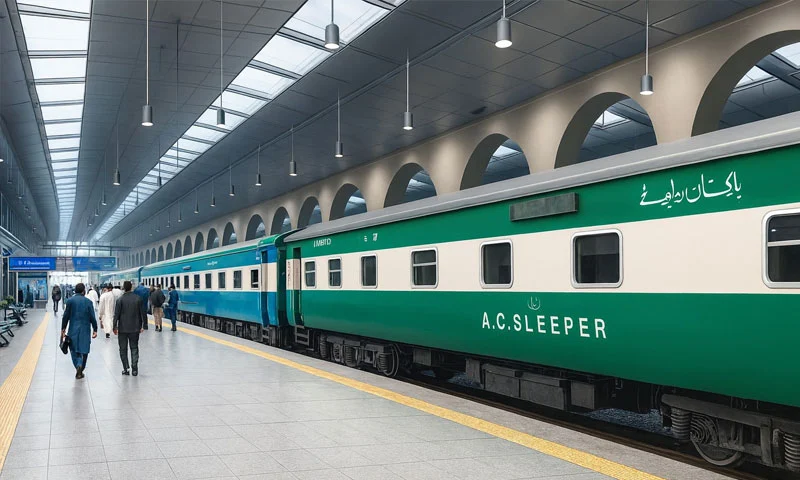
Government Decides Not to Increase Pakistan Railway Fares Despite Fuel Price Surge
The federal government has decided to keep train fares unchanged despite a sharp rise in fuel prices, in a move aimed at protecting passengers from further financial pressure. The decision comes at a time when petrol and diesel prices have surged significantly, increasing the cost of transportation across the country. Officials confirmed that passenger train fares will remain frozen, with the government choosing to absorb the additional financial burden instead of passing it on to commuters. Relief Amid Fuel Price Surge The move is part of a broader relief strategy designed to ease the impact of rising fuel costs on ordinary citizens. With fuel prices climbing due to global market pressures and domestic adjustments, transport fares across the country have already been increasing, affecting daily commuters and low income groups. By freezing train fares, authorities aim to provide an affordable travel option, especially for those who rely on railways for long distance journeys. Officials said the decision would help maintain accessibility and prevent further inflationary pressure on essential travel. Government to Bear Financial Burden To sustain the decision, the government has committed to covering the additional operational costs incurred by Pakistan Railways due to higher diesel prices. Reports indicate that billions of rupees will be allocated to compensate for the shortfall created by the fare freeze. This approach reflects a shift toward targeted relief measures, where the state absorbs part of the cost to ensure public services remain affordable during economic stress. The decision marks a reversal from earlier trends, when Pakistan Railways had increased fares following fuel price hikes. In March, fares for passenger and freight trains were raised after diesel prices surged, adding to the financial burden on travelers. The latest move signals a policy change, prioritising public relief over cost recovery in the short term. Experts say freezing train fares could help stabilize transportation costs and reduce pressure on prices of essential goods, as railways play a key role in both passenger travel and freight movement. Maintaining stable fares may also encourage more people to shift from road to rail transport, which is often more cost effective and fuel efficient. At a time when inflation remains high, such measures are seen as crucial in supporting household budgets. The fare freeze is part of a wider set of relief initiatives being implemented across Pakistan in response to the ongoing fuel crisis. Governments at both federal and provincial levels have announced subsidies and support packages targeting transport, agriculture and low income groups. Officials have indicated that these measures are temporary and may be reviewed once fuel prices stabilize and economic conditions improve.
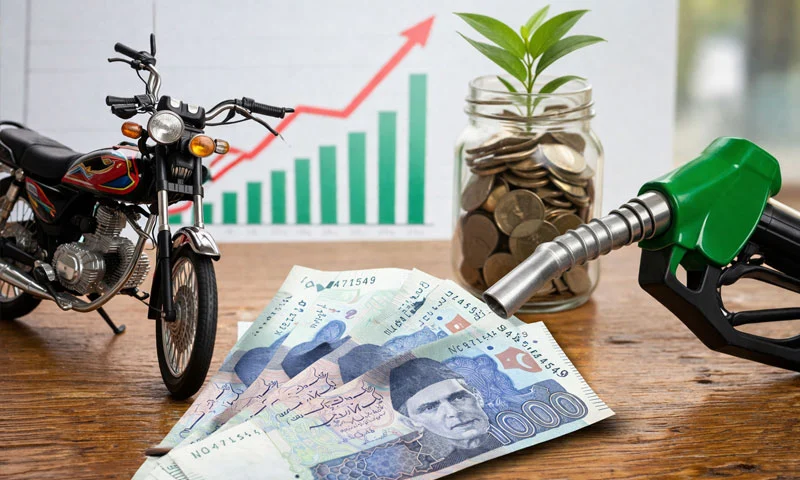
Sindh Government Announces Rs2,000 Monthly Petrol Subsidy for Motorcyclists
The Sindh government has announced a monthly petrol subsidy of Rs2,000 for registered motorcyclists in a major relief measure aimed at easing the burden of rising fuel prices. The decision comes at a time when petrol costs in Pakistan have surged sharply, putting pressure on daily commuters and low income households. Chief Minister Murad Ali Shah made the announcement during a press conference, stating that the subsidy is part of a targeted strategy to support those most affected by the recent price hikes. He acknowledged that difficult economic decisions had been taken but emphasized that the government is now focusing on providing direct relief to citizens. Who Will Get the Subsidy The subsidy will be provided to motorcyclists whose vehicles are properly registered in their own name. Authorities have clarified that only those individuals whose motorcycles are linked to their CNIC will be eligible to receive the financial assistance. Officials noted that Sindh has millions of registered motorcycles, many of which are not in the actual owner’s name. To address this, the government has also removed motorcycle transfer fees to encourage people to register vehicles correctly and become eligible for the subsidy. How the Registration Process Will Work The government is preparing to launch a digital registration system, expected to go live within a few days of the announcement. Applicants will be required to enter their CNIC details into the system, which will verify ownership through official databases. Once verified, eligible applicants will also need to provide their bank account details, including IBAN, so that the subsidy can be transferred directly to them. Payments are expected to begin soon after the registration process is completed. Direct Cash Transfer Model Unlike previous subsidy models where fuel prices were reduced at the pump, this initiative will provide direct cash transfers to beneficiaries. Each eligible motorcyclist will receive Rs2,000 per month, ensuring transparency and reducing the chances of misuse. Officials have indicated that the subsidy may initially be rolled out as a trial program for a limited period before being expanded or adjusted based on results. Part of Broader Fuel Relief Strategy The subsidy is part of a wider relief plan being implemented across Pakistan in response to the ongoing fuel crisis. Authorities have also announced support measures for farmers and transport operators, highlighting a shift toward targeted subsidies rather than blanket relief. The move follows significant increases in petrol prices, which have risen sharply in recent weeks due to higher global oil costs and domestic fiscal adjustments. Focus on Targeted Subsidies Officials say the new system is designed to ensure that financial support reaches those who truly need it. By linking subsidies to CNIC and vehicle ownership, the government aims to create a transparent and efficient mechanism for distributing relief. The initiative reflects a broader policy shift toward digitization and targeted welfare programs, especially under economic constraints that limit the government’s ability to provide universal subsidies.
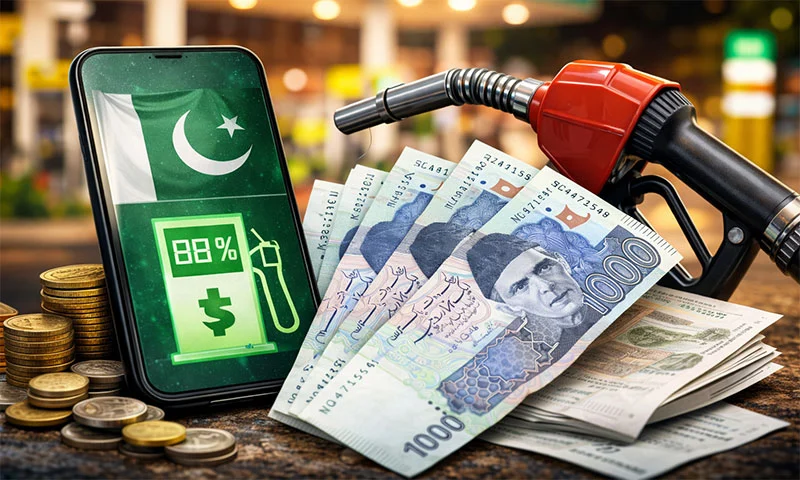
Who Can Get Subsidised Petrol in Pakistan and How? Complete Guide
Pakistan’s government is moving toward a targeted petrol subsidy system aimed at providing relief to low income citizens, particularly motorcycle riders, rickshaw drivers and small vehicle owners who are most affected by rising fuel prices. The initiative is part of broader efforts to shift from blanket subsidies to a more controlled and transparent distribution system that ensures only deserving individuals benefit. The scheme is expected to work through a digital verification system linked to CNIC and vehicle registration details, allowing authorities to monitor fuel usage and prevent misuse while easing financial pressure on vulnerable groups. SMS Registration Process Explained To make the system accessible to people without smartphones or internet access, an SMS based registration method has been introduced. Under this method, users can apply by sending their CNIC details through a simple text message. The process requires users to open their mobile messaging app, type their 13 digit CNIC number without dashes and send it to a designated shortcode. After sending the message, applicants receive a confirmation response along with further instructions regarding their eligibility and subsidy status. In some versions of the system being discussed, users may also need to provide vehicle details such as registration number to complete verification before receiving a fuel quota or voucher. Verification and Subsidy Allocation Once registered, the system checks the applicant’s details against government databases, including NADRA and vehicle registration records. If the applicant meets the criteria, they are approved for a monthly fuel quota under the subsidy program. The approved users may then receive a digital code or voucher, which can be used at designated petrol pumps to purchase fuel at a subsidized rate. The process is designed to be quick and efficient, with confirmation messages often sent within seconds of registration. Eligibility Criteria for Applicants The subsidy is primarily aimed at individuals with lower income levels who rely on fuel for daily commuting or livelihood. Applicants are generally required to have a valid CNIC, a registered vehicle in their name and a mobile number linked to their CNIC. Income thresholds are also expected to be applied to ensure that only deserving households qualify for the benefit. Motorcycles and rickshaws are likely to remain the primary focus of the scheme, while inclusion of small cars is still under consideration as part of future expansion. Shift Toward Digital Fuel Distribution The SMS system is part of a broader digital fuel quota strategy that includes a mobile application and QR based voucher system. Under this approach, users will eventually be able to track their fuel usage, generate vouchers and access subsidies through a centralized digital platform. The system is designed to ensure transparency, reduce corruption and prevent overconsumption by assigning a fixed monthly quota to each eligible user. This quota is expected to range between 20 to 30 litres for motorcycles and similar vehicles. Caution Over Unverified SMS Claims While SMS registration has been widely discussed, experts and reports suggest that not all numbers circulating on social media are officially confirmed. Some sources indicate that the government is still finalizing the system and may rely more heavily on an app based approach for full implementation. Authorities have advised citizens to rely only on official announcements and avoid sharing personal information such as CNIC details with unverified sources to prevent fraud or misuse. Part of Broader Economic Reforms The petrol subsidy initiative reflects Pakistan’s ongoing economic reforms aimed at reducing fiscal pressure while still providing relief to the most vulnerable segments of society. With fuel prices continuing to rise, the government is under pressure to balance financial sustainability with public support measures. By introducing a targeted and technology driven system, policymakers aim to ensure that subsidies are distributed fairly, efficiently and transparently, marking a significant shift in how fuel relief programs are managed in the country.
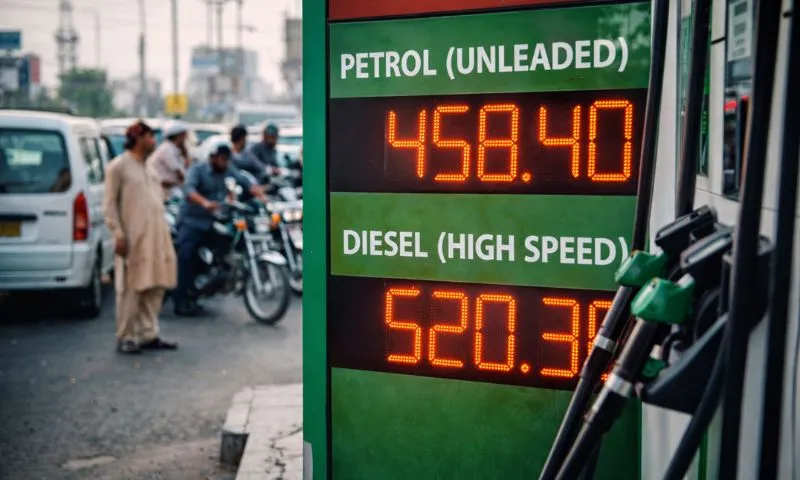
Transport, Food and Bills Set to Rise After Petrol Increase to Rs458 in Pakistan
Fuel prices in Pakistan have surged dramatically after the government withdrew its blanket subsidy on petroleum products, pushing petrol prices up by more than Rs130 per litre to around Rs458.40, while high-speed diesel has climbed to approximately Rs520.35 per litre. The increase represents one of the steepest hikes in recent years, with petrol rising by about 42.7% and diesel by nearly 55%, according to market estimates. The move comes as global oil prices surge due to escalating tensions in the Middle East, particularly disruptions linked to the Iran conflict. Subsidy Ends, Real Prices Passed to Consumers The government had been artificially controlling fuel prices by absorbing rising international costs through heavy subsidies. However, officials confirmed that continuing this policy had become financially impossible. Finance Minister Muhammad Aurangzeb acknowledged that over Rs129 billion had already been spent to keep prices stable in recent weeks. He said, “Since the resources are limited… there was no way to continue with a blanket subsidy.” Petroleum Minister Ali Pervaiz Malik also defended the decision, stating, “It was inevitable to raise the prices due to the international market prices going out of control.” With the subsidy removed, Pakistan’s fuel prices are now directly linked to global oil markets, meaning any further international increase will immediately impact domestic consumers. Read More: Fuel Crisis Deepens in Pakistan: Petrol, Diesel Hike Expected as LPG Prices Jump 34% Immediate Impact on People as Transport Costs Surge The immediate impact of the fuel hike will be felt in everyday commuting and household expenses. For example, a motorcyclist using 10 to 12 litres per week will now spend an additional Rs1,300 to Rs1,600 weekly. Car owners, depending on usage, could see their monthly fuel bills rise by Rs10,000 to Rs20,000. Public transport fares are expected to increase within days. Bus operators, rickshaw drivers and ride-hailing services typically pass on fuel cost increases quickly, which will directly affect students, office workers and low-income groups. For households already struggling with inflation, this means reduced spending power and difficult choices between fuel, food and other essentials. Prices of Food and Essentials Set to Rise The fuel price increase is expected to trigger a second wave of inflation through higher logistics costs. Pakistan’s supply chain is heavily dependent on diesel-powered transport. With diesel now above Rs520 per litre, the cost of transporting goods has increased sharply. This will likely lead to: Higher vegetable and fruit prices due to increased transport costs from farms to cities Rising flour and wheat prices as distribution becomes more expensive Increased cost of packaged goods and groceries Retailers and wholesalers are expected to pass these costs onto consumers, meaning the real impact of the fuel hike will be felt more strongly in the coming weeks. Businesses and Economy Under Pressure Industries and businesses will also come under pressure as operational costs increase. Transport companies and freight operators will raise delivery charges, which will impact manufacturers, retailers and exporters. Small businesses, especially those dependent on daily logistics, may struggle to absorb these costs. For example: Delivery services may increase charges or reduce coverage Small factories may cut production to manage rising expenses Retail shops may increase prices or reduce inventory Economists warn that such pressures could slow economic activity and reduce profit margins across multiple sectors. Inflation Risks Grow Economists say the fuel price hike will contribute significantly to inflation, which is already a major concern in Pakistan. Higher fuel prices increase the cost of almost everything in the economy, from transportation to electricity generation and manufacturing. This could lead to: Higher Consumer Price Index levels Increased cost of living for urban and rural households Greater financial pressure on fixed-income groups The State Bank and economic planners may also face new challenges in controlling inflation while maintaining growth. Global Crisis Behind the Price Shock The surge in fuel prices is closely tied to global developments, particularly the ongoing conflict involving Iran, the United States and Israel. Oil shipments through the Strait of Hormuz have been disrupted, tightening global supply. Nearly 20% of the world’s oil passes through this route, making any instability highly impactful. As global oil prices rise, import-dependent countries like Pakistan face immediate consequences, as they rely heavily on fuel imports from the Middle East. Read More: Oil Price Hits $107 as Trump Signals More Strikes on Iran Shift Toward Targeted Subsidies To offset the impact, the government has announced a shift from blanket subsidies to targeted relief. Officials say support will focus on: Motorcyclists and low-income commuters Public transport sector Small farmers However, experts argue that targeted subsidies may not fully compensate for the broader economic impact, especially as inflation spreads across multiple sectors. A Price Hike With Long-Term Consequences The current fuel price surge is not just a temporary adjustment but a structural shift in how energy prices are managed in Pakistan. With subsidies removed and global uncertainty continuing, fuel prices may remain volatile, creating long-term challenges for both policymakers and the public. For millions of Pakistanis, this is more than just a price increase. It is a direct and lasting impact on their daily lives, purchasing power and economic stability.

Chief Minister Sindh Murad Ali Shah Announces Demolition of Burnt Gul Plaza
Chief Minister Sindh Murad Ali Shah has also announced that the government will rebuild the structure within two years, ensuring that affected traders are accommodated in the new development. He assured that shop owners would be allocated the same space as they previously had, aiming to restore their businesses without additional burden. The provincial government has already initiated compensation measures for victims, including financial assistance for families of those who died and support packages for traders who lost their livelihoods. Temporary relocation arrangements have also been made to help shopkeepers resume business activities while reconstruction plans move forward. Investigation and Accountability Measures Authorities have launched investigations into the cause of the fire and possible negligence. Early findings suggest the blaze spread rapidly due to flammable materials and poor safety infrastructure, including a lack of proper fire exits and equipment. Officials have vowed strict action against those found responsible. The chief minister stated that accountability would be ensured across both private management and public institutions. He also directed authorities to conduct audits of other commercial buildings across Karachi, warning that non-compliant structures could be sealed if safety standards are not met. Wider Concerns Over Fire Safety in Karachi The Gul Plaza tragedy has reignited debate over fire safety enforcement in Karachi’s commercial centres. Experts say many older buildings in the city lack proper fire safety systems, including alarms, sprinklers and emergency exits, increasing the risk of similar disasters. The incident has prompted calls for stricter regulations, improved inspections and mandatory safety compliance across all commercial properties. A Turning Point for Urban Safety The demolition order marks a critical step in addressing the immediate danger posed by the damaged structure, while also signalling a broader push toward improving urban safety standards. With reconstruction plans underway and investigations continuing, the Gul Plaza incident is expected to remain a key reference point in discussions on building safety, regulation and disaster preparedness in Pakistan.
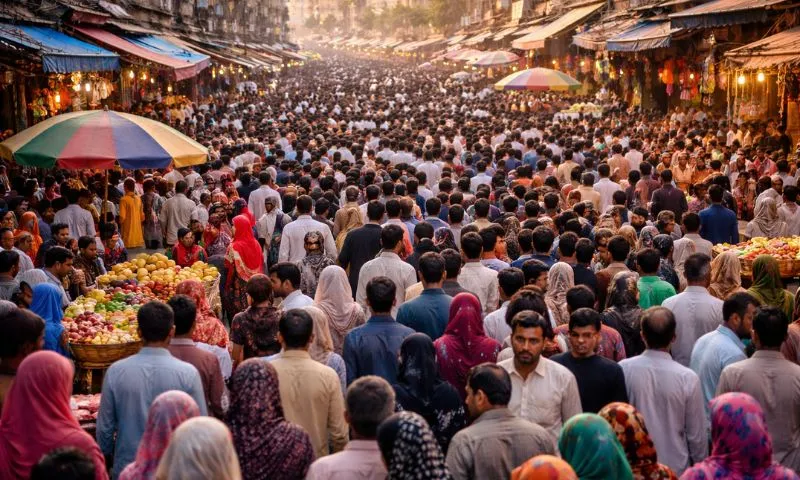
Pakistan Could Become World’s 4th Most Populous Country in 5 Years
Pakistan could rise to become the world’s fourth most populous nation within the next five years, according to officials and demographic projections, highlighting growing concerns over rapid population expansion and its impact on the country’s future. Rapid Growth Could Change Global Rankings Pakistan is currently the fifth most populous country in the world, with a population exceeding 240 million. Health authorities have warned that if the current growth trend continues, Pakistan could surpass countries like Indonesia to become the fourth most populous nation globally within five years. Officials have linked this trajectory to persistently high fertility rates and limited progress in population control measures. Population Expanding at Alarming Pace Experts say Pakistan’s population is increasing by around four to five million people every year, placing immense pressure on resources and infrastructure. The country’s population has already crossed 241 million and is projected to exceed 300 million within the next five years if current trends persist. This rapid growth rate is among the highest in South Asia, raising concerns among policymakers and development experts. Strain on Economy, Resources and Services The growing population is increasingly being seen as a major challenge for Pakistan’s economy and development planning. Experts warn that unchecked population growth could worsen unemployment, strain healthcare and education systems, and increase poverty levels. The pressure is already visible in multiple sectors, including food security, housing, water availability and job creation, with demand outpacing supply in many areas. Call for Urgent Policy Action Officials and experts have stressed the need for urgent action to manage population growth through improved family planning, education and awareness programmes. They emphasised that better access to reproductive health services, female education and economic empowerment are key to slowing population growth. Without immediate intervention, analysts warn that Pakistan’s development goals and economic stability could face serious setbacks. Population as Opportunity or Challenge While some policymakers argue that a large population can be an economic asset if properly managed, many experts caution that without effective planning, it could become a long-term liability. International organisations such as the United Nations Population Fund have also urged Pakistan to integrate population management into national planning to ensure sustainable development. A Defining Challenge for the Future The prospect of becoming the fourth most populous country underscores the urgency of addressing population dynamics. With millions being added each year, Pakistan faces a critical moment where policy decisions made today will determine whether population growth becomes a driver of economic strength or a source of persistent challenges.
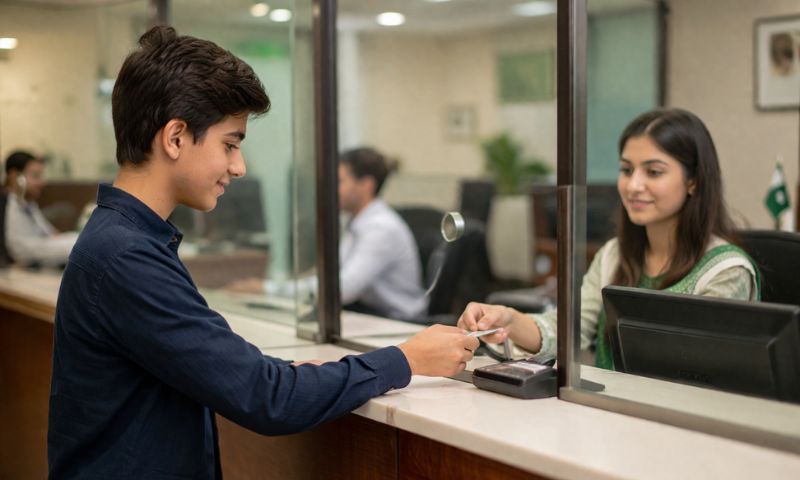
Big Move: Pakistani Teens Can Now Open Bank Accounts Independently
In a landmark move aimed at boosting financial inclusion, the State Bank of Pakistan has introduced a new framework allowing teenagers to independently open and operate bank accounts and digital wallets across the country. New Framework for Youth Banking According to reports, the initiative enables individuals aged 13 to 18 to manage their own bank accounts without relying on parents or guardians, a shift from the previous system where minors were largely limited to joint or supervised accounts. The central bank said the policy is designed to give young people direct access to financial services and help them build practical money management skills from an early age. In its official statement, SBP said the initiative aims to “foster meaningful participation of teenagers in the economy.” Bridging a Longstanding Gap Officials noted that while banking access among adults in Pakistan has improved significantly, teenagers have remained largely excluded from the formal financial system. “While overall account ownership of the adult population has risen to 67 per cent, teenagers have largely been confined to joint or parent-controlled accounts,” the central bank said. Pakistan has an estimated 26 million individuals between the ages of 13 and 18, making youth financial inclusion a critical area for policy intervention. The SBP described the framework as a step toward addressing this gap and integrating young citizens into the country’s financial ecosystem. Key Features of the Teen Account System Under the new framework, teenagers will be able to own and operate bank accounts and digital wallets independently, while still being protected under a regulated and secure banking environment. The system introduces structured access to financial services, ensuring safeguards such as identity verification and transaction monitoring remain in place. The initiative is also expected to expose young users to digital payments, savings tools, and online banking platforms, helping them adapt to an increasingly digital economy. Building Financial Literacy and Digital Skills The SBP believes that early access to banking will help develop a financially responsible and digitally aware generation. The central bank stated that the framework is intended to nurture youth who are “financially literate, digitally adept, and capable of driving future growth.” Experts say that introducing financial tools at a young age can improve saving habits, encourage responsible spending, and prepare individuals for long-term economic participation. Part of Broader Financial Inclusion Strategy The move aligns with Pakistan’s broader financial inclusion goals under the National Financial Inclusion Strategy and the SBP Strategic Plan 2023 to 2028, both of which emphasize expanding access to banking services for underserved segments, including youth. The initiative also builds on Pakistan’s growing focus on digital banking and fintech adoption, as the country continues to modernise its financial infrastructure. A Step Toward a More Inclusive Economy Calling it more than just a new banking product, the SBP described the framework as a strategic step toward a more inclusive financial system. By empowering teenagers with independent financial access, policymakers hope to strengthen economic participation and prepare the next generation for a rapidly evolving financial landscape.
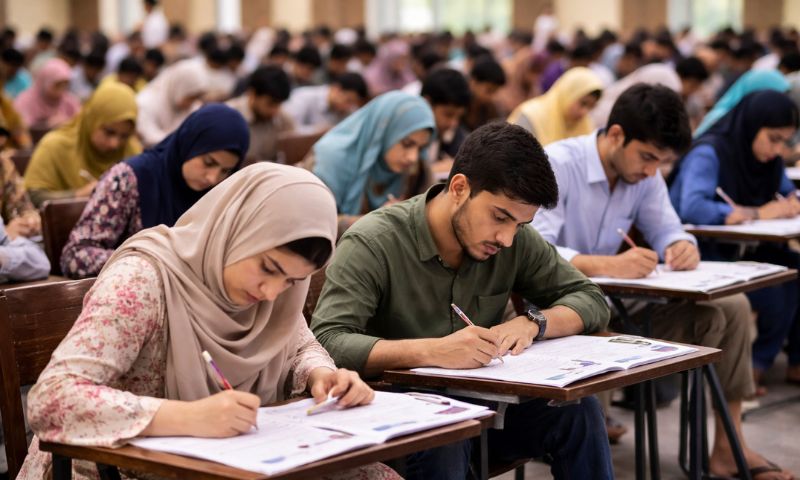
MDCAT Schedule Changed: Students to Face Exam Within Weeks of FSC
The Pakistan Medical and Dental Council has announced a major change in the schedule of the Medical and Dental College Admission Test, commonly known as MDCAT, in a move aimed at improving the admissions process and reducing delays for aspiring medical students. Exams to Be Held Soon After FSC Under the revised policy, MDCAT will now be conducted within one month after the FSC examinations. This marks a significant shift from previous years, where students often had to wait several months between their intermediate exams and the entry test, leading to uncertainty and delays in admissions. Federal Health Minister Mustafa Kamal has endorsed the decision, describing it as a positive step toward improving the academic timeline for students. PMDC President Dr Rizwan Taj confirmed that the new policy will be implemented from the 2026 academic session. He said the reduced gap would help students stay academically engaged and move more quickly into the next phase of their education. He added, “The new schedule has been cleared with provincial authorities, who have expressed readiness to conduct the exams on the revised timeline.” Faster Admissions, Streamlined Process Officials say the decision is designed to make the medical admissions system more efficient. By holding MDCAT soon after FSC exams, the overall timeline for admissions into MBBS and BDS programmes is expected to become faster and more organised. The move also reflects broader reforms in MDCAT in recent years, including the introduction of a centralised question bank and stricter monitoring mechanisms to ensure transparency and fairness in the exam process. In 2025, over 140,000 candidates registered for MDCAT across Pakistan, highlighting the scale and importance of the test for medical admissions nationwide. Concerns Over Limited Preparation Time Despite the intended benefits, the revised schedule has raised concerns among students and education experts. Many students pointed out that FSC exams are traditional written papers, while MDCAT is based on multiple-choice questions and requires a different preparation strategy. With only a few weeks between the two exams, students fear they may not have enough time to adjust their preparation methods, which could impact their performance. Education experts have suggested that additional academic support and guidance should be provided to help students adapt to the compressed timeline. Some stakeholders also proposed revisiting the FSC passing threshold, suggesting it be reduced to 20 to 30 percent to allow students to focus more effectively on MDCAT preparation. Debate Over Academic Pressure The policy has sparked a broader debate within academic circles. Supporters argue that it will save time and reduce unnecessary delays in the education system. Critics, however, warn that it could increase academic pressure on students already facing intense competition. MDCAT remains one of the most competitive exams in Pakistan, with hundreds of thousands of candidates competing each year for a limited number of medical and dental college seats. The real impact of the revised schedule will become clearer during the upcoming 2026 academic cycle, as students and institutions adapt to the new timeline.
FBR Targets Social Media Income as New Tax Rules Emerge in Pakistan
Pakistan’s Federal Board of Revenue has moved to bring social media earnings under the formal tax system, introducing a new framework aimed at regulating income generated through digital platforms such as YouTube, TikTok and other online channels. The move signals a major shift in how digital earnings are treated, as authorities step up efforts to expand the tax base and document previously untaxed income streams. The new regime has been introduced through official notifications, outlining a special procedure for taxing individuals earning income from remunerative social media content. FBR Seeks Public Feedback on New Rules As part of the process, the tax authority has also invited public input on the proposed mechanism, indicating that the framework is still evolving and may be refined based on stakeholder feedback. The initiative reflects an effort to balance enforcement with consultation as Pakistan adapts its tax system to the growing digital economy. Officials say the goal is to create clarity for content creators, freelancers and influencers while ensuring that income generated through online platforms is properly declared and taxed. Social Media Income Now Under Strict Monitoring Authorities have begun closely tracking earnings from social media platforms, signaling that digital income will no longer remain outside the tax net. The development comes amid growing concern within the government about revenue leakages from the rapidly expanding freelance and creator economy. Industry estimates suggest that Pakistan’s digital content and freelance sector has grown significantly in recent years, with thousands of individuals earning through monetized content, brand deals and online services. The new policy aims to bring these earnings into the documented economy. Potential Tax Structure and Revenue Goals Experts indicate that the government is considering applying a tax rate on social media income, with earlier proposals suggesting a rate of around 3.5 percent on earnings from platforms such as YouTube and TikTok. The move is part of broader efforts to increase tax collection and meet ambitious revenue targets. Pakistan’s tax authority has been under pressure to widen the tax base and reduce reliance on traditional sectors by tapping into emerging income streams. Impact on Content Creators and Freelancers The introduction of this regime is expected to directly impact influencers, vloggers, freelancers and digital entrepreneurs across Pakistan. While some view the move as necessary for economic documentation, others have raised concerns about compliance challenges and the need for clear guidelines. Tax experts stress that transparency and ease of filing will be critical in ensuring compliance, particularly for small scale creators who may not be familiar with tax procedures. Part of Broader Economic Reforms The decision to tax social media income aligns with Pakistan’s ongoing economic reforms aimed at increasing revenue collection and improving financial transparency. Authorities are increasingly focusing on previously untaxed sectors, including the digital economy, retail and informal markets. With the digital landscape continuing to expand, the new tax regime marks a significant step toward integrating online earnings into the country’s formal financial system.
