
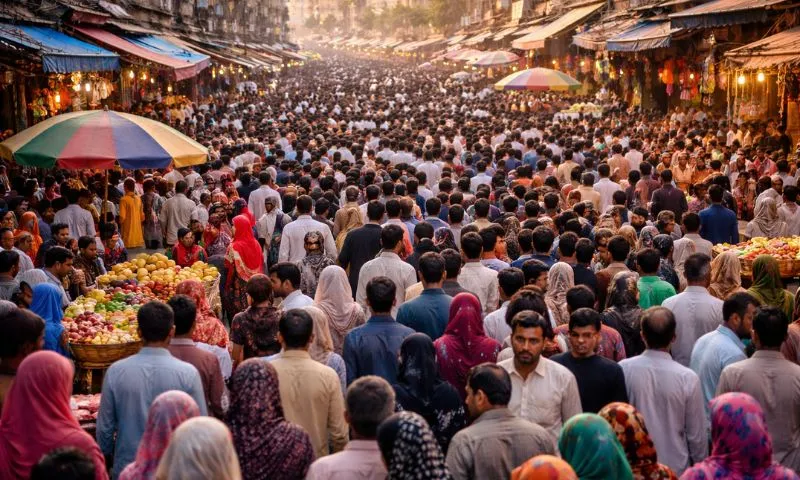
Pakistan could rise to become the world’s fourth most populous nation within the next five years, according to officials and demographic projections, highlighting growing concerns over rapid population expansion and its impact on the country’s future. Rapid Growth Could Change Global Rankings Pakistan is currently the fifth most populous country in the world, with a population exceeding 240 million. Health authorities have warned that if the current growth trend continues, Pakistan could surpass countries like Indonesia to become the fourth most populous nation globally within five years. Officials have linked this trajectory to persistently high fertility rates and limited progress in population control measures. Population Expanding at Alarming Pace Experts say Pakistan’s population is increasing by around four to five million people every year, placing immense pressure on resources and infrastructure. The country’s population has already crossed 241 million and is projected to exceed 300 million within the next five years if current trends persist. This rapid growth rate is among the highest in South Asia, raising concerns among policymakers and development experts. Strain on Economy, Resources and Services The growing population is increasingly being seen as a major challenge for Pakistan’s economy and development planning. Experts warn that unchecked population growth could worsen unemployment, strain healthcare and education systems, and increase poverty levels. The pressure is already visible in multiple sectors, including food security, housing, water availability and job creation, with demand outpacing supply in many areas. Call for Urgent Policy Action Officials and experts have stressed the need for urgent action to manage population growth through improved family planning, education and awareness programmes. They emphasised that better access to reproductive health services, female education and economic empowerment are key to slowing population growth. Without immediate intervention, analysts warn that Pakistan’s development goals and economic stability could face serious setbacks. Population as Opportunity or Challenge While some policymakers argue that a large population can be an economic asset if properly managed, many experts caution that without effective planning, it could become a long-term liability. International organisations such as the United Nations Population Fund have also urged Pakistan to integrate population management into national planning to ensure sustainable development. A Defining Challenge for the Future The prospect of becoming the fourth most populous country underscores the urgency of addressing population dynamics. With millions being added each year, Pakistan faces a critical moment where policy decisions made today will determine whether population growth becomes a driver of economic strength or a source of persistent challenges.
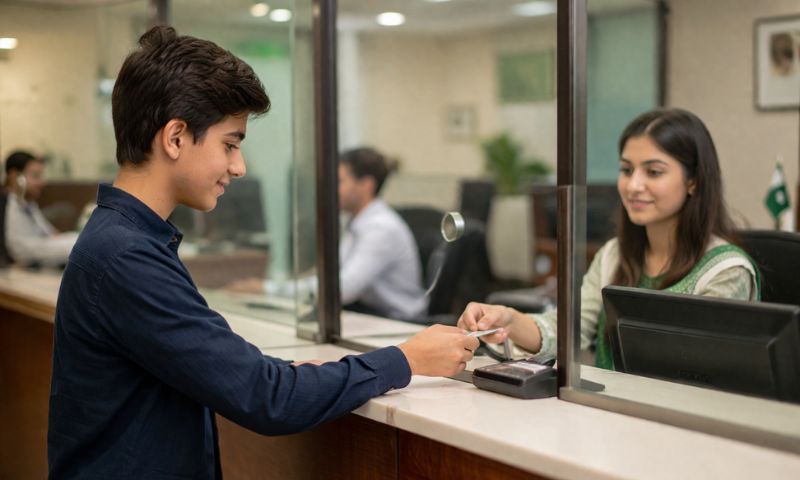
Big Move: Pakistani Teens Can Now Open Bank Accounts Independently
In a landmark move aimed at boosting financial inclusion, the State Bank of Pakistan has introduced a new framework allowing teenagers to independently open and operate bank accounts and digital wallets across the country. New Framework for Youth Banking According to reports, the initiative enables individuals aged 13 to 18 to manage their own bank accounts without relying on parents or guardians, a shift from the previous system where minors were largely limited to joint or supervised accounts. The central bank said the policy is designed to give young people direct access to financial services and help them build practical money management skills from an early age. In its official statement, SBP said the initiative aims to “foster meaningful participation of teenagers in the economy.” Bridging a Longstanding Gap Officials noted that while banking access among adults in Pakistan has improved significantly, teenagers have remained largely excluded from the formal financial system. “While overall account ownership of the adult population has risen to 67 per cent, teenagers have largely been confined to joint or parent-controlled accounts,” the central bank said. Pakistan has an estimated 26 million individuals between the ages of 13 and 18, making youth financial inclusion a critical area for policy intervention. The SBP described the framework as a step toward addressing this gap and integrating young citizens into the country’s financial ecosystem. Key Features of the Teen Account System Under the new framework, teenagers will be able to own and operate bank accounts and digital wallets independently, while still being protected under a regulated and secure banking environment. The system introduces structured access to financial services, ensuring safeguards such as identity verification and transaction monitoring remain in place. The initiative is also expected to expose young users to digital payments, savings tools, and online banking platforms, helping them adapt to an increasingly digital economy. Building Financial Literacy and Digital Skills The SBP believes that early access to banking will help develop a financially responsible and digitally aware generation. The central bank stated that the framework is intended to nurture youth who are “financially literate, digitally adept, and capable of driving future growth.” Experts say that introducing financial tools at a young age can improve saving habits, encourage responsible spending, and prepare individuals for long-term economic participation. Part of Broader Financial Inclusion Strategy The move aligns with Pakistan’s broader financial inclusion goals under the National Financial Inclusion Strategy and the SBP Strategic Plan 2023 to 2028, both of which emphasize expanding access to banking services for underserved segments, including youth. The initiative also builds on Pakistan’s growing focus on digital banking and fintech adoption, as the country continues to modernise its financial infrastructure. A Step Toward a More Inclusive Economy Calling it more than just a new banking product, the SBP described the framework as a strategic step toward a more inclusive financial system. By empowering teenagers with independent financial access, policymakers hope to strengthen economic participation and prepare the next generation for a rapidly evolving financial landscape.
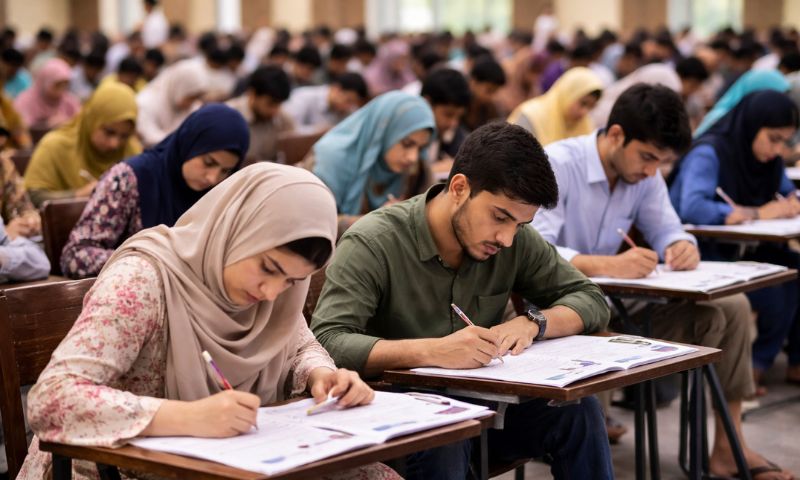
MDCAT Schedule Changed: Students to Face Exam Within Weeks of FSC
The Pakistan Medical and Dental Council has announced a major change in the schedule of the Medical and Dental College Admission Test, commonly known as MDCAT, in a move aimed at improving the admissions process and reducing delays for aspiring medical students. Exams to Be Held Soon After FSC Under the revised policy, MDCAT will now be conducted within one month after the FSC examinations. This marks a significant shift from previous years, where students often had to wait several months between their intermediate exams and the entry test, leading to uncertainty and delays in admissions. Federal Health Minister Mustafa Kamal has endorsed the decision, describing it as a positive step toward improving the academic timeline for students. PMDC President Dr Rizwan Taj confirmed that the new policy will be implemented from the 2026 academic session. He said the reduced gap would help students stay academically engaged and move more quickly into the next phase of their education. He added, “The new schedule has been cleared with provincial authorities, who have expressed readiness to conduct the exams on the revised timeline.” Faster Admissions, Streamlined Process Officials say the decision is designed to make the medical admissions system more efficient. By holding MDCAT soon after FSC exams, the overall timeline for admissions into MBBS and BDS programmes is expected to become faster and more organised. The move also reflects broader reforms in MDCAT in recent years, including the introduction of a centralised question bank and stricter monitoring mechanisms to ensure transparency and fairness in the exam process. In 2025, over 140,000 candidates registered for MDCAT across Pakistan, highlighting the scale and importance of the test for medical admissions nationwide. Concerns Over Limited Preparation Time Despite the intended benefits, the revised schedule has raised concerns among students and education experts. Many students pointed out that FSC exams are traditional written papers, while MDCAT is based on multiple-choice questions and requires a different preparation strategy. With only a few weeks between the two exams, students fear they may not have enough time to adjust their preparation methods, which could impact their performance. Education experts have suggested that additional academic support and guidance should be provided to help students adapt to the compressed timeline. Some stakeholders also proposed revisiting the FSC passing threshold, suggesting it be reduced to 20 to 30 percent to allow students to focus more effectively on MDCAT preparation. Debate Over Academic Pressure The policy has sparked a broader debate within academic circles. Supporters argue that it will save time and reduce unnecessary delays in the education system. Critics, however, warn that it could increase academic pressure on students already facing intense competition. MDCAT remains one of the most competitive exams in Pakistan, with hundreds of thousands of candidates competing each year for a limited number of medical and dental college seats. The real impact of the revised schedule will become clearer during the upcoming 2026 academic cycle, as students and institutions adapt to the new timeline.
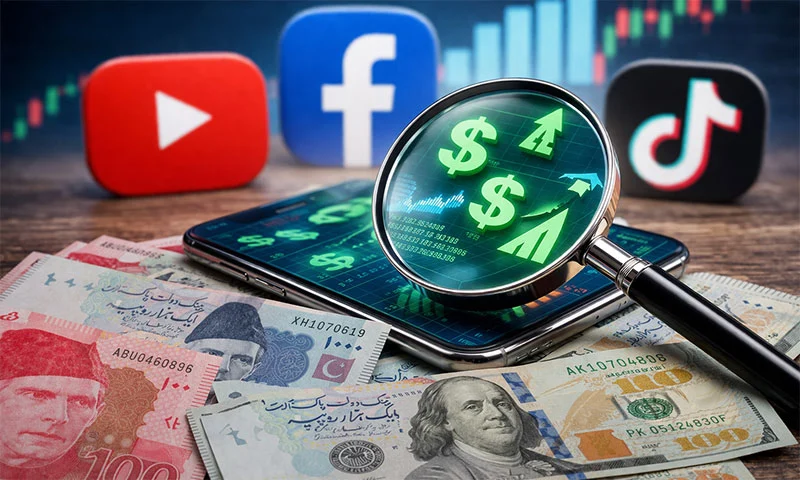
FBR Targets Social Media Income as New Tax Rules Emerge in Pakistan
Pakistan’s Federal Board of Revenue has moved to bring social media earnings under the formal tax system, introducing a new framework aimed at regulating income generated through digital platforms such as YouTube, TikTok and other online channels. The move signals a major shift in how digital earnings are treated, as authorities step up efforts to expand the tax base and document previously untaxed income streams. The new regime has been introduced through official notifications, outlining a special procedure for taxing individuals earning income from remunerative social media content. FBR Seeks Public Feedback on New Rules As part of the process, the tax authority has also invited public input on the proposed mechanism, indicating that the framework is still evolving and may be refined based on stakeholder feedback. The initiative reflects an effort to balance enforcement with consultation as Pakistan adapts its tax system to the growing digital economy. Officials say the goal is to create clarity for content creators, freelancers and influencers while ensuring that income generated through online platforms is properly declared and taxed. Social Media Income Now Under Strict Monitoring Authorities have begun closely tracking earnings from social media platforms, signaling that digital income will no longer remain outside the tax net. The development comes amid growing concern within the government about revenue leakages from the rapidly expanding freelance and creator economy. Industry estimates suggest that Pakistan’s digital content and freelance sector has grown significantly in recent years, with thousands of individuals earning through monetized content, brand deals and online services. The new policy aims to bring these earnings into the documented economy. Potential Tax Structure and Revenue Goals Experts indicate that the government is considering applying a tax rate on social media income, with earlier proposals suggesting a rate of around 3.5 percent on earnings from platforms such as YouTube and TikTok. The move is part of broader efforts to increase tax collection and meet ambitious revenue targets. Pakistan’s tax authority has been under pressure to widen the tax base and reduce reliance on traditional sectors by tapping into emerging income streams. Impact on Content Creators and Freelancers The introduction of this regime is expected to directly impact influencers, vloggers, freelancers and digital entrepreneurs across Pakistan. While some view the move as necessary for economic documentation, others have raised concerns about compliance challenges and the need for clear guidelines. Tax experts stress that transparency and ease of filing will be critical in ensuring compliance, particularly for small scale creators who may not be familiar with tax procedures. Part of Broader Economic Reforms The decision to tax social media income aligns with Pakistan’s ongoing economic reforms aimed at increasing revenue collection and improving financial transparency. Authorities are increasingly focusing on previously untaxed sectors, including the digital economy, retail and informal markets. With the digital landscape continuing to expand, the new tax regime marks a significant step toward integrating online earnings into the country’s formal financial system.
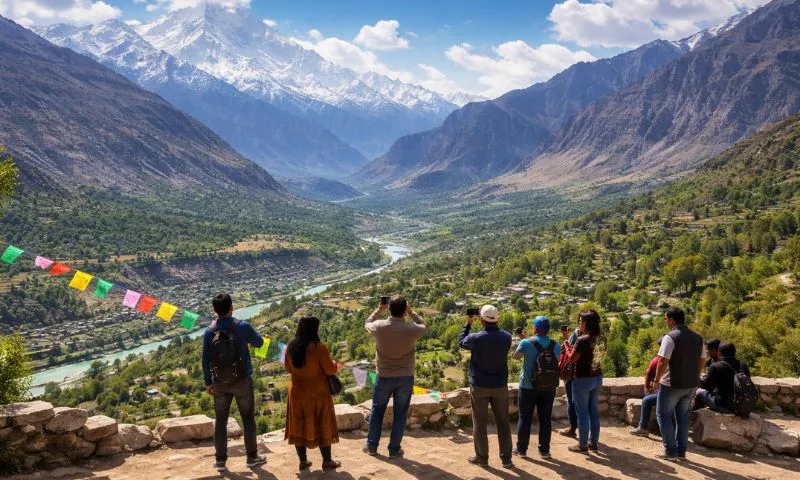
Pakistan Tourism Boom: 820% Surge in Foreign Visitors Shocks Industry
Pakistan’s tourism sector is witnessing significant progress, driven by the government-backed Green Tourism Pakistan initiative, which continues to transform the country into a more accessible and globally recognized travel destination. According to official reports, the initiative’s practical strategy has played a key role in revitalizing tourism, improving infrastructure, and enhancing the overall visitor experience across the country. Surge in International Tourist Arrivals One of the most notable developments is the sharp increase in foreign tourist arrivals. Pakistan welcomed more than one million international tourists last year, reflecting an extraordinary 820 percent growth compared to previous years. This surge highlights growing global confidence in Pakistan as a safe and attractive travel destination, supported by improved security conditions and targeted tourism promotion campaigns. Global Recognition Boosts Pakistan’s Image Pakistan’s natural beauty and cultural heritage are gaining increasing international attention. Leading global media outlets such as the BBC and CNN have featured Gilgit-Baltistan among the world’s top 25 tourist destinations. This recognition has significantly enhanced Pakistan’s global tourism profile, especially for adventure tourism, mountain expeditions, and eco-tourism. Visa Reforms Make Travel Easier To further boost tourism, Pakistan has introduced major visa reforms aimed at simplifying travel procedures. The government now offers a “Visa Prior to Arrival” facility for citizens of 126 countries, making it easier for international travelers to plan their visits. In addition, authorities have launched an E-Tourism portal titled “Tourism on the Palm,” designed to streamline travel planning and provide digital access to tourism services. Digital Transformation of Tourism Experience The introduction of digital platforms marks a significant shift in how tourists interact with Pakistan’s travel ecosystem. The E-Tourism portal enables users to access essential services, explore destinations, and plan itineraries more efficiently, reducing bureaucratic hurdles and enhancing convenience for visitors. Role of Green Tourism Initiative Green Tourism Pakistan, launched under broader national development strategies, has emerged as a central driver of tourism growth. The initiative focuses on sustainable tourism, infrastructure development, and attracting both domestic and foreign investment. It also collaborates with multiple government departments and stakeholders to promote Pakistan globally. Experts believe such coordinated efforts are essential for long-term growth, particularly in eco-tourism and responsible travel sectors. Broader Context: Sustainable Tourism Push Pakistan’s tourism strategy aligns with global trends toward sustainability. Programs like the Protected Areas Initiative aim to conserve natural ecosystems while creating jobs and supporting local communities. By integrating sustainability with tourism development, Pakistan is positioning itself as a competitive destination in the global eco-tourism market. Outlook for the Tourism Sector With continued policy support, digital innovation, and international recognition, Pakistan’s tourism sector is expected to grow further in the coming years. Industry experts suggest that improved infrastructure, consistent branding, and ease of travel will remain key factors in sustaining this upward trajectory.
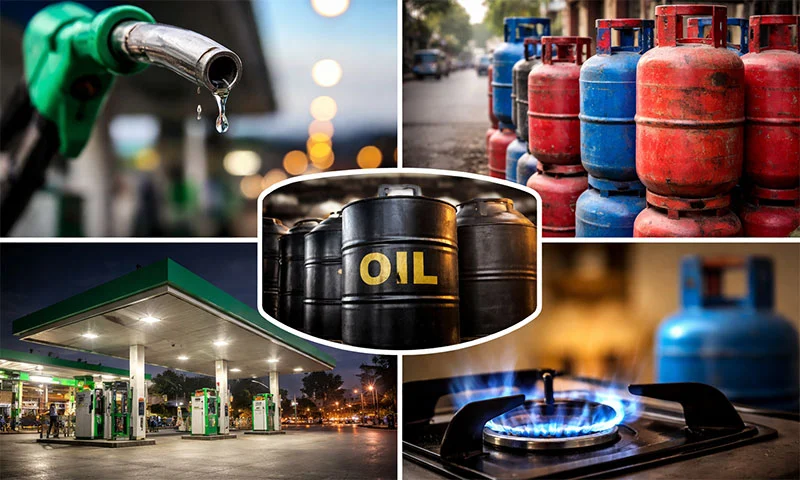
Fuel Crisis Deepens in Pakistan: Petrol, Diesel Hike Expected as LPG Prices Jump 34%
Pakistan is bracing for another surge in fuel costs, with petrol and diesel prices expected to increase in the coming days, while liquefied petroleum gas prices have already witnessed a sharp hike from April 1, adding further pressure on consumers and businesses. The latest developments come amid rising global oil prices and ongoing economic strain linked to international geopolitical tensions, particularly in the Middle East. Petrol, Diesel Prices Expected to Increase According to a report by Dawn, petroleum product prices are likely to go up again within days as the government struggles to sustain heavy subsidies on fuel. Officials have indicated that the current price freeze on petrol and high speed diesel cannot continue for long due to mounting fiscal pressure. The government has been absorbing significant costs to shield consumers, but this approach is becoming increasingly unsustainable. Earlier, Prime Minister Shehbaz Sharif had rejected multiple recommendations to increase fuel prices, including proposals of up to Rs95 per litre for petrol and Rs203 per litre for diesel. Despite these rejections, officials warn that delaying price adjustments could lead to a bigger shock later. One official told Dawn:“You cannot postpone inflation artificially for long; the more you delay price adjustments, the greater pain you build for the future.” Pakistan had already raised petrol and diesel prices by Rs55 per litre earlier in March due to global oil market pressures. Global Factors Driving Fuel Prices The expected increase is largely linked to rising international crude oil prices triggered by geopolitical tensions, particularly conflict involving Iran. Pakistan relies heavily on imported fuel, making domestic prices highly sensitive to global trends. Experts say fluctuations in the US dollar exchange rate and international benchmark prices directly impact local fuel costs. With global markets still volatile, further increases appear likely in the short term. LPG Prices Jump by Over 34% from April 1 While petrol and diesel prices are yet to be revised, the Oil and Gas Regulatory Authority has already notified a significant increase in LPG prices for April. According to the notification reported by The Express Tribune: LPG price increased by Rs78.28 per kg New price set at Rs304.15 per kg 11.8kg domestic cylinder now costs Rs3,588.59, up by Rs923.71 Overall increase stands at 34.66% compared to March The producer price also rose sharply to Rs262,817 per tonne, reflecting global market trends. Why LPG Prices Increased OGRA attributed the increase to international factors, particularly a sharp rise in the Saudi Aramco Contract Price, which went up by around 44%, along with minor currency fluctuations. The regulator also included marketing, distribution, and transportation margins, along with taxes such as GST and petroleum levy, in determining the final consumer price. Impact on Households and Economy The combined effect of rising LPG and expected petrol and diesel hikes is likely to significantly impact inflation: Transport costs may increase immediately Prices of essential goods could rise due to higher logistics costs Low and middle income households will face increased financial pressure LPG is widely used in areas without piped gas supply, making the increase particularly burdensome for rural and lower income households. A Growing Economic Challenge Pakistan’s fuel pricing remains closely tied to global energy markets. While the government has attempted to cushion the impact through subsidies and delayed adjustments, experts warn that these measures cannot continue indefinitely. With LPG prices already surging and petrol and diesel likely to follow, the coming weeks could bring another wave of inflation across the country.
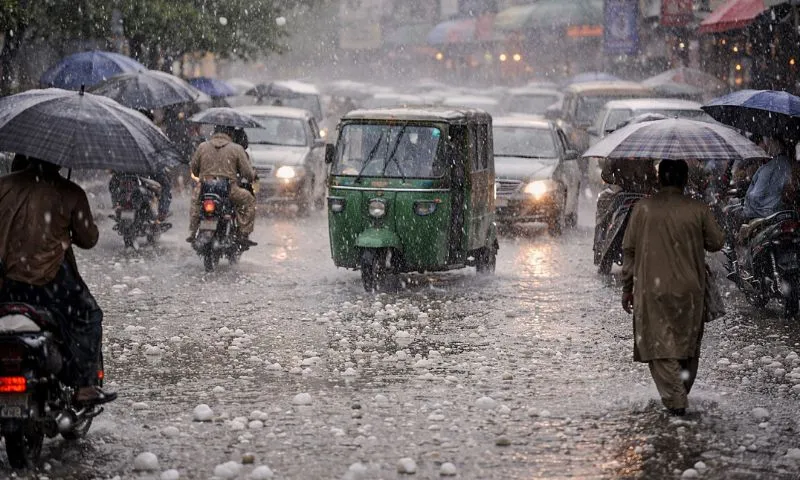
Nationwide Rain and Hailstorm Alert Issued Across Pakistan Until April 4
The Pakistan Meteorological Department has issued a nationwide weather alert, forecasting widespread rain, wind, thunderstorms, and hailstorms across multiple regions from April 1 to April 4, as a strong weather system approaches the country. According to the Met Office, a westerly wave is expected to enter southwestern Balochistan on April 1 and persist until April 4, triggering unstable weather conditions across most provinces. Rain, Hailstorms Expected in Multiple Regions The advisory warns that Balochistan will experience heavy rain and thunderstorms, along with isolated hailstorms, particularly in areas such as Panjgur, Turbat, Kech, Awaran, and along the Makran coast. Khyber Pakhtunkhwa is also expected to receive rainfall and thunderstorms, with snowfall in mountainous regions including Chitral, Dir, Swat, and Kalam. Authorities have warned of isolated heavy downpours and hailstorms in several areas. In Punjab and Islamabad, cities including Lahore, Rawalpindi, Murree, and Sargodha are likely to experience rain accompanied by strong winds and occasional hailstorms. Heavy rainfall is particularly expected in Dera Ghazi Khan and surrounding areas. Gilgit-Baltistan and Azad Jammu and Kashmir are also expected to see rain, wind, and thunderstorms, with snowfall in higher altitudes. Meanwhile, Sindh, including Karachi, Hyderabad, Sukkur, Thatta, and Badin, is forecast to receive rain and thunderstorms with isolated hailstorms between April 2 and April 4. Flood and Landslide Risks The PMD has warned of potential flash floods in northeast Balochistan, including Khuzdar, Awaran, and Kharan, as well as in streams and nullahs of Khyber Pakhtunkhwa from April 2 to April 4. Additionally, landslide risks have been highlighted in vulnerable regions of upper KP, Gilgit-Baltistan, and Azad Kashmir due to heavy rainfall and melting snow. Recent weather patterns have already shown the destructive potential of such systems. Heavy rains in KP have led to fatalities and infrastructure damage, raising concerns about preparedness during the upcoming spell. Damage Risks and Public Advisory The weather advisory cautions that windstorms and hailstorms may damage weak structures such as electric poles, billboards, and solar panels. Farmers have been advised to take precautionary measures to protect crops from potential losses. Tourists and travelers have been urged to avoid unnecessary travel, especially in mountainous and flood-prone areas. Authorities have also advised citizens to remain vigilant and follow official weather updates. The PMD further warned that daytime temperatures are expected to drop across the country during this period, bringing temporary relief from heat but increasing risks associated with severe weather. Authorities on Alert The Meteorological Department has called on all relevant authorities to stay alert and take preventive measures to avoid damage and ensure public safety. Officials have also indicated that the weather system may continue beyond April 4, suggesting that further updates and advisories may follow depending on conditions.
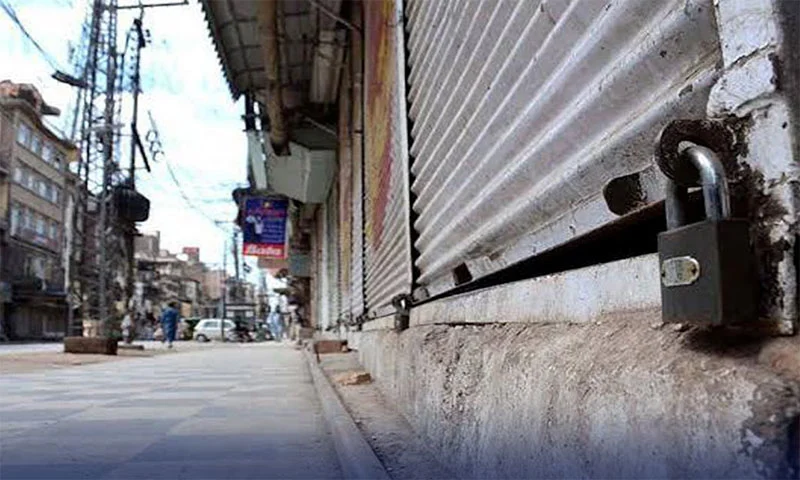
Pakistan Drops Lockdown Plan After Provinces Reject Proposal
The federal government has decided not to impose a nationwide smart lockdown after provincial governments opposed the proposal during a high-level meeting held at Aiwan-e-Sadr in Islamabad. The decision came amid growing concerns over the global energy crisis triggered by the ongoing Middle East conflict, which had initially prompted authorities to consider restrictive measures to conserve fuel and manage economic pressures. Provinces Oppose Nationwide Restrictions The proposal for a smart lockdown was discussed during a consultative session chaired by President Asif Ali Zardari, attended by Prime Minister Shehbaz Sharif, federal ministers, and provincial leadership. However, media reports revealed that provincial administrations raised objections to the plan, leading to its eventual rejection. Following the discussions, it was agreed that instead of imposing restrictions, a coordinated national strategy would be adopted to tackle economic challenges and ensure stability. Khyber Pakhtunkhwa Chief Minister Sohail Afridi also confirmed that no decision had been taken to enforce a lockdown, citing differing views among provinces. Focus Shifts to Relief and Stability The meeting focused on maintaining fuel supply, controlling inflation, and reducing the impact of rising global energy prices on citizens. Officials informed participants that despite disruptions in global markets, Pakistan’s fuel supply remains uninterrupted and reserves are adequate to meet current and future needs. President Zardari emphasized the importance of protecting vulnerable segments of society, directing authorities to accelerate relief measures and ensure that economic hardship is minimized. “No economically vulnerable segment will be left unsupported,” the meeting was told, highlighting the government’s focus on public welfare. Austerity and Fuel-Saving Measures Continue Although the smart lockdown proposal has been scrapped, the government is continuing with austerity measures to reduce fuel consumption and manage economic pressure. Prime Minister Shehbaz Sharif reiterated the importance of his “Savings and Simplicity” campaign, which includes reducing government expenditure, cutting development spending, and grounding 60 percent of official vehicles. Authorities also confirmed that proposals to increase fuel prices had been rejected, with savings redirected toward public relief initiatives. Additional measures include increased levies on high-octane fuel used by luxury vehicles, while jet fuel prices have been kept unchanged to avoid burdening critical sectors such as aviation. Earlier Plans and Public Confusion The decision comes days after widespread speculation about a possible smart lockdown, fueled by fake notifications circulating on social media. Earlier proposals under consideration included early market closures, limits on wedding gatherings, and remote work policies aimed at reducing energy consumption. However, the government had already clarified that no official notification had been issued regarding such restrictions. Diplomatic and Regional Context The meetings also addressed regional security concerns, with Foreign Minister Ishaq Dar briefing participants on Pakistan’s diplomatic engagement with countries such as Turkey, Saudi Arabia, and Egypt. Efforts are ongoing to maintain regional stability and manage the economic fallout of the crisis, particularly as global oil prices remain volatile. A Coordinated Path Forward The government has opted for a coordinated, non-restrictive approach, focusing on economic resilience rather than imposing nationwide limitations. With adequate fuel reserves and continued austerity measures in place, officials believe Pakistan can navigate the crisis without resorting to lockdowns. The decision reflects a balance between economic stability and public convenience, as authorities aim to shield citizens from the worst effects of the global energy crisis.
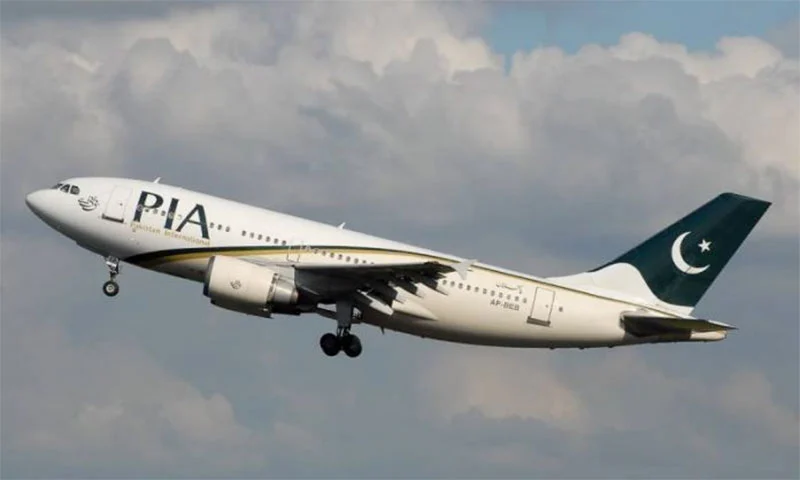
After 6 years, PIA has officially resumed its London flight operations
Pakistan International Airlines has officially resumed its direct Islamabad to London service after a six-year suspension, marking a major milestone for the country’s aviation sector and reconnecting a vital international route. The inaugural flight, PK-785, departed from Islamabad carrying 325 passengers, signaling renewed operational confidence and a step toward restoring the airline’s global footprint. Ceremonial Launch Marks Historic Return A formal yet modest ceremony was held at Islamabad International Airport before the departure of the flight. The event was attended by Defence Secretary Lieutenant General retired Muhammad Ali, British High Commissioner Jane Marriott, and senior aviation officials. A cake-cutting ceremony marked the occasion, while passengers participated in a raffle draw, with one traveler winning a 660cc car. Several other passengers also received gifts, adding a celebratory tone to the relaunch of the route. Commemorative shields were presented to distinguished guests by the airline’s leadership, highlighting the significance of restoring one of PIA’s oldest international connections. The wait is over — our historic flight from #Islamabad to #London is taking off! A new chapter unfolds, connecting two vibrant cities and bringing unforgettable journeys closer than ever. pic.twitter.com/77lIDFxeUX— PIA (@Official_PIA) March 29, 2026 Strengthening Pakistan-UK Ties Addressing the ceremony, the defence secretary emphasized the importance of the restored service, saying it would enhance connectivity between Pakistan and the United Kingdom. Officials noted that the move would benefit more than 1.6 million Pakistanis living in the UK, offering a direct travel option that reduces travel time and improves convenience. The British High Commissioner also congratulated PIA on the resumption of flights, calling it a positive step for bilateral ties and people-to-people connections. Expansion Plans and Flight Schedule PIA has announced an initial schedule of four weekly flights between Pakistan and London, including three from Islamabad and one from Lahore. Flights from Lahore are set to begin from March 30. The airline plans to gradually increase frequency based on demand and operational capacity. Before the suspension in 2020, PIA operated up to 10 weekly flights on the UK route, making it one of its most profitable international corridors. The resumption of services is expected to help the airline regain market share in a highly competitive route dominated by Middle Eastern and European carriers. A Route with Historic Significance London holds special importance for PIA as it was among the airline’s first international destinations, with a legacy spanning more than 70 years. The suspension of flights in 2020, triggered by operational and regulatory challenges alongside global travel disruptions, dealt a significant blow to the airline’s revenues and international reputation. Industry analysts say the revival of the London route signals improved regulatory compliance and operational readiness, following reforms and restructuring efforts in recent years. Outlook for the Airline The resumption is seen as a key step in PIA’s broader strategy to rebuild its international network and restore confidence among passengers. With strong demand expected from both business and diaspora travelers, the airline hopes to leverage the direct route to boost revenue and strengthen its position in global aviation markets. As PK-785 made its way to London, it marked not just the return of a flight, but a renewed attempt by Pakistan’s national carrier to reclaim its standing in international skies.
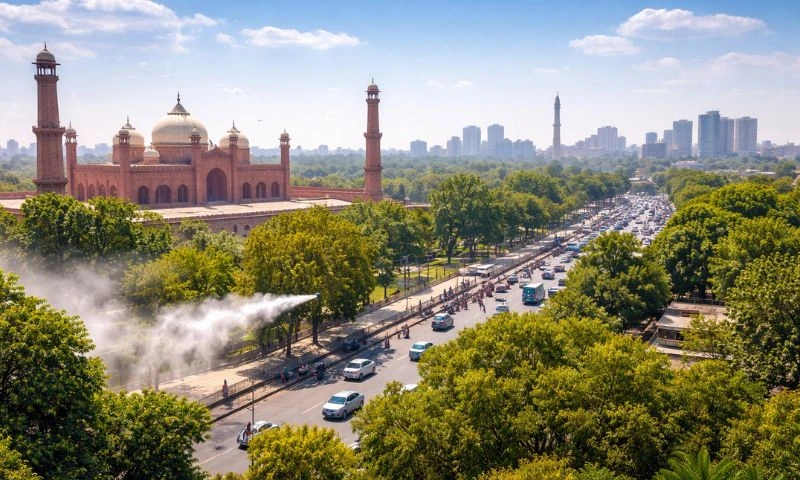
Punjab Sees Biggest Air Quality Improvement Since COVID-19
Punjab has recorded its first significant improvement in air quality since the COVID-19 lockdowns, offering a rare moment of relief for residents long affected by severe smog and pollution. According to the Environmental Protection Agency and global air monitoring platform IQAir, 2025 emerged as the cleanest year for Punjab’s air quality in recent times. The province witnessed a 33.2 percent reduction in PM2.5 levels, with the average Air Quality Index dropping from 116.6 in 2024 to 77.9 in 2025. Province-Wide Improvement in Air Quality Data released by the EPA shows that most major cities and districts across Punjab experienced a noticeable decline in pollution levels. Lodhran and Mandi Bahauddin recorded reductions exceeding 50 percent, while Bahawalpur saw a 49 percent improvement. Rawalpindi’s pollution dropped by 26 percent and Lahore, often ranked among the world’s most polluted cities, recorded a 13 percent decrease. However, Faisalabad stood out as an exception, with pollution levels rising by 11 percent compared to the previous year. Strict Enforcement Drives Results Officials attributed the improvement largely to aggressive enforcement measures taken throughout the year. Inspections increased significantly, rising from 76,000 in 2024 to over 113,000 in 2025. Authorities also registered more than 2,300 FIRs against polluters and imposed fines totaling Rs192 million. Vehicle emissions were a key focus of the crackdown. In Lahore alone, nearly 298,000 vehicles were inspected, and over 7,600 were penalized for failing emission tests. Experts say road transport remains one of the largest contributors to air pollution in Punjab, making such enforcement measures critical for long-term improvement. Technology and Innovation in Anti-Smog Efforts In addition to enforcement, authorities deployed new technological solutions to combat pollution. Anti-smog guns were used extensively, covering a 47,000-kilometre radius in Lahore to reduce airborne dust. Meanwhile, 67 water bowser units were deployed to prevent crop burning, a major seasonal contributor to smog. More than 2,200 water recycling systems were also installed at industrial and construction sites to control emissions and dust. These initiatives are part of a broader strategy to tackle both urban pollution and agricultural sources of smog. Progress with Challenges Ahead While the improvement marks a significant milestone, experts caution that Punjab still faces a long road to achieving safe air quality levels. Previous data shows that pollution spikes have reduced, but baseline pollution remains high, often exceeding national and international safety standards. Environmental specialists stress that sustained efforts, including stricter industrial regulation, cleaner transportation, and public awareness, are essential to maintain progress. A Step Toward Cleaner Air The EPA report offers a hopeful sign that coordinated action can deliver measurable results in the fight against air pollution. For millions of residents, especially in urban centres like Lahore, the improvement provides not only environmental relief but also potential health benefits, as cleaner air reduces risks associated with respiratory and cardiovascular diseases. If current policies and enforcement continue, Punjab could build on this progress and move closer to achieving cleaner, healthier air in the years ahead.
