
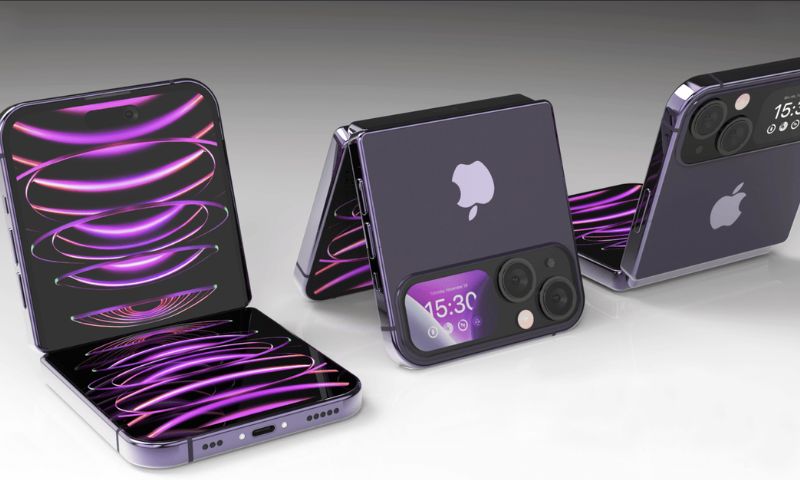
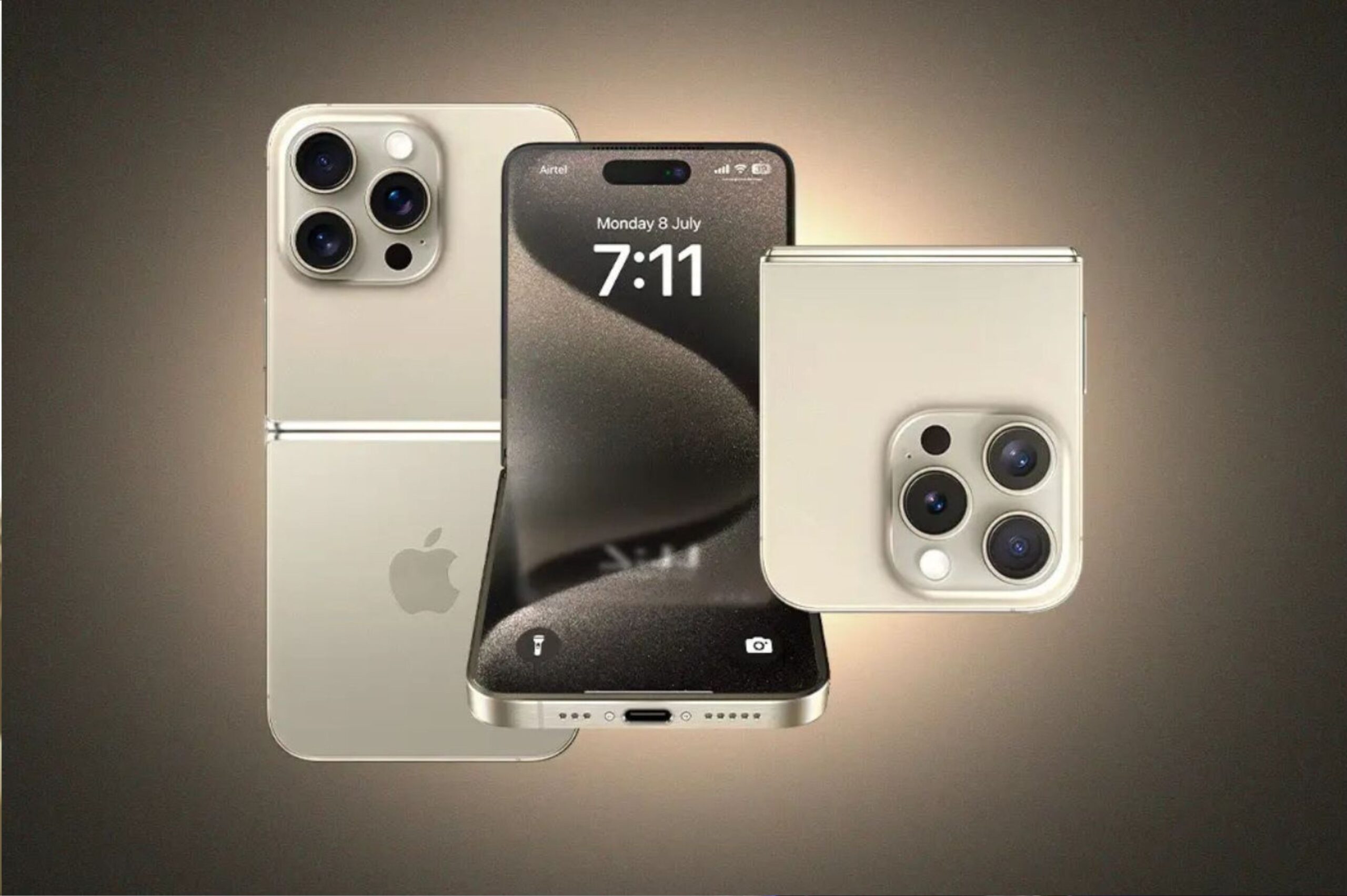
Apple’s first foldable iPhone could redefine what users expect from premium smartphones. After years of leaks and speculation, recent reports suggest the device — widely referred to as the iPhone Fold or iPhone 18 Fold — is shaping up for a 2026 launch alongside the iPhone 18 Pro models. This long-awaited phone may finally usher Apple into the foldable market, joining rivals like Samsung and Google with its own unique twist. Rumors point to a book-style design similar to the Galaxy Z Fold series. The phone is expected to fold outwardly along a central hinge, giving users a compact device when closed and a large tablet-like screen when open. Early reports suggest the inner screen will measure around 7.7–7.8 inches, while the outer display will be roughly 5.3–5.5 inches which is perfect for quick tasks like messaging when folded. One of the biggest talking points is how Apple might tackle the crease problem that still plagues many foldables. Leak sources say Apple is working toward a near crease-free screen using advanced display technology and clever hinge engineering. If true, this could set a new benchmark for foldable durability and aesthetics. But groundbreaking design often comes at a cost. Analysts predict the iPhone Fold will be one of Apple’s most expensive phones ever, with a price tag likely in the $2,000–$2,500 USD range. That premium pricing reflects not just the innovation involved but also Apple’s strategy to position this device as a top-tier flagship product. Beyond size and price, the foldable iPhone could introduce software and multitasking upgrades tailored to its large internal display. Reports suggest Apple is building code into iOS that takes advantage of split-screen work, adaptable app layouts, and new productivity tools, something competitors have only recently begun developing. If Apple succeeds, the iPhone Fold could reshape the foldable market and lure customers who have so far held off on bigger, thicker foldables from other brands. With a likely September 2026 debut alongside the iPhone 18 Pro lineup, Apple might finally make foldable technology mainstream.

Elon Musk Backs Venezuelans as Starlink Offers Free Internet After Maduro’s Removal
Billionaire entrepreneur Elon Musk has voiced public support for the people of Venezuela as Starlink, operated by SpaceX, announced it would provide free broadband internet access across the country for a limited period amid dramatic political changes. In a post on X on Sunday, Musk wrote, “In support of the people of Venezuela,” while sharing Starlink’s official announcement. The company said it would offer free broadband service through February 3, aiming to maintain connectivity during a period of political uncertainty. In support of the people of Venezuela 🇻🇪 https://t.co/JKxOFWsikP — Elon Musk (@elonmusk) January 4, 2026 The announcement followed a stunning development in Caracas, where the United States confirmed the capture of Venezuelan leader Nicolás Maduro. Footage released by US authorities showed Maduro in handcuffs during a staged perp walk, where he appeared calm and briefly addressed reporters and US Drug Enforcement Administration agents before being taken into custody. The sudden removal of Maduro created an immediate leadership vacuum in Venezuela. Within hours, the country’s Supreme Court issued an emergency ruling assigning interim authority to Vice President Delcy Rodríguez. Reading the decision on state television channel VTV, Supreme Court Justice Tania D’Amelio said Maduro was in a “material and temporary impossibility to exercise his functions.” The court ordered Rodríguez to assume all presidential powers to ensure administrative continuity and what it described as the comprehensive defense of the state. The ruling cited provisions in Venezuela’s constitution that require the vice president to take over executive authority in the event of a president’s temporary or absolute absence. Musk reacted positively to Maduro’s arrest earlier, posting in Spanish: “Venezuela ahora puede tener la prosperidad que merece” (“Venezuela can now have the prosperity it deserves”). His comments quickly gained traction online, especially among Venezuelans who have long struggled with internet restrictions, censorship, and infrastructure breakdowns. Reliable internet access has been a persistent challenge in Venezuela, where outages and state control have limited digital communication. Starlink’s temporary intervention is expected to help citizens stay connected to news, emergency services, and family abroad during the transition period.
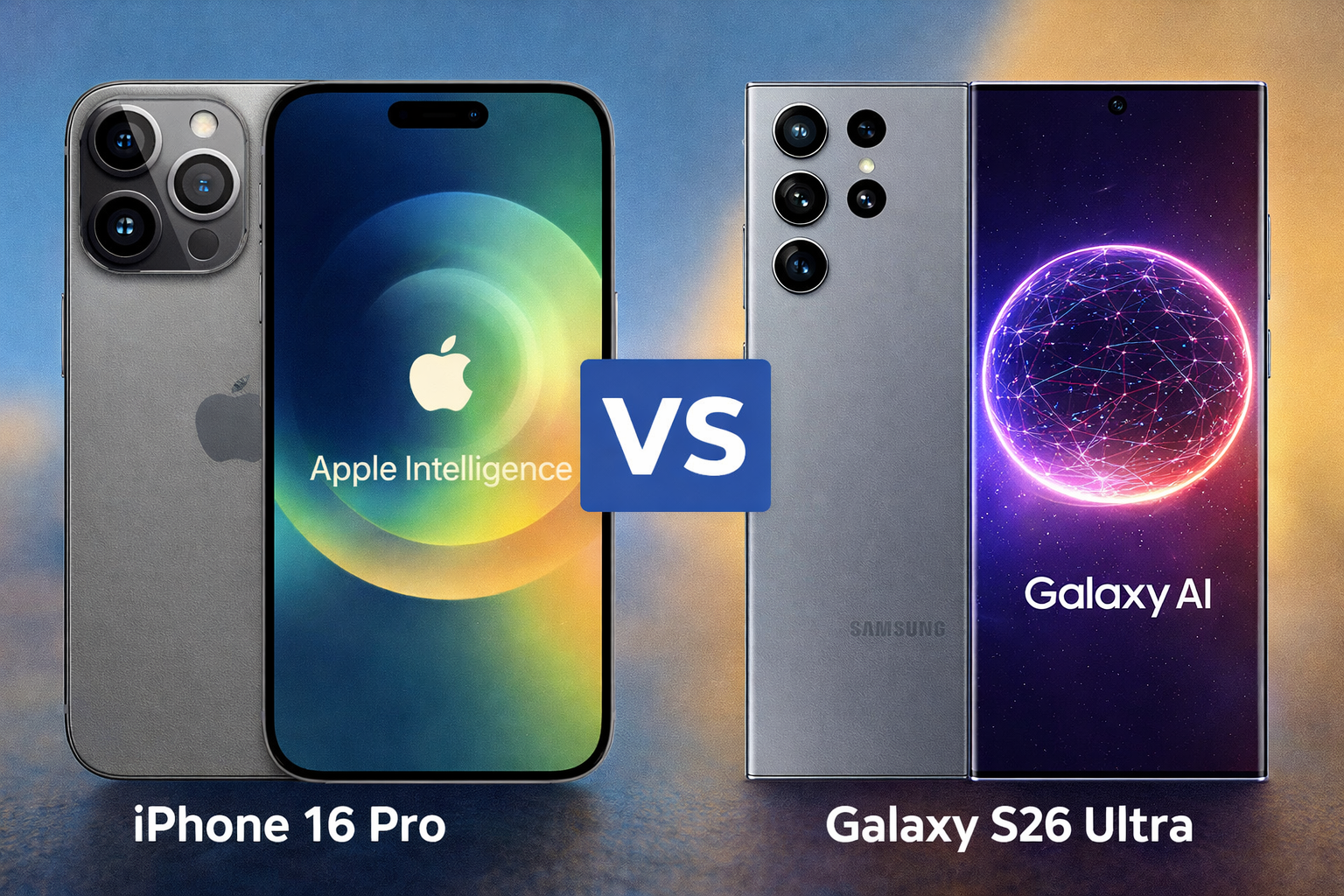
iPhone 16 Pro vs Galaxy S26 Ultra: Real AI or Just a New Coat of Paint?
The iPhone 16 Pro and the (soon-to-launch) Samsung Galaxy S26 Ultra are chasing the same dream: a phone that feels less like a gadget and more like a smart partner. But they’re taking very different roads—especially on AI, cameras, and satellite features. Apple’s pitch is “Apple Intelligence,” built into the iPhone 16 Pro’s A18-class platform and tied tightly to iOS. The biggest advantage is how smoothly it sits inside everyday tasks: writing help, smarter Siri moments, and optional ChatGPT support when you want deeper answers. Apple keeps this experience “ask-first,” so the phone doesn’t feel like it’s constantly showing off. That restraint may look boring, but it often feels more usable. Samsung’s Galaxy S26 Ultra is shaping up to be the “AI power user” option. Samsung has pushed Galaxy AI hard across its recent Ultra phones, with features like cross-app actions and a privacy model that lets users control on-device vs cloud processing. Leaks also suggest Samsung is testing a major Bixby upgrade with Perplexity-style answers, which could make the assistant feel less behind. If that lands well, it’s a real step forward—not just a new label. Now the cameras, where the debate gets spicy. The iPhone 16 Pro leans into “camera realism” through Apple’s computational pipeline and a triple-camera setup led by a 48MP main camera, plus a 48MP ultra-wide and a 5x telephoto. Apple also added “Camera Control,” which targets faster, more deliberate shooting. It’s the phone for people who want consistent skin tones, reliable video, and fewer surprise edits. Samsung’s Ultra identity, meanwhile, is built on high-res hardware and aggressive AI processing. Recent Ultra models center on a 200MP main camera and Samsung’s ProVisual engine, aiming for punchier detail and stronger zoom-style flexibility. If the S26 Ultra sticks close to that formula—as rumors suggest—the real question becomes: will Samsung refine the “Ultra look” toward natural results, or double down on the dramatic style people either love or hate? Satellite tech is another divider. Apple already offers Emergency SOS via satellite on iPhone 14 and newer models, and it has expanded satellite options beyond emergencies in supported regions. For the S26 line, reports point to improved satellite functionality coming, but it’s still not official. So who’s innovating? Apple is polishing the experience until it disappears. Samsung is stacking features until the phone feels like a toolbox. In 2026, buyers may pick less on specs and more on which philosophy fits their life.
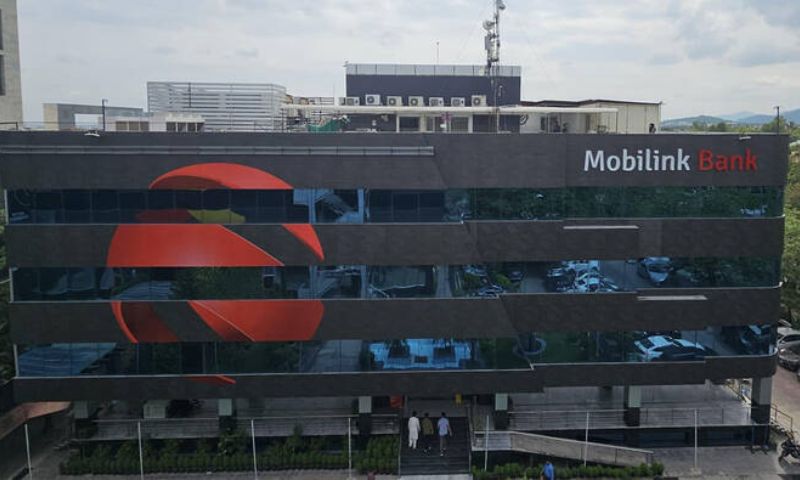
Mobilink Bank Gets Major Backing as VEON Drives Pakistan’s Fintech Growth
Global digital operator VEON Group has doubled down on its commitment to Pakistan’s digital banking future with a fresh $20 million investment in Mobilink Bank, aiming to accelerate the expansion of digital and Islamic banking across the country. This latest capital injection builds on a $15 million investment made in early 2025, demonstrating growing confidence in the bank’s growth and potential. Mobilink Bank, a subsidiary of VEON Group, is part of a broader digital financial ecosystem that includes JazzCash, one of Pakistan’s largest mobile financial services platforms with millions of customers and a nationwide agent network. Together, these units are helping reshape how Pakistanis access financial services — especially in underserved communities where traditional banking has limited reach. The new funds will be used to scale the bank’s micro, small and medium enterprise (MSME) financing portfolio and to expand its Shariah-compliant Islamic banking offerings. This focus on Islamic banking reflects strong local demand, following Mobilink Bank’s launch of dedicated Islamic banking services in late 2025 after receiving its licence from the State Bank of Pakistan. The bank has since opened its first Islamic banking branch in Karachi and plans further expansion nationwide. Mobilink Bank’s leadership says the investment will help more entrepreneurs and small business owners formalise their financial activities, move away from informal cash systems, and access regulated credit — a key factor in building economic resilience. The bank’s products also include women-centric financial services and green financing initiatives, which aim to support long-term growth while addressing climate and economic challenges. VEON’s investment comes at a time when Pakistan’s digital financial sector is gaining momentum. With rising smartphone use and mobile internet penetration, more people are turning to online financial solutions for payments, savings, and credit. JazzCash itself has processed transaction volumes in the trillions of rupees, underlining the scale and impact of fintech growth in Pakistan. Aamir Ibrahim, VEON Group Executive Committee Member and Chairman of Mobilink Bank, said the continuous flow of capital reflects long-term confidence in Pakistan’s digital finance ecosystem. He reaffirmed that the investment strengthens both infrastructure and strategic execution, enabling Mobilink Bank and JazzCash to deliver more inclusive, technology-driven financial solutions across the country. With this substantial backing, Mobilink Bank is poised to play a bigger role in Pakistan’s financial transformation, supporting small businesses, advancing financial inclusion, and cementing the country’s position in the rapidly evolving digital economy.

Digital Life Takes Hold: Internet Access Surges Across Pakistan
Pakistan’s digital landscape is changing fast. The latest Household Integrated Economic Survey (HIES) 2024-25 reveals a major leap in internet access and usage, showing how millions more Pakistanis are now connected to the world. According to the Pakistan Bureau of Statistics, household internet access jumped from 34 % to 70 %, while individual internet use expanded sharply from 17 % to 57 %, a dramatic rise in just one survey cycle. This surge is partly due to the spread of mobile phones and smartphones, which are now present in 96 % of households. That number means nearly every home across urban and rural Pakistan has at least one device capable of internet access, lifting digital connectivity to record levels. Experts say this expansion matters far beyond just scrolling social media. Increased internet access opens doors to online learning, e-commerce, and remote work, helping people access opportunities they couldn’t before. A fully digital HIES, conducted after the 2023 Digital Population and Housing Census, used modern tech tools to monitor data collection in real time, giving policymakers a clear picture of how connectivity is evolving nationwide. The survey also highlights positive trends in education and health alongside digital growth. Literacy rates climbed to around 63 %, and child health indicators improved, with infant and neonatal mortality rates showing notable declines. These gains suggest the benefits of internet access are intertwined with broader social progress. Despite these gains, challenges remain. Pakistan still struggles with some of the slowest internet speeds in the world, with mobile and broadband rankings near the bottom globally. Slow connections and intermittent service continue to frustrate users and limit productivity for students, businesses, and tech workers. Still, the progress is undeniable. From just a small fraction of the population online in the early 2000s, Pakistan now boasts one of the largest internet-using populations globally, with over 140 million users connected, mostly through mobile broadband. For many Pakistanis, the internet has become more than a convenience. It’s now central to how they learn, work, shop, and stay informed. With access spreading so rapidly, digital life in Pakistan is increasingly the norm, not the exception.

From AI to Smart Living: What’s Next in 2026
Technology in 2026 feels less futuristic and more personal. Instead of flashy promises, this year focuses on practical impact. Artificial intelligence, faster connectivity, and smarter devices now shape daily life. AI stands at the center of this shift. Businesses increasingly use AI to improve efficiency, not replace humans. Customer service, healthcare diagnostics, and content creation benefit most. In 2026, regulators push for ethical use, transparency, and accountability. The conversation has moved from “can we” to “how should we.” Connectivity also improves steadily. While full 6G remains years away, telecom providers expand fiber networks and enhance 5G performance. Faster speeds support remote work, online education, and digital health services. For developing countries, better connectivity reduces economic gaps rather than widening them. Smart living grows quietly. Homes, cars, and cities rely more on automation. Energy-efficient systems, smart meters, and connected transport aim to reduce costs and emissions. In 2026, technology focuses less on luxury and more on utility. Cybersecurity becomes a shared responsibility. As digital dependence increases, so do risks. Governments and companies invest more in protection, while users learn basic digital hygiene. Experts warn that awareness matters as much as software. Tech companies also face pressure to rebuild trust. Consumers demand privacy, fairness, and reliability. Transparency now influences brand loyalty as much as innovation. Overall, 2026 marks a turning point. Technology stops feeling experimental and starts feeling essential. The winners will be those who make tech useful, safe, and inclusive.
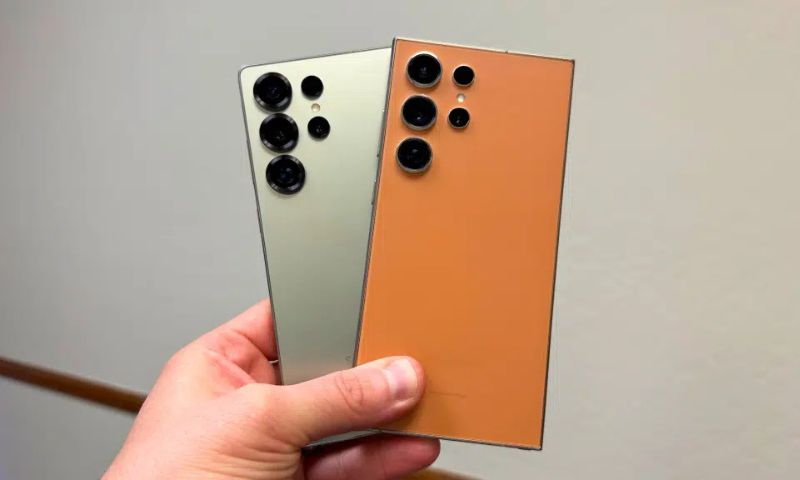
Galaxy S26 Ultra Leak: Design, Specs & Features That Will Surprise You
Samsung is once again stirring excitement in the tech world with a flood of leaks revealing what could be one of the boldest Galaxy Ultra designs in years. Early hands-on footage and leaked dummy unit images show the Galaxy S26 Ultra adopting a dramatically redesigned camera island — a shift that may redefine flagship aesthetics for 2026. Unlike its predecessor’s modest camera layout, the S26 Ultra’s rear panel is dominated by a large, raised camera island that visually echoes the camera bump found on the Samsung Galaxy Z Fold 7, leading some to compare it to recent foldable-phone design language. Social media tipsters and tech leaks, especially content shared by OnLeaks, highlight how this new island could house multiple high-resolution sensors while giving the phone a distinctive and futuristic look. Inside, rumors point toward top-tier hardware: a cutting-edge Snapdragon 8 Elite Gen 5 chipset, up to 16GB of RAM, and 1TB of internal storage, all wrapped in a premium titanium or glass frame. The sizeable 5,000mAh battery is expected to support fast charging, while the immersive Dynamic AMOLED display sets the stage for Samsung’s best screen yet. Camera talk has dominated the chatter. Leaks suggest a possible 200MP main sensor, backed by multiple telephoto and ultra-wide modules designed to boost photography in varied lighting conditions. While exact configurations vary by source, early hands-on footage makes it clear that Samsung is pushing photography performance hard with this flagship. Pricing remains speculative, but analysts predict a premium price tag, potentially higher than the S25 Ultra lineup. With Samsung expected to unveil the S26 series at a major launch event in early 2026, anticipation is building among tech enthusiasts worldwide. If these leaks are accurate, the Galaxy S26 Ultra could be one of Samsung’s most talked-about releases in years.
No More iPhone SE: Apple Reshapes Its Lineup With iPhone 16e
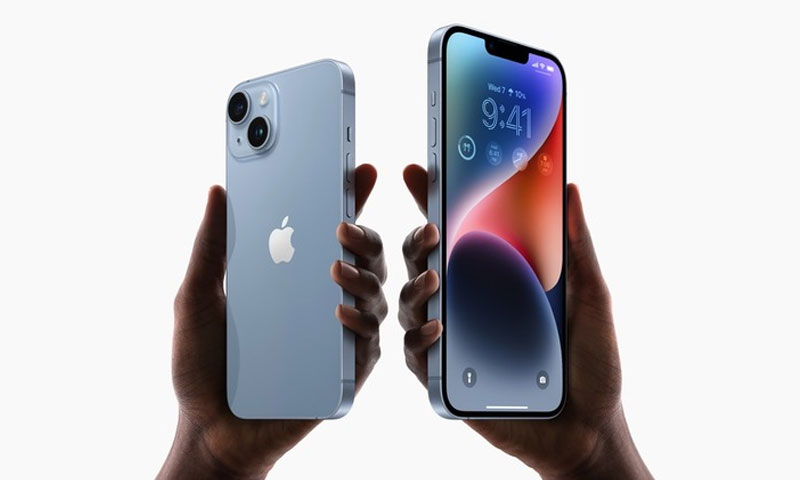
Apple has officially discontinued the iPhone 14, iPhone 14 Plus and iPhone SE (3rd generation), shortly after unveiling the new iPhone 16e, according to tech industry reports. The move means these models are no longer available for purchase as new devices from Apple’s official website or retail stores worldwide. Stock disappeared almost immediately following the iPhone 16e announcement on February 19, 2025, signaling a swift phase-out of the older lineup. Availability shifts to third-party sellers While Apple has ended direct sales, limited inventory of the iPhone 14 and 14 Plus may still be found through carriers, authorized resellers, and third-party retailers such as Amazon. These remaining units are already being offered at discounted prices, with the iPhone 14 reportedly dropping to around $599 from its original $799 launch price. Since Apple has halted new production, remaining stock is expected to dry up quickly over the coming months. Software support remains intact Discontinuation does not mean immediate obsolescence. Apple is expected to continue providing full iOS updates, security patches, and access to core services such as iCloud and the App Store for at least five to seven years. Current estimates suggest software support will extend through 2029 or 2030. Safety features like Crash Detection and Emergency SOS via satellite will also remain functional for as long as Apple and authorized service providers can source replacement parts. iPhone 16e becomes Apple’s new entry-level option The newly introduced iPhone 16e effectively replaces both the iPhone SE (3rd gen) and the iPhone 14 Plus in Apple’s lineup. Priced at $599, it features a 6.1-inch display, improved battery life, the A18 chip, Face ID, USB-C charging, and support for Apple Intelligence. However, the shift marks the end of several long-standing features. Touch ID, the Home button, and the Lightning port are now officially retired from Apple’s smartphone lineup. Impact on buyers For existing users, nothing changes immediately—devices will continue to work normally, though trade-in values for iPhone 14 models have dipped slightly. For new buyers, Apple’s most affordable option is now significantly more expensive than the iPhone SE’s original $429 price point. Consumers looking for larger screens must now move to Plus models, which come at a higher cost. A strategic and regulatory move Industry watchers describe the decision as a rare mid-cycle lineup adjustment. By streamlining its offerings around the iPhone 16e, iPhone 15, and iPhone 16 series, Apple strengthens its compliance with EU USB-C regulations while pushing buyers toward newer hardware. As retailers clear remaining inventory, deals on iPhone 14 and 14 Plus models may continue into mid-2025 and early 2026.

Pakistan’s Telecom Industry Transformed as PTCL Takes Over Telenor
Pakistan’s telecom landscape entered a new phase on December 31, 2025, as Pakistan Telecommunication Company Limited (PTCL) officially completed the acquisition of 100% shareholding of Telenor Pakistan and Orion Towers, marking one of the most consequential consolidations in the country’s digital history. With this transaction, both Telenor Pakistan and Orion Towers now operate as wholly owned subsidiaries of PTCL, alongside Ufone 4G and U Microfinance Bank. The acquisition brings to a close Telenor ASA’s nearly two-decade journey in Pakistan, during which the Norwegian group played a major role in expanding mobile connectivity and raising service standards. PTCL acknowledged Telenor’s contribution, describing the deal as a coming together of complementary strengths rather than a simple ownership change. For customers, the immediate message is continuity: Telenor Pakistan will continue to function as a separate legal entity during the transition phase. Looking ahead, PTCL plans to integrate Telenor Pakistan with Pak Telecom Mobile Limited (PTML), which operates Ufone 4G, into a single merged entity, commonly referred to as MergeCo, subject to regulatory approvals. Industry observers say this integration could reshape competition in Pakistan’s telecom market by creating a larger player with improved spectrum utilization, broader network reach, and greater capacity to invest in next-generation technologies. Speaking on the milestone, PTCL Group President and CEO Hatem Bamatraf called the acquisition a proud moment for both the company and the sector. He emphasized that the focus would remain on customer-centric services, seamless connectivity, and improved user experience. Bamatraf also stressed that the transition would respect existing talent, ensuring continuity for employees while integrating global best practices. Analysts see the move as strategically timed. Pakistan’s telecom sector is under pressure from rising operational costs, slowing revenues, and the need for heavy investment in data infrastructure. By consolidating assets, PTCL aims to optimize costs, strengthen network resilience, and accelerate innovation in areas such as 4G expansion, digital financial services, and enterprise solutions. The acquisition also fits into Pakistan’s broader digital ambitions, where improved connectivity is seen as essential for economic growth, e-commerce, fintech, and public service delivery. With millions of subscribers now under a single strategic umbrella, PTCL is positioning itself as a central force in shaping the country’s digital future. As 2026 begins, this landmark deal signals not just a change in ownership, but a recalibration of Pakistan’s telecom ecosystem—one that could redefine how millions connect, communicate, and do business in the years ahead.
Why the iPhone Fold Could Change Smartphones Forever
Apple’s long-rumored foldable iPhone is finally shaping up to be one of the biggest tech launches of 2026, with multiple leaks and industry whispers suggesting a September 2026 debut as part of Apple’s flagship lineup. According to recent supply-chain insights, Apple could unveil its first foldable device likely called the iPhone Fold — alongside the iPhone 18 Pro models at its annual fall event, making this moment a milestone in smartphone history. The device is expected to open like a small tablet, featuring a 7.7-inch internal display and a 5.3–5.5-inch external screen, dimensions that give it a wider, more iPad-like feel when unfolded. This shape appears intentional: reports suggest Apple may lean into a 4:3 aspect ratio reminiscent of its iPads, enhancing productivity and media viewing compared to traditional tall smartphone screens. Inside, the foldable iPhone could pack premium hardware, including a dual 48MP camera system and possibly new hinge mechanisms designed to minimize visible screen creases which is a persistent challenge for foldables. However, not all leaks are rosy: fresh reports note Apple is still working to achieve a truly crease-free display and could face engineering hurdles as it scales production. Unlike many Android rivals that started with phone-first foldables, Apple may pursue a tablet-first experience, turning the Fold into a productivity powerhouse that blends smartphone convenience with tablet usability. This approach could help it stand out in a competitive market already led by devices like Samsung’s Galaxy Z Fold and upcoming “Wide Fold” models, which themselves are tweaking designs to rival Apple’s rumored features. Even so, analysts caution that production complexities could push availability into early 2027, depending on how quickly Apple resolves hinge durability and display consistency issues. Costs may also be steep, with some reports forecasting a price well above most current flagship foldables. As Apple edges closer to joining the foldable era, the iPhone Fold is shaping up to be more than a new model. It could redefine what users expect from premium smartphones, blending size, power, and versatility in ways that might finally push foldables into the mainstream.
