
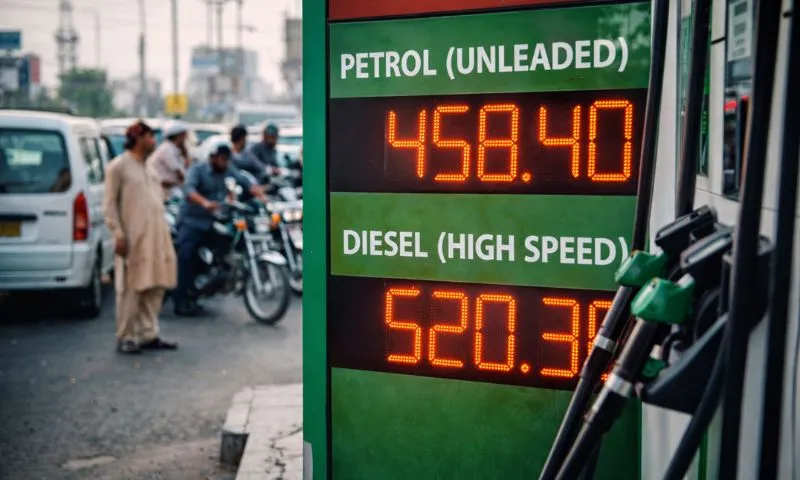
Fuel prices in Pakistan have surged dramatically after the government withdrew its blanket subsidy on petroleum products, pushing petrol prices up by more than Rs130 per litre to around Rs458.40, while high-speed diesel has climbed to approximately Rs520.35 per litre. The increase represents one of the steepest hikes in recent years, with petrol rising by about 42.7% and diesel by nearly 55%, according to market estimates. The move comes as global oil prices surge due to escalating tensions in the Middle East, particularly disruptions linked to the Iran conflict. Subsidy Ends, Real Prices Passed to Consumers The government had been artificially controlling fuel prices by absorbing rising international costs through heavy subsidies. However, officials confirmed that continuing this policy had become financially impossible. Finance Minister Muhammad Aurangzeb acknowledged that over Rs129 billion had already been spent to keep prices stable in recent weeks. He said, “Since the resources are limited… there was no way to continue with a blanket subsidy.” Petroleum Minister Ali Pervaiz Malik also defended the decision, stating, “It was inevitable to raise the prices due to the international market prices going out of control.” With the subsidy removed, Pakistan’s fuel prices are now directly linked to global oil markets, meaning any further international increase will immediately impact domestic consumers. Read More: Fuel Crisis Deepens in Pakistan: Petrol, Diesel Hike Expected as LPG Prices Jump 34% Immediate Impact on People as Transport Costs Surge The immediate impact of the fuel hike will be felt in everyday commuting and household expenses. For example, a motorcyclist using 10 to 12 litres per week will now spend an additional Rs1,300 to Rs1,600 weekly. Car owners, depending on usage, could see their monthly fuel bills rise by Rs10,000 to Rs20,000. Public transport fares are expected to increase within days. Bus operators, rickshaw drivers and ride-hailing services typically pass on fuel cost increases quickly, which will directly affect students, office workers and low-income groups. For households already struggling with inflation, this means reduced spending power and difficult choices between fuel, food and other essentials. Prices of Food and Essentials Set to Rise The fuel price increase is expected to trigger a second wave of inflation through higher logistics costs. Pakistan’s supply chain is heavily dependent on diesel-powered transport. With diesel now above Rs520 per litre, the cost of transporting goods has increased sharply. This will likely lead to: Higher vegetable and fruit prices due to increased transport costs from farms to cities Rising flour and wheat prices as distribution becomes more expensive Increased cost of packaged goods and groceries Retailers and wholesalers are expected to pass these costs onto consumers, meaning the real impact of the fuel hike will be felt more strongly in the coming weeks. Businesses and Economy Under Pressure Industries and businesses will also come under pressure as operational costs increase. Transport companies and freight operators will raise delivery charges, which will impact manufacturers, retailers and exporters. Small businesses, especially those dependent on daily logistics, may struggle to absorb these costs. For example: Delivery services may increase charges or reduce coverage Small factories may cut production to manage rising expenses Retail shops may increase prices or reduce inventory Economists warn that such pressures could slow economic activity and reduce profit margins across multiple sectors. Inflation Risks Grow Economists say the fuel price hike will contribute significantly to inflation, which is already a major concern in Pakistan. Higher fuel prices increase the cost of almost everything in the economy, from transportation to electricity generation and manufacturing. This could lead to: Higher Consumer Price Index levels Increased cost of living for urban and rural households Greater financial pressure on fixed-income groups The State Bank and economic planners may also face new challenges in controlling inflation while maintaining growth. Global Crisis Behind the Price Shock The surge in fuel prices is closely tied to global developments, particularly the ongoing conflict involving Iran, the United States and Israel. Oil shipments through the Strait of Hormuz have been disrupted, tightening global supply. Nearly 20% of the world’s oil passes through this route, making any instability highly impactful. As global oil prices rise, import-dependent countries like Pakistan face immediate consequences, as they rely heavily on fuel imports from the Middle East. Read More: Oil Price Hits $107 as Trump Signals More Strikes on Iran Shift Toward Targeted Subsidies To offset the impact, the government has announced a shift from blanket subsidies to targeted relief. Officials say support will focus on: Motorcyclists and low-income commuters Public transport sector Small farmers However, experts argue that targeted subsidies may not fully compensate for the broader economic impact, especially as inflation spreads across multiple sectors. A Price Hike With Long-Term Consequences The current fuel price surge is not just a temporary adjustment but a structural shift in how energy prices are managed in Pakistan. With subsidies removed and global uncertainty continuing, fuel prices may remain volatile, creating long-term challenges for both policymakers and the public. For millions of Pakistanis, this is more than just a price increase. It is a direct and lasting impact on their daily lives, purchasing power and economic stability.
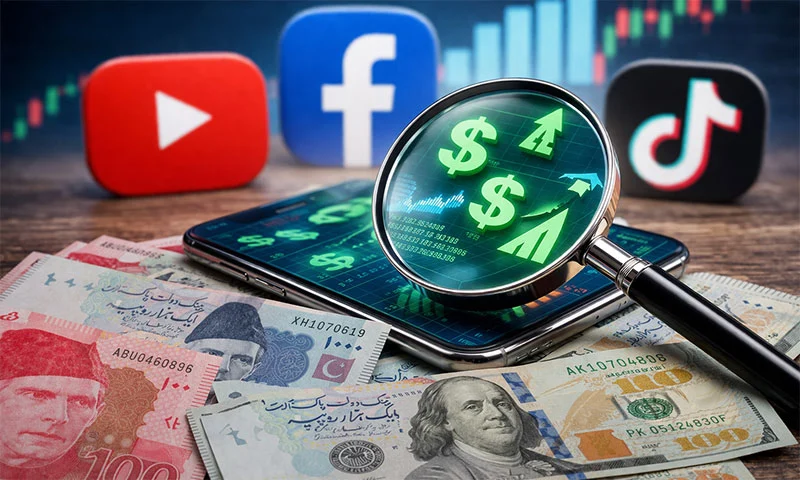
FBR Targets Social Media Income as New Tax Rules Emerge in Pakistan
Pakistan’s Federal Board of Revenue has moved to bring social media earnings under the formal tax system, introducing a new framework aimed at regulating income generated through digital platforms such as YouTube, TikTok and other online channels. The move signals a major shift in how digital earnings are treated, as authorities step up efforts to expand the tax base and document previously untaxed income streams. The new regime has been introduced through official notifications, outlining a special procedure for taxing individuals earning income from remunerative social media content. FBR Seeks Public Feedback on New Rules As part of the process, the tax authority has also invited public input on the proposed mechanism, indicating that the framework is still evolving and may be refined based on stakeholder feedback. The initiative reflects an effort to balance enforcement with consultation as Pakistan adapts its tax system to the growing digital economy. Officials say the goal is to create clarity for content creators, freelancers and influencers while ensuring that income generated through online platforms is properly declared and taxed. Social Media Income Now Under Strict Monitoring Authorities have begun closely tracking earnings from social media platforms, signaling that digital income will no longer remain outside the tax net. The development comes amid growing concern within the government about revenue leakages from the rapidly expanding freelance and creator economy. Industry estimates suggest that Pakistan’s digital content and freelance sector has grown significantly in recent years, with thousands of individuals earning through monetized content, brand deals and online services. The new policy aims to bring these earnings into the documented economy. Potential Tax Structure and Revenue Goals Experts indicate that the government is considering applying a tax rate on social media income, with earlier proposals suggesting a rate of around 3.5 percent on earnings from platforms such as YouTube and TikTok. The move is part of broader efforts to increase tax collection and meet ambitious revenue targets. Pakistan’s tax authority has been under pressure to widen the tax base and reduce reliance on traditional sectors by tapping into emerging income streams. Impact on Content Creators and Freelancers The introduction of this regime is expected to directly impact influencers, vloggers, freelancers and digital entrepreneurs across Pakistan. While some view the move as necessary for economic documentation, others have raised concerns about compliance challenges and the need for clear guidelines. Tax experts stress that transparency and ease of filing will be critical in ensuring compliance, particularly for small scale creators who may not be familiar with tax procedures. Part of Broader Economic Reforms The decision to tax social media income aligns with Pakistan’s ongoing economic reforms aimed at increasing revenue collection and improving financial transparency. Authorities are increasingly focusing on previously untaxed sectors, including the digital economy, retail and informal markets. With the digital landscape continuing to expand, the new tax regime marks a significant step toward integrating online earnings into the country’s formal financial system.
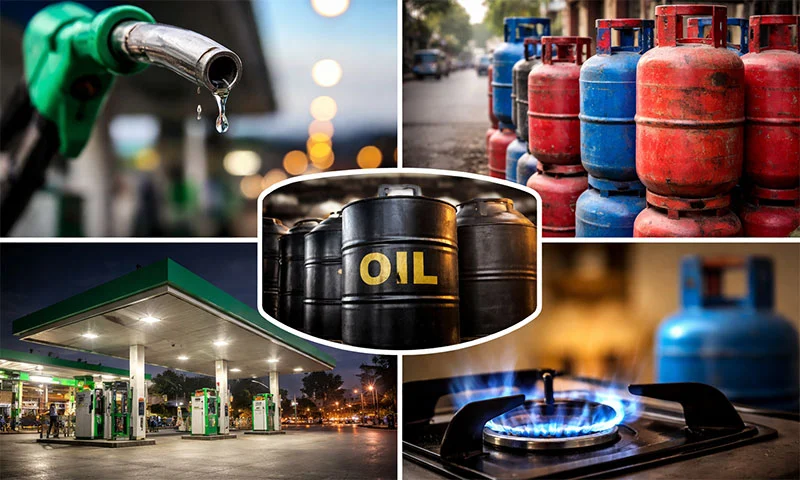
Fuel Crisis Deepens in Pakistan: Petrol, Diesel Hike Expected as LPG Prices Jump 34%
Pakistan is bracing for another surge in fuel costs, with petrol and diesel prices expected to increase in the coming days, while liquefied petroleum gas prices have already witnessed a sharp hike from April 1, adding further pressure on consumers and businesses. The latest developments come amid rising global oil prices and ongoing economic strain linked to international geopolitical tensions, particularly in the Middle East. Petrol, Diesel Prices Expected to Increase According to a report by Dawn, petroleum product prices are likely to go up again within days as the government struggles to sustain heavy subsidies on fuel. Officials have indicated that the current price freeze on petrol and high speed diesel cannot continue for long due to mounting fiscal pressure. The government has been absorbing significant costs to shield consumers, but this approach is becoming increasingly unsustainable. Earlier, Prime Minister Shehbaz Sharif had rejected multiple recommendations to increase fuel prices, including proposals of up to Rs95 per litre for petrol and Rs203 per litre for diesel. Despite these rejections, officials warn that delaying price adjustments could lead to a bigger shock later. One official told Dawn:“You cannot postpone inflation artificially for long; the more you delay price adjustments, the greater pain you build for the future.” Pakistan had already raised petrol and diesel prices by Rs55 per litre earlier in March due to global oil market pressures. Global Factors Driving Fuel Prices The expected increase is largely linked to rising international crude oil prices triggered by geopolitical tensions, particularly conflict involving Iran. Pakistan relies heavily on imported fuel, making domestic prices highly sensitive to global trends. Experts say fluctuations in the US dollar exchange rate and international benchmark prices directly impact local fuel costs. With global markets still volatile, further increases appear likely in the short term. LPG Prices Jump by Over 34% from April 1 While petrol and diesel prices are yet to be revised, the Oil and Gas Regulatory Authority has already notified a significant increase in LPG prices for April. According to the notification reported by The Express Tribune: LPG price increased by Rs78.28 per kg New price set at Rs304.15 per kg 11.8kg domestic cylinder now costs Rs3,588.59, up by Rs923.71 Overall increase stands at 34.66% compared to March The producer price also rose sharply to Rs262,817 per tonne, reflecting global market trends. Why LPG Prices Increased OGRA attributed the increase to international factors, particularly a sharp rise in the Saudi Aramco Contract Price, which went up by around 44%, along with minor currency fluctuations. The regulator also included marketing, distribution, and transportation margins, along with taxes such as GST and petroleum levy, in determining the final consumer price. Impact on Households and Economy The combined effect of rising LPG and expected petrol and diesel hikes is likely to significantly impact inflation: Transport costs may increase immediately Prices of essential goods could rise due to higher logistics costs Low and middle income households will face increased financial pressure LPG is widely used in areas without piped gas supply, making the increase particularly burdensome for rural and lower income households. A Growing Economic Challenge Pakistan’s fuel pricing remains closely tied to global energy markets. While the government has attempted to cushion the impact through subsidies and delayed adjustments, experts warn that these measures cannot continue indefinitely. With LPG prices already surging and petrol and diesel likely to follow, the coming weeks could bring another wave of inflation across the country.
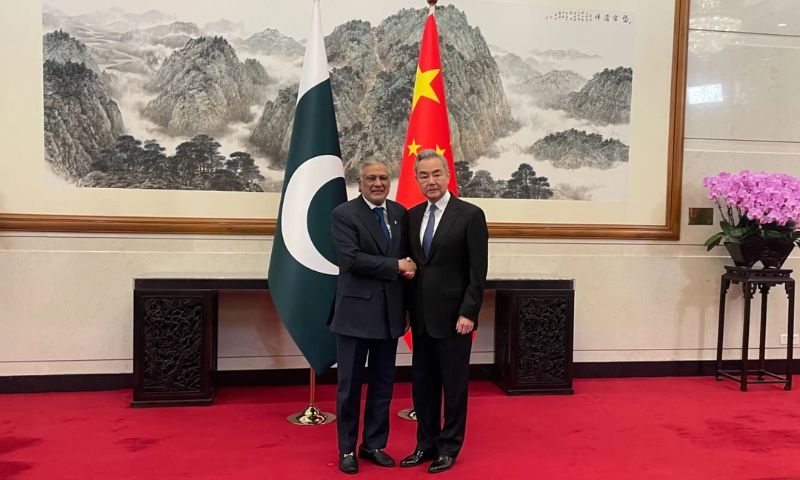
Diplomatic Push Intensifies for Iran Ceasefire: China, Pakistan Demand End to Hostilities
Pakistan and China have jointly called for an immediate ceasefire in the ongoing Iran war and urged all parties to begin peace talks “as soon as possible,” as global concern grows over escalating violence in the Middle East. The appeal was made during diplomatic engagement between Pakistan’s Deputy Prime Minister and Foreign Minister Ishaq Dar and his Chinese counterpart Wang Yi, with both sides emphasizing the urgent need to de-escalate tensions and restore stability in the region. According to official statements, the two countries agreed to “jointly promote a ceasefire and cessation of hostilities and the resumption of peace talks,” stressing that dialogue remains the only viable path to resolving the conflict. 🔊PR No.85/2026 Five-Point Initiative of China and Pakistan for Restoring Peace and Stability in the Gulf and Middle East Region (Beijing, March 31,2026)@MFA_China@PakinChina_https://t.co/8zjtGWe8VC 🔗⬇️ pic.twitter.com/fgWroQIX40 — Ministry of Foreign Affairs – Pakistan (@ForeignOfficePk) March 31, 2026 Urgent Call for Peace Talks The joint stance comes amid intensifying fighting involving Iran, the United States, and Israel, which has triggered a wider regional crisis. Both countries highlighted that initiating peace negotiations quickly is essential to prevent further escalation. A joint initiative also stressed that talks should begin “as soon as possible” to bring all sides to the negotiating table. China reiterated that “the pressing priority is to actively promote peace talks,” underlining the importance of seizing any opportunity for dialogue to end hostilities. Pakistan has also positioned itself as a key diplomatic bridge, maintaining communication with multiple stakeholders and offering to facilitate negotiations. Focus on Safety of Civilians and Waterways A major concern raised by both countries is the safety of civilians and critical infrastructure, particularly in conflict zones. The two sides emphasized the need to ensure the protection of non-military targets and maintain the safety of key maritime routes, especially the Strait of Hormuz, through which a significant portion of global oil supplies passes. They warned that disruption in these waterways could have severe global economic consequences, including rising fuel prices and supply chain instability. Pakistan’s Diplomatic Role Expands Pakistan has emerged as an important mediator in the crisis, with Islamabad offering to host peace talks between the United States and Iran. Officials say Pakistan’s balanced relations with both sides place it in a unique position to facilitate dialogue and reduce tensions. Foreign Minister Ishaq Dar has been actively engaging regional and global leaders, reaffirming Pakistan’s commitment to diplomacy and peaceful resolution of conflicts. Background of the Conflict The Iran war, which began in late February 2026 following US and Israeli strikes on Iranian targets, has rapidly escalated into a broader regional confrontation. Iran has responded with retaliatory attacks, including strikes on Gulf states and disruption of shipping routes. The conflict has drawn international attention due to its impact on global energy markets and geopolitical stability. Despite rising tensions, diplomatic efforts are gaining momentum, with multiple countries pushing for negotiations to prevent further escalation. A Critical Moment for Diplomacy The joint call by Pakistan and China reflects growing international pressure to end the conflict through dialogue rather than military means. Analysts say that the coming days will be crucial in determining whether peace talks can be initiated or if the situation will deteriorate further. As the crisis unfolds, both countries have reiterated that sustained diplomacy, mutual respect, and dialogue remain the only viable solutions to achieving long-term peace in the region.
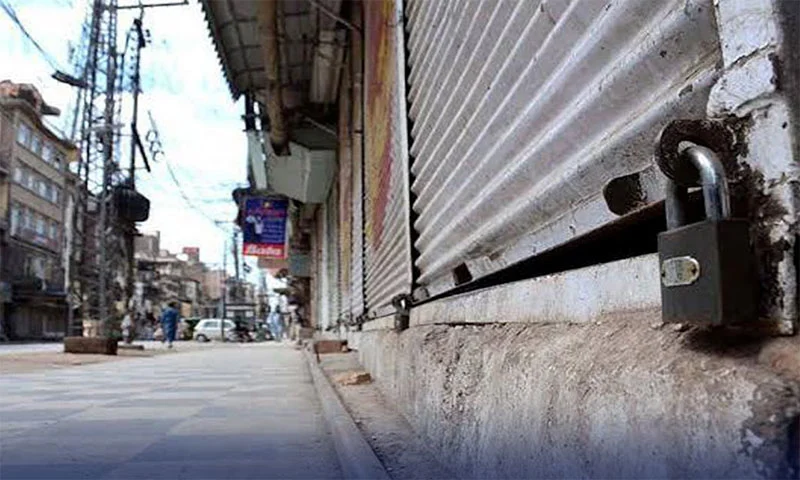
Pakistan Drops Lockdown Plan After Provinces Reject Proposal
The federal government has decided not to impose a nationwide smart lockdown after provincial governments opposed the proposal during a high-level meeting held at Aiwan-e-Sadr in Islamabad. The decision came amid growing concerns over the global energy crisis triggered by the ongoing Middle East conflict, which had initially prompted authorities to consider restrictive measures to conserve fuel and manage economic pressures. Provinces Oppose Nationwide Restrictions The proposal for a smart lockdown was discussed during a consultative session chaired by President Asif Ali Zardari, attended by Prime Minister Shehbaz Sharif, federal ministers, and provincial leadership. However, media reports revealed that provincial administrations raised objections to the plan, leading to its eventual rejection. Following the discussions, it was agreed that instead of imposing restrictions, a coordinated national strategy would be adopted to tackle economic challenges and ensure stability. Khyber Pakhtunkhwa Chief Minister Sohail Afridi also confirmed that no decision had been taken to enforce a lockdown, citing differing views among provinces. Focus Shifts to Relief and Stability The meeting focused on maintaining fuel supply, controlling inflation, and reducing the impact of rising global energy prices on citizens. Officials informed participants that despite disruptions in global markets, Pakistan’s fuel supply remains uninterrupted and reserves are adequate to meet current and future needs. President Zardari emphasized the importance of protecting vulnerable segments of society, directing authorities to accelerate relief measures and ensure that economic hardship is minimized. “No economically vulnerable segment will be left unsupported,” the meeting was told, highlighting the government’s focus on public welfare. Austerity and Fuel-Saving Measures Continue Although the smart lockdown proposal has been scrapped, the government is continuing with austerity measures to reduce fuel consumption and manage economic pressure. Prime Minister Shehbaz Sharif reiterated the importance of his “Savings and Simplicity” campaign, which includes reducing government expenditure, cutting development spending, and grounding 60 percent of official vehicles. Authorities also confirmed that proposals to increase fuel prices had been rejected, with savings redirected toward public relief initiatives. Additional measures include increased levies on high-octane fuel used by luxury vehicles, while jet fuel prices have been kept unchanged to avoid burdening critical sectors such as aviation. Earlier Plans and Public Confusion The decision comes days after widespread speculation about a possible smart lockdown, fueled by fake notifications circulating on social media. Earlier proposals under consideration included early market closures, limits on wedding gatherings, and remote work policies aimed at reducing energy consumption. However, the government had already clarified that no official notification had been issued regarding such restrictions. Diplomatic and Regional Context The meetings also addressed regional security concerns, with Foreign Minister Ishaq Dar briefing participants on Pakistan’s diplomatic engagement with countries such as Turkey, Saudi Arabia, and Egypt. Efforts are ongoing to maintain regional stability and manage the economic fallout of the crisis, particularly as global oil prices remain volatile. A Coordinated Path Forward The government has opted for a coordinated, non-restrictive approach, focusing on economic resilience rather than imposing nationwide limitations. With adequate fuel reserves and continued austerity measures in place, officials believe Pakistan can navigate the crisis without resorting to lockdowns. The decision reflects a balance between economic stability and public convenience, as authorities aim to shield citizens from the worst effects of the global energy crisis.
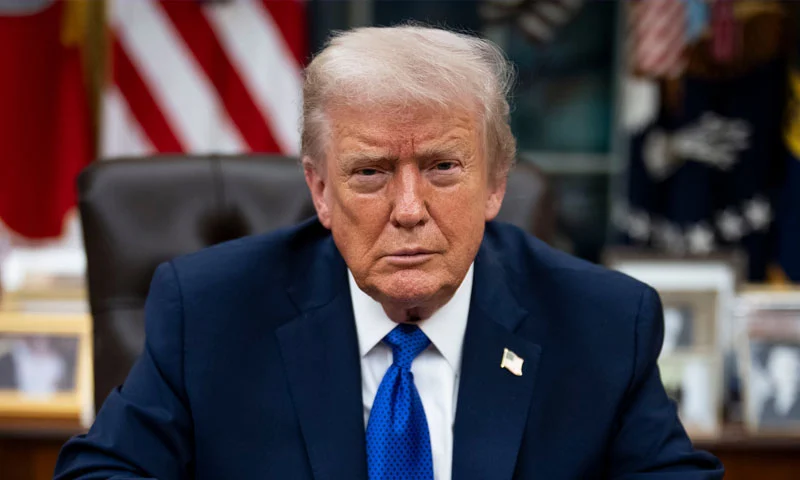
US President Donald Trump Threatens Iran’s Oil and Power Infrastructure if Talks Fail
US President Donald Trump has issued a stark warning to Iran, threatening to destroy key energy infrastructure and desalination plants if ongoing negotiations collapse, escalating tensions in an already volatile Middle East conflict. In a post on Truth Social, Trump signaled both urgency and aggression, making it clear that failure to reach a deal could trigger devastating military action. He wrote that if an agreement is not reached soon, the United States would move to strike Iran’s critical infrastructure, including power plants, oil wells, and potentially water desalination facilities. “We have, really, regime change,” Trump said, adding that leadership in Iran has already shifted significantly. He also emphasized that the US is now dealing with “different people than anybody’s dealt with before.” Direct Threat to Energy and Water Infrastructure Trump’s warning specifically highlighted energy sites as primary targets, including oil facilities and power generation plants, which are central to Iran’s economy and daily life. Reports also indicate that desalination plants, which provide critical drinking water in parts of Iran, could be targeted if talks fail. The president has repeatedly stressed that reopening the Strait of Hormuz, a key global oil shipping route, remains a top priority. He warned that failure to do so could result in the United States taking decisive action to “destroy” infrastructure tied to Iran’s energy sector. Talks Continue Amid Rising Pressure Despite the strong rhetoric, Trump suggested that negotiations are ongoing with what he described as a “new, and more reasonable” Iranian leadership. He expressed cautious optimism, stating that progress has been made, but warned that talks could be abandoned if Iran does not comply with US demands. “We’re dealing with different people now,” Trump said, indicating a shift in diplomatic engagement, while also suggesting that Iran is under pressure to reach an agreement. However, Iranian officials have denied the existence of direct talks, calling US claims misleading and accusing Washington of using diplomacy as a cover for military escalation. Escalating Conflict and Global Impact The threats come amid an ongoing war that began in February 2026, with US and Israeli strikes targeting Iranian military and nuclear sites. In response, Iran has carried out retaliatory attacks across the region, including strikes on energy infrastructure in Gulf countries. The conflict has disrupted global oil supply chains, particularly through the Strait of Hormuz, through which nearly 20 percent of the world’s oil passes. As a result, oil prices have surged, intensifying a global energy crisis. Experts warn that targeting energy and water infrastructure could have severe humanitarian consequences, as such facilities are essential for civilian life. As the situation unfolds, the world is closely watching whether diplomacy can prevail or if the conflict will escalate further. Trump’s warning has significantly raised the stakes, placing energy infrastructure at the center of the crisis and signaling that military options remain firmly on the table. Whether talks succeed or fail may determine not only the future of US-Iran relations but also the stability of global energy markets.
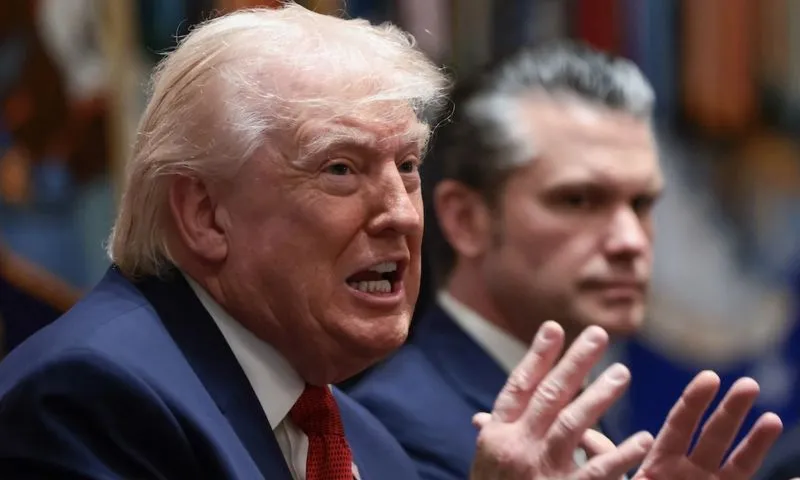
Trump Claims Progress in Iran Talks via Pakistan, Floats Kharg Island Seizure
US President Donald Trump has claimed there is progress in indirect talks with Iran, reportedly being facilitated through Pakistan, even as he floated a controversial plan to seize Iran’s most critical oil export hub, Kharg Island. Pakistan emerges as key mediator According to multiple international reports, Pakistan has stepped forward as a potential venue for dialogue between Washington and Tehran. Officials in Islamabad have expressed readiness to host talks aimed at de-escalating the ongoing conflict. Trump confirmed that both direct and indirect contacts are underway, describing Iran’s current leadership as “very reasonable” and suggesting there is room for a negotiated outcome despite ongoing hostilities. However, Iran has publicly downplayed or denied meaningful progress, even as backchannel diplomacy continues. Contradictions between diplomacy and military buildup While diplomatic efforts are being explored, the situation on the ground remains tense. The United States has deployed additional troops to the Middle East, and the Pentagon is reportedly preparing for possible limited ground operations. Iran, on the other hand, has warned that any US ground incursion would trigger a strong military response, accusing Washington of pursuing war while simultaneously calling for talks. The conflict, now stretching into weeks, has already disrupted global oil markets and intensified instability across key shipping routes like the Strait of Hormuz. Trump raises possibility of seizing Kharg Island In a dramatic escalation, Trump suggested that US forces could take control of Kharg Island, Iran’s primary oil export terminal in the Persian Gulf. He reportedly said his “preference would be to take the oil,” adding that seizing the island could be done “easily,” although he stopped short of confirming any final decision. Kharg Island is a critical economic lifeline for Iran, handling around 90 percent of the country’s crude exports, making it a strategic target in any effort to pressure Tehran. Analysts warn that any attempt to seize or attack the island would mark a major escalation and could send global oil prices soaring, potentially destabilizing already fragile markets. A high-risk path ahead Trump’s dual approach, pursuing negotiations while openly discussing aggressive military options, has created uncertainty about US strategy. On one hand, Pakistan-backed talks offer a possible diplomatic exit. On the other, threats to capture Iran’s oil infrastructure signal that Washington is prepared to escalate if talks fail. With regional tensions widening and global economic risks mounting, the coming days could prove critical in determining whether diplomacy prevails or the conflict deepens further.
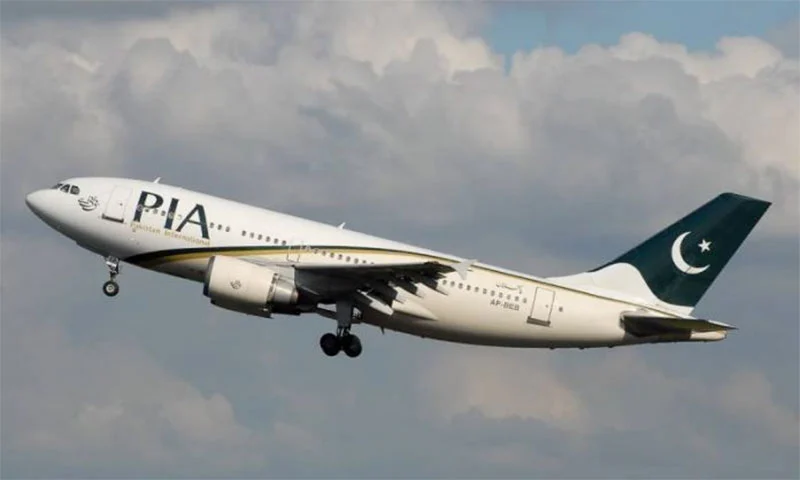
After 6 years, PIA has officially resumed its London flight operations
Pakistan International Airlines has officially resumed its direct Islamabad to London service after a six-year suspension, marking a major milestone for the country’s aviation sector and reconnecting a vital international route. The inaugural flight, PK-785, departed from Islamabad carrying 325 passengers, signaling renewed operational confidence and a step toward restoring the airline’s global footprint. Ceremonial Launch Marks Historic Return A formal yet modest ceremony was held at Islamabad International Airport before the departure of the flight. The event was attended by Defence Secretary Lieutenant General retired Muhammad Ali, British High Commissioner Jane Marriott, and senior aviation officials. A cake-cutting ceremony marked the occasion, while passengers participated in a raffle draw, with one traveler winning a 660cc car. Several other passengers also received gifts, adding a celebratory tone to the relaunch of the route. Commemorative shields were presented to distinguished guests by the airline’s leadership, highlighting the significance of restoring one of PIA’s oldest international connections. The wait is over — our historic flight from #Islamabad to #London is taking off! A new chapter unfolds, connecting two vibrant cities and bringing unforgettable journeys closer than ever. pic.twitter.com/77lIDFxeUX— PIA (@Official_PIA) March 29, 2026 Strengthening Pakistan-UK Ties Addressing the ceremony, the defence secretary emphasized the importance of the restored service, saying it would enhance connectivity between Pakistan and the United Kingdom. Officials noted that the move would benefit more than 1.6 million Pakistanis living in the UK, offering a direct travel option that reduces travel time and improves convenience. The British High Commissioner also congratulated PIA on the resumption of flights, calling it a positive step for bilateral ties and people-to-people connections. Expansion Plans and Flight Schedule PIA has announced an initial schedule of four weekly flights between Pakistan and London, including three from Islamabad and one from Lahore. Flights from Lahore are set to begin from March 30. The airline plans to gradually increase frequency based on demand and operational capacity. Before the suspension in 2020, PIA operated up to 10 weekly flights on the UK route, making it one of its most profitable international corridors. The resumption of services is expected to help the airline regain market share in a highly competitive route dominated by Middle Eastern and European carriers. A Route with Historic Significance London holds special importance for PIA as it was among the airline’s first international destinations, with a legacy spanning more than 70 years. The suspension of flights in 2020, triggered by operational and regulatory challenges alongside global travel disruptions, dealt a significant blow to the airline’s revenues and international reputation. Industry analysts say the revival of the London route signals improved regulatory compliance and operational readiness, following reforms and restructuring efforts in recent years. Outlook for the Airline The resumption is seen as a key step in PIA’s broader strategy to rebuild its international network and restore confidence among passengers. With strong demand expected from both business and diaspora travelers, the airline hopes to leverage the direct route to boost revenue and strengthen its position in global aviation markets. As PK-785 made its way to London, it marked not just the return of a flight, but a renewed attempt by Pakistan’s national carrier to reclaim its standing in international skies.
Iran Allows 20 Pakistani Ships Through Hormuz in Major Breakthrough
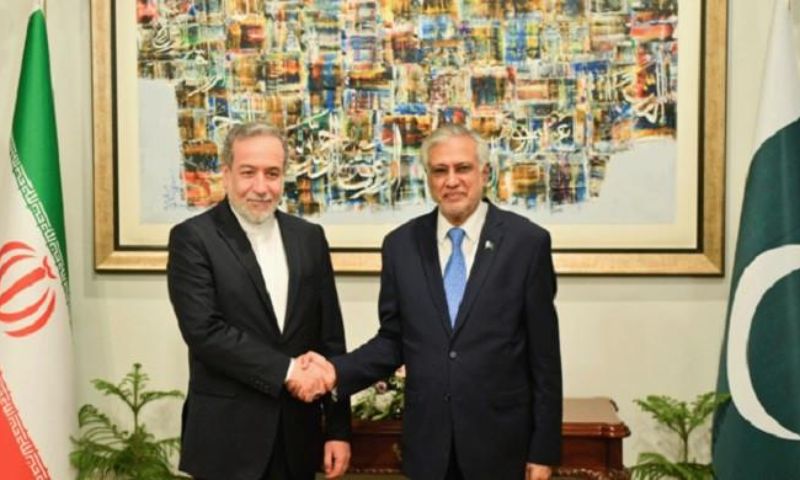
B6Pakistan has received a major boost amid ongoing regional tensions, as Iran has agreed to allow 20 additional Pakistani-flagged ships to pass through the strategically vital Strait of Hormuz, in what officials describe as a positive step toward stability. Deputy Prime Minister and Foreign Minister Ishaq Dar announced the development, saying the arrangement would allow two Pakistani ships to cross the strait daily. “I am pleased to share a great news that the Government of Iran has agreed to allow 20 more ships under the Pakistani flag to pass through the Strait of Hormuz; two ships will cross the Strait daily,” Dar said in a post on X. A ‘Constructive Gesture’ Amid Tensions Dar described Tehran’s move as a significant diplomatic breakthrough at a time when the Strait of Hormuz has become a major flashpoint due to escalating conflict in the region. “This is a welcome and constructive gesture by Iran and deserves appreciation. It is a harbinger of peace and will help usher stability in the region,” he said. He added, “This positive announcement marks a meaningful step toward peace and will strengthen our collective efforts in that direction.” Emphasising the importance of diplomacy, Dar said, “Dialogue, diplomacy, and such confidence-building measures are the only way forward.” Read More: After 5-Day Pause, US President Donald Trump Extends Iran Attack Halt by 10 More Days Strategic Importance of the Strait of Hormuz The Strait of Hormuz is one of the world’s most critical maritime chokepoints, handling nearly 20 percent of global oil trade. The ongoing conflict between Iran, the United States, and Israel has significantly disrupted shipping through the strait, with attacks on vessels and warnings from Iranian forces leading to a sharp drop in maritime traffic. At one point, tanker traffic fell drastically, and hundreds of ships were left stranded or delayed due to safety concerns and rising insurance costs. Relief for Pakistan’s Energy and Trade Routes Pakistan relies heavily on maritime routes through the Gulf for energy imports, with nearly 90 percent of its oil supplies transported via these waters. The disruption had raised fears of fuel shortages and economic pressure, prompting Islamabad to take emergency measures and launch a naval operation to secure shipping routes. The latest agreement with Iran is expected to ease some of these concerns, allowing Pakistani vessels to resume operations under controlled conditions. Read More: PM Shehbaz Sharif offers to host US-Iran talks, Donald Trump re-shares proposal Part of Broader Regional Dynamics The development comes as Iran has selectively allowed ships from friendly or neutral countries to pass through the strait while restricting others amid the conflict. Pakistan has also positioned itself as a diplomatic intermediary in the crisis, engaging with regional and global stakeholders to promote dialogue and de-escalation. Read More: PM Shehbaz Sharif offers to host US-Iran talks, Donald Trump re-shares proposal Analysts say the move signals a cautious easing of tensions and could pave the way for further confidence-building measures in the region.
Pakistan Secures $1.2 Billion IMF Boost After Key Agreement
Pakistan and the International Monetary Fund have reached a staff-level agreement that will unlock about $1.2 billion in fresh funding, subject to approval by the IMF Executive Board. The agreement comes under Pakistan’s ongoing $7 billion loan programme, providing critical financial support as the country continues efforts to stabilise its economy. According to the IMF, Pakistan will gain access to around $1 billion under the Extended Fund Facility and about $210 million under the Resilience and Sustainability Facility. This will bring total disbursements under the programme to approximately $4.5 billion. IMF Praises Economic Stability and Reforms The IMF noted that Pakistan’s economic programme remains broadly on track and aligned with key reform objectives. It highlighted improvements in inflation control, external account balance and strengthening foreign exchange reserves. In its statement, the IMF said that ongoing policies have helped rebuild market confidence and support economic recovery. Economic activity has shown signs of momentum, particularly in the first half of the current fiscal year. Focus on Fiscal Discipline and Structural Reforms The agreement also emphasises the need for continued fiscal discipline and structural reforms. Pakistan has committed to strengthening public finances, improving the energy sector and expanding social protection programmes. Authorities are also working to deepen reforms aimed at long-term growth and economic resilience. The IMF stressed the importance of maintaining a tight and data-driven monetary policy to keep inflation under control. Climate Financing and Reform Agenda A key component of the agreement includes support under the Resilience and Sustainability Facility, which focuses on climate-related reforms. The IMF noted that Pakistan’s climate reform agenda is progressing and aims to reduce vulnerabilities linked to environmental risks. These reforms are seen as essential for long-term economic sustainability. Risks Remain Amid Global Uncertainty Despite progress, the IMF warned that external risks remain significant. The ongoing Middle East conflict has created uncertainty, with rising global energy prices posing a threat to inflation and economic stability. Pakistan’s import-dependent economy remains vulnerable to such global shocks. A Critical Step Forward The staff-level agreement marks a key milestone in Pakistan’s engagement with the IMF. Once approved by the IMF Board, the tranche will provide much-needed financial relief and strengthen investor confidence. However, continued reform efforts and prudent economic management will remain essential for sustaining stability.
