

Technology in 2026 feels less futuristic and more personal. Instead of flashy promises, this year focuses on practical impact. Artificial intelligence, faster connectivity, and smarter devices now shape daily life. AI stands at the center of this shift. Businesses increasingly use AI to improve efficiency, not replace humans. Customer service, healthcare diagnostics, and content creation benefit most. In 2026, regulators push for ethical use, transparency, and accountability. The conversation has moved from “can we” to “how should we.” Connectivity also improves steadily. While full 6G remains years away, telecom providers expand fiber networks and enhance 5G performance. Faster speeds support remote work, online education, and digital health services. For developing countries, better connectivity reduces economic gaps rather than widening them. Smart living grows quietly. Homes, cars, and cities rely more on automation. Energy-efficient systems, smart meters, and connected transport aim to reduce costs and emissions. In 2026, technology focuses less on luxury and more on utility. Cybersecurity becomes a shared responsibility. As digital dependence increases, so do risks. Governments and companies invest more in protection, while users learn basic digital hygiene. Experts warn that awareness matters as much as software. Tech companies also face pressure to rebuild trust. Consumers demand privacy, fairness, and reliability. Transparency now influences brand loyalty as much as innovation. Overall, 2026 marks a turning point. Technology stops feeling experimental and starts feeling essential. The winners will be those who make tech useful, safe, and inclusive.

Pakistan–Bangladesh Relations Warm as Dhaka–Karachi Flights Get Green Light
Pakistan has approved flight operations for Biman Bangladesh Airlines, allowing the Bangladeshi national carrier to operate between Dhaka and Karachi, the Pakistan Civil Aviation Authority confirmed on Friday. The move signals a further thaw in relations between Pakistan and Bangladesh after decades of limited engagement. According to a PCAA spokesperson, Biman has been granted initial approval to operate flights on the Dhaka–Karachi route for a three-month period, valid until March 26. The official said the permission could be extended subject to operational performance and regulatory compliance. The decision marks an important step toward restoring direct air connectivity between the two countries, which were once part of a single state before separating in 1971 following a violent civil war that led to the creation of Bangladesh. Bilateral relations have shown signs of improvement since the removal of former Bangladeshi prime minister Sheikh Hasina in August 2024, following a student-led uprising. Hasina was widely seen as politically aligned with India and openly critical of Pakistan, and her exit reshaped Dhaka’s foreign policy posture. In recent months, Islamabad has actively sought to rebuild ties with Dhaka. The two countries launched direct sea trade in late 2024 and have since explored broader government-to-government cooperation, particularly in trade, logistics, and transport. Last November, Pakistan International Airlines, which has since been privatized, announced a cargo partnership with Biman aimed at improving air freight connectivity and supporting bilateral trade. PIA officials said the agreement was part of a wider strategy to grow its cargo operations and enhance service competitiveness. Trade relations have also gained momentum at sea. In February 2025, a cargo vessel sailed directly from Pakistan to Bangladesh for the first time in decades, unloading containers successfully, according to port authorities. Diplomatic engagement has expanded alongside trade. In August last year, the two sides signed six agreements covering visa exemptions for diplomatic and official passport holders, trade cooperation, media collaboration, and cultural exchanges. Separately, Pakistan has approved flight operations for Britain’s Norse Atlantic Airways, enabling the airline to operate direct services from London, Manchester, and Birmingham to Islamabad. Commenting on the development, Defense Minister Khawaja Asif said increased access for international airlines would help foster competition in Pakistan’s aviation sector, leading to improved service standards and more balanced airfares.
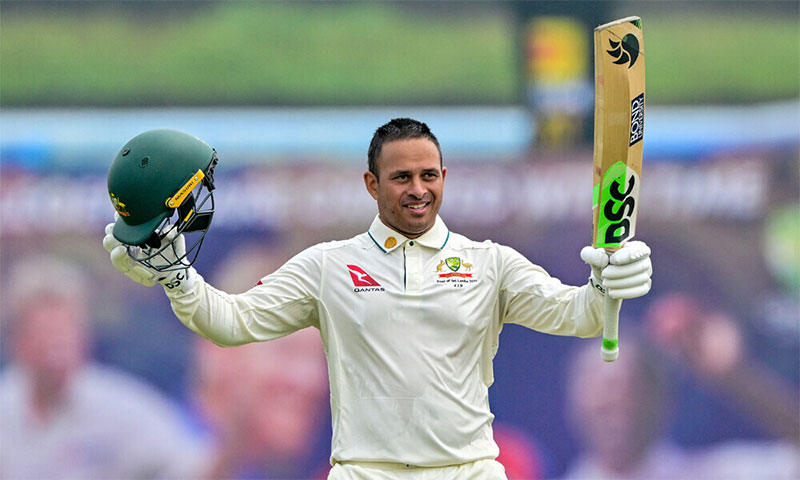
From SCG Debut to SCG Farewell: Usman Khawaja Announces Test Retirement
Usman Khawaja has confirmed he will retire from international cricket at the conclusion of the final Test of the Ashes series in Sydney, bringing an end to a remarkable and often hard-fought Test career. The 39-year-old left-hander will play his final international match at the Sydney Cricket Ground, finishing with 87 Test appearances, 6,206 runs and 16 centuries to his name. Speaking to reporters with his family present, Khawaja said the decision had been weighing on him throughout the series. He admitted he entered the Ashes with a strong sense that this would likely be his farewell tour, even though he kept the option of continuing open until recently. Khawaja said discussions with his wife Rachel helped him reach clarity, while Australia head coach Andrew McDonald had continued to back him, even considering plans for future tours. Ultimately, however, he felt the time was right to step aside, especially after a difficult start to the series and being left out of the Adelaide Test initially. Reflecting on the criticism he faced over the past two years, Khawaja pushed back against suggestions that he had overstayed his welcome. He revealed that he had openly told team management he would retire immediately if they felt it was best for the team, but was repeatedly encouraged to continue due to his value in major assignments, including the World Test Championship and overseas tours. Although his international career will conclude in Sydney, Khawaja is not stepping away from cricket entirely. He confirmed he will continue playing domestic cricket, featuring in the Big Bash League for Brisbane Heat and aiming to represent Queensland in the Sheffield Shield later this summer. The SCG holds deep significance for Khawaja. It was the venue of his Test debut against England in 2011 and later the ground where his career was revived more than a decade later with twin centuries during the 2021–22 Ashes after a surprise recall. Khawaja’s journey has been defined by resilience. After early struggles to secure a permanent spot, he reinvented himself multiple times, overcoming repeated omissions, particularly on the subcontinent. His career-defining phase came after a recall in Sydney, from which he went on to average over 60 across nearly two years, play a key role in Australia’s return to Pakistan, and dominate bowling attacks in England and India. Cricket Australia praised his impact both on and off the field, highlighting not only his elegant batting but also his leadership and contributions beyond the game. As Australia prepares for life after Khawaja, questions remain over the future of the opening combination, but his departure marks the end of one of the most inspiring late-career resurgences in modern Australian cricket.
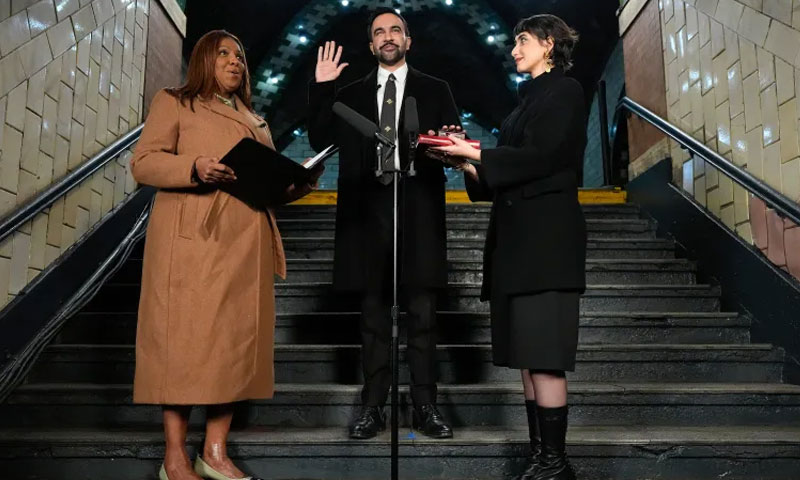
Zohran Mamdani Makes History as New York City’s First Muslim Mayor, Takes Oath on the Quran
Zohran Mamdani has officially assumed office as the mayor of New York City, marking a historic moment as the city’s first Muslim mayor and the youngest to lead the metropolis in generations. The 34-year-old Democrat was sworn in just after midnight on Thursday at a rare and symbolic location — the long-decommissioned City Hall subway station in Manhattan. During the ceremony, Mamdani placed his hand on the Quran while taking the oath, underscoring the city’s deep-rooted diversity and multicultural character. Calling the moment “the honour and privilege of a lifetime,” Mamdani said the responsibility of leading the United States’ largest city was both humbling and deeply personal. The oath was administered by New York Attorney General Letitia James, a close political ally, inside the historic station known for its ornate arches and architectural beauty. Zohran Mamdani becomes the mayor of New York City after taking the oath of office at an historic, decommissioned subway station in Manhattan. Mamdani was sworn in as the first Muslim leader of America’s biggest city, placing his hand on a Quran as he took his oath. pic.twitter.com/D6qyebCa6L — The Associated Press (@AP) January 1, 2026 Later in the day, Mamdani is scheduled to be sworn in again at a public ceremony at City Hall. The oath will be administered by US Senator Bernie Sanders, a longtime inspiration for the new mayor. The event will be followed by a public celebration on Broadway’s famed “Canyon of Heroes,” a site traditionally reserved for iconic ticker-tape parades. Beyond becoming the city’s first Muslim mayor, Mamdani is also the first mayor of South Asian descent, the first born in Africa, and one of the most closely watched progressive politicians in the country. Born in Kampala, Uganda, Mamdani moved to New York City at the age of seven. Growing up in a post-9/11 America, he has spoken openly about the challenges faced by Muslim communities during that period. He became a US citizen in 2018. Mamdani rose to prominence on a campaign centred on affordability in one of the world’s most expensive cities. His platform includes proposals for free child care, fare-free buses, a rent freeze affecting nearly one million households, and a pilot programme for city-run grocery stores. As he takes office, Mamdani inherits one of the most demanding roles in American politics — balancing bold reform promises with the daily realities of governing a city of more than eight million people, from public transport and housing to sanitation, infrastructure, and public safety.

PSX Starts 2026 on a High as KSE-100 Jumps Over 700 Points in Early Trade
The Pakistan Stock Exchange began the new year on a firm footing as bullish sentiment lifted equities in early Thursday trading, pushing the benchmark KSE-100 Index sharply higher within minutes of the opening bell. By 9:35am, the index had climbed to 174,755.54 points, up 701.22 points, representing a 0.40% increase from the previous close. The early rally reflected renewed investor confidence after profit-taking weighed on the market in the final session of last year. Gains were broad-based, with strong buying interest seen in commercial banks, oil and gas exploration firms, and oil marketing companies (OMCs). Heavyweight stocks such as OGDC, Pakistan Oilfields, PPL, PSO, MCB Bank, and UBL all traded in positive territory, providing significant support to the index. Despite the upbeat market start, concerns lingered on the fiscal front. Provisional data showed that the Federal Board of Revenue (FBR) collected Rs6,154 billion during the first half of the current fiscal year (July–December 2025–26), falling short of the Rs6,490 billion target by Rs336 billion. The revenue gap, particularly weak December collections, could compel the government to implement contingency measures under its agreement with the International Monetary Fund. The strong opening followed a subdued close on Wednesday, when the PSX ended the year lower amid profit-booking. The KSE-100 Index had shed 418.45 points to close at 174,054.32 in the final trading session of 2025. Global cues remained mixed. US equities ended lower overnight, with Wall Street benchmarks easing on the last trading day of the year amid thin volumes. Investors locked in profits after a volatile 12 months marked by geopolitical tensions, fluctuating tariff risks, currency weakness, and intense enthusiasm around artificial intelligence stocks. While US markets posted solid annual and quarterly gains, modest declines were recorded in the S&P 500 and Nasdaq for the month, underscoring a cautious finish to an otherwise resilient year for global equities.
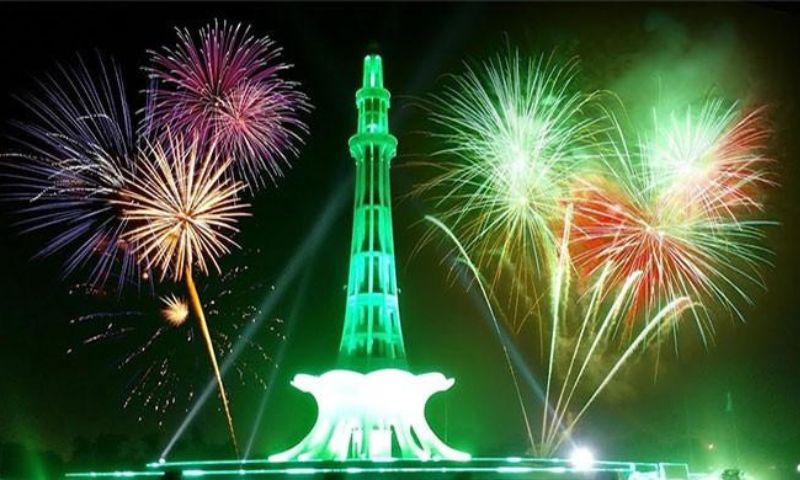
Pakistan Welcomes 2026: Festivities, Fireworks and Tight Security Across Cities
Pakistan welcomed 2026 with colourful celebrations, fireworks and renewed optimism as midnight brought cheers to cities and towns across the country. Residents marked the transition from 2025 with lively gatherings, city displays and a festive atmosphere that blended tradition with modern revelry. Across major urban centres, families and friends gathered to celebrate the start of the year with excitement and hope. In Karachi, the festive spirit was visible well into the night as crowds gathered at popular spots and open areas to watch fireworks brighten the skies. Authorities deployed thousands of police personnel ahead of the celebrations to ensure safety and prevent dangerous practices like aerial firing — a move aimed at keeping revelry joyful but secure. The capital Islamabad hosted vibrant New Year events at Park View City and lakeside venues, where families enjoyed musical performances and colourful light displays before the midnight countdown. Fireworks added to the festive mood, and celebrants exchanged warm wishes as the clock struck twelve. اسلام آباد میں نئے سال کے آغاز پر آتشبازی pic.twitter.com/HdjlvTJyqS — Tayyab Khan (@TayyabKhanARY) December 31, 2025 In other parts of the country, traditions of celebration varied but shared the same enthusiasm. In Quetta, private events featured music, fireworks and cake-cutting ceremonies, bringing together community members in a joyful setting. Multan saw crowds of youth fill streets with energy and optimism for the year ahead, while police checkpoints helped manage the flow of traffic and maintain order. Cities that traditionally organise fireworks were especially lively, with many residents heading to well-known viewing spots. In Karachi, rooftop cafés and seaside restaurants became favourite pick-ups for spectators keen to enjoy the night sky’s spectacle. The celebrations took place amid a backdrop of public excitement about the official New Year’s Day public holiday — announced by the government to give people time with family and friends. The nationwide holiday also allows citizens to reflect on personal goals and hopes for 2026, including development, peace and prosperity. Pakistan’s festivities mirrored global celebrations, as cities around the world from Auckland to Sydney welcomed the year with fireworks and gatherings. While international celebrations included symbolic moments and concerts, Pakistan’s own events emphasised community joy and shared optimism for the future. As dawn broke on January 1, 2026, Pakistan emerged into the new year with vibrant energy and collective readiness to face the opportunities and challenges ahead, blending local traditions with the universal excitement that comes with new beginnings.
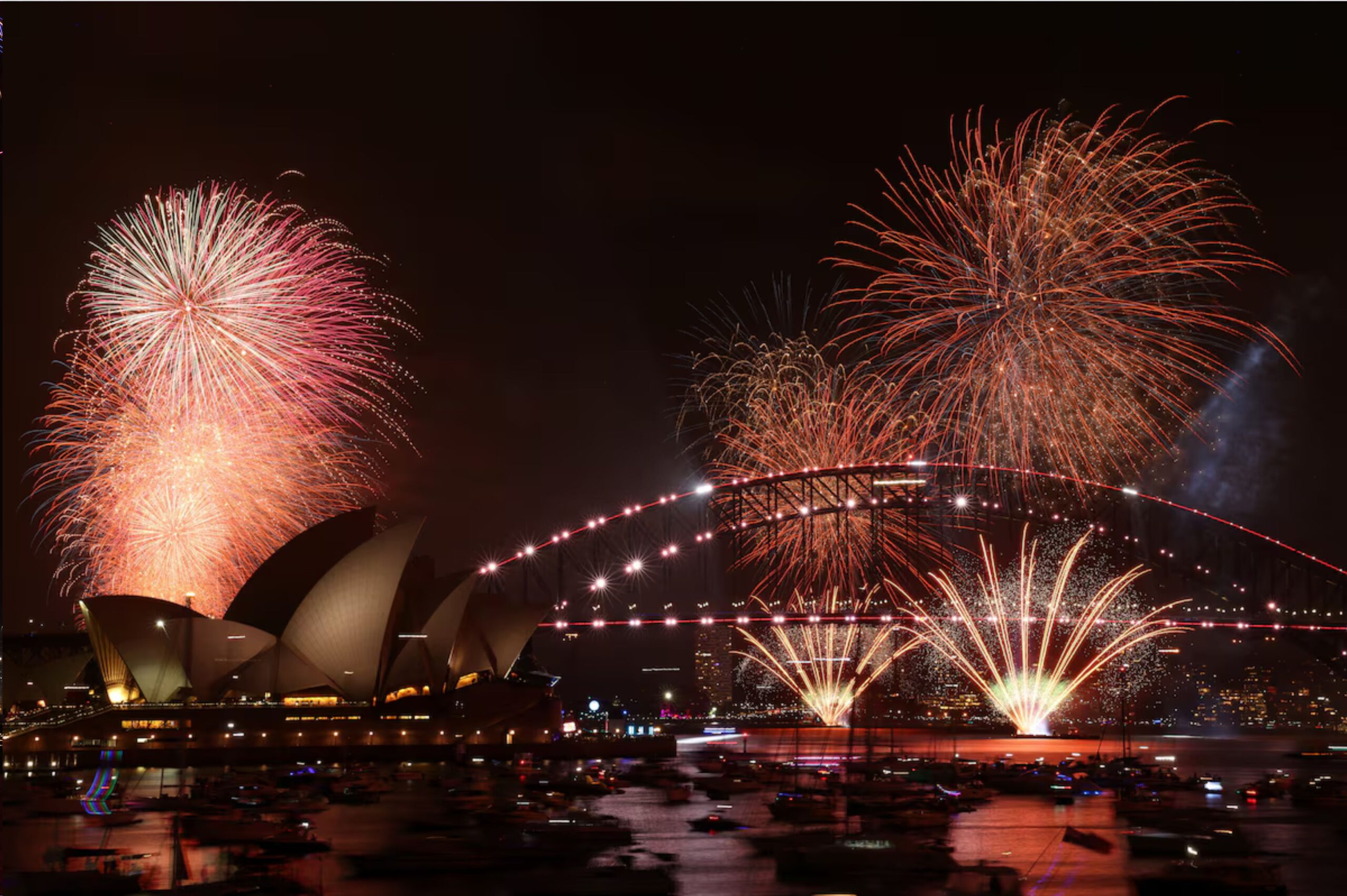
Sydney Lights Up 2026 With Fireworks and Tribute to Bondi Victims
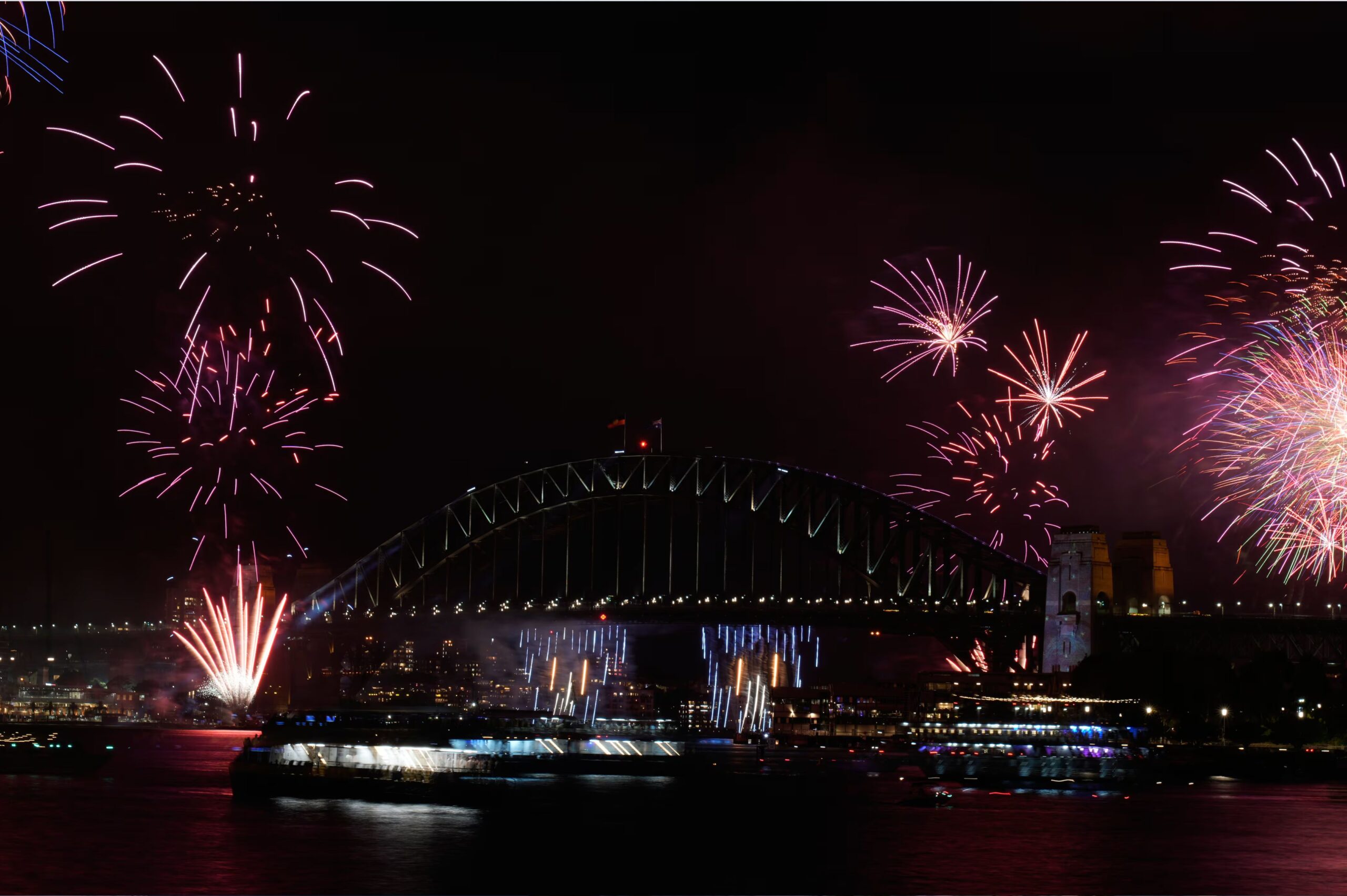
Sydney kicked off New Year’s Eve 2026 with a spectacular celebration that blended glittering fireworks, heartfelt tributes and international solidarity, while neighbouring Pacific nations like Fiji voiced support and condolences after Australia’s recent tragedy. As the clock struck midnight at Sydney Harbour, the world watched a city filled with sparkle and meaning usher in 2026 with both joy and reflection. Hundreds of thousands of revellers lined Circular Quay, Barangaroo and ferry wharves on December 31, bundled against cool evening winds and soaking in the city’s iconic fireworks display over the Sydney Harbour Bridge and Opera House. Sydney traditionally ranks among the first major global cities to celebrate the New Year after Kiribati and New Zealand mark midnight earlier in the Pacific. Yet this year’s festivities carried a deeper emotional weight. Earlier in December, a deadly antisemitic terror attack at a Hanukkah celebration on Bondi Beach claimed 15 lives and left dozens injured, marking Australia’s worst mass shooting in decades. To honor the victims, Sydney officials incorporated a poignant tribute into the celebration. At 11 p.m., there was a minute of silence across the harbour precinct. The Sydney Harbour Bridge was bathed in white light and adorned with the image of a Jewish menorah, symbolizing remembrance and unity. This gesture came after prominent Jewish cultural figures urged the city to reflect the true nature of the tragedy rather than using generic symbols alone. Across the Pacific, Fiji’s Prime Minister Sitiveni Rabuka publicly condemned the Bondi Beach attack, offering condolences to the families and expresssing solidarity with both Australian and Jewish communities. Rabuka emphasized that Fiji stands with its Pacific neighbours against terrorism and hatred, and extended hopes for justice and healing. Despite somber undertones, Sydney’s midnight fireworks was a 12-minute cascade of colours over the harbour which reminded locals and viewers worldwide of resilience and hope. For many, the celebrations offered a sense of closure to a challenging year and an optimistic start to 2026, suggesting a city and region determined to embrace life, community, and peace together.
Auckland Lights Up First Fireworks of 2026 From Sky Tower
As the clock struck midnight on January 1, 2026, Auckland, New Zealand became the first major city in the world to welcome the new year, lighting up the sky with a spectacular fireworks display from the iconic Sky Tower even as rain threatened the celebrations. Thousands of locals and visitors gathered around the central city, braving dreary weather as the countdown ended and more than 3,500 fireworks erupted from multiple levels of the 240-metre structure, marking five minutes of colour, light, and sound high above the harbour. The annual New Year’s Eve tradition in Auckland remains a highlight of global celebrations thanks to the city’s position near the start of the world’s time zones. Auckland’s midnight arrives about 18 hours before New York’s Times Square ball drop, which means the city regularly leads the planet into a new year. This year’s display featured a blend of lasers, dynamic projections and bursts that soared up to 320 metres above the tower, creating a breathtaking scene against a cloudy sky. #Auckland welcomes in the #newyear with a #fireworks display over its #tallestbuilding – the #SkyTower#HappyNewYear pic.twitter.com/L0CsVkEQe6 — Kaff Digital (@KaffDigital) December 31, 2025 >Ahead of midnight, organisers transformed the tower with public-submitted photos of personal milestones from 2025, making the celebration feel both communal and emotional. Auckland’s Harbour Bridge also joined in, lighting up with its own dynamic light and sound show before supporters spilled into nearby streets and waterfront areas as roads closed to vehicles for the festivities. Despite the poor weather forecast and a severe thunderstorm warning earlier in the day, the fireworks went ahead after organisers confirmed that wind speeds and conditions remained within safety limits. This determination ensured that half a tonne of pyrotechnics could light up the night, demonstrating months of planning and technical preparation. Elsewhere in New Zealand, celebrations took on a variety of forms. In Christchurch, families enjoyed earlier mock countdowns and confetti cannons in parks, while Wellington’s Courtenay Place hosted live music, street food and entertainment ahead of midnight. Some smaller community events were cancelled due to weather, but the spirit of celebration remained strong across the country. Auckland’s New Year fireworks from the Sky Tower have become a symbol of fresh beginnings, community pride, and the first global cheer for 2026, continuing a tradition that draws attention from millions of viewers around the world each year.
Pakistan and India Leaders Share Rare Handshake at Khaleda Zia’s Funeral in Dhaka
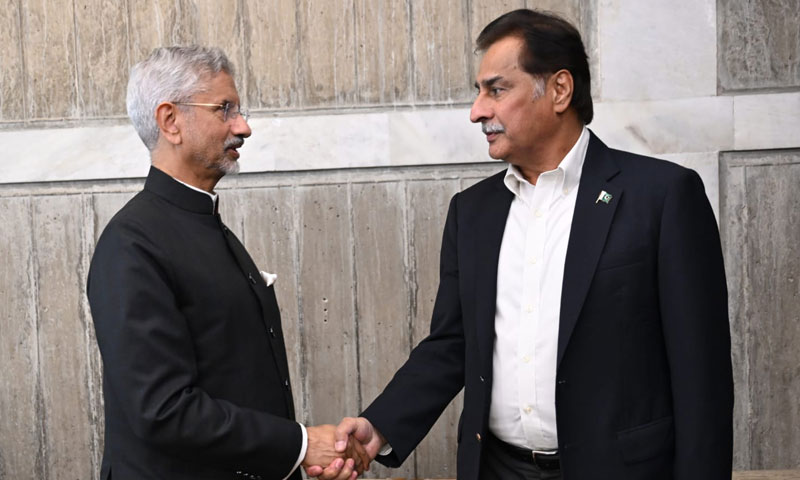
Pakistan’s National Assembly Speaker Sardar Ayaz Sadiq and India’s External Affairs Minister Subrahmanyam Jaishankar shared a brief yet significant diplomatic moment in Dhaka on December 31, 2025, while paying their respects at the funeral of Bangladesh’s former prime minister Begum Khaleda Zia. Their warm greeting and handshake on the sidelines of the state funeral offered a rare positive note in a period marked by regional tensions and shifting alliances in South Asia. Zia, a towering political figure and the first woman to lead Bangladesh, died at the age of 80 after a prolonged illness, prompting three days of national mourning and a state funeral beside her husband, former President Ziaur Rahman. Thousands gathered in Dhaka’s Manik Mia Avenue and outside the national parliament to pay their final respects. Dignitaries from more than 30 countries, including high-level representatives from India, Pakistan, Sri Lanka, Nepal, Bhutan, and the Maldives, attended the ceremonies under heavy security. Sadiq travelled to Dhaka to represent Pakistan with condolences from the government and people of Pakistan. He extended sympathy to Zia’s family particularly her son, Tarique Rahman, who now leads the Bangladesh Nationalist Party (BNP) and conveyed messages of support from Pakistani leadership. Jaishankar arrived separately to deliver a personal condolence letter from Indian Prime Minister Narendra Modi to Tarique Rahman, underscoring New Delhi’s respect for Zia’s role in Bangladesh’s political history and the importance of India–Bangladesh ties. His gesture highlighted the event’s diplomatic weight, as leaders of neighboring countries came together in a shared moment of grief. The handshake between the Indian and Pakistani officials drew attention because it marked one of the first public exchanges between top representatives of the two countries since clashes earlier in the year had heightened tensions. Several analysts noted that while the meeting was largely symbolic, it carried deep meaning for South Asian diplomacy, suggesting that respect and common human moments can still bridge divides even when formal relations are strained. Zia’s legacy itself was complex: she led Bangladesh through multiple terms and navigated fierce political rivalries, but also represented democratic struggle and resilience. Her state funeral not only honored her life but also became a rare gathering point for diplomatic engagement among nations whose relations are often tested by history and contemporary conflicts.

Air China Orders 60 Airbus A320neo Jets in $9.5 Billion Deal
China’s national carrier Air China has finalized an agreement with European aircraft manufacturer Airbus to purchase 60 A320neo aircraft, in a deal valued at around $9.5 billion based on list prices. The agreement, signed by Air China and one of its subsidiaries, adds momentum to a wave of aircraft orders announced this week by Chinese airlines, including low-cost carrier Spring Airlines and full-service operator Juneyao Airlines, highlighting renewed expansion in the world’s second-largest aviation market. According to a filing submitted to the Shanghai Stock Exchange, the aircraft will be delivered in phases between 2028 and 2032, allowing the airline to gradually expand and modernize its narrow-body fleet. Airbus welcomed the decision, saying it was “very pleased” that Air China had chosen to add more aircraft from the A320 family, one of the manufacturer’s most popular and fuel-efficient models. Aviation analyst Li Hanming said the order falls under a broader 2022 framework agreement between Airbus and China Aviation Supplies Holding Company (CASC). That deal covered 132 A320-family jets and eight A350 widebody aircraft, with a combined value of approximately $17 billion. “Large framework agreements are typically followed by individual contracts over time,” Li noted, explaining the delay between the initial deal and the latest purchase. The latest order further strengthens Airbus’s position in China at a time when prolonged political tensions between Beijing and Washington have limited opportunities for its U.S. rival Boeing to secure new aircraft orders in the Chinese market.
