
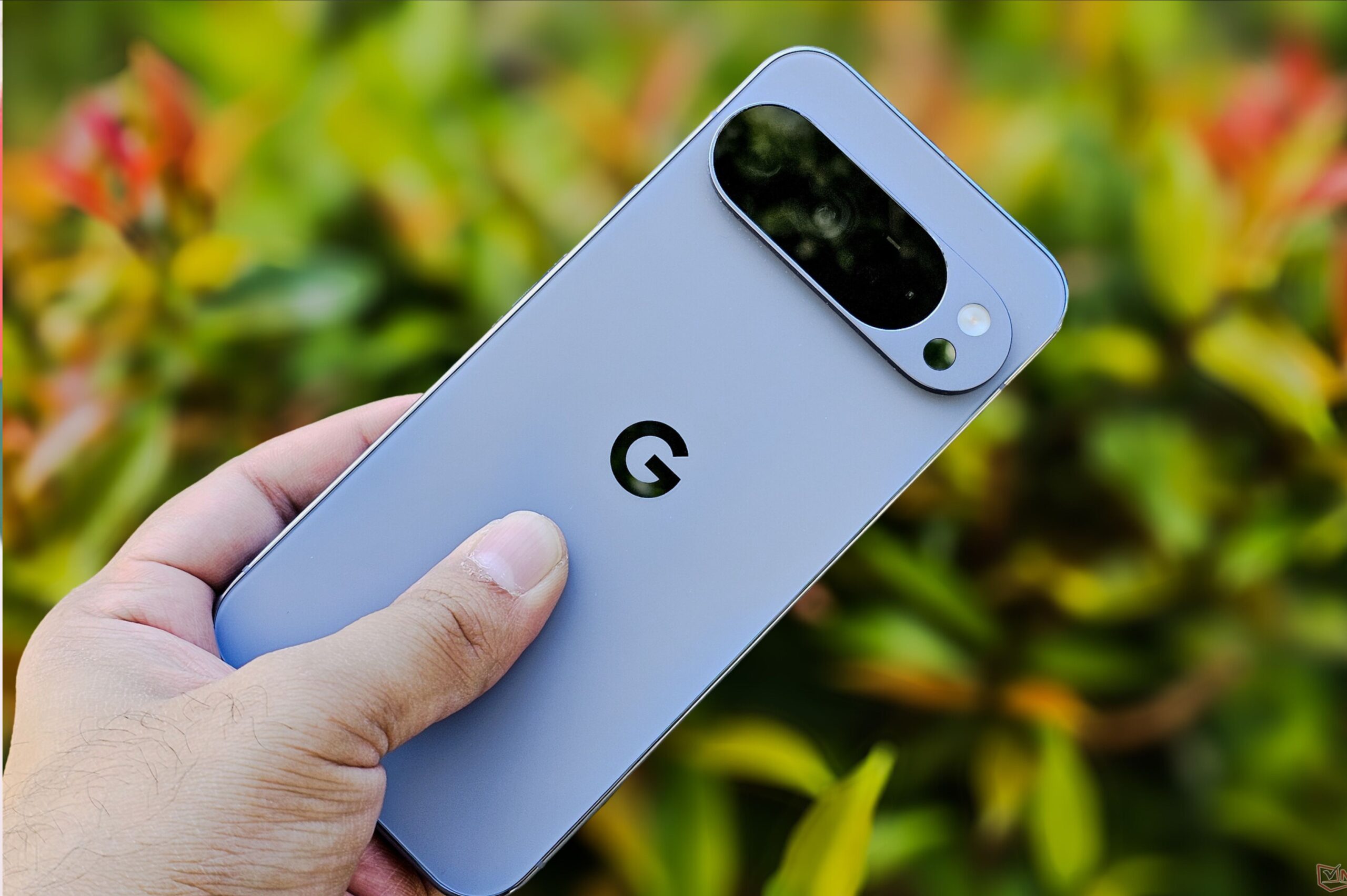
Google has rushed out an urgent software update for more than a million Pixel smartphones, triggering widespread attention among users and security experts alike. The unexpected patch, which began rolling out rapidly across supported Pixel models, signals a rare emergency response from Google outside its normal monthly update cycle, highlighting the seriousness of the issue it aims to fix. The update affects several recent Pixel devices and was delivered quietly, without a detailed public changelog at first. Many users noticed the patch only after receiving a sudden system notification, prompting speculation across tech forums and social media. Cybersecurity analysts say the speed of the rollout suggests the update addresses a high-risk vulnerability that could potentially allow attackers to compromise devices remotely if left unpatched. This emergency release comes on the heels of Google’s already extensive December Android security update, which tackled dozens of vulnerabilities across the platform. The surprise nature of the new patch indicates that additional flaws were either discovered late or escalated in severity, forcing Google to act fast. While Google has not publicly confirmed whether the issue was actively exploited, experts stress that such rapid responses are usually reserved for threats considered critical. Pixel users had already been reporting a mix of software stability problems in recent weeks, including camera glitches, app crashes, and inconsistent performance following beta updates. While it remains unclear whether those bugs are directly connected to the emergency patch, many users say their devices feel more stable after installing the update. Online discussion boards are now filled with advice urging Pixel owners not to delay installation. Security professionals are once again reminding smartphone users that software updates are not just about new features, but about protecting sensitive data. Phones today store everything from banking credentials to personal conversations, making them attractive targets for hackers. Delaying updates, even briefly, can expose users to risks that evolve faster than most people realize. Google’s handling of this situation also reflects a broader trend in the tech industry, where companies are increasingly forced to respond in real time to emerging threats rather than relying solely on scheduled updates. As mobile operating systems grow more complex, surprise patches may become more common — especially when user safety is on the line. For Pixel owners, the message is simple: install the update as soon as it appears. While emergency patches can be inconvenient, they are often the strongest line of defense against unseen digital threats.
Thousands of Flights Cancelled as Powerful Winter Storm Hits America
A powerful post-Christmas winter storm system has disrupted travel across large parts of the United States, grounding flights, snarling highways, and prompting weather warnings as millions of Americans attempted to return home after the holidays. The storm, fueled by a rapidly intensifying weather pattern often described as a “bomb cyclone,” brought a dangerous mix of heavy snow, ice, strong winds, and plunging temperatures, particularly across the Midwest, Great Lakes, Northeast, and parts of the East Coast. Air travel has been among the hardest hit. More than 1,500 flights were cancelled in a single day, with thousands more delayed as major airports struggled with snow-covered runways, poor visibility, and staffing disruptions. Airlines warned passengers to expect ongoing delays as crews worked to reposition aircraft and manage the ripple effects of earlier cancellations. Social media was flooded with frustrated travelers sharing images of packed terminals, long security lines, and overnight airport stays, while others posted videos of snow-lashed planes and whiteout conditions. On the ground, travel conditions were equally treacherous. Several states issued advisories urging drivers to stay off roads unless absolutely necessary. Parts of the Great Lakes region and Northeast experienced heavy snowfall totals, while areas farther south faced freezing rain and ice accumulation that made roads slick and power outages more likely. Emergency responders reported an uptick in weather-related accidents, and officials warned that icy bridges and sudden drops in visibility posed serious risks. Meteorologists explained that the storm’s intensity was driven by a sharp clash between Arctic air and warmer Atlantic moisture, causing the system to strengthen rapidly. Forecasters cautioned that even as the main storm moves eastward, lingering lake-effect snow and strong winds could continue to affect travel into the coming days. Some coastal areas also faced flooding concerns as storm surge and heavy rain combined with high tides. The timing of the storm amplified its impact. Post-holiday travel typically sees one of the busiest periods of the year, and many families found themselves forced to delay returns to work or school. Airlines encouraged passengers to rebook early, while authorities urged people to monitor forecasts closely and prepare for rapidly changing conditions. Despite the disruptions, weather agencies stressed that preparation remains key. Keeping emergency kits in vehicles, allowing extra travel time, and heeding local advisories can significantly reduce risk. As winter settles in, officials warned that this storm may be a sign of a volatile season ahead, with more extreme weather events likely in the weeks to come.
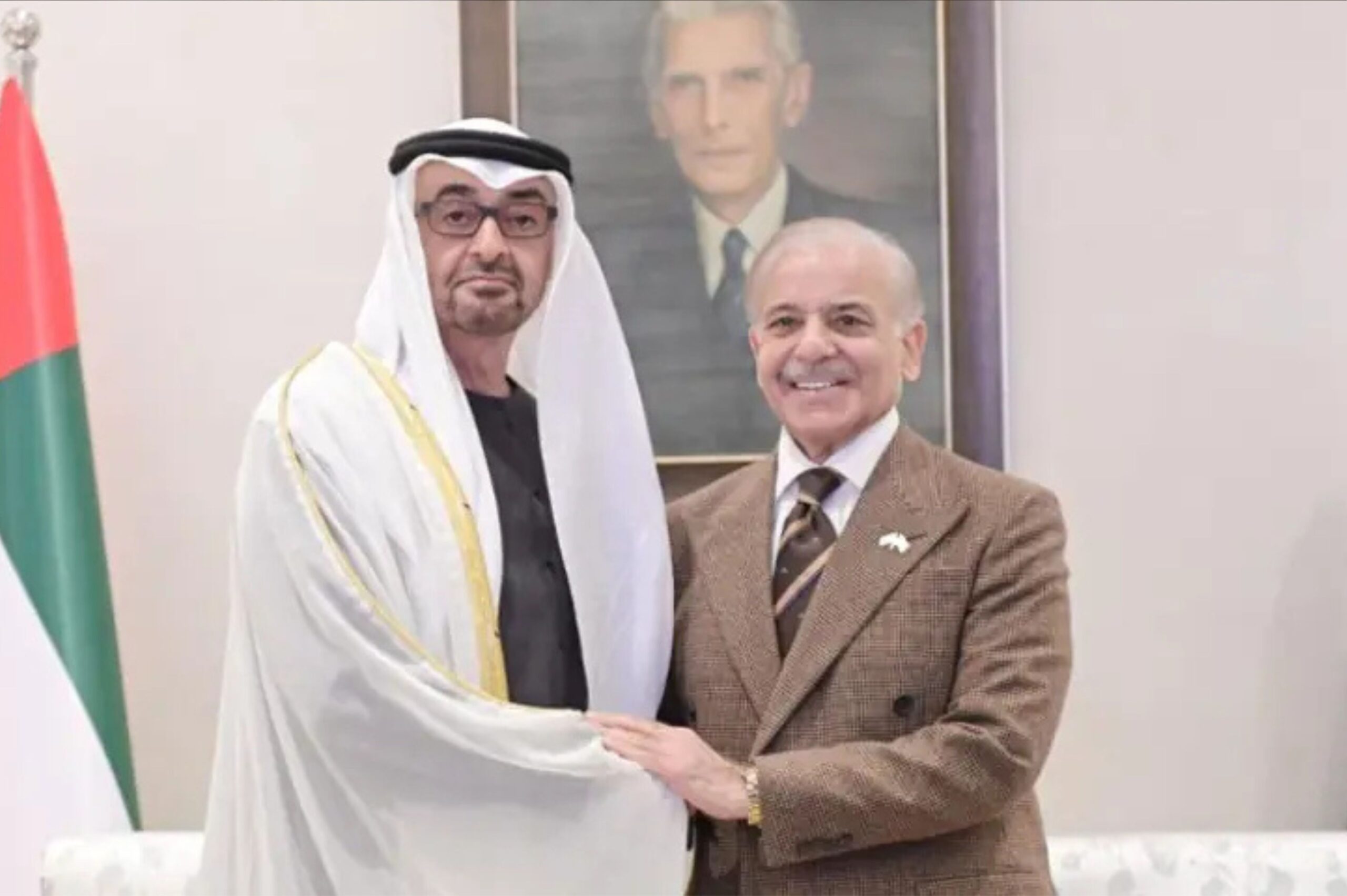
UAE President Sheikh Mohamed Makes First Official Visit to Pakistan
The United Arab Emirates President Sheikh Mohamed bin Zayed Al Nahyan arrived in Pakistan on his first official visit this week, marking a significant moment in the deepening relationship between Islamabad and Abu Dhabi. The visit is being widely seen as a signal of renewed strategic engagement at a time when Pakistan is seeking stronger economic partnerships and the UAE is expanding its regional cooperation footprint. President Sheikh Mohamed was warmly received in Islamabad, where he held extensive talks with Pakistan’s civilian and military leadership. The discussions focused on expanding cooperation across investment, energy, trade, defence, food security, climate resilience, and people-to-people ties, reflecting the broad scope of the bilateral relationship. Both sides described the talks as substantive and forward-looking, with an emphasis on translating long-standing goodwill into tangible economic outcomes. Pakistan and the UAE share decades-old ties rooted in mutual trust, a large Pakistani diaspora in the Gulf state, and close collaboration on regional stability. During the meetings, Pakistani officials underscored the importance of UAE investments in key sectors such as infrastructure, ports, renewable energy, and aviation, while also highlighting new opportunities emerging from Pakistan’s reform and privatisation drive. The UAE leadership, in turn, reaffirmed its interest in long-term partnerships that support sustainable growth. The visit also carried symbolic weight. It was President Sheikh Mohamed’s maiden official trip to Pakistan since assuming office, and both sides framed it as a reset moment designed to elevate ties from friendly cooperation to a more structured strategic partnership. Officials discussed mechanisms to fast-track investment projects and enhance institutional coordination, particularly in areas linked to economic recovery and regional connectivity. Beyond economics, the talks touched on regional and global developments, with both countries reiterating their commitment to peace, dialogue, and stability in the wider region. Climate change and humanitarian cooperation were also on the agenda, reflecting shared concerns over extreme weather events and food security challenges. Observers note that the timing of the visit is significant. Pakistan has been actively courting Gulf partners to support investment-led growth, while the UAE continues to position itself as a key economic and diplomatic player bridging South Asia, the Middle East, and beyond. Social media reaction in Pakistan has been largely positive, with many users describing the visit as a “confidence boost” for the country’s economy and international standing. As President Sheikh Mohamed concludes his visit, both governments have expressed optimism that the discussions will soon translate into concrete agreements and projects, reinforcing a partnership that has long been described as brotherly but is now being reshaped for modern economic and strategic realities.
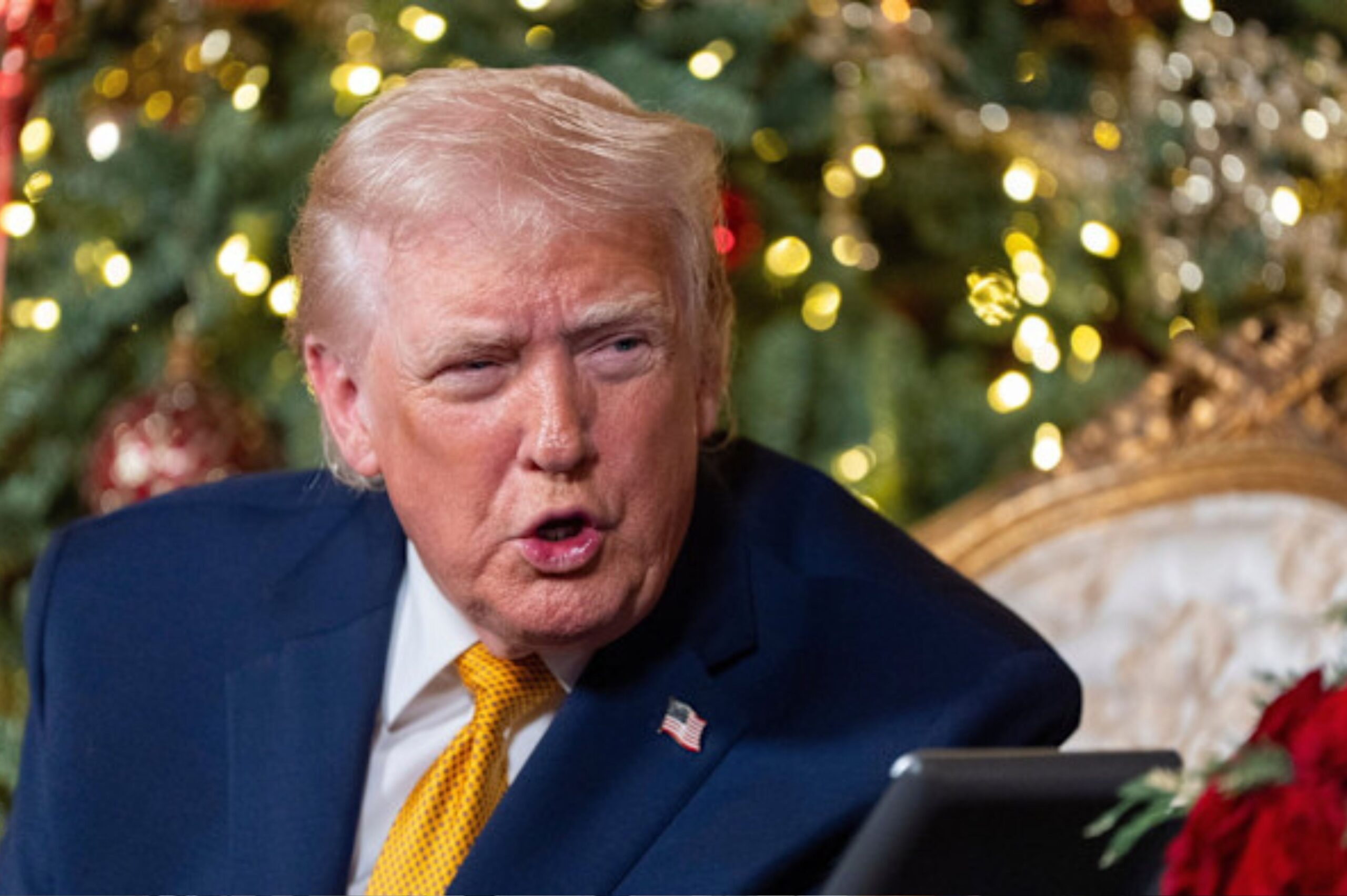
Trump Orders Christmas Day Airstrikes on ISIS Militants in Nigeria’s Sokoto
In a dramatic escalation of U.S. military engagement in West Africa, President Donald Trump announced that the United States carried out its first airstrike against Islamic State targets in northwest Nigeria on Christmas Day, marking a significant development in Nigeria’s long-running security crisis. The strike, confirmed by U.S. Africa Command and shared widely on social platforms including X, targeted militants in Sokoto State, where extremist violence has surged in recent months. Taking to his Truth Social platform late Thursday, Trump described the operation as a “powerful and deadly strike” against what he called “ISIS terrorist scum” who had been targeting and “viciously killing, primarily innocent Christians.” He warned that more actions could follow if the violence continues. According to statements from AFRICOM on social media, the airstrike was conducted in coordination with Nigerian authorities, and initial assessments suggest that multiple Islamic State fighters were killed. A Pentagon video shared online shows what appears to be a missile launched from a U.S. warship in the Gulf of Guinea toward suspected militant positions. Nigeria’s Ministry of Foreign Affairs acknowledged the strikes as part of ongoing international security cooperation to address terrorism and violent extremism. In posts on X, officials noted that the precision air strikes were the result of intelligence sharing and strategic coordination with U.S. forces, while also reminding the public that Islamist militant attacks in Nigeria affect both Christians and Muslims. The context for this unprecedented U.S. action under Trump stems from months of rising extremist attacks by Boko Haram offshoots and Islamic State affiliates such as the Lakurawa, who have increasingly operated in northwest Nigeria’s Sokoto and Kebbi states, far from the traditional insurgent hotspots in the northeast. Analysts and local voices on social media have highlighted recent incidents where civilians were killed in village raids and bombings, underscoring Nigeria’s deep and complex security challenges. The strikes have sparked debate: while supporters frame them as necessary to protect vulnerable communities, critics warn that framing Nigeria’s multifaceted violence in predominantly religious terms may oversimplify the crisis, potentially fueling divisions rather than calm. Still, the move signals a notable shift in U.S. policy, with Trump portraying the action as part of a broader effort to confront extremist threats beyond traditional battlefields.
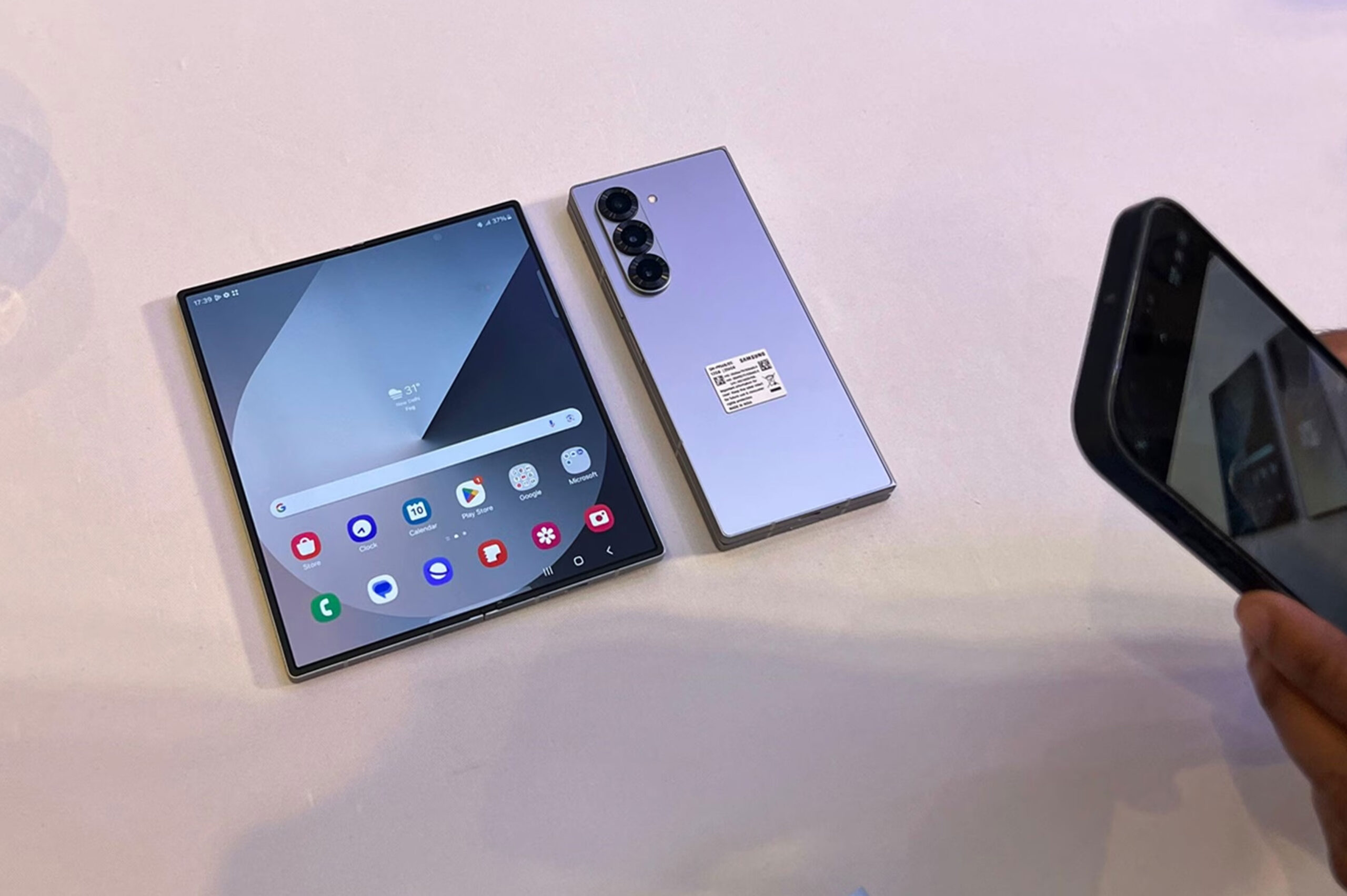
Samsung Rumored to Launch ‘Wide Fold,’ a Bigger, Squarer Foldable Phone in 2026
Samsung may be gearing up to redefine the foldable smartphone category once again with a new device that could challenge both its own lineup and Apple’s rumored foldable iPhone. According to a report from South Korea’s Etnews (translated into English), Samsung is developing a device internally dubbed the “Wide Fold”. The phone is expected to debut in the second half of 2026 and would offer a unique display design that differs from Samsung’s current Galaxy Z Fold and Z Flip series. The company has also experimented with three-panel designs in the Galaxy Z TriFold, hinting at its continued push for innovative form factors. A wider, more tablet-like screen The standout feature of the Wide Fold is its screen design. Sources suggest the device would sport a 7.6-inch internal display when unfolded and a 5.4-inch external screen when folded. Unlike Samsung’s typical tall and narrow foldables, the Wide Fold’s main display is reportedly closer to a 4:3 aspect ratio, giving it a wider and more square-like appearance. This design could fundamentally change how the device is used. A squarer screen is generally better suited for reading, web browsing, photo viewing, and document editing, offering an experience more akin to a small tablet than a traditional smartphone. It could also help apps adapt more naturally to foldable screens, reducing awkward stretching or formatting issues. A potential Apple showdown The Wide Fold’s design appears to echo rumors surrounding Apple’s own first foldable iPhone, expected around the same timeframe. Industry speculation suggests Apple’s device may feature an unfolded display of about 7.7 inches and a similar 4:3 aspect ratio. If both companies release foldables of comparable size and shape in 2026, it could mark the first direct competition between Samsung and Apple in this emerging market. Samsung has led the foldable category to date, but Apple’s entry could bring mainstream credibility to the format. What’s still unknown Details about the Wide Fold remain scarce. Pricing, camera specs, processor information, and global availability are all unconfirmed. It’s also unclear whether “Wide Fold” is just an internal codename or the device’s official name. Samsung typically unveils its new foldables during summer or early fall Galaxy events. If the rumor proves accurate, the Wide Fold may join the 2026 lineup alongside other Galaxy devices, potentially reshaping the foldable smartphone market once again.
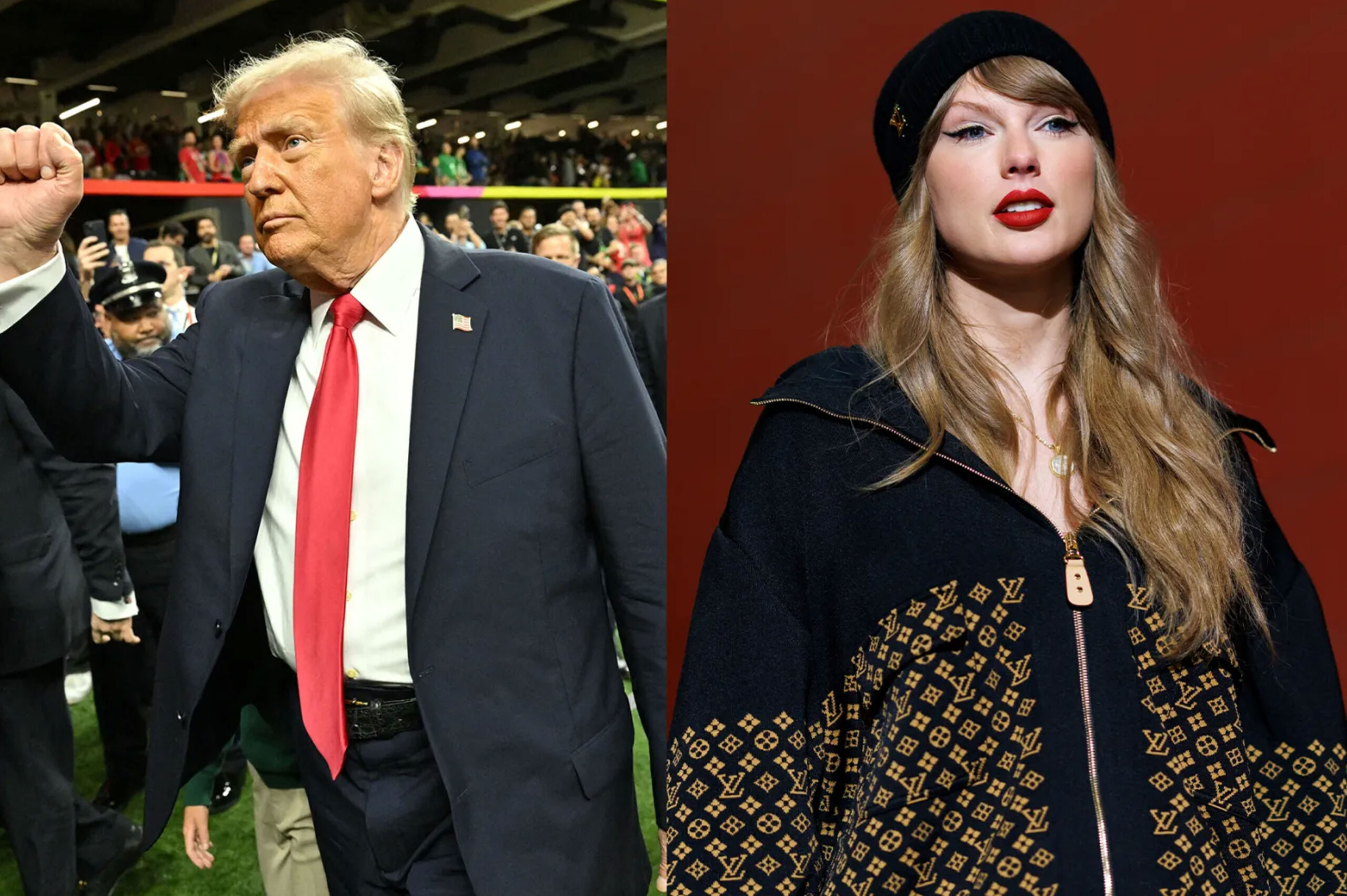
From Trump to Taylor Swift: The Most Searched Names on Google in 2025
In 2025, global internet search trends were strongly dominated by politics, technology, and entertainment, reflecting how real-time events, media coverage, and digital platforms shape public attention. According to an analysis by PlayersTime based on Ahrefs search volume data, a handful of prominent public figures captured a disproportionate share of global online interest over the past year. Based on average monthly Google searches over the last 12 months, former US President Donald Trump emerged as the world’s most searched personality, attracting approximately 16 million searches per month. He was followed by tech billionaire Elon Musk, who ranked second with around 11 million monthly searches, underscoring the continued global influence of American politics and technology leadership. Music played a major role among the global top ten most searched personalities, with artists accounting for nearly half of the list. Pop icon Taylor Swift remained one of the most consistently searched figures worldwide, while Sabrina Carpenter, XXXTENTACION, and Romeo Santos also secured prominent positions, each drawing between 6 and 8 million monthly searches. The rise of streaming platforms and the global reach of digital fandoms have propelled musicians to unprecedented levels of international visibility. Film and television dominated the broader Top 100 list, contributing the largest share of total search volume. This trend has been largely driven by the worldwide expansion of streaming services, which have made entertainment content more accessible across borders and cultures. While sports ranked lower in overall representation, several athletes achieved remarkable global attention. Portuguese football star Cristiano Ronaldo remained among the most searched athletes worldwide, while young Spanish footballer Lamine Yamal broke into the global top ten, highlighting growing interest in emerging talent alongside established sports icons. Search trends in 2025 were not limited to entertainment and sports. Global politics, religious leadership, and high-profile criminal cases also played a significant role in shaping online interest. In the religious sphere, Pope Francis was the most searched figure, while certain criminal cases generated unusually high search volumes due to sustained international media coverage. The data indicates that spikes in search interest are often driven more by breaking news and major events than by long-term popularity. An analysis by nationality reveals a strong concentration of global search interest around American public figures. US personalities featured in the Top 100 collectively received more than 237 million average monthly searches, exceeding the combined totals of the United Kingdom, Canada, and Australia. Six of the top ten most searched individuals worldwide were American, highlighting the global reach of US media, politics, and cultural influence. Search patterns also varied significantly by country. Donald Trump remained the most searched personality in the United States, while political leaders dominated searches in Canada. Tennis players attracted the most attention in Spain and Italy, footballers topped search lists in Brazil and Poland, and political figures led search trends in Germany and South Korea. Within the Top 100 most searched personalities, film and television accounted for 36 percent, music for 28 percent, and sports for 16 percent of total representation. Men made up 56 percent of the list overall; however, women were notably prominent in searches related to entertainment, fashion, and royal families. Overall, the data suggests that the global attention economy in 2025 was increasingly fast-moving and event-driven. Popularity was shaped less by sustained fame and more by political relevance, viral moments, digital platform reach, and continuous media exposure. Search trends reveal a world where public attention is concentrated around a limited number of names, shifts rapidly, and remains more volatile than ever before.
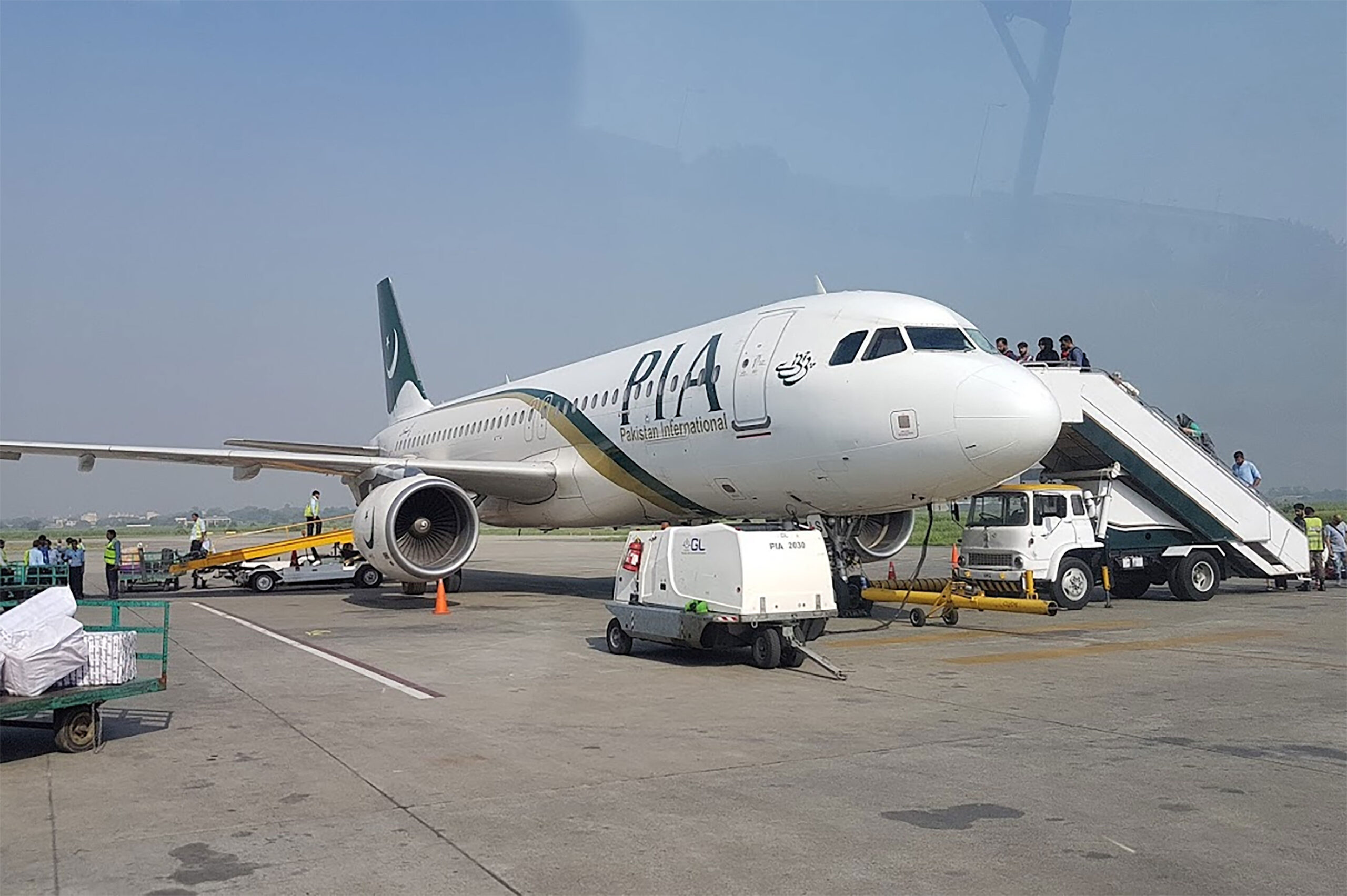
Bidding for 75% Stake in Pakistan International Airlines to Take Place Today
The bidding process for the privatization of a 75 percent stake in Pakistan International Airlines (PIA) will be held today, according to an official statement issued by the Privatization Commission. As per the schedule, bids will be received between 10:45 a.m. and 11:15 a.m., while the bids will be formally opened at 3:30 p.m. After submission, the sealed bids will be placed in a secured box. Subsequently, the Privatization Commission Board will convene to determine the reference price. The Cabinet Committee on Privatization will approve the reference price, which will be officially announced at the time of bid opening. If the submitted bids exceed the reference price, an open auction will be conducted. In case the bids fall below the reference price, preference will be given to the highest bidder. Under the privatization framework, 25 percent of PIA’s shares will remain with the government as a strategic asset. The successful bidder will have the option either to purchase the remaining 25 percent stake or leave it with the government. Following approval from the federal cabinet, the relevant documents received from bidders will be signed. The Privatization Commission will then complete all legal formalities within 90 days. In line with the government’s decision, the entire bidding process will be broadcast live on television networks. Adviser to the Prime Minister on Privatization Muhammad Ali will hold a press conference at the conclusion of the bidding process. The privatization of the national flag carrier is being carried out under Prime Minister Shehbaz Sharif’s economic reform agenda, aimed at restructuring state-owned enterprises and improving overall economic efficiency.
