
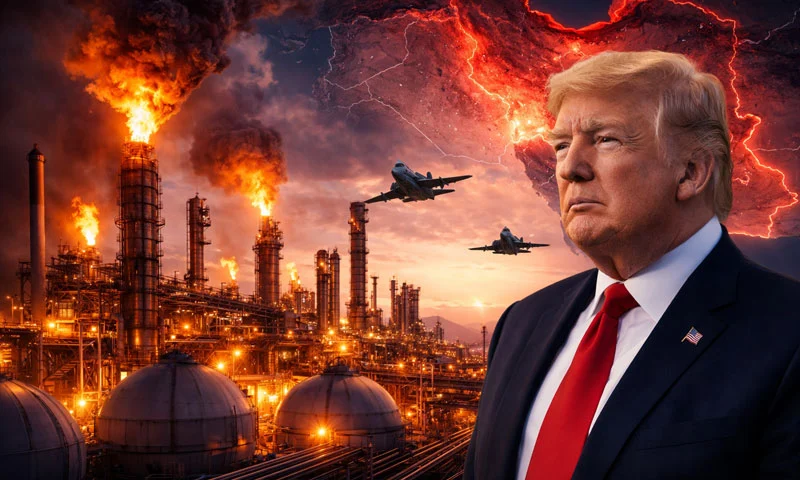
US President Donald Trump has announced a fresh 10-day pause on attacks targeting Iran’s energy infrastructure, just three days after initially ordering a 5-day halt. The move signals a cautious shift toward diplomacy, even as tensions between the two sides remain high. Trump said negotiations are “going very well,” but added that he is not certain whether the United States will ultimately reach a deal with Iran. From 5 Days to 10 Days, A Window for Diplomacy The United States had first paused strikes for five days to allow space for talks. Now, that pause has been extended by another 10 days, giving both sides more time to negotiate and avoid further escalation. Reports indicate that the new deadline will run until April 6, during which diplomatic engagement is expected to intensify. The extension suggests that discussions have shown some progress, or at least that Washington is willing to give diplomacy a longer chance. Mixed Signals on a Possible Deal Despite the extension, Trump’s remarks reflect uncertainty. While he praised ongoing talks, he clearly stated that he does not know if the US is willing to make a deal with Iran. This dual messaging highlights a strategy where military pressure and diplomacy are being used at the same time. Iran, meanwhile, has reportedly raised concerns over certain US conditions, making negotiations more complex. Why Energy Targets Matter Iran’s energy infrastructure has been a central focus of US strategy in the conflict. Strikes on these facilities can disrupt global oil supply, making them a powerful tool in both economic and military terms. The pause in attacks has provided temporary relief to global markets, though uncertainty continues to drive volatility. Oil prices have remained elevated due to fears of supply disruption, especially around the Strait of Hormuz, a key global shipping route. Global Mediation Efforts Underway Several countries are actively working to mediate between Washington and Tehran. These diplomatic efforts aim to reduce tensions and prevent a wider regional conflict. However, major differences remain, particularly over Iran’s nuclear program and its regional influence. A Critical Moment for the Conflict The additional 10-day pause creates a narrow but important window for diplomacy. Trump has warned that if talks fail, attacks on Iran’s energy facilities could resume. For now, the situation remains fragile, with both sides balancing negotiation and confrontation. The coming days are likely to determine whether this pause leads to a breakthrough or a renewed escalation.
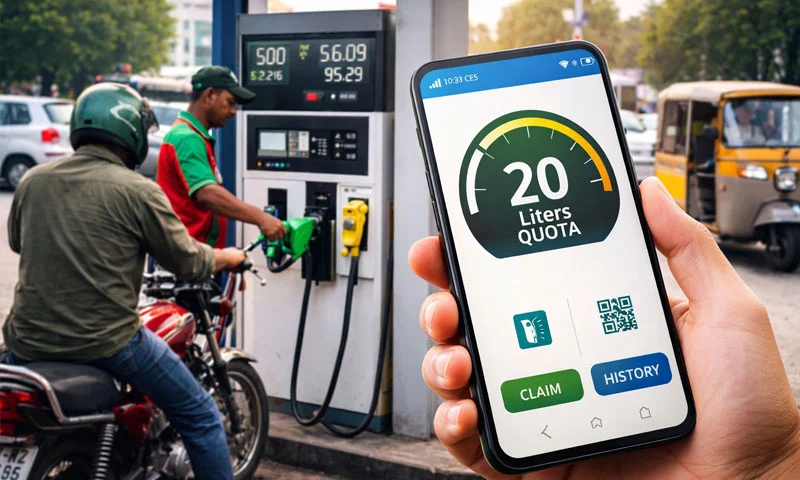
New Fuel Quota System in Pakistan Explained: How Much Petrol You Will Get and How It Works
Pakistan has finalised a mobile application-based fuel quota system aimed at motorcycles, rickshaws and possibly small cars up to 800cc. The move comes as the country faces rising fuel costs and pressure on energy supplies. The system is designed to provide targeted subsidies to low-income users while encouraging fuel conservation across the wider population. Officials say final quota limits will be decided by the cabinet committee. How the Fuel Quota System Will Work The new system will operate through a fully automated mobile application. Consumers will use an app to generate digital vouchers for fuel purchases, while petrol stations will use a separate system to verify them. Each user’s quota will be linked to their vehicle registration number and CNIC. For example, motorcycles may receive a fixed allocation such as 20 litres per month. If a user attempts to purchase more fuel than their quota allows, the system will automatically limit the supply. Officials confirmed that only the available quota will be dispensed at petrol pumps. The mechanism is similar to the Ramazan subsidy model used previously, which relied on digital verification and controlled distribution. Petrol Pumps to Install Dedicated Systems Petrol stations will be required to set up dedicated dispensers or nozzles for subsidised fuel. Retailers must also install special devices linked to the system. To ensure smooth implementation, oil marketing companies will appoint focal persons at each retail outlet. Their details will be shared with authorities for monitoring and complaint resolution. The government will also provide training material, including demos and video tutorials, to help users and retailers understand the system. Special Devices and Digital Infrastructure The Ministry of Information Technology is working with mobile phone manufacturers to support the system. Specialised phones will be introduced at an estimated cost of Rs36,000, with retail prices around Rs72,000. Petrol pumps will deposit funds into a government account to ensure timely delivery of these devices. This step aims to avoid delays and ensure nationwide rollout. Relief for Low-Income Drivers The primary goal of the initiative is to protect low-income groups such as motorcyclists and rickshaw drivers from rising fuel prices. Officials said the subsidy model will ensure that essential users continue to access affordable fuel, while higher prices for other users will help reduce overall consumption. Past Attempts and Policy Background Earlier fuel subsidy plans have faced challenges. In 2023, a proposal to increase petrol prices for wealthy users and subsidise low-income riders was rejected due to concerns from international lenders. Similarly, past ideas such as introducing lower-grade fuel for motorcycles were debated but did not gain full approval. A Shift Toward Digital Fuel Management The new quota system reflects a broader shift toward digital governance and targeted subsidies in Pakistan. With global oil prices rising due to geopolitical tensions, authorities are focusing on efficient distribution and reduced waste. Experts believe such systems could help manage demand while protecting vulnerable segments of society.
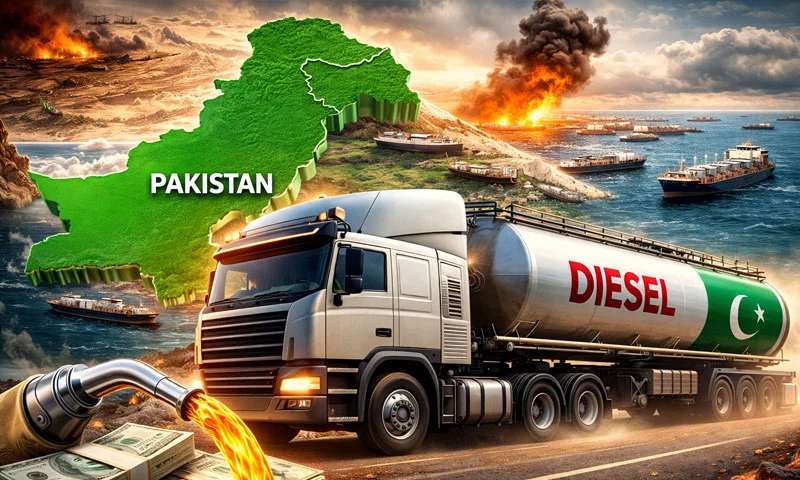
Fuel Stocks Stable as Pakistan Locks Imports for March-April
The government has confirmed that Pakistan has secured sufficient petrol and diesel imports for March and April 2026, as authorities move to ensure uninterrupted fuel supply amid rising global energy concerns. A meeting of the Committee to Monitor Petrol Prices, chaired by Finance Minister Senator Muhammad Aurangzeb, reviewed the country’s petroleum supply outlook and global energy market trends following the Eid holidays. Officials were informed that national fuel inventories and supply chains remain stable, supported by refinery operations, scheduled cargo inflows, and secured import arrangements for the coming months. Fuel Stocks and Supply Chains Remain Stable According to the official briefing, Pakistan currently has comfortable petroleum reserves and a stable supply chain. Authorities confirmed: National fuel inventories are sufficient Supply chains are functioning smoothly Refinery operations are running steadily Cargo shipments are scheduled and arriving on time Import arrangements for March and April have been secured The government stressed that these measures ensure uninterrupted availability of petroleum products across the country. Govt Monitoring Global Energy Trends Closely The committee also reviewed international oil prices and geopolitical developments, which have caused volatility in global energy markets. Officials assessed: Fluctuations in global crude oil prices Impact of Middle East tensions on supply Shipping, freight, and insurance costs Risks to global supply routes such as the Strait of Hormuz Possible future scenarios for oil markets Recent data shows that global oil prices have surged sharply due to regional conflicts, forcing Pakistan to increase petrol and diesel prices by Rs55 per litre earlier this month. Import Strategy and Diversification Efforts To reduce risk and strengthen supply resilience, the government is actively diversifying its fuel sourcing strategy. Key measures include: Securing multiple cargo shipments from different regions Strengthening logistics and import arrangements Exploring alternative routes beyond high-risk zones Enhancing coordination with international partners Officials said these steps are aimed at minimizing disruption in case of further geopolitical escalation. Rising Costs and Economic Pressure Authorities also acknowledged the financial impact of rising oil prices. Officials warned: Pakistan’s oil import bill could rise significantly Monthly import costs may increase by up to $600 million Higher global prices could affect domestic inflation The government has introduced weekly fuel price reviews to better respond to rapid market changes. Govt Directs Strict Monitoring and Coordination Finance Minister Muhammad Aurangzeb emphasized proactive planning and close coordination among all stakeholders. He directed relevant authorities to: Maintain vigilant monitoring of fuel supply Prevent hoarding and market manipulation Ensure smooth distribution nationwide Strengthen coordination with provinces Officials reiterated that uninterrupted availability of petroleum products remains the government’s top priority. A Crucial Period for Energy Stability The developments come at a time when global energy markets remain highly uncertain due to geopolitical tensions. Experts say Pakistan’s timely import planning and supply management will be critical in maintaining economic stability and avoiding shortages. With imports secured and monitoring mechanisms in place, the government aims to keep fuel supply stable despite ongoing global challenges.
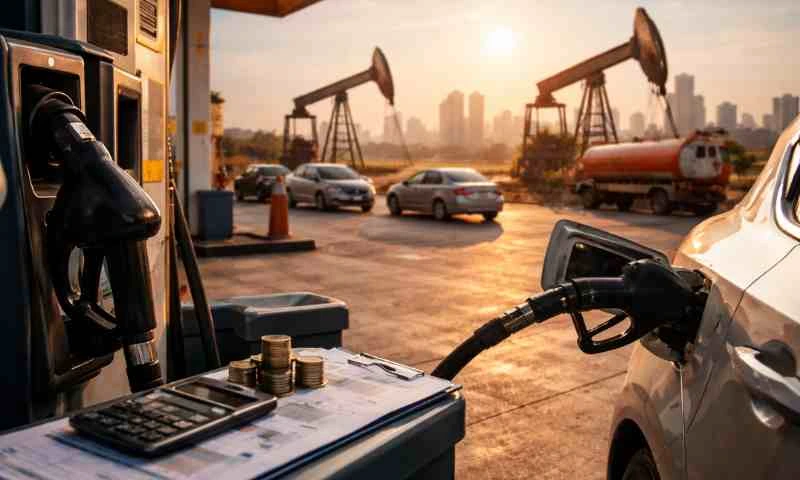
Oil Prices Fall on Ceasefire Hopes in Middle East, Offering Relief to Global Markets
Global oil prices dropped sharply after growing optimism over a possible ceasefire in the Middle East eased fears of supply disruptions, offering potential relief to economies and consumers worldwide. Oil Prices Drop on Peace Signals Oil markets reacted strongly after reports suggested that the United States had proposed a ceasefire plan to Iran, raising hopes of de-escalation in the region. Brent crude fell below the $100 mark, while US West Texas Intermediate also saw a significant decline. The drop followed weeks of volatility triggered by the conflict, which had disrupted supply routes, particularly through the Strait of Hormuz, a key passage for about 20 percent of global oil trade. Earlier, oil prices had surged above $120 per barrel amid fears of prolonged supply shortages and attacks on energy infrastructure. Why Markets Reacted So Quickly Analysts say oil prices are highly sensitive to geopolitical developments, especially in the Middle East, which plays a central role in global energy supply. The possibility of a ceasefire suggests that shipping lanes could reopen and production disruptions may ease. This prompted traders to sell positions, leading to a sharp fall in prices. However, experts caution that the situation remains fragile. Any escalation or renewed attacks could quickly reverse the trend and push prices higher again. Impact on Global Economy The recent conflict had already caused a severe energy shock, removing millions of barrels of oil from global markets and driving up costs for fuel, transport, and manufacturing. Countries heavily dependent on imported oil, particularly in Asia, have been among the hardest hit, facing rising inflation and economic pressure. The latest price drop could help stabilise markets and ease inflation concerns, especially if ceasefire talks lead to a lasting resolution. What It Means for the Average Person For everyday consumers, falling oil prices can translate into lower petrol and diesel prices, although the impact is often delayed depending on government policies and taxes. In Pakistan and similar economies, even a $5 to $10 drop in global oil prices can reduce fuel costs by several rupees per litre, easing pressure on household budgets. Lower fuel prices also reduce transportation costs, which can bring down the prices of essential goods such as food and services. Delivery charges, public transport fares, and electricity costs may also stabilise over time. However, economists warn that if the geopolitical situation remains unstable, any relief could be temporary. Continued Uncertainty in Energy Markets Despite the current dip, the global oil market remains highly volatile. The Middle East conflict has already damaged key energy infrastructure and disrupted supply chains, with long-term impacts still unfolding. Analysts say sustained peace is necessary to ensure stable prices. Without it, oil markets could continue to fluctuate sharply, affecting both economies and consumers worldwide.
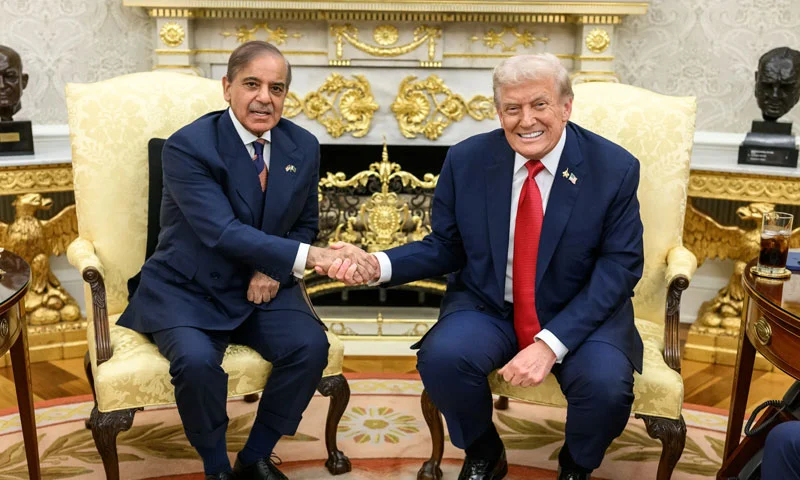
PM Shehbaz Sharif offers to host US-Iran talks, Donald Trump re-shares proposal
Prime Minister Shehbaz Sharif has said Pakistan is ready and honoured to host talks between the United States and Iran, as global efforts intensify to reduce tensions in the Middle East. In his statement, the prime minister said, “Pakistan stands ready and honoured to host talks between the United States and Iran in Islamabad.” He added that Pakistan is willing to play a constructive role in facilitating meaningful dialogue, subject to agreement by both sides. Pakistan welcomes and fully supports ongoing efforts to pursue dialogue to end the WAR in Middle East, in the interest of peace and stability in region and beyond. Subject to concurrence by the US and Iran, Pakistan stands ready and honoured to be the host to facilitate…— Shehbaz Sharif (@CMShehbaz) March 24, 2026 Trump Shares Pakistan’s Offer The proposal gained international attention after US President Donald Trump shared Prime Minister Shehbaz Sharif’s message on social media. Trump’s move is being seen as a signal of openness toward diplomatic engagement, as tensions between Washington and Tehran remain high. The development has placed Pakistan at the center of global diplomatic efforts aimed at de-escalation. Pakistan Acknowledges Role in De-escalation Officials in Islamabad have also acknowledged that Pakistan has already been playing a role in efforts to ease tensions between the US and Iran. According to reports, Pakistan has engaged in diplomatic outreach and maintained communication with key stakeholders to prevent further escalation. Authorities emphasized that Pakistan’s approach is based on dialogue, restraint, and peaceful resolution of conflicts. Diplomatic Outreach and Global Engagement Prime Minister Shehbaz Sharif has held discussions with regional and global leaders, including Iran’s leadership, urging de-escalation and a return to diplomacy. He stressed the importance of avoiding further conflict and resolving disputes through negotiations. Pakistan’s balanced relations with both the United States and Iran have positioned it as a potential mediator in the crisis. Growing Importance of Pakistan’s Role Analysts say Pakistan’s offer reflects its increasing diplomatic relevance in global affairs. By offering Islamabad as a venue for talks, the country is signaling its willingness to contribute to regional stability and peace. The move has also drawn attention from international observers, who see Pakistan as a bridge between competing powers. A Critical Moment for Diplomacy The US-Iran standoff has raised concerns about a wider regional conflict, particularly with the Strait of Hormuz remaining a key flashpoint. Global markets have already felt the impact of rising tensions, with oil prices and economic uncertainty increasing. In this context, Pakistan’s role is being viewed as part of broader international efforts to prevent escalation and promote dialogue. While no formal talks have been confirmed yet, Pakistan’s offer has opened a potential pathway for negotiations. Officials say the country will continue to support diplomatic solutions and work with international partners to reduce tensions. As the situation evolves, attention remains focused on whether dialogue can succeed in easing one of the most critical geopolitical crises of the year.
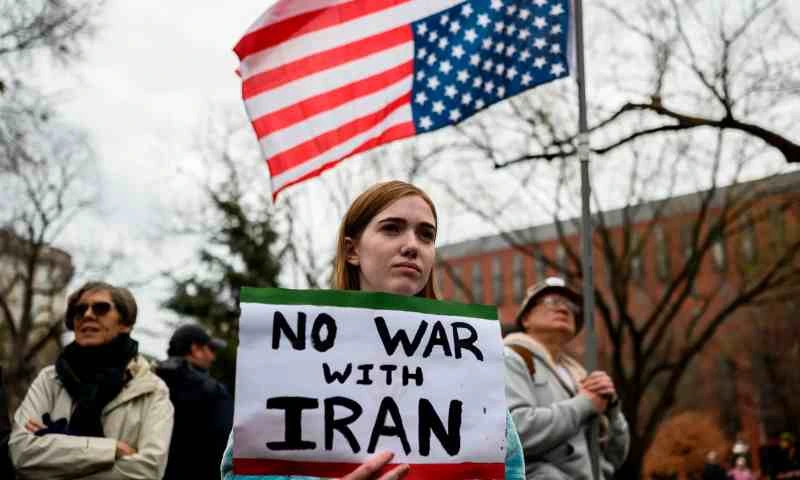
Pakistan Becomes Secret Power Player in US-Iran Talks
Pakistan has stepped into the global spotlight as quiet but critical diplomatic efforts unfold between the United States and Iran, with Islamabad playing a central role in facilitating indirect communication amid rising regional tensions. Pakistan’s Role as a Go-Between According to officials, Pakistan has been acting as a mediator for some time, relaying messages between Washington and Tehran. However, its involvement has intensified in recent days as fears of a wider conflict grew, particularly over energy infrastructure and the Strait of Hormuz. Reports from international outlets such as Financial Times and Axios indicate that senior officials from Pakistan, along with counterparts from Turkiye and Egypt, have separately engaged with US Special Envoy Steve Witkoff and Iranian Foreign Minister Abbas Araghchi to convey positions between both sides. Despite these exchanges, there has been no direct contact between the US and Iran. A source involved in the process said, “The strategic synergy between Ankara, Cairo and Islamabad has established a vital diplomatic conduit,” adding that it was “more than just crisis management” and was “making tangible progress toward resolving outstanding issues.” Focus on De-escalation and Hormuz The backchannel talks are not limited to an immediate ceasefire. Officials revealed that discussions include reopening the Strait of Hormuz, preventing attacks on energy infrastructure, and outlining a broader framework to end hostilities. Iran has acknowledged receiving messages through “friendly countries” but insists that its response remains based on “principled positions.” Publicly, Tehran continues to deny any negotiations, framing US claims as attempts to influence global markets. Iranian officials have maintained that any resolution must include guarantees against future US or Israeli attacks, compensation for damages, and recognition of its strategic rights. Meanwhile, US officials argue that indirect diplomacy has helped create conditions for a pause in escalation. One source noted that “quiet communication is often the most direct path to global peace.” Pakistan Positions Itself as Regional Stabiliser Islamabad has framed its role as part of a broader diplomatic strategy. Officials describe Pakistan as a “net regional stabiliser,” using its unique ties with both Washington and Tehran to encourage dialogue over confrontation. Prime Minister Shehbaz Sharif reinforced this position during a phone call with Iranian President Masoud Pezeshkian, expressing concern over “dangerous ongoing hostilities” and stressing “the urgent need to work collectively for de-escalation and a return to dialogue and diplomacy.” He also emphasised “the critical importance of unity in the ranks of the Ummah.” Wider Diplomatic Context Pakistan’s involvement comes amid a broader regional effort that includes Turkiye and Egypt, reflecting a coordinated attempt to prevent a major escalation in the Middle East. Analysts note that Pakistan’s longstanding ties with both Iran and Gulf states place it in a rare position to act as a bridge. There are also reports suggesting that US President Donald Trump may have engaged Pakistan’s military leadership during this period, although no official confirmation has been issued. As tensions continue, officials suggest that Pakistan could even emerge as a potential venue for future talks.
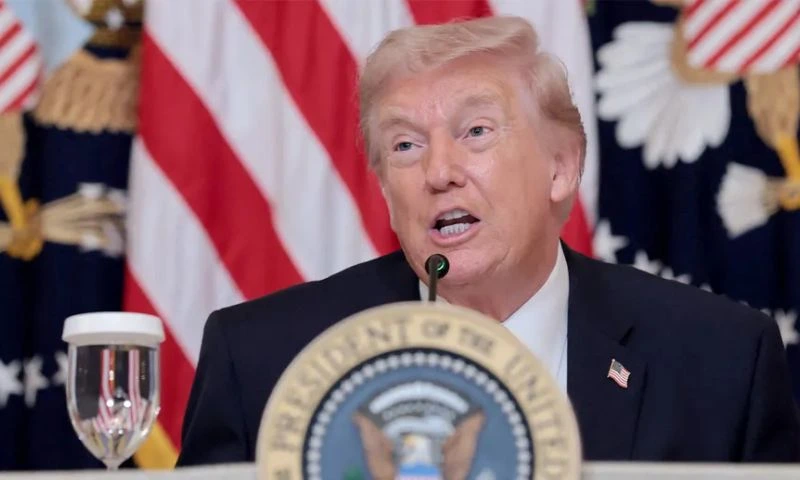
US President Donald Trump Pauses Attack on Iranian Power Plants After ‘Productive Talks’
US President Donald Trump has postponed planned military strikes on Iranian power plants and energy infrastructure, signaling a possible shift toward diplomacy amid rising tensions in the Middle East. The decision comes after what Trump described as “very good and productive conversations” between the United States and Iran regarding a potential resolution to ongoing hostilities. He announced that the strikes would be delayed for five days to allow time for further discussions, adding that the move depends on the success of ongoing negotiations. Ultimatum Linked to Strait of Hormuz The postponement follows a sharp escalation in tensions after Trump had earlier warned Iran to reopen the Strait of Hormuz. The strategic waterway is one of the world’s most important oil routes, carrying a significant portion of global energy supplies. Any disruption in this passage has immediate global economic consequences. Trump had threatened to target Iranian power plants if the Strait was not reopened within a set deadline, raising fears of a broader conflict. BREAKING PRESIDENT TRUMP: 🇺🇸🇮🇷 We had very good and productive conversations regarding a complete and total resolution of hostilities in the Middle East.Military strikes postponed for 5 days. pic.twitter.com/wiZh9F1H5p— Donald J Trump Posts TruthSocial (@TruthTrumpPost) March 23, 2026 Iran’s Position and Denial of Talks Despite Trump’s claims, Iranian officials have denied that any direct or indirect negotiations are taking place with the United States. Tehran has maintained a firm stance, warning that any attack on its energy infrastructure would trigger strong retaliation across the region. Iran has previously indicated that it could target energy facilities and strategic assets if its own infrastructure is hit, increasing the risk of escalation. War Background and Regional Impact The current crisis is part of a wider conflict that began in late February after US and Israeli strikes on Iranian targets. The confrontation has already resulted in thousands of casualties and has significantly disrupted global markets. The Strait of Hormuz has been at the center of the standoff, with Iran restricting shipping routes and causing instability in global oil supplies. Markets React to De-Escalation The announcement of a delay in strikes had an immediate impact on global markets. Oil prices dropped sharply, while stock markets showed gains as fears of an immediate military escalation eased. However, analysts warn that the situation remains fragile, as conflicting statements from both sides create uncertainty about the future. What Comes Next The five-day window is now being seen as a critical period for diplomacy. Trump has expressed optimism about reaching a deal, stating that both sides want to resolve the conflict. At the same time, Iran’s denial of talks and continued warnings suggest that tensions remain high. A Region Still on Edge While the postponement has reduced immediate fears of conflict, the Middle East remains on edge. Experts say that any failure in negotiations could quickly lead to renewed military action, with serious consequences for global energy markets and regional stability.
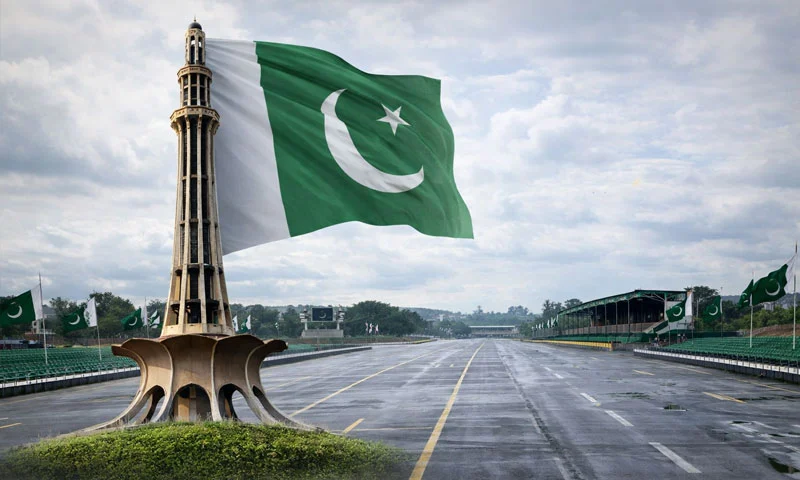
Nation Observes Pakistan Day with Simplicity and Resolve
Pakistan is marking Pakistan Day today with national spirit and patriotism, but without the traditional military parade, as the government implements austerity measures linked to the ongoing Middle East crisis. The day is being observed with dignity and reverence across the country. Flag-hoisting ceremonies are being held at official buildings, while special events are being kept simple in line with the government’s cost-cutting strategy. Pakistan Day, observed every year on March 23, commemorates the historic Lahore Resolution of 1940, which laid the foundation for the creation of Pakistan. Parade Cancelled Due to Oil Crisis The federal government decided to cancel the traditional Pakistan Day military parade and related ceremonial events this year. According to the Prime Minister’s Office, the decision was taken “in the backdrop of the ongoing Gulf oil crisis and the consequent austerity measures announced by the government.” Instead of the usual large-scale celebrations, authorities directed that the day be observed with simplicity while maintaining its national significance. The Pakistan Day parade is normally one of the country’s biggest national events, featuring military displays, flypasts, and participation from armed forces and foreign dignitaries. وزیراعظم محمد شہباز شریف کی یومِ پاکستان کے موقع پر پرچم کشائی#PakistanDay #23March #ShehbazSharif #FlagHoisting #PakistanZindabad #NationalPride #Unity #Pakistan #LahoreResolution #Patriotism pic.twitter.com/C5TKLdQs5T — APP (@appcsocialmedia) March 23, 2026 Impact of Middle East Crisis on Pakistan The decision comes as Pakistan faces economic pressure due to rising global oil prices triggered by tensions in the Middle East. Pakistan relies heavily on oil imports from the Gulf, making it vulnerable to disruptions in supply. The ongoing conflict has affected global energy markets and increased fuel costs domestically. In response, the government introduced wide-ranging austerity measures to conserve fuel and reduce spending. These measures include reducing fuel usage, limiting official travel, implementing a four-day work week, and encouraging work-from-home policies in government departments. A Day of Unity Despite Scaled-Down Celebrations Despite the absence of the parade, Pakistan Day is still being observed with enthusiasm and national pride. Government institutions, schools, and organizations are marking the occasion with simple ceremonies, paying tribute to the country’s founding vision and sacrifices. Officials have emphasized that the spirit of Pakistan Day remains unchanged, even as celebrations are scaled down. Balancing National Pride with Economic Reality The decision to cancel the parade reflects a broader effort to balance national traditions with economic realities. Authorities have stressed that observing the day with simplicity does not diminish its importance. Instead, it highlights the nation’s resilience during challenging times. As Pakistan navigates economic pressures linked to global developments, the focus remains on unity, discipline, and collective responsibility.
PSL 11 to Begin Without Crowds as PCB Announces Major Changes
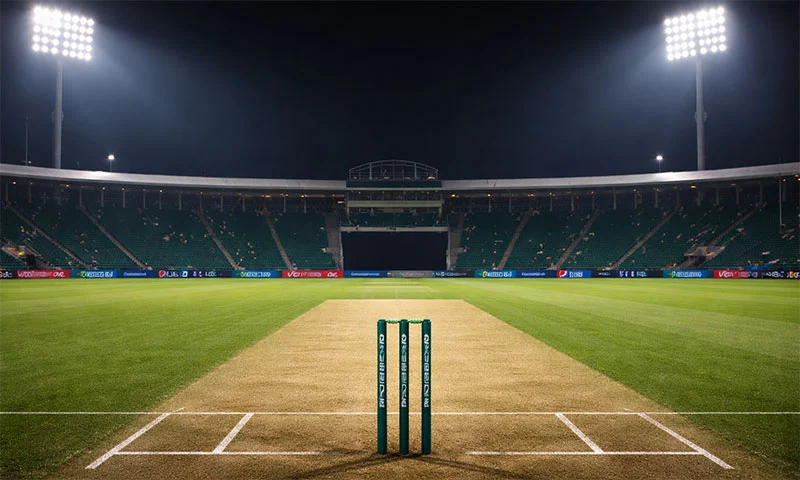
The Pakistan Cricket Board has announced that the 11th edition of the HBL Pakistan Super League will proceed under a revised operational plan. The decision comes in support of national austerity measures introduced by the government in light of the current economic situation. According to the PCB, matches will be held only in Karachi and Lahore, instead of multiple venues as originally planned. The board confirmed that the tournament will take place without spectators, marking a significant shift from the usual high-energy crowds seen in previous PSL editions. In its official statement, the PCB said, “HBL PSL 11 will proceed under a revised operational plan in support of national austerity measures.” Matches to Be Played Behind Closed Doors Under the new plan, all matches will be played behind closed doors. This means fans will not be allowed inside stadiums, and games will be broadcast live for viewers at home. 🚨 BIG DECISIONS ON PSL BY PCB 🚨 – PSL 2026 will begin on 26 March, with matches only in Lahore and Karachi. – Matches will be played without crowds until the fuel crisis ends. – PCB will compensate franchises for the losses. – Fans who bought tickets will receive refunds… pic.twitter.com/KgezFynHFV — Sheri. (@CallMeSheri1_) March 22, 2026 The decision is aimed at reducing operational costs and ensuring the tournament continues without placing additional financial pressure on national resources. Despite the absence of crowds, the PCB remains confident that the league will maintain its competitive spirit and entertainment value. Limited Venues to Cut Costs Originally, PSL matches were expected to be hosted across multiple cities. However, the revised plan limits games to Karachi and Lahore to reduce travel, logistics, and security expenses. This move aligns with broader government efforts to cut expenditures during a period of economic strain, including rising fuel costs and fiscal challenges. Impact on Fans and Teams The decision to hold matches without spectators is likely to disappoint fans who eagerly wait for the PSL atmosphere each year. Stadiums in Karachi and Lahore have historically seen packed crowds, especially during key matches and playoffs. However, fans will still be able to follow the tournament through live broadcasts and digital platforms. Teams are also adjusting to the new environment, focusing on performance despite the lack of crowd support. PSL’s Importance Remains Strong The Pakistan Super League remains one of the country’s biggest sporting events. It plays a key role in promoting cricket, discovering talent, and strengthening Pakistan’s image in international sports. Even under restrictions, the tournament is expected to attract strong viewership both locally and globally. A Balance Between Sports and Economic Reality The revised PSL plan reflects a balance between continuing major sporting events and addressing economic realities. Authorities aim to ensure that cricket continues while supporting national priorities. As PSL 11 approaches, attention will now shift to the on-field action, even as the tournament unfolds in a quieter, more controlled environment.
Mixed Signals: Trump Talks Peace as War Escalates
US President Donald Trump has indicated that Washington is considering scaling back its military campaign against Iran, even as tensions continue to escalate following reported strikes on key nuclear infrastructure. Speaking amid ongoing conflict in the region, Trump said the United States is “considering winding down” the war, suggesting a potential shift in strategy after weeks of intense military operations. Natanz Nuclear Facility Targeted The development comes as Iranian media reported that US and Israeli forces had attacked the Shahid Ahmadi-Roshan enrichment complex in Natanz, one of Iran’s most critical nuclear facilities. According to reports, “technical experts found that no radioactive leaks had occurred and nearby residents were not at risk.” The International Atomic Energy Agency confirmed it is investigating the incident, while Russia condemned the attack, calling it “a blatant violation of international law.” Israel, however, said it was unaware of any such strike, adding further uncertainty around the incident. War Continues Despite De-Escalation Signals Despite Trump’s remarks about potentially winding down the conflict, military activity in the region has not slowed. The United States has continued deploying additional troops and naval assets to the Middle East, highlighting the contradiction between diplomatic messaging and operational reality. The ongoing conflict, which began with coordinated US-Israeli strikes on Iranian targets earlier this year, has expanded into a broader regional confrontation involving multiple actors. Iran has responded with missile and drone attacks targeting US and allied positions, as well as energy infrastructure across the Gulf, intensifying fears of a wider regional war. Strategic Importance of Natanz The Natanz facility holds significant importance in Iran’s nuclear program, serving as a major uranium enrichment site. It has been targeted multiple times in past conflicts due to its role in advancing Iran’s nuclear capabilities. Experts warn that any attack on such facilities carries serious risks, including potential environmental hazards and escalation of geopolitical tensions. Global Reactions and Concerns The reported strike has drawn strong international reactions. Russia has criticized the move, while global powers have called for restraint and de-escalation. The International Atomic Energy Agency’s involvement underscores the seriousness of the situation, particularly given concerns about nuclear safety and regional stability. Uncertain Path Ahead Trump’s suggestion of winding down the war introduces uncertainty into an already volatile situation. Analysts believe that while the statement may signal an attempt to reduce tensions, the continued military buildup suggests that the conflict remains far from resolved. For global markets, especially energy and shipping, the situation remains critical. Any disruption in the region, particularly near key oil routes, could have widespread economic consequences. The coming days are expected to be crucial in determining whether diplomatic efforts can reduce tensions or if the conflict will continue to escalate further.
