
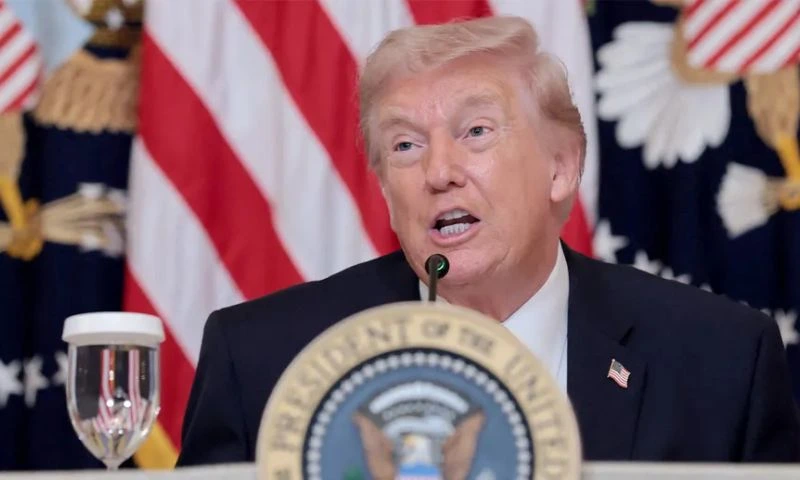
US President Donald Trump has postponed planned military strikes on Iranian power plants and energy infrastructure, signaling a possible shift toward diplomacy amid rising tensions in the Middle East. The decision comes after what Trump described as “very good and productive conversations” between the United States and Iran regarding a potential resolution to ongoing hostilities. He announced that the strikes would be delayed for five days to allow time for further discussions, adding that the move depends on the success of ongoing negotiations. Ultimatum Linked to Strait of Hormuz The postponement follows a sharp escalation in tensions after Trump had earlier warned Iran to reopen the Strait of Hormuz. The strategic waterway is one of the world’s most important oil routes, carrying a significant portion of global energy supplies. Any disruption in this passage has immediate global economic consequences. Trump had threatened to target Iranian power plants if the Strait was not reopened within a set deadline, raising fears of a broader conflict. BREAKING PRESIDENT TRUMP: 🇺🇸🇮🇷 We had very good and productive conversations regarding a complete and total resolution of hostilities in the Middle East.Military strikes postponed for 5 days. pic.twitter.com/wiZh9F1H5p— Donald J Trump Posts TruthSocial (@TruthTrumpPost) March 23, 2026 Iran’s Position and Denial of Talks Despite Trump’s claims, Iranian officials have denied that any direct or indirect negotiations are taking place with the United States. Tehran has maintained a firm stance, warning that any attack on its energy infrastructure would trigger strong retaliation across the region. Iran has previously indicated that it could target energy facilities and strategic assets if its own infrastructure is hit, increasing the risk of escalation. War Background and Regional Impact The current crisis is part of a wider conflict that began in late February after US and Israeli strikes on Iranian targets. The confrontation has already resulted in thousands of casualties and has significantly disrupted global markets. The Strait of Hormuz has been at the center of the standoff, with Iran restricting shipping routes and causing instability in global oil supplies. Markets React to De-Escalation The announcement of a delay in strikes had an immediate impact on global markets. Oil prices dropped sharply, while stock markets showed gains as fears of an immediate military escalation eased. However, analysts warn that the situation remains fragile, as conflicting statements from both sides create uncertainty about the future. What Comes Next The five-day window is now being seen as a critical period for diplomacy. Trump has expressed optimism about reaching a deal, stating that both sides want to resolve the conflict. At the same time, Iran’s denial of talks and continued warnings suggest that tensions remain high. A Region Still on Edge While the postponement has reduced immediate fears of conflict, the Middle East remains on edge. Experts say that any failure in negotiations could quickly lead to renewed military action, with serious consequences for global energy markets and regional stability.
Nation Observes Pakistan Day with Simplicity and Resolve
Pakistan is marking Pakistan Day today with national spirit and patriotism, but without the traditional military parade, as the government implements austerity measures linked to the ongoing Middle East crisis. The day is being observed with dignity and reverence across the country. Flag-hoisting ceremonies are being held at official buildings, while special events are being kept simple in line with the government’s cost-cutting strategy. Pakistan Day, observed every year on March 23, commemorates the historic Lahore Resolution of 1940, which laid the foundation for the creation of Pakistan. Parade Cancelled Due to Oil Crisis The federal government decided to cancel the traditional Pakistan Day military parade and related ceremonial events this year. According to the Prime Minister’s Office, the decision was taken “in the backdrop of the ongoing Gulf oil crisis and the consequent austerity measures announced by the government.” Instead of the usual large-scale celebrations, authorities directed that the day be observed with simplicity while maintaining its national significance. The Pakistan Day parade is normally one of the country’s biggest national events, featuring military displays, flypasts, and participation from armed forces and foreign dignitaries. وزیراعظم محمد شہباز شریف کی یومِ پاکستان کے موقع پر پرچم کشائی#PakistanDay #23March #ShehbazSharif #FlagHoisting #PakistanZindabad #NationalPride #Unity #Pakistan #LahoreResolution #Patriotism pic.twitter.com/C5TKLdQs5T — APP (@appcsocialmedia) March 23, 2026 Impact of Middle East Crisis on Pakistan The decision comes as Pakistan faces economic pressure due to rising global oil prices triggered by tensions in the Middle East. Pakistan relies heavily on oil imports from the Gulf, making it vulnerable to disruptions in supply. The ongoing conflict has affected global energy markets and increased fuel costs domestically. In response, the government introduced wide-ranging austerity measures to conserve fuel and reduce spending. These measures include reducing fuel usage, limiting official travel, implementing a four-day work week, and encouraging work-from-home policies in government departments. A Day of Unity Despite Scaled-Down Celebrations Despite the absence of the parade, Pakistan Day is still being observed with enthusiasm and national pride. Government institutions, schools, and organizations are marking the occasion with simple ceremonies, paying tribute to the country’s founding vision and sacrifices. Officials have emphasized that the spirit of Pakistan Day remains unchanged, even as celebrations are scaled down. Balancing National Pride with Economic Reality The decision to cancel the parade reflects a broader effort to balance national traditions with economic realities. Authorities have stressed that observing the day with simplicity does not diminish its importance. Instead, it highlights the nation’s resilience during challenging times. As Pakistan navigates economic pressures linked to global developments, the focus remains on unity, discipline, and collective responsibility.
PSL 11 to Begin Without Crowds as PCB Announces Major Changes
The Pakistan Cricket Board has announced that the 11th edition of the HBL Pakistan Super League will proceed under a revised operational plan. The decision comes in support of national austerity measures introduced by the government in light of the current economic situation. According to the PCB, matches will be held only in Karachi and Lahore, instead of multiple venues as originally planned. The board confirmed that the tournament will take place without spectators, marking a significant shift from the usual high-energy crowds seen in previous PSL editions. In its official statement, the PCB said, “HBL PSL 11 will proceed under a revised operational plan in support of national austerity measures.” Matches to Be Played Behind Closed Doors Under the new plan, all matches will be played behind closed doors. This means fans will not be allowed inside stadiums, and games will be broadcast live for viewers at home. 🚨 BIG DECISIONS ON PSL BY PCB 🚨 – PSL 2026 will begin on 26 March, with matches only in Lahore and Karachi. – Matches will be played without crowds until the fuel crisis ends. – PCB will compensate franchises for the losses. – Fans who bought tickets will receive refunds… pic.twitter.com/KgezFynHFV — Sheri. (@CallMeSheri1_) March 22, 2026 The decision is aimed at reducing operational costs and ensuring the tournament continues without placing additional financial pressure on national resources. Despite the absence of crowds, the PCB remains confident that the league will maintain its competitive spirit and entertainment value. Limited Venues to Cut Costs Originally, PSL matches were expected to be hosted across multiple cities. However, the revised plan limits games to Karachi and Lahore to reduce travel, logistics, and security expenses. This move aligns with broader government efforts to cut expenditures during a period of economic strain, including rising fuel costs and fiscal challenges. Impact on Fans and Teams The decision to hold matches without spectators is likely to disappoint fans who eagerly wait for the PSL atmosphere each year. Stadiums in Karachi and Lahore have historically seen packed crowds, especially during key matches and playoffs. However, fans will still be able to follow the tournament through live broadcasts and digital platforms. Teams are also adjusting to the new environment, focusing on performance despite the lack of crowd support. PSL’s Importance Remains Strong The Pakistan Super League remains one of the country’s biggest sporting events. It plays a key role in promoting cricket, discovering talent, and strengthening Pakistan’s image in international sports. Even under restrictions, the tournament is expected to attract strong viewership both locally and globally. A Balance Between Sports and Economic Reality The revised PSL plan reflects a balance between continuing major sporting events and addressing economic realities. Authorities aim to ensure that cricket continues while supporting national priorities. As PSL 11 approaches, attention will now shift to the on-field action, even as the tournament unfolds in a quieter, more controlled environment.
Mixed Signals: Trump Talks Peace as War Escalates
US President Donald Trump has indicated that Washington is considering scaling back its military campaign against Iran, even as tensions continue to escalate following reported strikes on key nuclear infrastructure. Speaking amid ongoing conflict in the region, Trump said the United States is “considering winding down” the war, suggesting a potential shift in strategy after weeks of intense military operations. Natanz Nuclear Facility Targeted The development comes as Iranian media reported that US and Israeli forces had attacked the Shahid Ahmadi-Roshan enrichment complex in Natanz, one of Iran’s most critical nuclear facilities. According to reports, “technical experts found that no radioactive leaks had occurred and nearby residents were not at risk.” The International Atomic Energy Agency confirmed it is investigating the incident, while Russia condemned the attack, calling it “a blatant violation of international law.” Israel, however, said it was unaware of any such strike, adding further uncertainty around the incident. War Continues Despite De-Escalation Signals Despite Trump’s remarks about potentially winding down the conflict, military activity in the region has not slowed. The United States has continued deploying additional troops and naval assets to the Middle East, highlighting the contradiction between diplomatic messaging and operational reality. The ongoing conflict, which began with coordinated US-Israeli strikes on Iranian targets earlier this year, has expanded into a broader regional confrontation involving multiple actors. Iran has responded with missile and drone attacks targeting US and allied positions, as well as energy infrastructure across the Gulf, intensifying fears of a wider regional war. Strategic Importance of Natanz The Natanz facility holds significant importance in Iran’s nuclear program, serving as a major uranium enrichment site. It has been targeted multiple times in past conflicts due to its role in advancing Iran’s nuclear capabilities. Experts warn that any attack on such facilities carries serious risks, including potential environmental hazards and escalation of geopolitical tensions. Global Reactions and Concerns The reported strike has drawn strong international reactions. Russia has criticized the move, while global powers have called for restraint and de-escalation. The International Atomic Energy Agency’s involvement underscores the seriousness of the situation, particularly given concerns about nuclear safety and regional stability. Uncertain Path Ahead Trump’s suggestion of winding down the war introduces uncertainty into an already volatile situation. Analysts believe that while the statement may signal an attempt to reduce tensions, the continued military buildup suggests that the conflict remains far from resolved. For global markets, especially energy and shipping, the situation remains critical. Any disruption in the region, particularly near key oil routes, could have widespread economic consequences. The coming days are expected to be crucial in determining whether diplomatic efforts can reduce tensions or if the conflict will continue to escalate further.
A Day of Joy: Eid-ul-Fitr Celebrations Underway Across Pakistan
Eid-ul-Fitr is being celebrated across Pakistan today with great religious zeal and enthusiasm, marking the end of the holy month of Ramadan. Citizens in both urban and rural areas are taking part in prayers, family gatherings, and festive activities. The day is beginning with special Eid prayers being offered at mosques, Eidgahs, and open grounds in major cities including Karachi, Lahore, Islamabad, Peshawar, and Quetta. Large congregations are gathering early in the morning to offer prayers and seek blessings for peace, prosperity, and unity in the country. Religious scholars are delivering sermons highlighting the importance of patience, compassion, and support for the underprivileged. Special prayers are also being offered for the stability of Pakistan and the well-being of the Muslim Ummah. Eid Celebrations Across the Region Along with Pakistan, Eid-ul-Fitr is also being celebrated today in India, Bangladesh, and several other countries in the region. Millions of Muslims in these countries are offering Eid prayers in mosques and open spaces, while also taking part in cultural and family traditions. In India and Bangladesh, large gatherings are being witnessed at major mosques, with authorities ensuring security and smooth arrangements. Families are celebrating by wearing traditional attire, exchanging greetings, and sharing festive meals. This simultaneous celebration across South Asia is highlighting the shared cultural and religious bonds among Muslims in the region. Saudi Arabia and Arab Countries Celebrated Eid Earlier Meanwhile, Saudi Arabia and several other Arab countries celebrated Eid-ul-Fitr a day earlier with great enthusiasm. Large congregations gathered in mosques in Makkah and Madinah, where Eid prayers were offered with devotion. Millions of Muslims participated in celebrations, sharing joy with family and friends while also focusing on charity and community support. Public Holidays Announced for Eid The Government of Pakistan had announced four public holidays on the occasion of Eid-ul-Fitr, from March 20 to March 23, allowing citizens to celebrate the festival with ease and spend time with their families. These extended holidays are also contributing to increased travel activity, with many families visiting tourist spots and hometowns during the festive period. Celebrations and Festive Activities Families are celebrating the occasion by wearing new clothes, visiting relatives, and sharing traditional dishes. Children are enjoying the festivities as they are receiving Eidi and participating in various activities. Parks, recreational spots, and public places are witnessing a rush of families who are enjoying the holiday. Authorities are ensuring strict security arrangements across major cities to maintain peace during the celebrations. A Day of Unity and Gratitude Eid-ul-Fitr is being observed as a symbol of unity, gratitude, and generosity after a month of fasting and reflection. The occasion is bringing people together and strengthening social bonds across communities. As the day continues, the festive spirit is being witnessed across Pakistan and the region, reflecting joy, harmony, and togetherness.
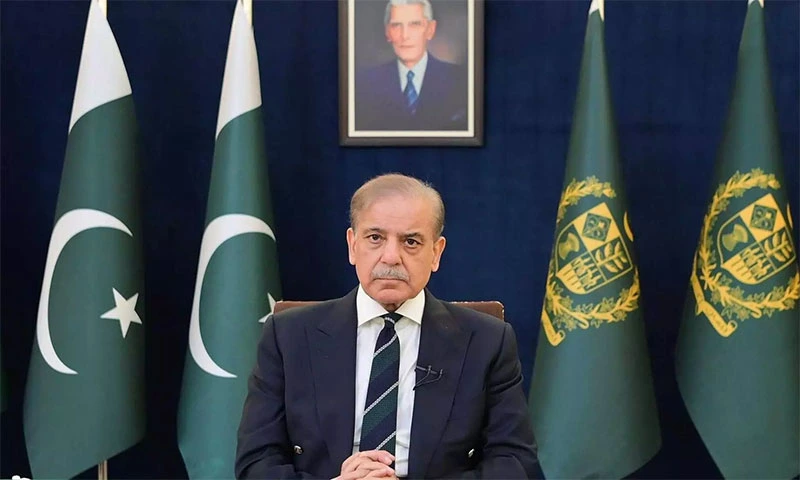
PM Shehbaz Sharif rejects fuel price hike, orders framework to ensure relief reaches the poor
Prime Minister Shehbaz Sharif has rejected a summary proposing an increase in petrol and diesel prices, offering immediate relief to consumers already burdened by rising inflation. The decision came despite strong pressure from global oil markets, where prices have surged due to escalating tensions in the Middle East. According to officials, the proposal to increase petroleum prices was sent by relevant authorities, including the Oil and Gas Regulatory Authority, but the prime minister chose to block it. The move aims to protect the public from further financial strain at a time when fuel costs are already at historic highs. The Prime Minister’s Office stated that “no price hike is being made in order to reduce the burden on the common man,” reaffirming the government’s commitment to provide maximum relief during difficult economic conditions. Address to the Nation: Economic Pressure and Government Strategy In a televised address to the nation, Shehbaz Sharif highlighted the severe impact of global geopolitical tensions on Pakistan’s economy. He said, “The global economy is currently under pressure due to regional tensions, which is likely to have a profound impact on Pakistan’s economy.” The prime minister explained that Pakistan is taking a coordinated approach to tackle the crisis. He pointed to timely policy decisions, austerity measures, and financial discipline as key tools being used to stabilize the economy. He also emphasized that both federal and provincial governments are working together to ensure that citizens are not overcharged and that price controls remain effective across the country. Background: Recent Fuel Price Shock The decision comes just days after the government increased petrol and diesel prices by Rs55 per litre, pushing petrol to around Rs321.17 per litre and diesel to over Rs335 per litre. This sharp increase followed disruptions in global oil supply caused by conflict involving the United States, Israel, and Iran. The crisis has pushed international crude oil prices close to $100 per barrel, creating serious challenges for energy-importing countries like Pakistan. Austerity Measures to Offset Impact To manage the economic fallout, the government has introduced wide-ranging austerity measures. These include reducing fuel usage in government departments, limiting official travel, and cutting unnecessary expenditures. Reports indicate that authorities are also reducing office attendance, limiting vehicle use, and implementing broader cost-cutting strategies to conserve fuel and stabilize the economy. The prime minister said these steps are necessary to ensure that the burden does not fall entirely on the public. Ensuring Fuel Supply and Market Stability Despite global disruptions, the government has assured that adequate crude oil supplies are available to meet domestic demand. Shehbaz Sharif credited diplomatic and economic teams for securing fuel shipments and maintaining stability in supply chains. He also expressed hope that international conditions would improve soon, leading to stabilization in oil prices and easing pressure on Pakistan’s economy. Relief vs Economic Reality While the decision to reject a fuel price hike provides short-term relief, analysts warn that Pakistan’s heavy reliance on imported energy makes it vulnerable to global price shocks. The government now faces the challenge of balancing fiscal stability with public relief, especially as inflation remains sensitive to energy prices.

Jazz, Ufone and Zong Cleared to Roll Out 5G Services in Pakistan
Pakistan has taken a major step toward next-generation connectivity as the Pakistan Telecommunication Authority has formally authorized leading Cellular Mobile Operators including Jazz, Ufone and Zong to begin 5G services across the country. In an official announcement shared on X, PTA stated, “The Pakistan Telecommunication Authority (PTA) is pleased to announce that Cellular Mobile Operators (CMOs), namely Jazz, Ufone and Zong have formally been authorized to start the 5G services across Pakistan.” The development marks the beginning of Pakistan’s transition into a high-speed digital ecosystem, with telecom operators now preparing to roll out commercial 5G networks in phases. <blockquote class=”twitter-tweet”><p lang=”en” dir=”ltr”>The Pakistan Telecommunication Authority (PTA) is pleased to announce that Cellular Mobile Operators (CMOs), namely Jazz, Ufone and Zong have formally been authorized to start the 5G services across Pakistan. In order to ensure a high-quality user experience during this initial… <a href=”https://t.co/YJ43ke19X8″>pic.twitter.com/YJ43ke19X8</a></p>— PTA (@PTAofficialpk) <a href=”https://twitter.com/PTAofficialpk/status/2034903390690713846?ref_src=twsrc%5Etfw”>March 20, 2026</a></blockquote> <script async src=”https://platform.twitter.com/widgets.js” charset=”utf-8″></script> Phased Rollout to Ensure Quality According to PTA, operators will not launch nationwide services immediately. Instead, 5G will be introduced gradually to ensure service stability and quality. The authority explained, “In order to ensure a high-quality user experience during this initial transition, all CMOs will introduce 5G services in a phased manner.” This approach aligns with global telecom practices, where operators prioritize network optimization and performance before expanding coverage. Industry experts believe that a phased rollout will help address challenges such as infrastructure readiness, spectrum management, and device compatibility, which are critical for successful 5G deployment. Consumer Awareness and Device Compatibility To support users during the transition, PTA has placed a strong emphasis on transparency and awareness. The statement added, “To facilitate consumer awareness and ensure a seamless user experience, all CMOs will publish updated lists on their official websites, identifying specific areas where 5G services are available, as well as details of 5G-enabled mobile handset models compatible in Pakistan.” This move is expected to help consumers understand whether their devices support 5G and where they can access the new service. Currently, many smartphones sold in Pakistan are technically 5G-capable, but compatibility with local frequency bands remains a key factor for optimal performance. Pakistan’s Journey Toward 5G Pakistan has been working toward 5G adoption for several years. Early trials were conducted by telecom operators, with Zong becoming the first to test 5G in the country in 2019. More recently, operators have reported speeds exceeding 1 Gbps in controlled environments, demonstrating the potential of the technology. However, commercial rollout has faced delays due to spectrum allocation issues, regulatory planning, and economic constraints. What 5G Means for Pakistan The introduction of 5G is expected to transform multiple sectors, including healthcare, education, manufacturing, and entertainment. Faster speeds and lower latency can enable applications such as remote surgeries, smart cities, industrial automation, and immersive digital experiences. For consumers, 5G promises significantly improved internet speeds, smoother streaming, and enhanced mobile connectivity. At the same time, experts caution that widespread adoption will depend on affordability, device penetration, and infrastructure expansion. A Turning Point for Digital Pakistan The PTA’s authorization signals a new phase in Pakistan’s telecom evolution. With operators now cleared to launch services, the focus will shift toward execution, coverage expansion, and user adoption. As 5G begins to roll out across major cities, Pakistan moves closer to realizing its vision of a fully connected digital economy.
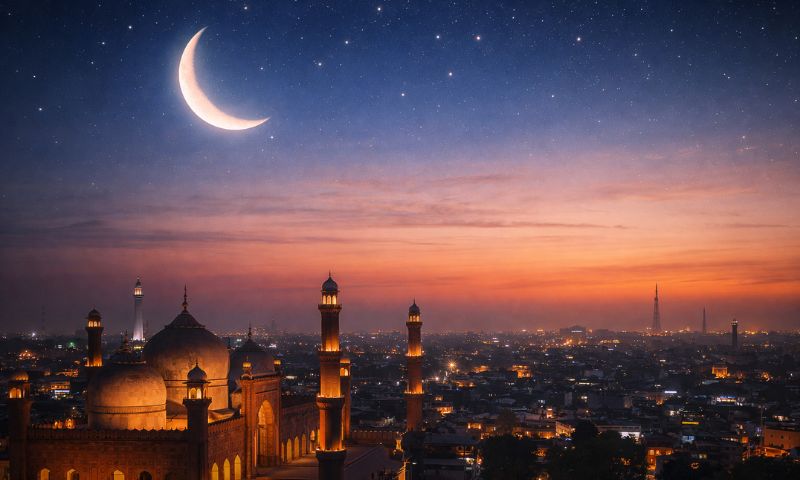
Moon Not Sighted: Pakistan, India, Bangladesh Set for Saturday Eid
Pakistan will celebrate Eid ul Fitr on Saturday, March 21, 2026, after the Shawwal moon was not sighted in the country. The announcement was made by the Central Ruet-e-Hilal Committee, which met in Islamabad under the chairmanship of Maulana Abdul Khabir Azad to observe the crescent moon. After reviewing reports from across the country, the committee confirmed that no credible moon sighting was received. As a result, Ramadan will complete 30 days and Eid ul Fitr will be observed on Saturday. The Ruet-e-Hilal Committee is the official body responsible for announcing Islamic months in Pakistan, based on verified moon sighting testimonies from different regions. Earlier, astronomical forecasts by the Pakistan Meteorological Department and SUPARCO had also indicated that the chances of moon sighting on March 19 were very low, making March 21 the likely date for Eid. Regional Countries Also Set for Saturday Eid Several countries in South and Southeast Asia are also expected to celebrate Eid on Saturday, March 21, due to similar moon sighting conditions. India has confirmed Eid on March 21 after the crescent moon was not sighted. Bangladesh is also likely to mark Eid on Saturday following the completion of 30 days of Ramadan, while Indonesia and Malaysia are expected to observe the festival on the same day based on local moon sighting and astronomical calculations. These countries traditionally announce Eid based on local moon visibility, which often results in a one-day difference compared to Gulf nations. Moon Sighting Tradition Remains Key Eid ul Fitr marks the beginning of Shawwal, the tenth month of the Islamic calendar, which is based on lunar cycles. The festival is determined by the sighting of the crescent moon, making local observations crucial in deciding the exact date. With Pakistan and several regional countries aligning on Saturday, millions of Muslims will celebrate the end of Ramadan together with Eid prayers, family gatherings, and festive traditions.
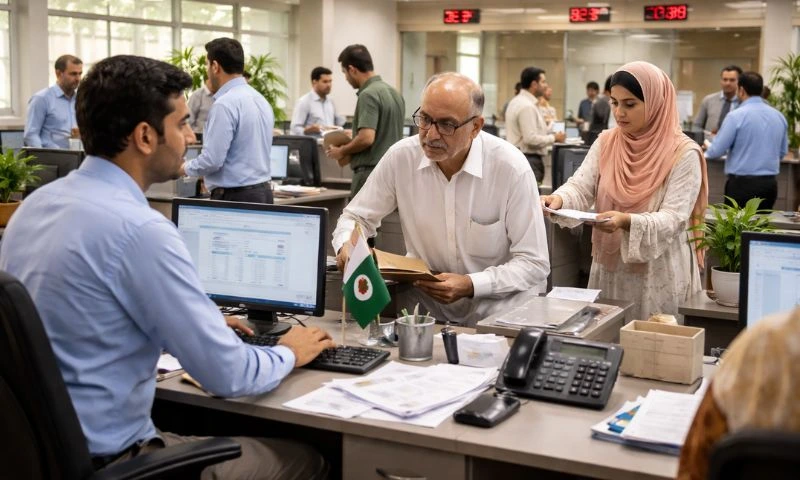
Post-Ramadan Schedule: Federal Offices Return to Full Hours
The federal government has officially announced revised office timings to be observed after the conclusion of Ramadan, signaling a return to extended working hours across public sector institutions. The new schedule, issued by the Establishment Division, will apply to all relevant federal offices nationwide. New Working Hours for Federal Offices According to the official notification, government offices operating on a five-day workweek will function from 8:00 am to 4:00 pm, Monday to Friday. Meanwhile, departments observing a six-day workweek will operate from 8:00 am to 3:00 pm, Monday to Saturday. In both cases, a lunch and prayer break from 1:00 pm to 1:30 pm has been designated, ensuring continuity of work while accommodating daily religious obligations. The revised schedule will come into effect immediately after Ramadan, replacing the reduced working hours that were introduced during the holy month. Transition From Ramadan Schedule During Ramadan, federal offices typically operate on shortened timings to facilitate fasting employees. Earlier this year, offices working five days a week functioned from 9:00 am to 3:00 pm, while six-day offices closed even earlier. The shift back to longer hours reflects a return to normal administrative routines as Eid-ul-Fitr concludes and regular government operations resume. Administrative and Economic Implications The restoration of full working hours is expected to improve efficiency across government departments, many of which experience slower processing during Ramadan due to reduced schedules. Longer office hours typically enhance service delivery in key areas such as documentation, licensing, taxation, and public dealing. For businesses and citizens alike, the change often translates into faster turnaround times and improved access to government services. Experts note that such transitions are critical in maintaining administrative momentum, especially as Pakistan navigates economic challenges and increasing public service demands. Alignment With Seasonal Patterns The announced timings are also consistent with Pakistan’s broader seasonal work patterns. Post-Ramadan schedules often align with summer timings, which generally begin earlier in the day to maximize productivity and manage heat conditions. Historically, federal office hours have followed a similar structure, with early start times and mid-afternoon closures becoming standard practice after Ramadan. What It Means for Employees and Public For government employees, the revised schedule marks a return to longer working days, requiring adjustments in daily routines after a month of reduced hours. For the public, the change is largely positive. Extended office hours increase accessibility, particularly for individuals who rely on government services during working days. The announcement of post-Ramadan office timings is more than a routine administrative update. It reflects the government’s effort to restore operational efficiency while maintaining a structured approach to workforce management. As Pakistan transitions out of Ramadan, the return to standard working hours is expected to support smoother governance, better service delivery, and improved coordination across departments.
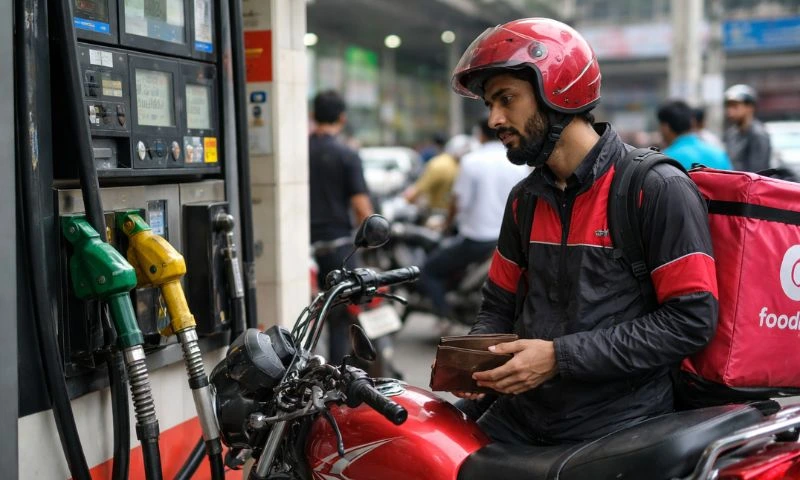
From Earnings to Survival: How Fuel Prices Are Crushing Riders in Pakistan
Pakistan’s latest fuel price increase is placing intense financial pressure on thousands of delivery riders, exposing the fragile economics of the country’s rapidly growing gig economy. With petrol prices crossing Rs321 per litre, riders who depend on motorcycles for daily earnings are now struggling to sustain both their work and household expenses. Rising Costs, Shrinking Earnings The immediate impact of the price hike is visible in daily operations. Riders are spending significantly more on fuel while earning nearly the same amount per delivery. Mohammad Murtaza Ali, a food delivery rider, described the situation in stark terms. He said, “Things were going fine earlier, but since petrol prices increased, we’re facing a lot of difficulties at home.” He added, “Earlier, we’d spend around 500 rupees on petrol; now it’s 800 rupees.” This sharp rise in fuel expenses has forced riders to either work longer hours or accept lower take-home income. In many cases, both are happening simultaneously. A Crisis Deepened by Global Factors The fuel price surge is not occurring in isolation. It is linked to global oil market disruptions, particularly tensions affecting supply routes such as the Strait of Hormuz. Pakistan, which relies heavily on imported oil, passes these rising costs directly to consumers. Recent increases of around Rs55 per litre have amplified the burden on daily wage earners, especially those in the delivery sector who operate on thin margins. Ripple Effects Across Urban Economy The impact extends beyond riders. Delivery services are a critical part of urban life, handling food, groceries, medicines, and parcels across major cities. As fuel costs rise, delivery platforms face a difficult choice. They can either increase rider payouts or raise delivery charges. If neither happens, riders absorb the losses themselves. This creates a chain reaction. Higher operational costs can lead to increased delivery fees, which may reduce customer demand. At the same time, lower incentives could reduce rider availability, affecting service quality and delivery times. Ramadan Adds More Pressure The timing of the fuel hike has made the situation worse. During Ramadan, household expenses typically rise, but riders are seeing their disposable income shrink. Many riders are now struggling to meet basic needs. Some reports indicate that workers are even relying on charity meals to cope with rising costs. What Lies Ahead If fuel prices remain elevated, the pressure on Pakistan’s delivery ecosystem will likely intensify. Riders may exit the sector, delivery costs could increase, and urban mobility patterns may shift. The crisis highlights a larger structural issue. Gig workers form a key part of Pakistan’s informal economy, yet they lack financial protection when external shocks occur. Final Analysis Pakistan’s fuel price surge is not just a transport issue. It is a socio-economic challenge affecting livelihoods, urban services, and consumer costs. Delivery riders continue to keep cities running, but with every increase in petrol prices, their sustainability becomes harder to maintain.
