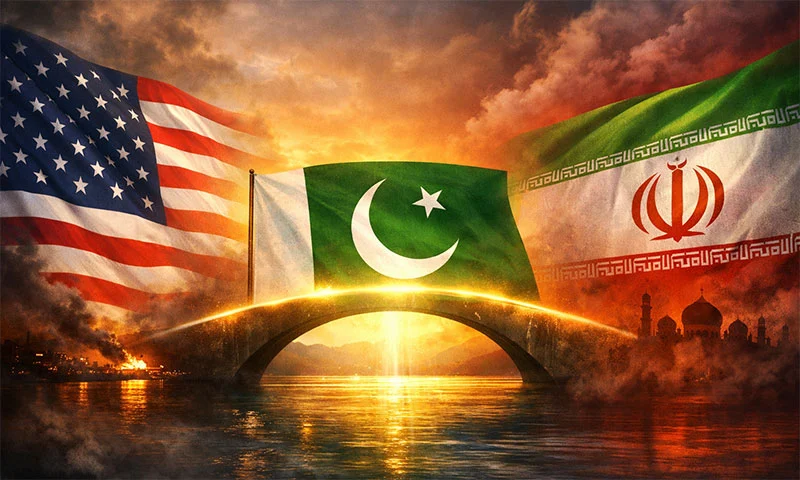
A fragile ceasefire between the United States and Iran has opened a narrow diplomatic window after weeks of war, but the pause has raised a bigger question across the region and beyond: what happens next?
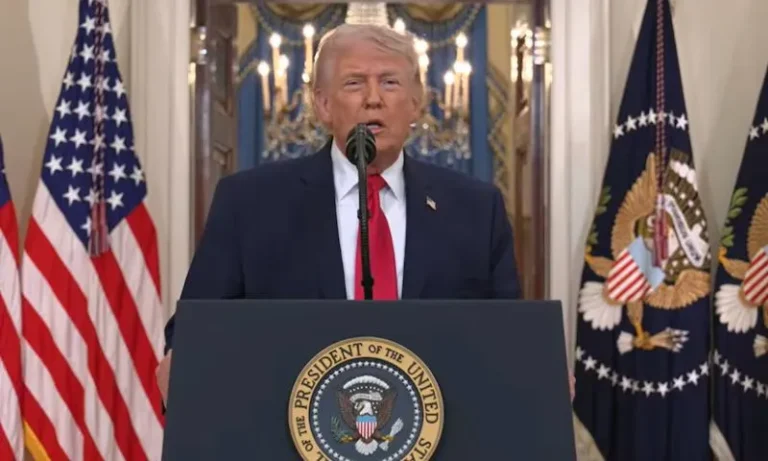
The two sides agreed to a provisional two-week halt in hostilities after U.S. President Donald Trump suspended planned bombing operations against Iran, saying the move followed conversations with Prime Minister Shehbaz Sharif and Field Marshal Asim Munir of Pakistan. Trump said the pause was tied to Iran’s agreement to the “complete, immediate, and safe opening of the Strait of Hormuz,” a waterway vital to global energy supplies. Iran later confirmed that it would allow safe passage for a two-week period in coordination with its armed forces, while also making clear that this was not yet the end of the war.
A ceasefire, not a settlement
For now, the ceasefire appears to be a pause rather than a peace deal. Reports from Washington, Tehran and regional capitals suggest both sides still have deep disagreements over sanctions, military activity, Iran’s nuclear program and the future rules governing transit through the Strait of Hormuz. Iran’s response to the latest U.S. proposals reportedly came in the form of a 10-point framework sent through Pakistan, with Tehran pressing for a more durable settlement rather than a short-term military pause. Trump has described that framework as a “workable basis” for further negotiations, but many of the hardest issues remain unresolved.
That is why the next phase matters more than the ceasefire announcement itself. The immediate test will be whether the pause holds on the ground, whether military commands on all sides fully implement it, and whether the diplomatic channel can move quickly enough to prevent another slide into open war. U.S. and Iranian officials have both signaled that military readiness remains in place. Even after the truce was announced, reports pointed to continued alerts and sporadic strikes, underlining just how volatile the situation remains.
Pakistan’s mediation moves to the center
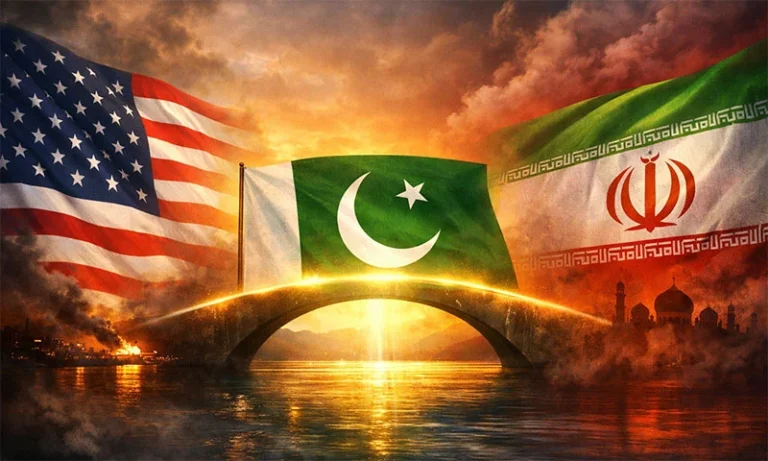
Pakistan has placed itself at the center of this diplomatic opening. Islamabad first pushed for a two-week extension to Trump’s deadline and urged Iran to reopen the Strait of Hormuz as a goodwill step. Those efforts helped create space for the ceasefire deal that followed. Reuters reported that Pakistan appealed to both sides at a moment when the risk of a major escalation was acute, while other reports said Tehran communicated its response through Pakistani channels.
The Pakistani role became even more visible after the ceasefire took shape. Prime Minister Shehbaz Sharif said on X that Iran and the United States, along with their allies, had agreed to an immediate ceasefire and invited both delegations to Islamabad on April 10 for talks aimed at reaching what he called a “conclusive agreement” to settle all disputes. He wrote, “We earnestly hope, that the ‘Islamabad Talks’ succeed in achieving sustainable peace and wish to share more good news in coming days.”
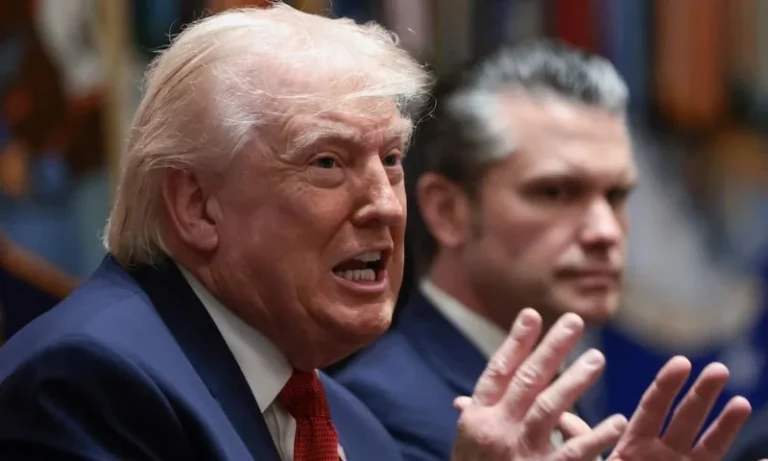
Trump also publicly acknowledged Pakistan’s role. In remarks cited by APP from his social media statement, he said: “Based on conversations with Prime Minister Shehbaz Sharif and Field Marshal Asim Munir, of Pakistan, and wherein they requested that I hold off the destructive force being sent tonight to Iran, and subject to the Islamic Republic of Iran agreeing to the complete, immediate, and safe opening of the Strait of Hormuz, I agree to suspend the bombing and attack of Iran for a period of two weeks.” Iranian Foreign Minister Seyed Abbas Araghchi also thanked Shehbaz Sharif and Asim Munir for what APP described as tireless efforts to end the war.
What the world will watch now
The first major checkpoint is Islamabad. Several reports say U.S.-Iran talks are expected there on April 10, with the goal of turning a temporary ceasefire into a broader settlement. If those talks begin as planned, negotiators will likely focus on four urgent issues: keeping the Strait of Hormuz open, preventing renewed attacks on civilian and energy infrastructure, defining the scope of any longer ceasefire, and testing whether a wider political understanding is possible.
The second checkpoint is the regional battlefield. Israel has indicated that the ceasefire does not automatically cover every front, especially Lebanon, where conflict with Hezbollah remains active according to multiple reports. That means the risk of spillover has not disappeared, even if direct U.S.-Iran escalation has slowed for now. In practical terms, any strike by a proxy force, any disruption to shipping, or any fresh retaliation could still shatter the truce before diplomacy has time to take root.
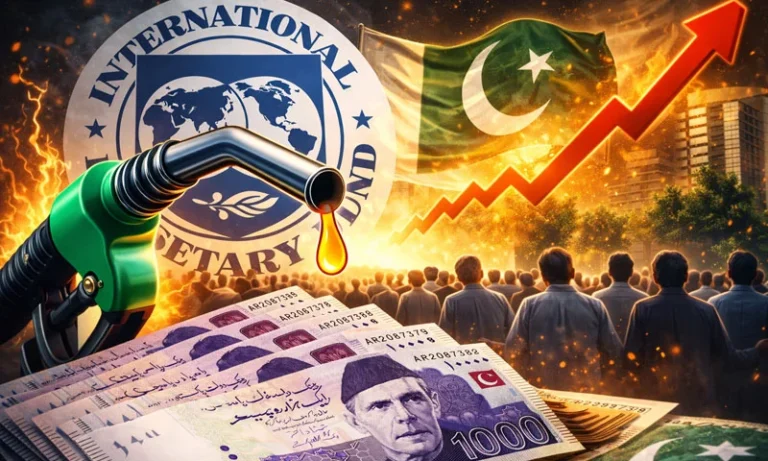
The third checkpoint is the global economy. Financial markets reacted with relief after the ceasefire announcement, with oil prices falling and stocks rising on hopes that energy flows through Hormuz would stabilize. But analysts have warned that a short truce cannot by itself restore confidence unless it leads to a more durable agreement. As long as the region remains on edge, the threat to oil supplies, shipping insurance, inflation and broader investor confidence will remain.
A narrow opening, not the end of the crisis
The ceasefire has given diplomacy a chance, but only a chance. It has not resolved the war’s underlying causes, it has not guaranteed regional calm, and it has not removed the possibility of another rapid escalation. What it has done is create a brief opening in which Pakistan has emerged as a key intermediary, the United States has stepped back from immediate strikes, and Iran has agreed to talk while holding to its broader demands. The success or failure of the next few days, especially the planned April 10 talks in Islamabad, may determine whether this becomes the start of a negotiated settlement or only an uneasy pause before another round of conflict.