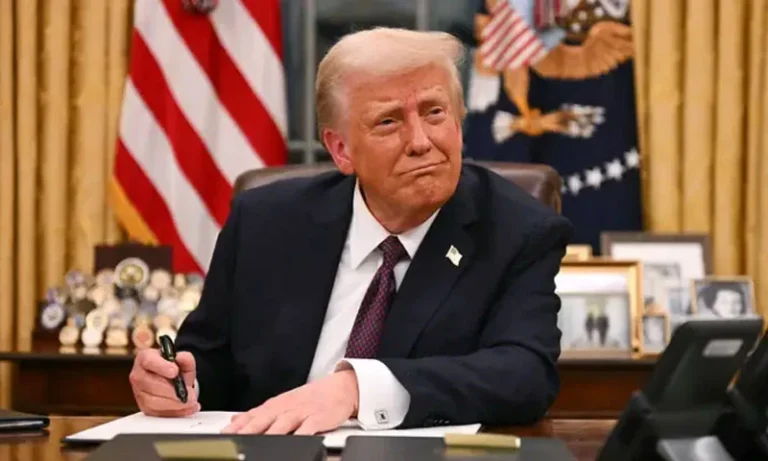
Pakistan is preparing to host crucial ceasefire talks between the United States and Iran on Friday, in a development that underscores Islamabad’s growing diplomatic role after weeks of heightened tensions in the Middle East.
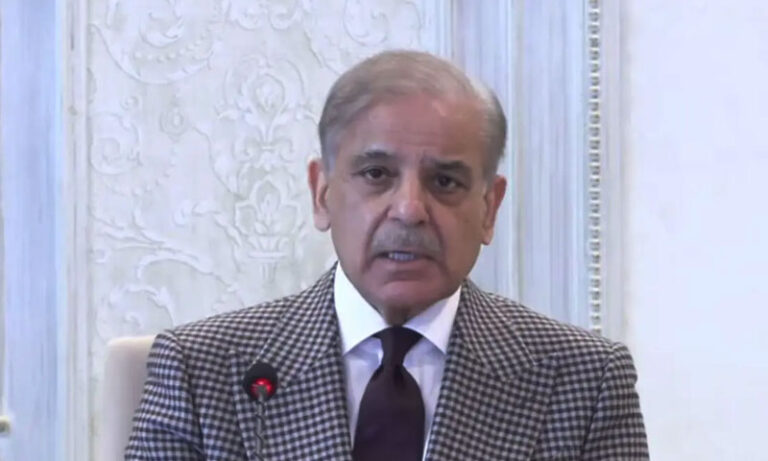
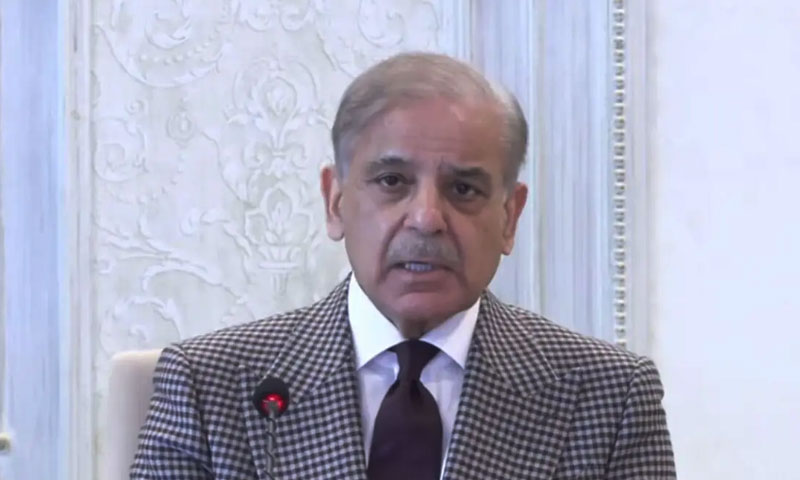
Prime Minister Shehbaz Sharif, addressing a federal cabinet meeting, said the country’s position on the global stage had shifted significantly following its role in helping ease tensions between Washington and Tehran. “Pakistan has changed forever,” he said, highlighting what he described as a renewed international recognition of the country’s diplomatic capabilities.
The talks in Islamabad are expected to bring together officials from both the US and Iran in what could be the first structured engagement since the recent ceasefire agreement that paused hostilities between the two sides.
Pakistan steps into diplomatic spotlight
Officials say Pakistan’s involvement was instrumental in facilitating communication between Washington and Tehran at a time when both sides were on the brink of escalation. The ceasefire agreement, which temporarily halted military action, is widely seen as the result of sustained backchannel efforts by Islamabad.
Live: Prime Minister Shehbaz Sharif addresses cabinet meeting https://t.co/F7EzVVksXT
— Pakistan TV Digital (@PakistanTVcom) April 8, 2026
Prime Minister Shehbaz Sharif told the cabinet that Pakistan’s diplomatic outreach had been acknowledged globally, adding that the country’s role was being appreciated at multiple levels. He stressed that Pakistan would continue to pursue peace and stability in the region.
In recent days, both US and Iranian leadership have signalled openness to dialogue, creating a narrow window for diplomacy. The upcoming Islamabad meeting is expected to focus on extending the ceasefire, addressing key points of contention and exploring the possibility of a broader political settlement.
High-stakes talks amid fragile ceasefire
Despite the ceasefire, the situation remains delicate. Analysts say the truce has reduced immediate risks but has not resolved underlying issues, including regional security concerns, economic sanctions and strategic rivalries.
Diplomatic sources indicate that the Islamabad talks will aim to build trust between the two sides while addressing immediate priorities such as ensuring stability in the region and preventing further escalation. The role of neutral facilitators like Pakistan is expected to be critical in bridging gaps between the parties.
The conflict has already had significant global implications, particularly for energy markets and regional security dynamics. Any breakdown in the ceasefire could once again trigger volatility, making the success of the talks all the more important.
For Pakistan, hosting the talks represents both an opportunity and a test. A successful outcome could strengthen its standing as a credible mediator, while also reinforcing its broader foreign policy objectives.
As delegations prepare to arrive in Islamabad, expectations remain cautious but hopeful. The coming days are likely to determine whether the ceasefire evolves into a sustained peace process or remains a temporary pause in a complex and deeply rooted conflict.