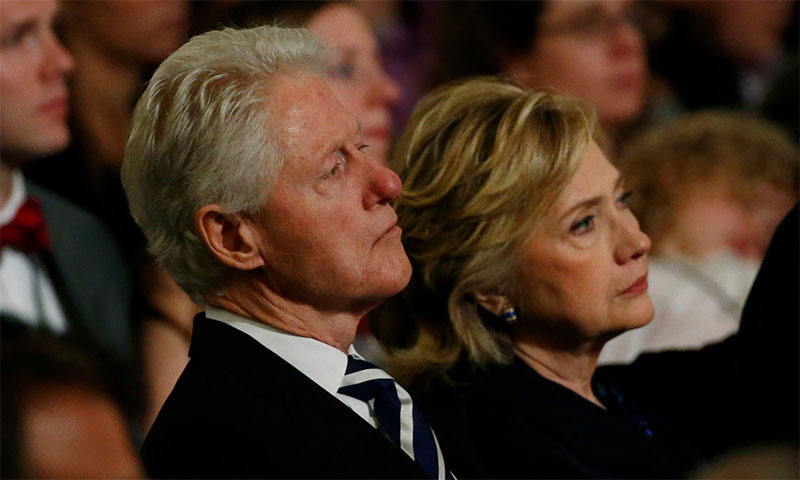
A key US congressional committee is preparing to vote on whether to move toward contempt of Congress proceedings against Bill Clinton and Hillary Clinton, escalating a highly partisan clash tied to the long-running investigation into disgraced financier Jeffrey Epstein.
The Republican-controlled House Oversight Committee is set to consider two resolutions accusing the former president and former secretary of state of defying subpoenas by refusing to appear in person before lawmakers. The panel is probing how US authorities handled earlier investigations into Epstein before his arrest and death in federal custody in 2019.
If the resolutions pass, the matter will be sent to the full US House of Representatives, where Republicans also hold a majority. The House would then decide whether to formally cite the Clintons for contempt and refer the case to the Justice Department for possible criminal action.
The move highlights how the Epstein scandal continues to reverberate through Washington, ensnaring powerful political figures and fueling bitter partisan confrontations. Lawmakers say they are seeking accountability over the handling of Epstein’s past cases, while Democrats argue the inquiry has been turned into a political weapon.
Epstein died in jail while awaiting trial on federal sex-trafficking charges, a death that authorities later ruled a suicide. He had spent years moving among elite social and political circles, forging relationships with influential business leaders, academics, and politicians.
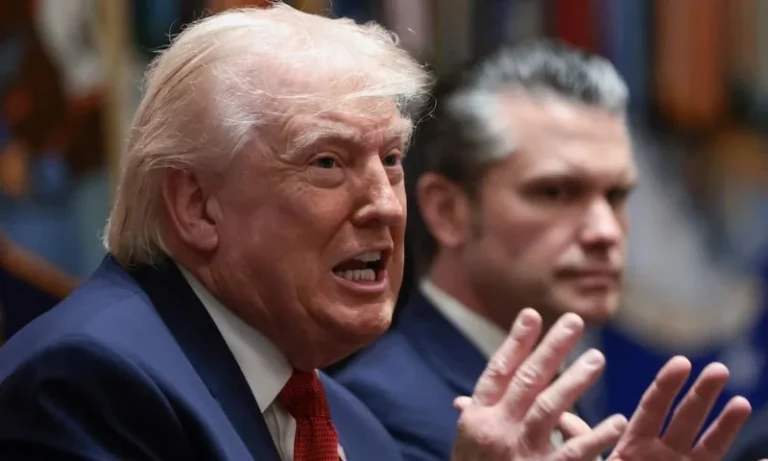
The Clintons have pushed back forcefully, arguing the investigation is designed to damage political rivals of President Donald Trump, rather than to pursue legitimate oversight. They note that Trump — who had a long-documented social association with Epstein — has not been summoned to testify.
Democrats have also accused the Trump administration of dragging its feet on releasing Epstein-related records, alleging that only a limited portion of legally required files has been made public. Neither the Clintons nor Trump has been charged with any crime related to Epstein.
Republicans, however, say the Clintons’ past interactions with Epstein warrant direct questioning under oath. They point in particular to Bill Clinton’s use of Epstein’s private jet during international travel in the early 2000s.
The contempt effort gained momentum after Oversight Committee Chairman James Comer rejected a late proposal from Bill Clinton’s legal team to provide testimony under more limited conditions in New York.
Comer said the offer would have restricted questioning to a single lawmaker, excluded other committee members, and produced no official transcript — conditions he said violated long-standing congressional procedures.
“I have rejected the Clintons’ ridiculous offer,” Comer said, accusing the former first couple of seeking special treatment.
Representatives for the Clintons dispute that account, saying they never objected to testifying under oath or on the record. In letters declining to comply with the subpoenas, they argue the requests are invalid because they fail to demonstrate a clear legislative purpose, as required under congressional rules.