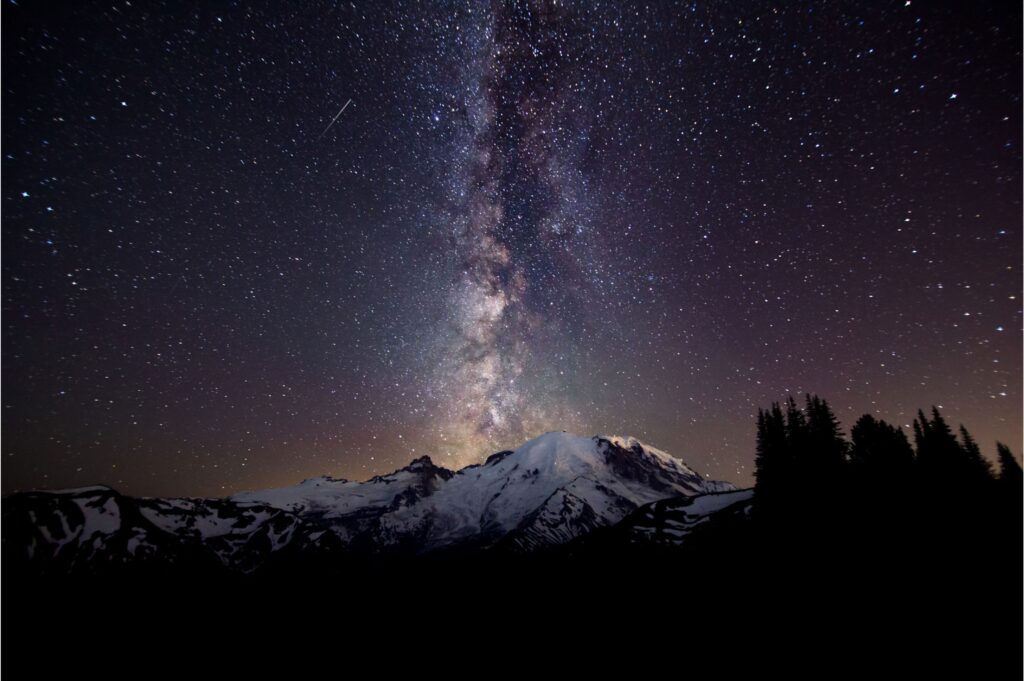
As winter settles in, many people find themselves pausing under the night sky, struck by how bright and sharp the stars appear. From city outskirts to open deserts, cold winter nights often deliver some of the clearest and most beautiful views of the heavens. This seasonal sparkle has a lot to do with how winter changes the air above us.
Clearer Air, Brighter Views
One of the biggest reasons stars look brighter in winter is the quality of the air. Cold air holds far less moisture than warm air. During summer, humidity, dust, and pollution scatter light and create haze, dulling the night sky. In winter, drier air allows starlight to travel more directly to our eyes, making stars appear sharper and more intense.
Less Turbulence in the Atmosphere
Winter nights also benefit from more stable atmospheric conditions. Warm air rises and cool air sinks, and during hotter months this constant movement causes stars to flicker and blur. In colder weather, the air near the ground is steadier, reducing this distortion. As a result, stars twinkle less and shine more clearly, giving the sky a calm, crisp appearance.
Longer Nights, Darker Skies
Another factor is the length of winter nights. With the sun setting earlier and rising later, darkness lasts longer. This extended night means less leftover twilight and more time for the sky to fully darken. Deeper darkness helps faint stars stand out and makes the overall sky appear richer and more dramatic.
Winter Brings Brighter Stars
Winter also happens to showcase some of the brightest stars and most striking constellations visible from Earth. The winter sky includes brilliant stars that naturally outshine many summer stars. When combined with clearer air and darker conditions, these stars can dominate the night sky, creating the impression that everything above looks brighter than usual.
A Perfect Season for Stargazing
All these elements come together to make winter an ideal time for stargazing. Whether viewed with the naked eye or through a telescope, the night sky often feels closer, deeper, and more detailed during cold months. While the chill may keep some people indoors, those who brave the cold are often rewarded with unforgettable celestial views.
So the next time you step outside on a cold winter night and notice the stars glowing more brightly than usual, you’re witnessing nature at work—clear air, calm skies, and seasonal wonders aligning perfectly overhead.