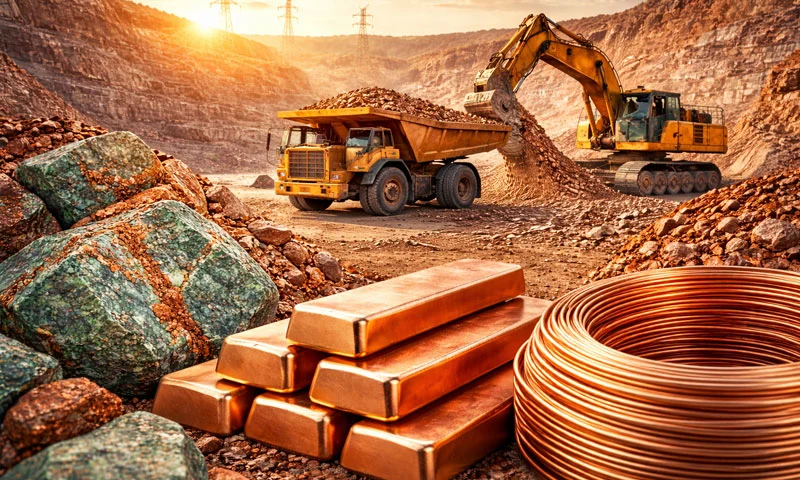
Global demand for copper is accelerating at an unprecedented pace, driven by the rapid expansion of electric vehicles, renewable energy infrastructure, power grids, and data centres supporting artificial intelligence. Industry analysts warn that without major new mining projects, the world could face a severe copper supply deficit within the next two decades — a development that has pushed long-term price forecasts sharply higher.
According to S&P Global, global copper demand is expected to increase by nearly 50% by 2040, reaching more than 42 million tonnes annually. The consultancy has cautioned that supply growth is lagging behind demand, potentially creating a shortfall of over 10 million tonnes per year if new projects do not come online in time. This imbalance is already influencing prices, with Goldman Sachs projecting copper prices could rise to $15,000 per tonne by the mid-2030s, compared to current levels that hover around $9,000–$10,000 per tonne.
Why Copper Demand Is Surging
Copper’s importance lies in its unmatched conductivity and durability. Electric vehicles require up to four times more copper than conventional cars, while solar and wind power systems depend heavily on copper wiring. Power grid upgrades, particularly in Asia, are also copper-intensive. The Asia-Pacific region, led by China, is expected to account for nearly 60% of incremental copper demand growth through 2040.
Pakistan’s Copper Potential
Against this global backdrop, Pakistan finds itself in a potentially advantageous position. The country hosts one of the world’s largest undeveloped copper-gold deposits at Reko Diq, located in Balochistan’s Chagai district. According to feasibility data released by OGDCL, the project contains an estimated 13.1 million tonnes of copper and 17.9 million ounces of gold on a 100% basis.
The project is being developed by Barrick Gold in partnership with the Government of Pakistan and the Government of Balochistan. Phase-1 production is targeted for 2028, with expected annual output of around 200,000 tonnes of copper, while Phase-2 could double that capacity.
What Experts Say
Pakistan’s Finance Minister Muhammad Aurangzeb has publicly underscored the strategic importance of copper for the country’s future. Speaking at a policy forum last year, he said:
“Copper is going to play the most critical role in the global energy transition. Copper is to Pakistan what nickel has been to Indonesia.”
Similarly, Mark Bristow, President and CEO of Barrick Gold, has repeatedly highlighted Reko Diq’s long-term value. In an official statement following the project’s feasibility update, Bristow said:
“Reko Diq is a world-class copper-gold asset with the potential to generate significant economic benefits for Pakistan over many decades, provided it is developed responsibly and sustainably.”
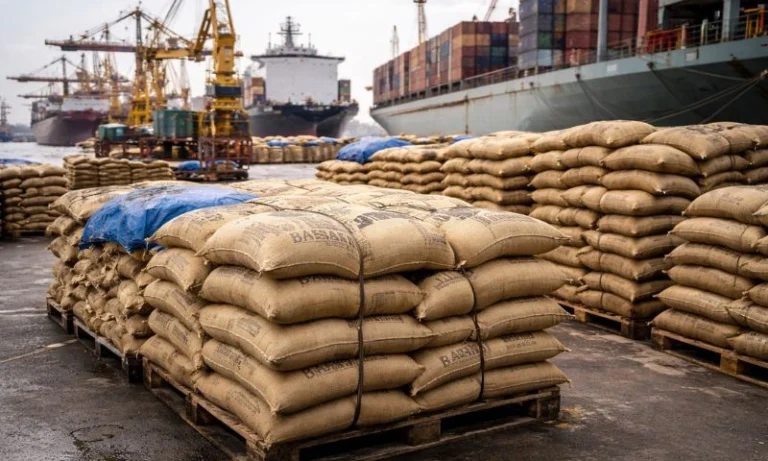
Pakistani economists argue that if managed well, copper exports could diversify Pakistan’s export base beyond textiles. Analysts have noted that mineral exports could help stabilise foreign exchange inflows and reduce balance-of-payments pressure over the long term.
Can Copper Change Pakistan’s Economic Trajectory?
Experts caution that mineral wealth alone is not enough. Security conditions, infrastructure development, transparent governance, and local value addition will determine how much Pakistan truly benefits. However, with global copper demand structurally rising and supply constrained, Pakistan’s timing could be favourable.
If projects like Reko Diq progress as planned, Pakistan could emerge as a significant supplier in a market where copper is fast becoming one of the world’s most strategic metals — potentially reshaping the country’s export profile in the coming decades.