Pakistan and China have jointly called for an immediate ceasefire in the ongoing Iran war and urged all parties to begin peace talks “as soon as possible,” as global concern grows over escalating violence in the Middle East.
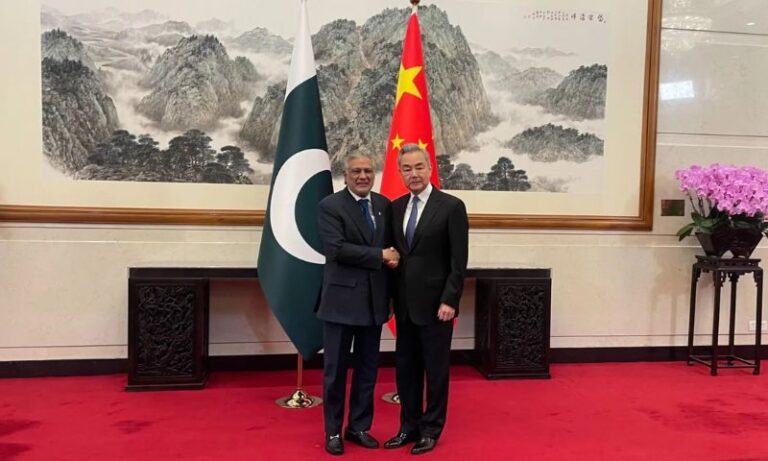
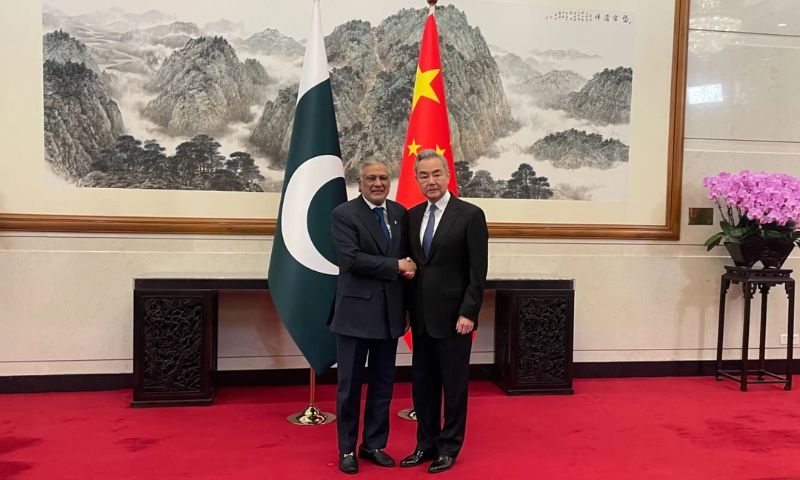
The appeal was made during diplomatic engagement between Pakistan’s Deputy Prime Minister and Foreign Minister Ishaq Dar and his Chinese counterpart Wang Yi, with both sides emphasizing the urgent need to de-escalate tensions and restore stability in the region.
According to official statements, the two countries agreed to “jointly promote a ceasefire and cessation of hostilities and the resumption of peace talks,” stressing that dialogue remains the only viable path to resolving the conflict.
🔊PR No.85/2026
Five-Point Initiative of China and Pakistan for Restoring Peace and Stability in the Gulf and Middle East Region (Beijing, March 31,2026)@MFA_China@PakinChina_https://t.co/8zjtGWe8VC
🔗⬇️ pic.twitter.com/fgWroQIX40
— Ministry of Foreign Affairs – Pakistan (@ForeignOfficePk) March 31, 2026
Urgent Call for Peace Talks
The joint stance comes amid intensifying fighting involving Iran, the United States, and Israel, which has triggered a wider regional crisis.
Both countries highlighted that initiating peace negotiations quickly is essential to prevent further escalation. A joint initiative also stressed that talks should begin “as soon as possible” to bring all sides to the negotiating table.
China reiterated that “the pressing priority is to actively promote peace talks,” underlining the importance of seizing any opportunity for dialogue to end hostilities.
Pakistan has also positioned itself as a key diplomatic bridge, maintaining communication with multiple stakeholders and offering to facilitate negotiations.
Focus on Safety of Civilians and Waterways
A major concern raised by both countries is the safety of civilians and critical infrastructure, particularly in conflict zones.
The two sides emphasized the need to ensure the protection of non-military targets and maintain the safety of key maritime routes, especially the Strait of Hormuz, through which a significant portion of global oil supplies passes.
They warned that disruption in these waterways could have severe global economic consequences, including rising fuel prices and supply chain instability.
Pakistan’s Diplomatic Role Expands
Pakistan has emerged as an important mediator in the crisis, with Islamabad offering to host peace talks between the United States and Iran.
Officials say Pakistan’s balanced relations with both sides place it in a unique position to facilitate dialogue and reduce tensions.
Foreign Minister Ishaq Dar has been actively engaging regional and global leaders, reaffirming Pakistan’s commitment to diplomacy and peaceful resolution of conflicts.
Background of the Conflict
The Iran war, which began in late February 2026 following US and Israeli strikes on Iranian targets, has rapidly escalated into a broader regional confrontation.
Iran has responded with retaliatory attacks, including strikes on Gulf states and disruption of shipping routes. The conflict has drawn international attention due to its impact on global energy markets and geopolitical stability.
Despite rising tensions, diplomatic efforts are gaining momentum, with multiple countries pushing for negotiations to prevent further escalation.
A Critical Moment for Diplomacy
The joint call by Pakistan and China reflects growing international pressure to end the conflict through dialogue rather than military means.
Analysts say that the coming days will be crucial in determining whether peace talks can be initiated or if the situation will deteriorate further.
As the crisis unfolds, both countries have reiterated that sustained diplomacy, mutual respect, and dialogue remain the only viable solutions to achieving long-term peace in the region.