Authorities in Sindh have cautioned citizens against a wave of fraudulent online advertisements falsely claiming to offer registration for the government’s “Pink Scooty Scheme,” urging the public to remain vigilant and rely only on official sources.
Fake ads exploit public interest
According to the Sindh Mass Transit Authority (SMTA), all advertisements currently circulating on social media platforms regarding paid registration or application for the Pink Scooty Scheme are “fabricated and fake.”
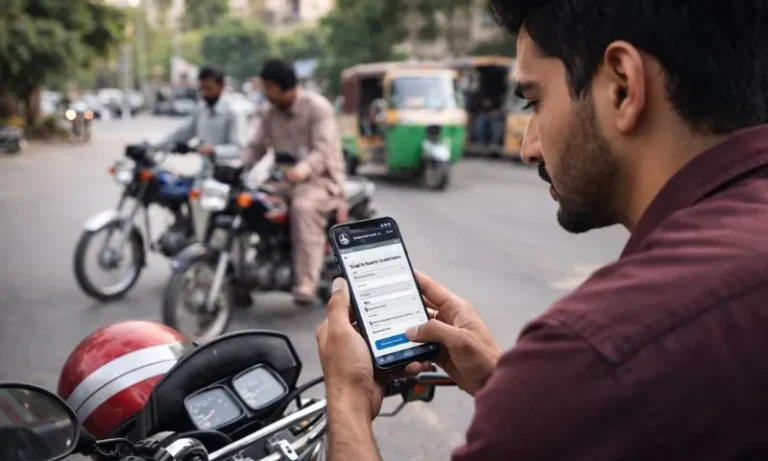
Officials said scammers are using deceptive links and forms to lure applicants, particularly women, into sharing sensitive personal information or making payments under the false pretense of securing a scooter.
The authority warned citizens “never to share personal information or documents through unofficial or suspicious links,” emphasizing that no fee is required at any stage of the legitimate scheme.
The advisory comes amid a surge in online fraud cases across Pakistan, where fake government schemes and subsidy programs are increasingly being used as bait.
Read More: New Pink Button Alert System Introduced to Boost School Safety in Punjab
Genuine scheme remains free and official
The Pink Scooty Scheme is a Sindh government initiative aimed at empowering women by providing free electric scooters to eligible applicants through a transparent balloting process.
Officials reiterated that applications can only be submitted through the official government portal, and any third-party website or social media account claiming otherwise should be treated with suspicion.
The scheme, launched as part of broader efforts to improve women’s mobility and safety, includes formal driving training and road safety awareness for beneficiaries. Authorities say the initiative is designed not only to ease daily commuting but also to promote environmentally friendly transport solutions.
Growing digital scams trigger wider concern
Experts note that such scams often exploit high-demand welfare programs, especially those targeting women, youth, or low-income groups. Cybersecurity analysts advise users to verify URLs, avoid clicking on unsolicited links, and cross-check information through official government websites or verified social media accounts.
The Sindh government has taken “serious notice” of the fake campaigns and indicated that legal action is being pursued against those involved in spreading misleading content.
Authorities have also urged citizens to report suspicious advertisements to relevant agencies, including the Federal Investigation Agency, to help curb the spread of digital fraud.
As online platforms continue to blur the line between official announcements and imitation, officials stress that caution remains the first line of defense. In a space where a single click can cost more than money, awareness may be the only safeguard.