Eid has always been a time of joy, family gatherings, new clothes, and festive meals in Pakistan. However, rising inflation in recent years has begun to reshape how many families celebrate the festival. From smaller shopping budgets to simpler gatherings, economic pressures are changing long-standing Eid traditions across the country.
Pakistan has experienced significant price volatility in recent years. Although inflation has moderated from the extremely high levels of 2023, price pressures remain a major concern for households. According to official data, Pakistan’s consumer inflation was around 5.6 percent year on year in December 2025, while earlier years saw inflation surge to nearly 30 percent at its peak.
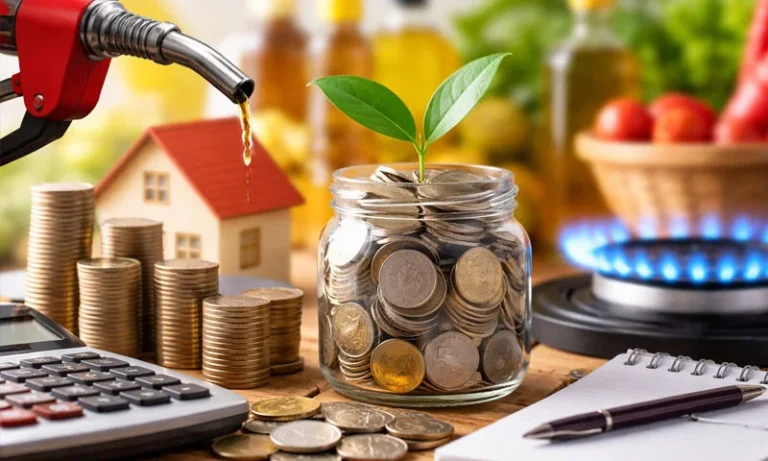
Economic pressures are also increasing due to higher energy costs. Two days back, Pakistan raised fuel prices by about 55 rupees per liter, pushing petrol above 321 rupees per liter, a move that analysts say could raise transportation and food costs further.
For many families, this means adjusting their Eid spending plans.
Smaller Shopping Budgets for Eid
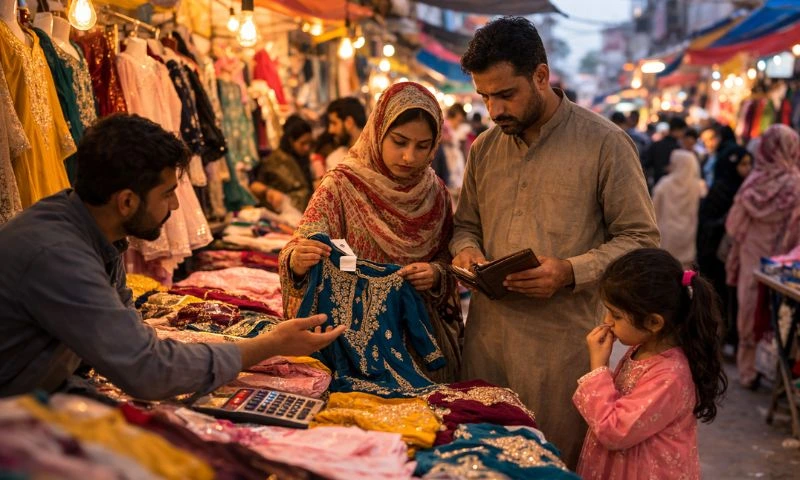
Traditionally, Eid shopping includes new clothes, shoes, gifts, and decorations. Markets in cities like Karachi, Lahore, and Islamabad usually see massive crowds before Eid. However, shopkeepers say customers are now more cautious.
Many families are buying fewer clothes or opting for discounted items and local brands instead of expensive designer outfits. Parents are also limiting purchases for children to essentials. Retailers in major markets report that customers are asking for cheaper alternatives and waiting for Eid sales before making purchases.
Data on consumer spending during Ramadan shows how important the season is for households. Studies indicate grocery spending in Pakistan often rises sharply during Ramadan, increasing by over 40 percent in the week before the month begins as families prepare for the holy period and Eid celebrations.
However, inflation means households are reallocating budgets toward food and essentials rather than clothing or gifts.
Simpler Gatherings and Homemade Meals
Inflation is also affecting Eid food traditions. Instead of large gatherings with elaborate meals, some families are hosting smaller get-togethers or cooking simpler dishes at home.
Meat, cooking oil, and sugar prices have fluctuated in recent years, making traditional sweets and festive dishes more expensive. As a result, many households are reducing food waste and focusing on fewer menu items.
Some families are also replacing restaurant outings with home celebrations to save money.
Digital Eidi and Changing Traditions
Another noticeable shift is the growing use of digital payments for Eidi, the cash gift traditionally given to children. Mobile wallets and bank transfers are increasingly used by families who live apart or want to manage spending more carefully.
Economists note that while inflation has eased compared with previous years, rising energy prices and global uncertainties could still affect household budgets in the near future. Analysts expect Pakistan’s inflation to average around 6 to 8 percent in the coming months, depending on global oil prices and domestic demand.
Despite these challenges, Eid remains a deeply meaningful celebration for Pakistani families. Many people say the essence of Eid lies not in spending but in togetherness, generosity, and gratitude.