Technology in 2026 feels less futuristic and more personal. Instead of flashy promises, this year focuses on practical impact. Artificial intelligence, faster connectivity, and smarter devices now shape daily life.
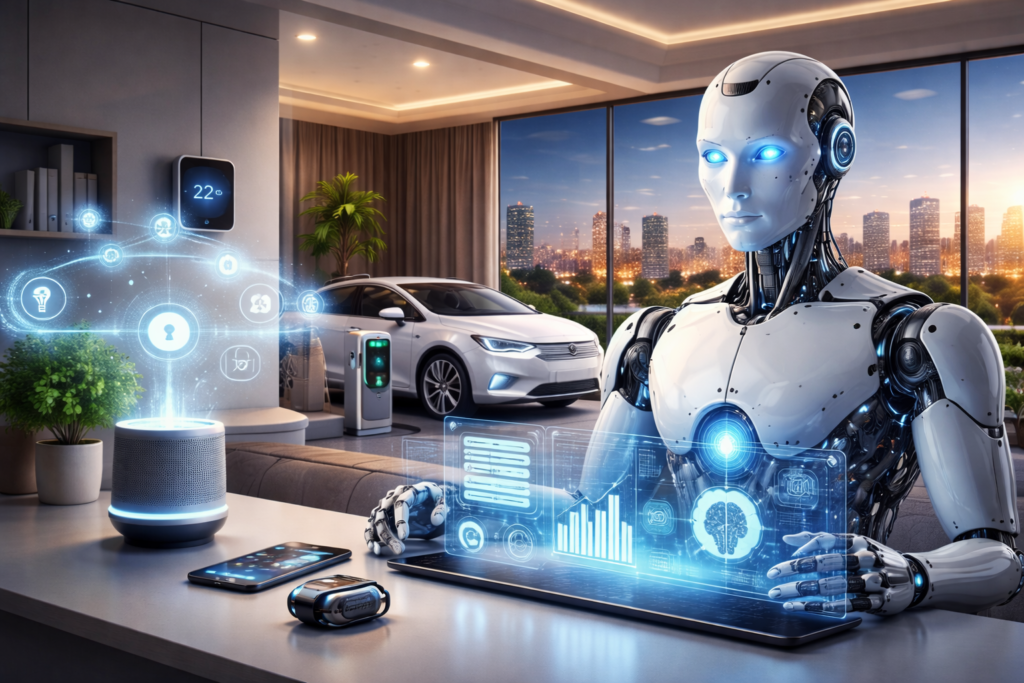
AI stands at the center of this shift. Businesses increasingly use AI to improve efficiency, not replace humans. Customer service, healthcare diagnostics, and content creation benefit most. In 2026, regulators push for ethical use, transparency, and accountability. The conversation has moved from “can we” to “how should we.”
Connectivity also improves steadily. While full 6G remains years away, telecom providers expand fiber networks and enhance 5G performance. Faster speeds support remote work, online education, and digital health services. For developing countries, better connectivity reduces economic gaps rather than widening them.
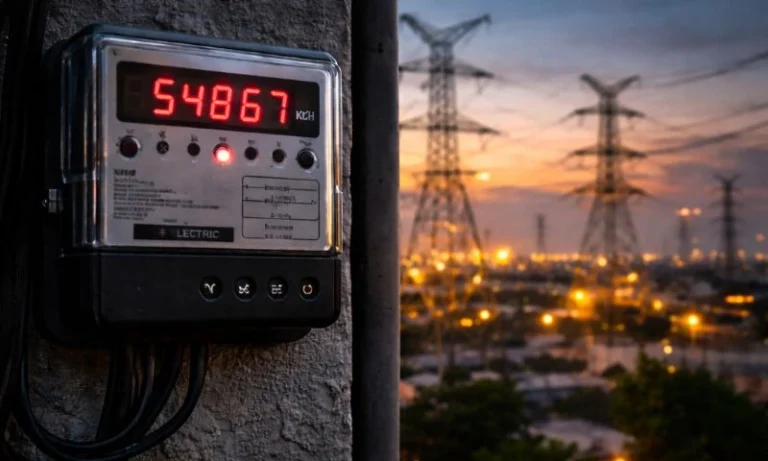
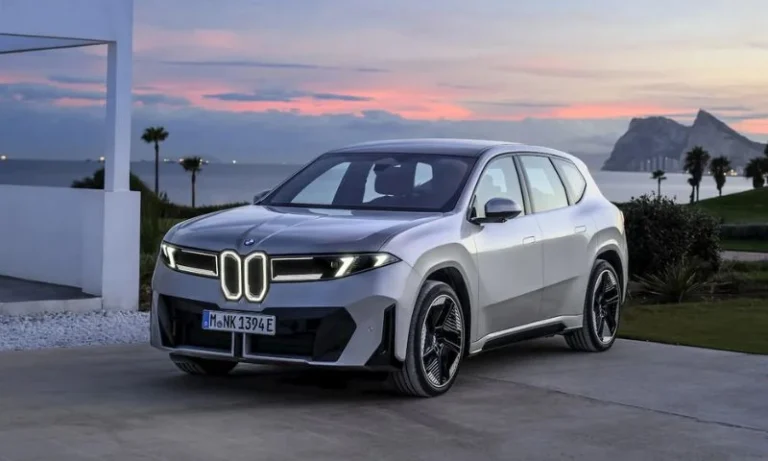
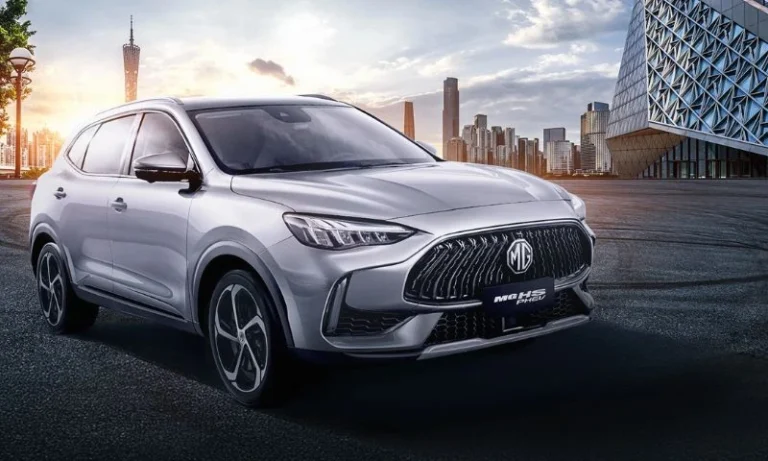
Smart living grows quietly. Homes, cars, and cities rely more on automation. Energy-efficient systems, smart meters, and connected transport aim to reduce costs and emissions. In 2026, technology focuses less on luxury and more on utility.
Cybersecurity becomes a shared responsibility. As digital dependence increases, so do risks. Governments and companies invest more in protection, while users learn basic digital hygiene. Experts warn that awareness matters as much as software.
Tech companies also face pressure to rebuild trust. Consumers demand privacy, fairness, and reliability. Transparency now influences brand loyalty as much as innovation.
Overall, 2026 marks a turning point. Technology stops feeling experimental and starts feeling essential. The winners will be those who make tech useful, safe, and inclusive.