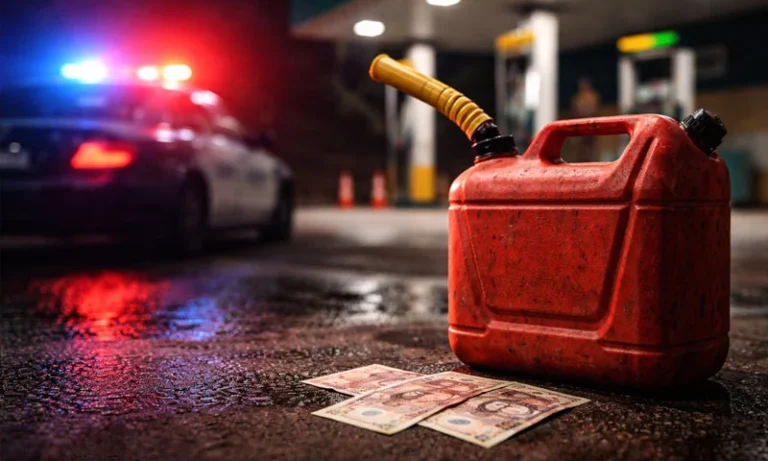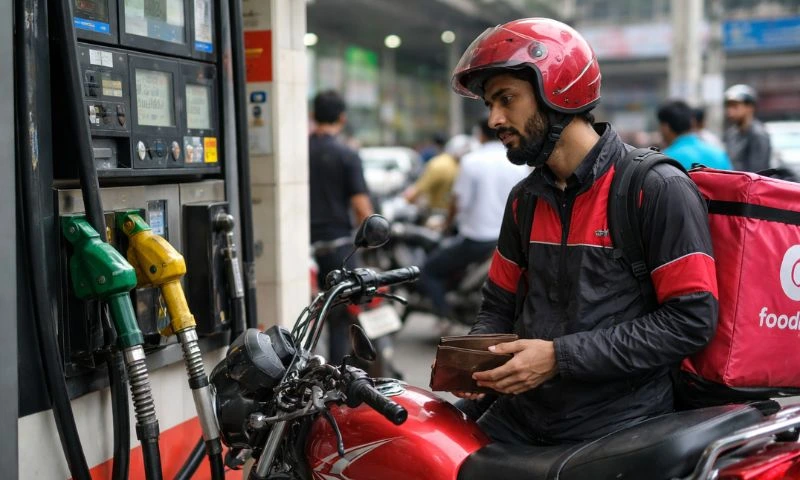
Pakistan’s latest fuel price increase is placing intense financial pressure on thousands of delivery riders, exposing the fragile economics of the country’s rapidly growing gig economy. With petrol prices crossing Rs321 per litre, riders who depend on motorcycles for daily earnings are now struggling to sustain both their work and household expenses.
Rising Costs, Shrinking Earnings
The immediate impact of the price hike is visible in daily operations. Riders are spending significantly more on fuel while earning nearly the same amount per delivery.
Mohammad Murtaza Ali, a food delivery rider, described the situation in stark terms. He said, “Things were going fine earlier, but since petrol prices increased, we’re facing a lot of difficulties at home.” He added, “Earlier, we’d spend around 500 rupees on petrol; now it’s 800 rupees.”
This sharp rise in fuel expenses has forced riders to either work longer hours or accept lower take-home income. In many cases, both are happening simultaneously.
A Crisis Deepened by Global Factors
The fuel price surge is not occurring in isolation. It is linked to global oil market disruptions, particularly tensions affecting supply routes such as the Strait of Hormuz. Pakistan, which relies heavily on imported oil, passes these rising costs directly to consumers.
Recent increases of around Rs55 per litre have amplified the burden on daily wage earners, especially those in the delivery sector who operate on thin margins.
Ripple Effects Across Urban Economy
The impact extends beyond riders. Delivery services are a critical part of urban life, handling food, groceries, medicines, and parcels across major cities.
As fuel costs rise, delivery platforms face a difficult choice. They can either increase rider payouts or raise delivery charges. If neither happens, riders absorb the losses themselves.
This creates a chain reaction. Higher operational costs can lead to increased delivery fees, which may reduce customer demand. At the same time, lower incentives could reduce rider availability, affecting service quality and delivery times.
Ramadan Adds More Pressure
The timing of the fuel hike has made the situation worse. During Ramadan, household expenses typically rise, but riders are seeing their disposable income shrink.
Many riders are now struggling to meet basic needs. Some reports indicate that workers are even relying on charity meals to cope with rising costs.
What Lies Ahead
If fuel prices remain elevated, the pressure on Pakistan’s delivery ecosystem will likely intensify. Riders may exit the sector, delivery costs could increase, and urban mobility patterns may shift.
The crisis highlights a larger structural issue. Gig workers form a key part of Pakistan’s informal economy, yet they lack financial protection when external shocks occur.
Final Analysis
Pakistan’s fuel price surge is not just a transport issue. It is a socio-economic challenge affecting livelihoods, urban services, and consumer costs. Delivery riders continue to keep cities running, but with every increase in petrol prices, their sustainability becomes harder to maintain.