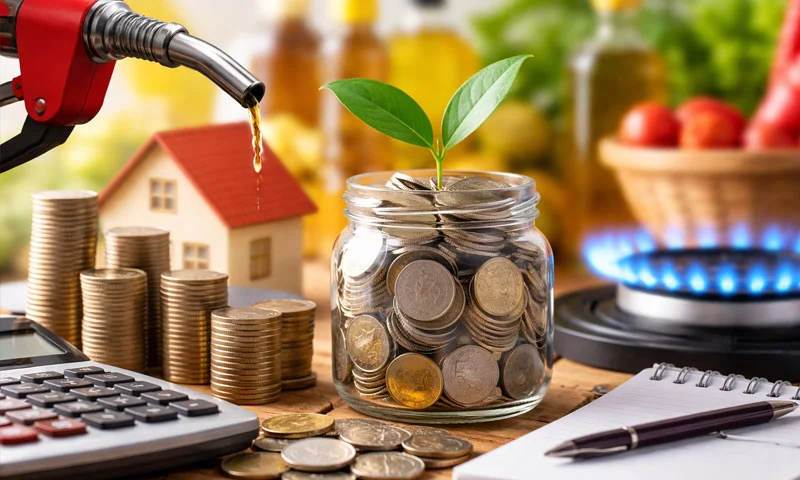
The ongoing conflict in the Middle East has triggered a fresh wave of global inflation, with rising fuel prices pushing up the cost of goods and services worldwide. From food and transportation to utilities and daily essentials, households across countries, including Pakistan, are feeling the financial strain. Governments and financial experts are increasingly urging citizens to adopt cost-cutting measures and smarter spending habits to navigate the economic pressure.
Why Prices Are Rising Across the Board
Fuel remains the backbone of global trade and logistics. As oil prices climb due to regional instability, transportation costs surge, leading to a domino effect on food, manufacturing, and retail prices. This ripple effect has made inflation more persistent and harder to control, especially in developing economies.
Where Can You Cut Expenses Effectively?
While inflation is unavoidable, strategic financial adjustments can significantly reduce its impact.
1. Energy Consumption
Electricity and gas bills can be reduced by:
- Switching to energy-efficient appliances
- Using LED lighting
- Limiting peak-hour usage
2. Transportation
Fuel costs are one of the biggest contributors to monthly expenses:
- Carpooling or using public transport
- Combining errands into fewer trips
- Maintaining vehicles for better fuel efficiency
3. Food and Groceries
Food inflation is rising globally:
- Buying in bulk for essential items
- Choosing local and seasonal products
- Reducing food waste through meal planning
4. Subscriptions and Digital Spending
Many households overlook:
- Unused streaming subscriptions
- Paid apps and memberships
- Auto-renewals
Cutting these can save a surprising amount monthly.
Smart Saving Strategies People Often Ignore
1. “Micro-Saving” Habit
Saving small amounts daily or weekly can build significant reserves over time. Even spare change strategies or rounding-off savings can work.
2. Cash-Based Budgeting
Using cash instead of digital payments helps control impulsive spending and increases financial awareness.
3. Bulk Utility Planning
Prepaid packages, annual subscriptions (when discounted), and shared family plans often reduce long-term costs.
4. Repair Instead of Replace
In an inflationary environment, repairing electronics, clothes, and furniture can save substantial money.
5. Community Sharing Economy
Borrowing, renting, or sharing tools, appliances, or even rides within communities is becoming a cost-effective trend globally.
The Bigger Picture: A Shift Toward Financial Discipline
Experts believe that this wave of inflation may persist longer than expected. As a result, households must move beyond temporary cost-cutting and adopt long-term financial discipline. Budget tracking, emergency funds, and conscious spending are no longer optional but essential.
In a world where economic shocks are becoming more frequent, adapting smarter financial habits can make the difference between financial stress and stability.