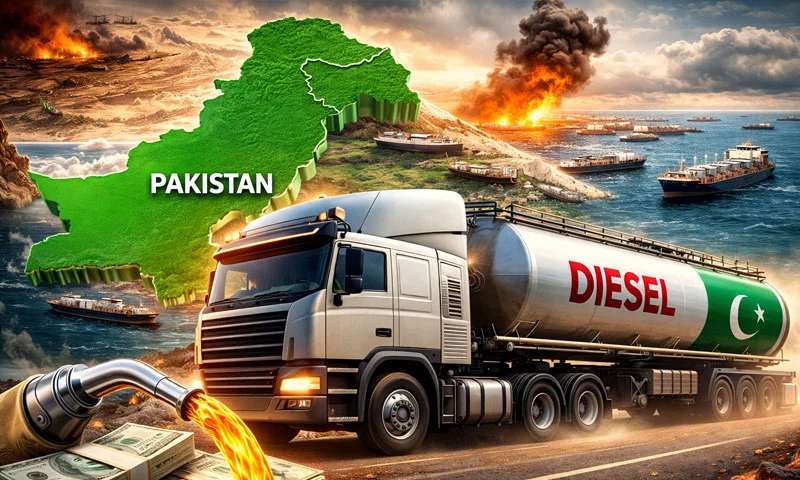
The government has confirmed that Pakistan has secured sufficient petrol and diesel imports for March and April 2026, as authorities move to ensure uninterrupted fuel supply amid rising global energy concerns.
A meeting of the Committee to Monitor Petrol Prices, chaired by Finance Minister Senator Muhammad Aurangzeb, reviewed the country’s petroleum supply outlook and global energy market trends following the Eid holidays.
Officials were informed that national fuel inventories and supply chains remain stable, supported by refinery operations, scheduled cargo inflows, and secured import arrangements for the coming months.
Fuel Stocks and Supply Chains Remain Stable
According to the official briefing, Pakistan currently has comfortable petroleum reserves and a stable supply chain.
Authorities confirmed:
- National fuel inventories are sufficient
- Supply chains are functioning smoothly
- Refinery operations are running steadily
- Cargo shipments are scheduled and arriving on time
- Import arrangements for March and April have been secured
The government stressed that these measures ensure uninterrupted availability of petroleum products across the country.
Govt Monitoring Global Energy Trends Closely
The committee also reviewed international oil prices and geopolitical developments, which have caused volatility in global energy markets.
Officials assessed:
- Fluctuations in global crude oil prices
- Impact of Middle East tensions on supply
- Shipping, freight, and insurance costs
- Risks to global supply routes such as the Strait of Hormuz
- Possible future scenarios for oil markets
Recent data shows that global oil prices have surged sharply due to regional conflicts, forcing Pakistan to increase petrol and diesel prices by Rs55 per litre earlier this month.
Import Strategy and Diversification Efforts
To reduce risk and strengthen supply resilience, the government is actively diversifying its fuel sourcing strategy.
Key measures include:
- Securing multiple cargo shipments from different regions
- Strengthening logistics and import arrangements
- Exploring alternative routes beyond high-risk zones
- Enhancing coordination with international partners
Officials said these steps are aimed at minimizing disruption in case of further geopolitical escalation.
Rising Costs and Economic Pressure
Authorities also acknowledged the financial impact of rising oil prices.
Officials warned:
- Pakistan’s oil import bill could rise significantly
- Monthly import costs may increase by up to $600 million
- Higher global prices could affect domestic inflation
The government has introduced weekly fuel price reviews to better respond to rapid market changes.
Govt Directs Strict Monitoring and Coordination
Finance Minister Muhammad Aurangzeb emphasized proactive planning and close coordination among all stakeholders.
He directed relevant authorities to:
- Maintain vigilant monitoring of fuel supply
- Prevent hoarding and market manipulation
- Ensure smooth distribution nationwide
- Strengthen coordination with provinces
Officials reiterated that uninterrupted availability of petroleum products remains the government’s top priority.
A Crucial Period for Energy Stability
The developments come at a time when global energy markets remain highly uncertain due to geopolitical tensions.
Experts say Pakistan’s timely import planning and supply management will be critical in maintaining economic stability and avoiding shortages.
With imports secured and monitoring mechanisms in place, the government aims to keep fuel supply stable despite ongoing global challenges.