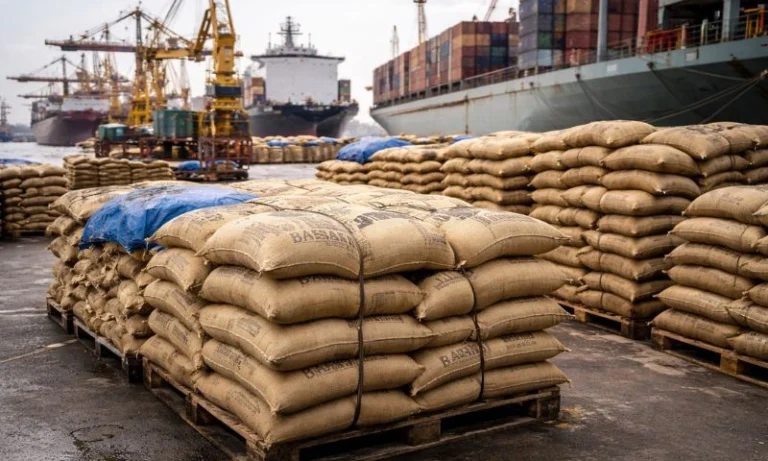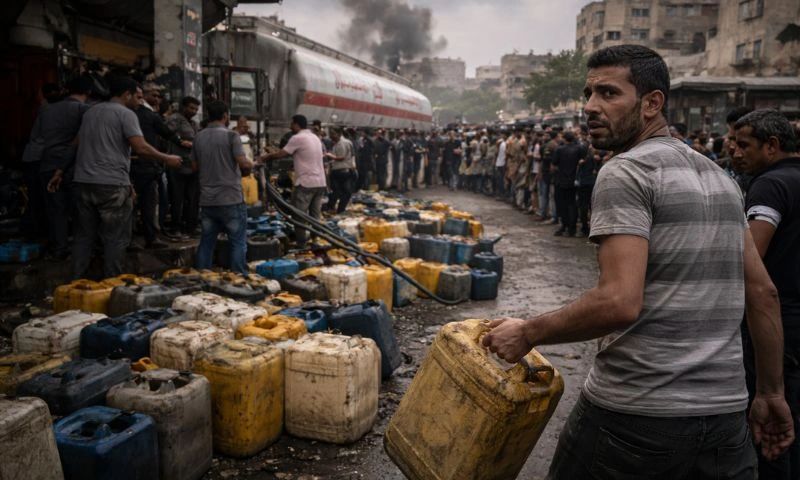
The Gaza Strip is rapidly running out of fuel and essential supplies as Israel has closed all border crossings into the territory amid the widening conflict with Iran, humanitarian officials warn. This latest development has sparked a fresh crisis in the already war-shattered enclave, threatening hospitals, water systems and daily life for more than two million Palestinians.
Fuel Shortages Deepen Humanitarian Crisis
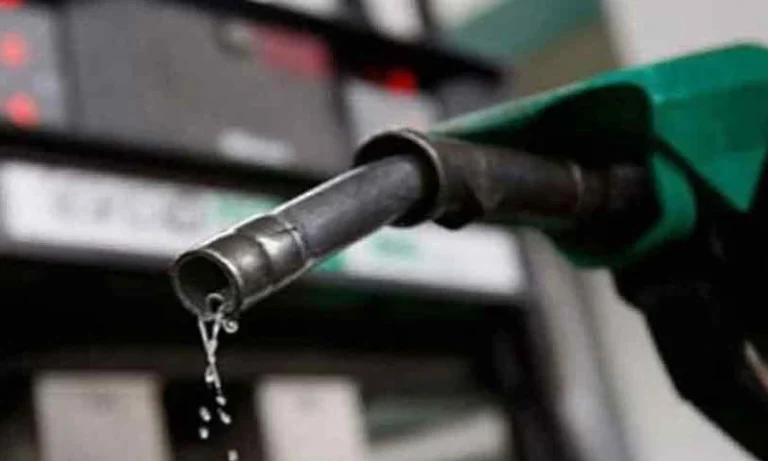
Gaza relies almost entirely on fuel imports from Israel and Egypt for electricity generation, water pumping, sanitation and essential services. With the closure of border crossings following joint Israeli and U.S. strikes on Iran, fuel stocks in the territory are running dangerously low. Local officials and humanitarian workers say that supplies of fuel could be exhausted in a matter of days if the borders remain shut.
United Nations officials directly involved in fuel distribution expressed alarm. Karuna Herrmann, who directs fuel distribution in Gaza, said, “I expect we have maybe a couple of days’ running time.” Aid workers also warn that stocks of food staples such as flour, vegetables and cooking oil could soon become scarce if help is not permitted to enter.
Read More: Netanyahu Meets Trump in Florida as Gaza Ceasefire and Iran Tensions Take Center Stage
Border Closures Interrupt Aid and Trade
The Israeli military’s closure of all crossings into the Gaza Strip has effectively halted the delivery of fuel, food, medical supplies and other humanitarian goods. The Kerem Shalom and Rafah crossings, vital gateways for aid into Gaza, have been closed in response to broader regional hostilities tied to the ongoing Iran conflict. Israel’s COGAT agency, which manages access to Gaza, stated that previous deliveries of aid should be sufficient but did not specify how long existing supplies would last.
The Rafah crossing with Egypt, which had recently been reopened for limited movement, has also been affected by the border closure, complicating travel and aid delivery for thousands of displaced Gazans. Humanitarian organisations had expressed hopes that Rafah could serve as an alternative route for essential goods; however, those plans have been disrupted.
Read More: Iranian Airstrikes Shake Dubai’s Reputation as Safe Tourism Haven
Impact on Healthcare and Daily Life
Fuel shortages pose an immediate threat to hospitals and medical facilities in Gaza, many of which already face challenges due to the ongoing conflict. Without fuel to run generators, medical equipment, incubators and oxygen systems could fail, endangering patients who depend on uninterrupted power for life-saving treatments. Historical crises during earlier sieges have shown the lethal consequences of fuel and electricity shortages in Gaza’s health sector, with previous hospital outages linked to avoidable deaths.
Beyond hospitals, water and sanitation systems in Gaza depend on fuel to pump clean water and operate sewage treatment. A fuel cutoff could quickly disrupt safe water supplies, increasing the risk of disease and compounding suffering in communities already displaced by years of conflict.
Voices from Gaza and the International Community
Residents voice frustration and fear over the worsening conditions. Hamada Abu Laila, a displaced Palestinian in Gaza, said the closures could bring back memories of a past famine: “Why is it our fault, in Gaza, with regional wars between Israel, Iran, and America? It is not our fault.” His remarks reflect deep anger at being caught between geopolitical conflicts that have direct consequences for civilian survival.
International aid agencies and rights groups have called for immediate reopening of border crossings and unhindered humanitarian access, emphasising that fuel and food are essential for civilian life and protecting vulnerable populations amid war.