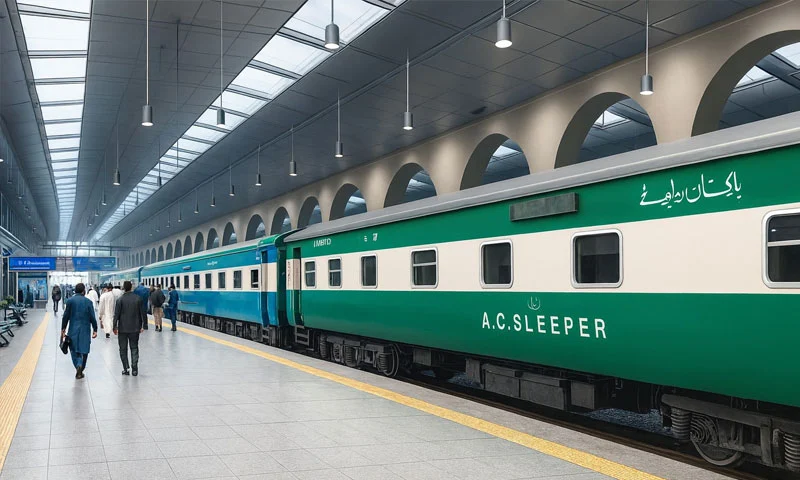
The federal government has decided to keep train fares unchanged despite a sharp rise in fuel prices, in a move aimed at protecting passengers from further financial pressure. The decision comes at a time when petrol and diesel prices have surged significantly, increasing the cost of transportation across the country.
Officials confirmed that passenger train fares will remain frozen, with the government choosing to absorb the additional financial burden instead of passing it on to commuters.
Relief Amid Fuel Price Surge
The move is part of a broader relief strategy designed to ease the impact of rising fuel costs on ordinary citizens. With fuel prices climbing due to global market pressures and domestic adjustments, transport fares across the country have already been increasing, affecting daily commuters and low income groups.
By freezing train fares, authorities aim to provide an affordable travel option, especially for those who rely on railways for long distance journeys. Officials said the decision would help maintain accessibility and prevent further inflationary pressure on essential travel.
Government to Bear Financial Burden
To sustain the decision, the government has committed to covering the additional operational costs incurred by Pakistan Railways due to higher diesel prices. Reports indicate that billions of rupees will be allocated to compensate for the shortfall created by the fare freeze.
This approach reflects a shift toward targeted relief measures, where the state absorbs part of the cost to ensure public services remain affordable during economic stress.
The decision marks a reversal from earlier trends, when Pakistan Railways had increased fares following fuel price hikes. In March, fares for passenger and freight trains were raised after diesel prices surged, adding to the financial burden on travelers.
The latest move signals a policy change, prioritising public relief over cost recovery in the short term.
Experts say freezing train fares could help stabilize transportation costs and reduce pressure on prices of essential goods, as railways play a key role in both passenger travel and freight movement.
Maintaining stable fares may also encourage more people to shift from road to rail transport, which is often more cost effective and fuel efficient. At a time when inflation remains high, such measures are seen as crucial in supporting household budgets.
The fare freeze is part of a wider set of relief initiatives being implemented across Pakistan in response to the ongoing fuel crisis. Governments at both federal and provincial levels have announced subsidies and support packages targeting transport, agriculture and low income groups.
Officials have indicated that these measures are temporary and may be reviewed once fuel prices stabilize and economic conditions improve.