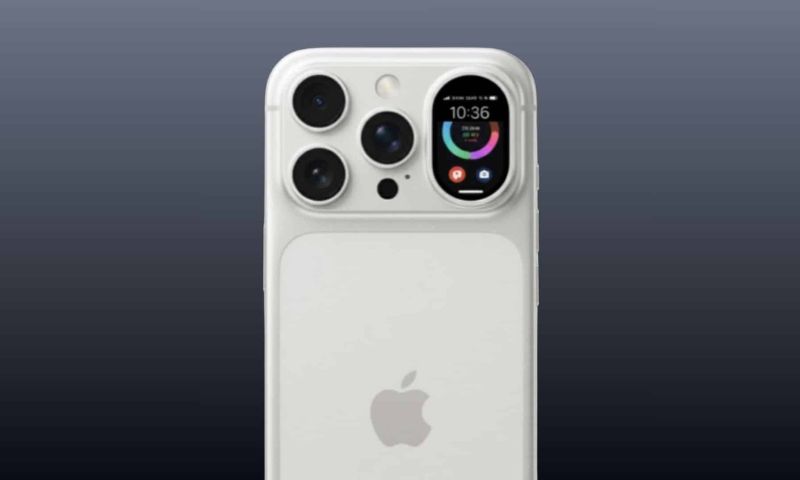
Apple fans may need to wait a little longer than expected before they get their hands on the full iPhone 18 series. Recent reports suggest a significant shift in Apple’s 2026 product roadmap, with the standard iPhone 18 possibly delayed until 2027, while the Pro models arrive on schedule in 2026. This staggered launch plan could change how buyers and investors see Apple’s next generation of smartphones.
Industry analysts believe the decision stems from Apple’s desire to focus on Premium features first. Sources say the Pro models — known internally as the iPhone 18 Pro and iPhone 18 Pro Max — will launch by fall 2026, carrying the latest upgrades in performance, display technology, and camera systems. Meanwhile, the standard iPhone 18, traditionally the mass-market model, may be pushed to early 2027.
Why such a split rollout? There are several theories. One says Apple wants to capitalize early on high-end consumer demand, especially while competitors like Samsung and Google have slowed their flagship cycles. Another view points to supply chain realities. Engineers reportedly need more time to perfect advanced features for the standard model without disrupting Apple’s tight quality standards.
For buyers, this split could mean a longer wait for the price-friendly iPhone 18, even as Pro fans get premium hardware sooner. The delayed standard launch might also affect carrier promotions and trade-in cycles that depend on annual refresh schedules. Industry watchers say Apple may be trying to avoid overlapping launches that cannibalize sales from year to year.
Investors are watching closely. Apple’s stock often reacts to product timing signals, especially when expectations are high for annual upgrades. Delays in flagship releases can impact quarterly revenue forecasts, and analysts will be listening for official word from Apple in upcoming earnings calls.
Despite the uncertainty, one thing remains clear: Apple is aligning its launch strategy with broader market trends and internal priorities. If the new timeline holds, Apple could reshape how smartphone generations are rolled out. The result might be a longer gap between releases — but with more compelling upgrades for those who wait.