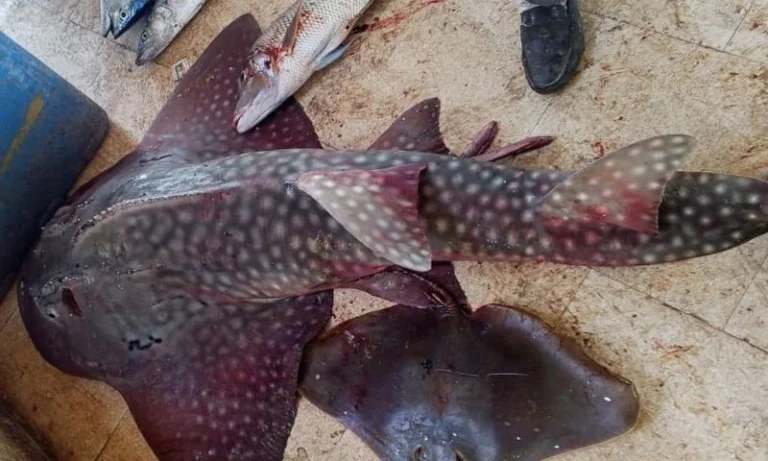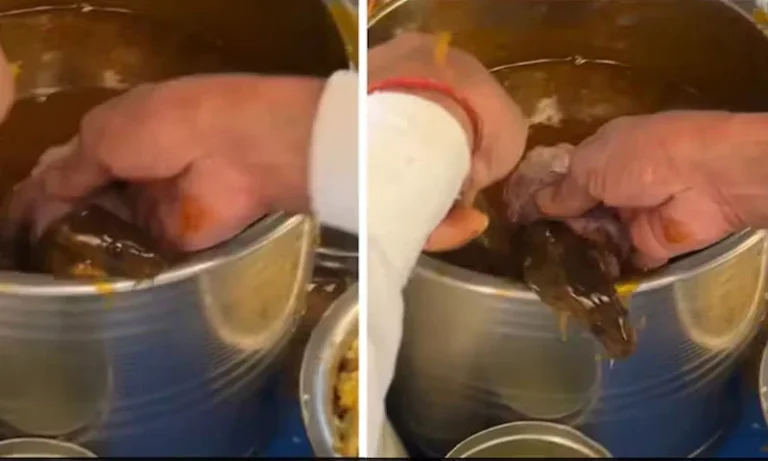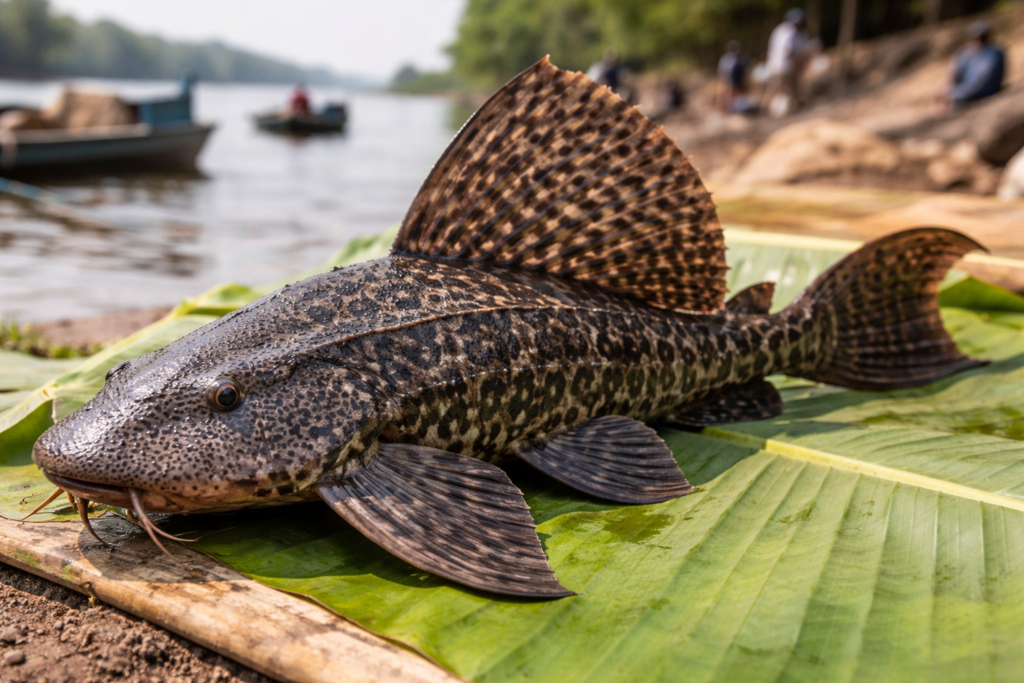
On a calm morning in early January, fishermen at Karachi Fish Harbour pulled something unusual from a crate that had come from a shallow pond near Sukkur. At first glance, the fish looked alien — armored with thick bony plates, unlike anything local workers had seen. They had stumbled onto the Amazon sailfin catfish, a foreign species now spreading through Sindh and Lower Punjab waterways.
Native to the Amazon River basin in Latin America, this catfish is popular among aquarium lovers around the world. But when released — intentionally or accidentally — it becomes a hardy invader. Experts warn it now thrives in Pakistani waters so widely that controlling or removing it is nearly impossible.
For decades, Pakistan has seen waves of exotic fish introductions. Brown trout and rainbow trout were first brought in nearly a century ago for sport fishing in Khyber Pakhtunkhwa. Later, tilapia, carp, and other species were introduced to increase fish production or manage weeds. Many of these later adapted to local waters and turned invasive, upsetting fragile ecosystems.
What makes the sailfin catfish particularly worrying is its behavior. It feeds voraciously on smaller fish and aquatic organisms, directly competing with native species for food and space. It also burrows into banks and alters habitats. These actions can reduce water quality and may contribute to local species disappearing over time.
Environmentalists say the problem goes beyond biodiversity loss. As these fish dominate water bodies, they can hurt commercial fishing, reduce yields for local fisherfolk, and even impact water clarity. WWF-Pakistan has called this spread a serious ecological threat, urging authorities to monitor imported fish, establish quarantine controls, and study invasive impacts more closely.
Some communities around lakes and reservoirs already report declines in traditional fish catches. Without quick action, scientists fear more native species could vanish, and ecosystems once rich in diversity could become imbalanced. The sailfin catfish is a reminder that when humans move species across the globe, the results can ripple far and wide.