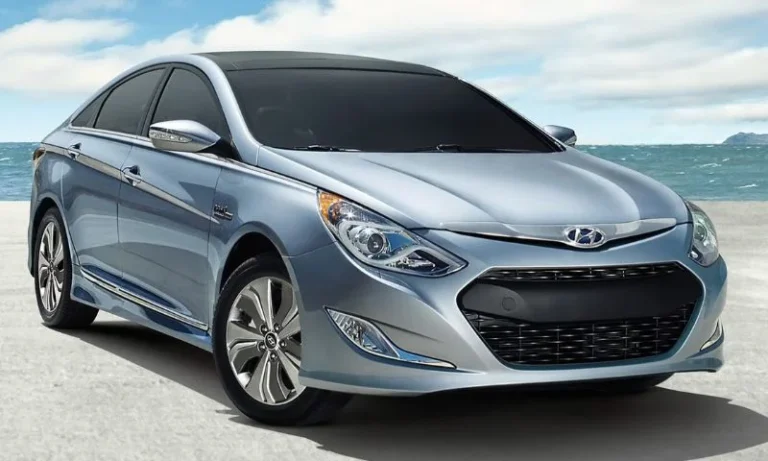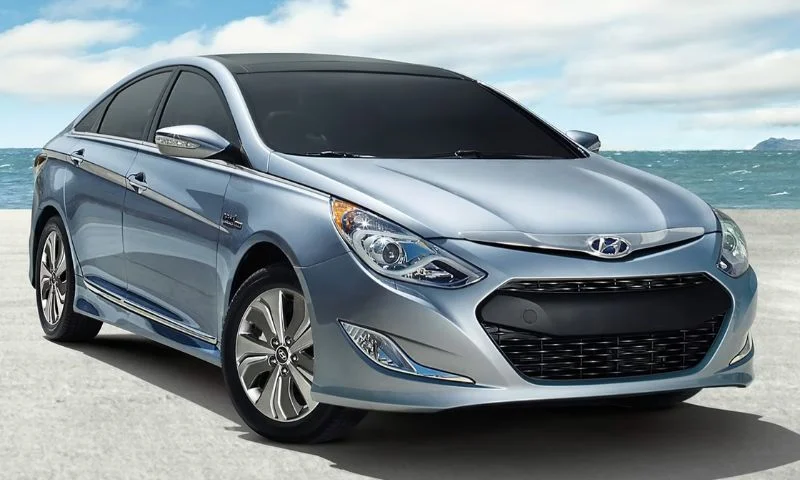
Hyundai Nishat Motors has introduced a zero-markup financing plan for its Sonata hybrid sedan, as automakers in Pakistan intensify efforts to stimulate demand amid rising vehicle prices and slowing consumer purchasing power.
The offer allows buyers to purchase the Sonata hybrid through installment plans without interest charges, making it one of the few zero-markup financing options currently available in the country’s premium sedan segment.
According to details shared by the company, the scheme enables customers to spread payments over a fixed tenure while avoiding additional financial burden linked to markup, a key concern for buyers in Pakistan’s high-interest-rate environment.
Industry observers say such offers are increasingly being used by automakers to maintain sales momentum in a market that has seen significant contraction due to inflation and currency depreciation.
Zero-markup plan targets affordability
Under the financing structure, customers are required to make a substantial upfront payment, typically ranging between 45 to 50 percent of the vehicle’s price, with the remaining amount payable in monthly installments over a period of up to 18 months.
The Hyundai Sonata, one of the brand’s flagship sedans in Pakistan, is priced between approximately Rs10.3 million and Rs16.5 million depending on the variant.
The zero-markup feature removes interest costs from the financing plan, although administrative charges may still apply, according to industry data.
Hyundai has previously introduced similar financing offers on other models, including the Elantra Hybrid and Santa Fe Hybrid, as part of a broader push to promote hybrid vehicles in the local market.
Experts say hybrid vehicles are gaining traction in Pakistan due to rising fuel prices and increasing awareness around fuel efficiency.
Automakers turn to financing deals
Pakistan’s auto sector has faced prolonged challenges over the past two years, including production cuts, import restrictions and declining consumer demand.
High interest rates and rising car prices have made it difficult for buyers to afford vehicles through conventional financing, prompting manufacturers to introduce alternative payment models.
Analysts note that zero-markup plans can help bridge the affordability gap, particularly for middle- to high-income consumers seeking premium vehicles without taking on high-interest loans.
At the same time, the shift toward hybrid vehicles aligns with broader global trends, as automakers look to offer fuel-efficient alternatives in markets affected by volatile energy prices.
However, experts caution that such financing schemes often require significant upfront payments, which may limit accessibility for a wider segment of buyers.
Still, the latest offer reflects growing competition in Pakistan’s auto market, where brands are increasingly relying on flexible payment options and promotional campaigns to attract customers.
As economic pressures persist, similar initiatives are expected to continue shaping purchasing trends, particularly in the hybrid and premium vehicle segments.