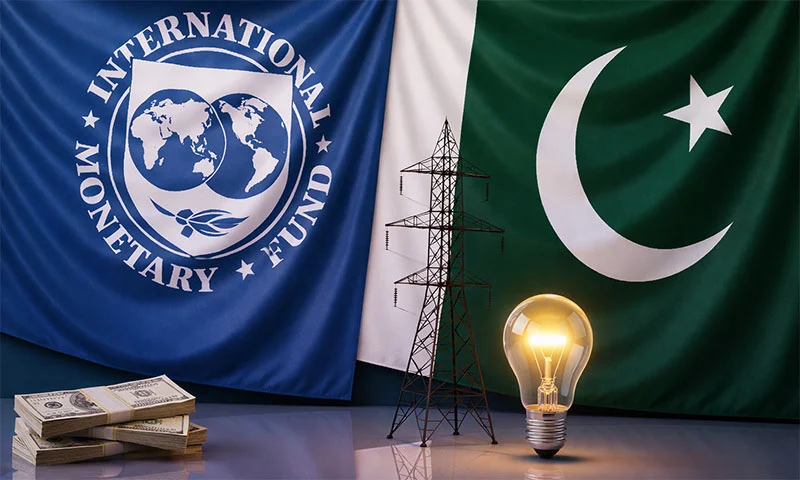
The International Monetary Fund (IMF) is actively engaged in discussions with Pakistani authorities on proposed electricity tariff revisions, emphasising that any changes should avoid placing undue burdens on middle- and lower-income households, the Fund said in a statement to Reuters. These talks form part of Pakistan’s efforts to meet conditions under its $7 billion Extended Fund Facility (EFF) as another review of the programme approaches.
The IMF noted that the ongoing consultations will analyse whether Pakistan’s proposed tariff overhaul aligns with commitments under the EFF and assess the potential effects on macroeconomic stability and inflation. Pakistan faces a sensitive economic backdrop, with inflation having eased sharply from nearly 40 percent in 2023 but still remaining a key concern for policymakers.
Electricity carries a significant weight in Pakistan’s consumer price index (CPI), making any tariff changes politically and economically sensitive. Family budgets and household spending patterns are directly affected by power costs, especially as electricity prices account for a large share of utility expenses nationwide.
The Fund’s statement comes after Pakistan announced a proposed overhaul of power tariffs aimed at reducing fiscal pressure on the energy sector while aiding industrial competitiveness. Analysts say the planned changes could ease burdens on industrial users by lowering commercial power prices, potentially reducing them by 13 to 15 percent. At the same time, subsidies worth about PKR 102 billion ($365 million) could be removed, shifting more of the cost burden to households.
Economic analysts warn that this tariff restructuring could add inflationary pressure in the near term. A study by Optimus Capital Management cited by analysts estimates that the proposed revisions could contribute about 1.1 percentage points to inflation over 12 months. Middle-class households consuming between 100 and 300 units of electricity monthly could see their bills rise by about 50 percent, while fixed charges for lower-usage households may increase from zero to PKR 400 per month.
The discussions also touch on long-standing issues in Pakistan’s power sector, including circular debt. This debt has built up over years due to unpaid bills and subsidies across generation companies, distributors, and the government. IMF-backed reforms since 2023 have forced repeated tariff revisions as part of efforts to contain debt growth within programme targets.
Analysts say balancing tariff reforms with consumer protection is a complex challenge for Pakistan. The power sector’s structural weaknesses, including outdated infrastructure and rising demand, have made sustainable energy pricing a priority. Increased electricity costs have already contributed to a decline in overall electricity consumption, reflecting changing usage patterns and demand behaviour.
As negotiations continue, the IMF and Pakistani authorities are expected to refine proposed tariff changes in the coming weeks ahead of the next EFF review, with a focus on protecting vulnerable households while ensuring long-term financial and sectoral stability.