India’s Defence Acquisition Council (DAC) has just approved a major ₹79,000-crore ($8.78 billion) defence procurement package aimed at boosting the Army, Navy and Air Force with modern gear and cutting-edge systems. The clearance came on December 29, 2025, in a meeting chaired by Defence Minister Rajnath Singh as part of New Delhi’s larger effort to modernise its military and maintain readiness amid evolving regional security challenges.
The Army stands to gain significant upgrades. Approvals include loitering munitions for artillery units, low-level lightweight radars to spot small unmanned aerial vehicles, long-range guided rocket ammunition for the Pinaka multiple launch rocket system, and integrated drone detection and interdiction systems (Mk-II) to safeguard troops against aerial threats. These systems are designed to sharpen battlefield precision and improve surveillance across diverse terrains.
For the Indian Navy, the DAC cleared proposals for acquiring bollard pull tugs to help manoeuver ships in tight harbour waters and approved the high-frequency software-defined radio (SDR) manpack systems. India also plans to lease high-altitude long-endurance remotely piloted aircraft (RPAS) to expand maritime surveillance, particularly in the Indian Ocean region.
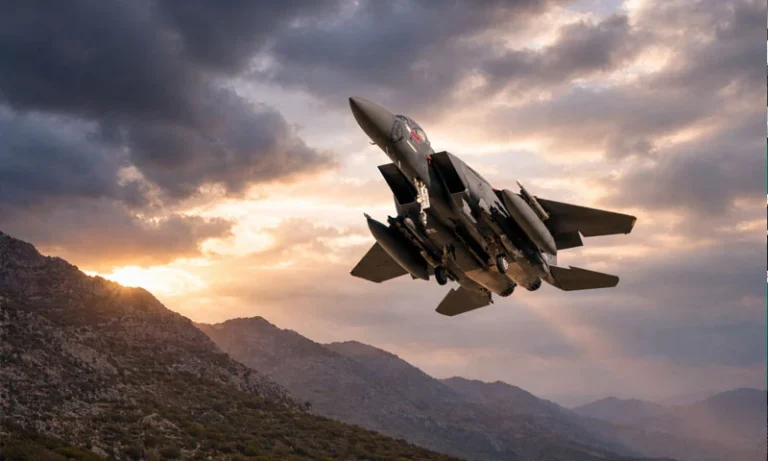
The Indian Air Force will receive automatic take-off and landing recording systems to enhance flight safety, full mission simulators to support pilot training, Astra Mk-II beyond-visual-range air-to-air missiles and SPICE-1000 precision guidance kits. These assets are expected to boost aerial combat effectiveness, improve targeting precision and strengthen training capabilities for the expanding fleet.
This procurement push is part of a broader, long-term modernisation strategy for India’s defence sector that prioritises indigenous production and self-reliance under the ‘Make in India’ initiative. Defence officials have previously spoken about future capital expenditure of $25–30 billion annually over the next decade, with strong emphasis on homegrown technology, drones, artificial intelligence and advanced weapon systems.
Today’s defence clearance also reflects ongoing efforts to respond to geopolitical realities in South Asia and beyond. Enhanced radar systems, long-range rockets and advanced aircraft systems signal India’s intent to maintain credible deterrence while upgrading capabilities across all three services. The move is likely to strengthen the domestic defence manufacturing base and attract investor interest in Indian defence stocks.