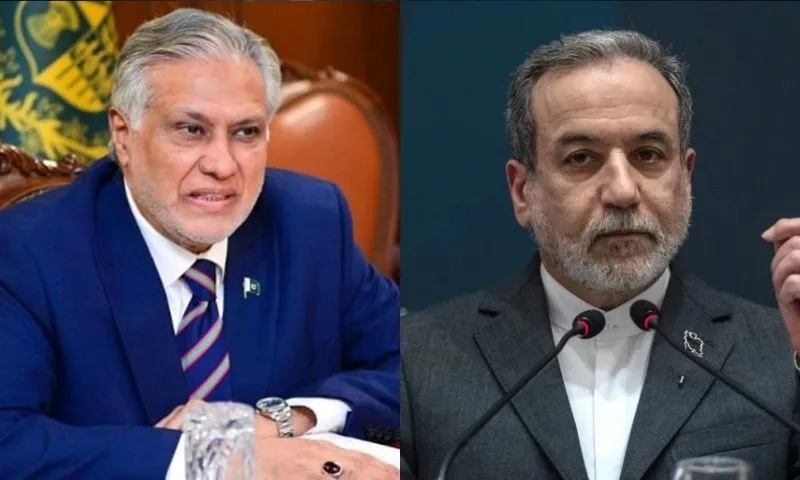
Iran has expressed strong appreciation for Pakistan’s diplomatic efforts in mediating the ongoing conflict in the Middle East, while firmly rejecting reports that it refused to participate in talks hosted in Islamabad.
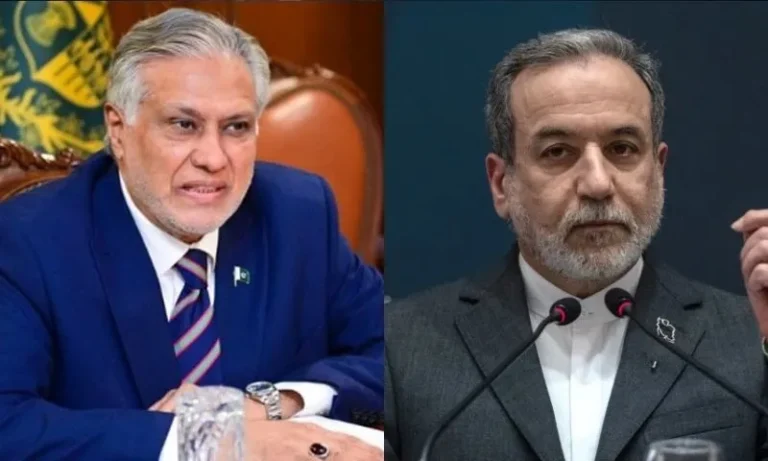
Iranian Foreign Minister Abbas Araghchi said his country is “deeply grateful to Pakistan” for its role in facilitating dialogue amid the escalating US-Israel war against Iran.
Iran Denies Refusing Islamabad Talks
The Iranian foreign minister directly addressed reports suggesting Tehran had declined to attend mediation talks in Pakistan, calling such claims misleading.
“Iran’s position is being misrepresented by U.S. media,” Araghchi said in a statement.
He added, “We are deeply grateful to Pakistan for its efforts and have never refused to go to Islamabad.”
According to officials, Islamabad was being considered as a key venue for potential negotiations between the United States and Iran, with preparations underway before talks were delayed at the last moment due to internal consultations by both sides.
Pakistan’s Role as Mediator Gains Recognition
Pakistan has emerged as a significant diplomatic bridge in the ongoing conflict, offering to host talks and engaging with multiple stakeholders to de-escalate tensions.
Deputy Prime Minister and Foreign Minister Ishaq Dar welcomed the clarification from Tehran, saying it countered what he described as “false propaganda” about Pakistan’s role.
Dar emphasised that Pakistan’s outreach reflects its commitment to peace and stability, positioning the country as an “honest broker” in a highly volatile regional environment.
Pakistan has been actively engaged in shuttle diplomacy, coordinating with global and regional powers to bring both sides to the negotiating table.
Truly appreciate your clarification, my Dear Brother @Araghchi. 🇵🇰 🤝 🇮🇷 https://t.co/reptX11LQa
— Ishaq Dar (@MIshaqDar50) April 4, 2026
Iran Calls for “Conclusive and Lasting” End to War
While expressing openness to dialogue, Iran made it clear that any negotiations must lead to a meaningful and lasting resolution.
Araghchi stressed that Tehran is focused on securing “a conclusive and lasting END to the illegal war that is imposed on us.”
This reflects Iran’s broader stance that any ceasefire or agreement must address its core concerns, including security guarantees and an end to hostilities.
Mediation Efforts Face Challenges Amid Ongoing Conflict
Despite Pakistan’s efforts, mediation attempts have faced significant challenges.
Reports indicate that negotiations between the US and Iran have narrowly missed breakthroughs on multiple occasions, highlighting the complexity of the conflict and deep differences between the parties.
The war, which began in late February, has escalated rapidly, involving regional actors and triggering global economic and security concerns.
Pakistan’s diplomatic initiative is seen as part of a broader international effort to prevent further escalation and bring stability to the region.
Growing Importance of Diplomacy in Regional Stability
The Iranian foreign minister’s statement underscores the growing importance of diplomatic channels in resolving the crisis.
With tensions remaining high and military operations ongoing, mediation efforts led by countries like Pakistan are increasingly seen as critical to avoiding a wider regional conflict.
Analysts say Pakistan’s role as a neutral facilitator could enhance its global diplomatic standing, even as the path to peace remains uncertain.