The United Arab Emirates, long known as a secure and luxurious global tourism and business destination, faced a startling shift in its reputation after Iranian missiles and drones struck parts of Dubai and Abu Dhabi this weekend. The attacks, part of a wider escalation in the Middle East conflict involving Iran, the United States and Israel, have rattled residents, visitors and global markets alike.
Strikes Hit UAE Cities, Harming Infrastructure
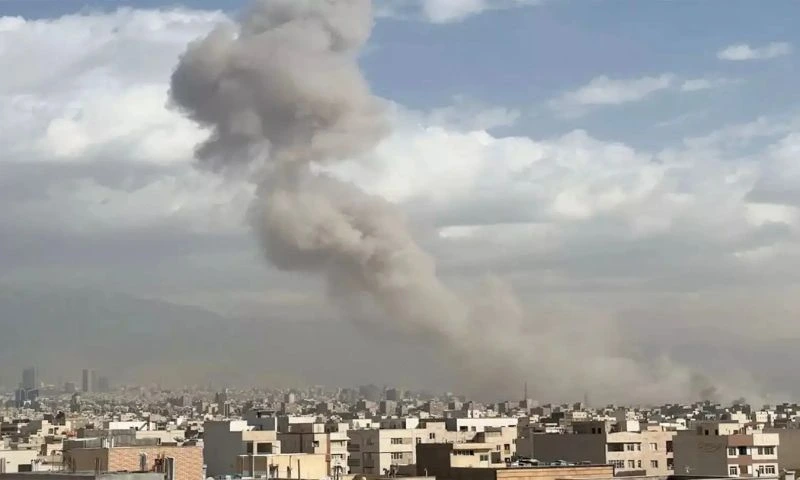
On February 28 and into early March 2026, Iran launched a significant wave of missiles and drones across the Gulf, targeting several nations in retaliation for joint U.S. and Israeli military strikes on Iranian territory. The UAE’s air defenses intercepted the majority of projectiles, but debris and explosions still caused damage in Dubai and Abu Dhabi.
The Dubai International Airport terminal sustained minor structural harm, and four people were reported injured as a result of aerial debris. The iconic Burj Al Arab hotel also experienced damage from intercepted drones, and blasts were reported at other prominent locations, including hotels on Palm Jumeirah.
In Abu Dhabi, authorities reported casualties and injuries as Iranian strikes continued. Overall, three people were killed and at least 58 others were injured across the UAE, according to official defense ministry estimates.
Tourism and Safety Perceptions Upended
Dubai’s global allure, built on safety, luxury and economic opportunity, faced a fierce challenge as tourists and expatriates took cover and panicked amid blasts. As some visitors initially mistook the explosions for fireworks, the reality soon set in that the city, once considered insulated from major conflict, was no longer immune to regional tensions.
Eyewitnesses reported periods of sheltering and confusion at major tourism and residential areas, undermining the confidence many foreign visitors and investors had placed in the Emirate’s security.
Airspace Closures and Disrupted Travel
In response to the aerial attacks and ongoing conflict, the UAE closed its airspace temporarily. Major carriers, including Emirates Airlines, suspended flights into and out of Dubai, leaving many travelers stranded. Millions rely on the UAE’s international hubs for global connections, and the shutdown has sent ripple effects across international travel networks.
To assist impacted passengers, the UAE government offered accommodation, meals and flight rebooking options for thousands stranded by the cancellations.
Wider Conflict Context and Regional Fallout
The strikes on the UAE occurred within the broader framework of a rapidly escalating conflict that began when a coordinated U.S.-Israeli assault targeted Iranian military sites and leadership positions. Iran’s extensive retaliation involved missiles and hundreds of drones launched at various Gulf states.
Gulf nations, including the UAE, Saudi Arabia and Qatar, have since condemned the attacks and expressed concern about regional security. Diplomacy and alliances are under strain as leaders work to avoid further escalation.
Impact on Tourism and Business Climate
Economists and travel industry experts say that the perception of safety is as critical as reality in tourism and business hubs. Dubai’s branding as a safe, tax-free frontier for visitors and investors depends heavily on stability. The recent attacks now pose a serious test to that image, with potential long-term implications for tourism, foreign investment and expatriate confidence if security concerns persist.
As authorities work to reassure both residents and international audiences, the lasting impact of these strikes on the UAE’s global reputation will be watched closely by governments and markets worldwide.